15 Concepts
12 Concepts
22 Concepts
12 Concepts
10 Concepts
12 Concepts
10 Concepts
17 Concepts
18 Concepts
11 Concepts
14 Concepts
16 Concepts
14 Concepts
18 Concepts
20 Concepts
18 Concepts
21 Concepts
17 Concepts
12 Concepts
7 Concepts
12 Concepts
10 Concepts
6 Concepts
6 Concepts
18 Concepts
19 Concepts
11 Concepts
6 Concepts
12 Concepts
11 Concepts
7 Concepts
20 Concepts
17 Concepts
11 Concepts
17 Concepts
6 Concepts
8 Concepts
21 Concepts
13 Concepts
9 Concepts
8 Concepts
8 Concepts
8 Concepts
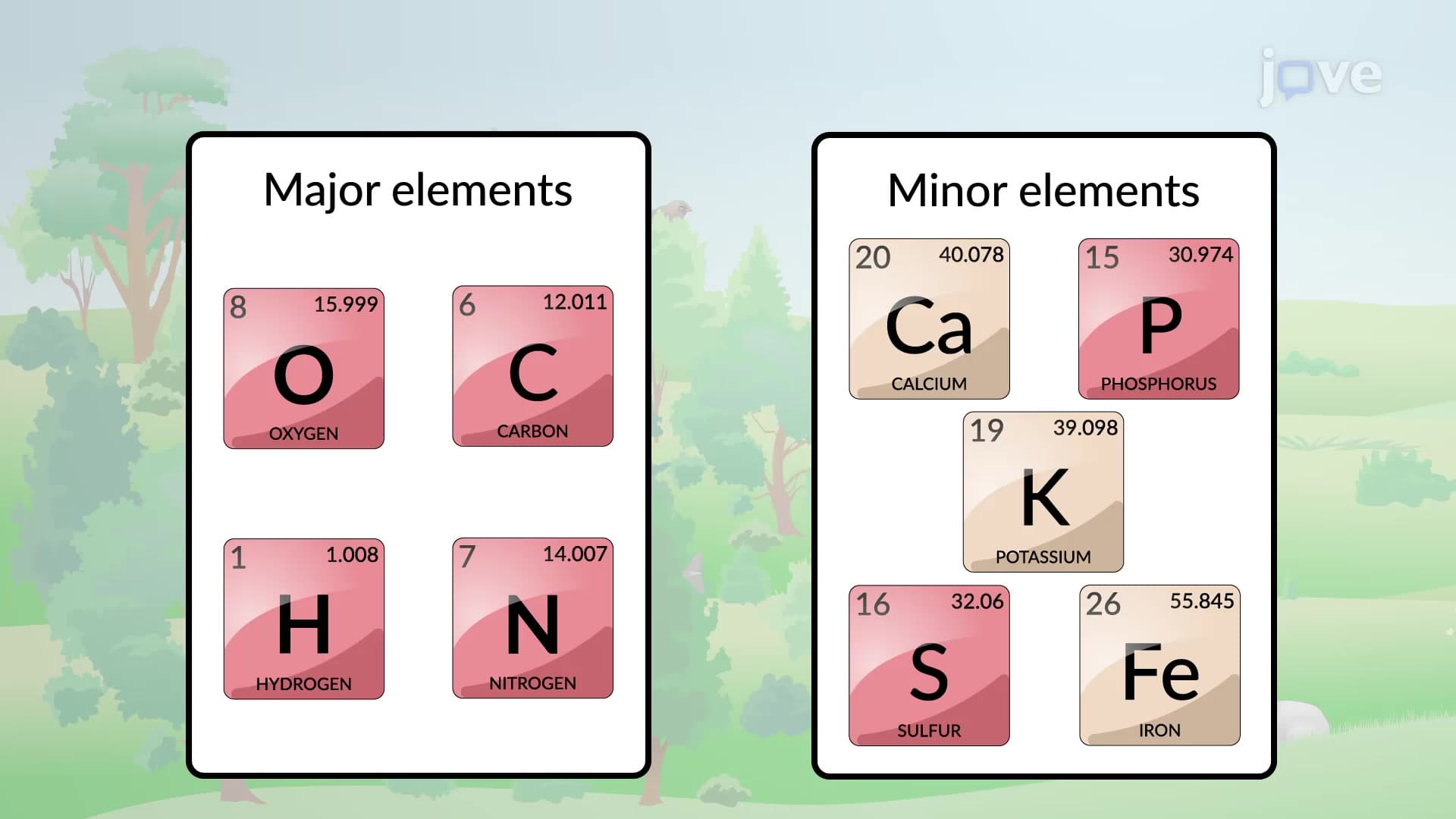
The biochemistry of the cell encompasses the fundamental molecular processes that sustain life, from ATP energy production to protein synthesis and enzyme catalysis. This comprehensive course explores cellular biochemistry fundamentals including macromolecule structure, metabolic pathways, and key biochemical processes in living cells. Students examine water's biological roles, electrolyte balance, pH regulation, and how carbohydrates, lipids, proteins, and nucleic acids function in American healthcare contexts. Perfect preparation for MCAT, AP Biology, and pre-health programs using JoVE Coach methodology.
1. Essential Cellular Compounds and Human Physiology - Human cells require specific organic and inorganic compounds for optimal function, including macronutrients like carbohydrates, proteins, and fats that provide energy and structural support. Micronutrients such as vitamins and minerals, though needed in small amounts, are crucial for regulatory functions including immune response and wound healing. American dietary guidelines emphasize these nutrients through the MyPlate system, while metabolites like amino acids and carbon dioxide maintain physiological homeostasis. Understanding these compounds is essential for healthcare professionals treating nutritional deficiencies common in American populations, particularly vitamin D deficiency affecting 40% of Americans.
2. Water's Biological Functions and Cellular Processes - Water comprises 50-60% of human body weight and serves as the universal solvent for biochemical reactions, making it indispensable for cellular metabolism. Its high heat capacity enables thermoregulation through sweating, while its role in blood plasma facilitates nutrient transport and waste removal throughout the circulatory system. Water acts as a lubricant in joints and serves as a shock absorber in amniotic fluid protecting developing fetuses. American healthcare providers regularly monitor hydration status, as dehydration affects 75% of Americans and can impair cognitive function and physical performance, particularly relevant for athletes and elderly populations in healthcare settings.
3. Electrolyte Balance and Cellular Homeostasis - Electrolytes including sodium, potassium, calcium, and chloride ions are essential for nerve transmission, muscle contraction, and fluid balance in American patients. The sodium-potassium pump maintains cellular membrane potential, while calcium ions trigger muscle contraction and blood clotting mechanisms. Electrolyte imbalances frequently occur in American hospitals, with hyponatremia affecting up to 30% of hospitalized patients and hyperkalemia posing serious cardiac risks. Healthcare professionals use electrolyte panels as standard diagnostic tools, while sports medicine focuses on electrolyte replacement in athletes competing in American collegiate and professional sports, where heat-related illnesses cause thousands of emergency room visits annually.
4. pH Regulation and Buffer Systems in Human Biology - Human blood maintains a narrow pH range of 7.35-7.45 through sophisticated buffer systems including bicarbonate, phosphate, and protein buffers that prevent acidosis and alkalosis. The carbonic acid-bicarbonate buffer system is particularly crucial, as respiratory and renal systems work together to maintain acid-base balance in American patients with conditions like diabetes or kidney disease. Pepsin requires acidic stomach pH (1.5-2.0) for protein digestion, while blood pH deviations can cause serious medical emergencies. American emergency departments frequently treat acid-base disorders, with diabetic ketoacidosis affecting over 100,000 Americans annually and requiring immediate pH correction to prevent coma and death.
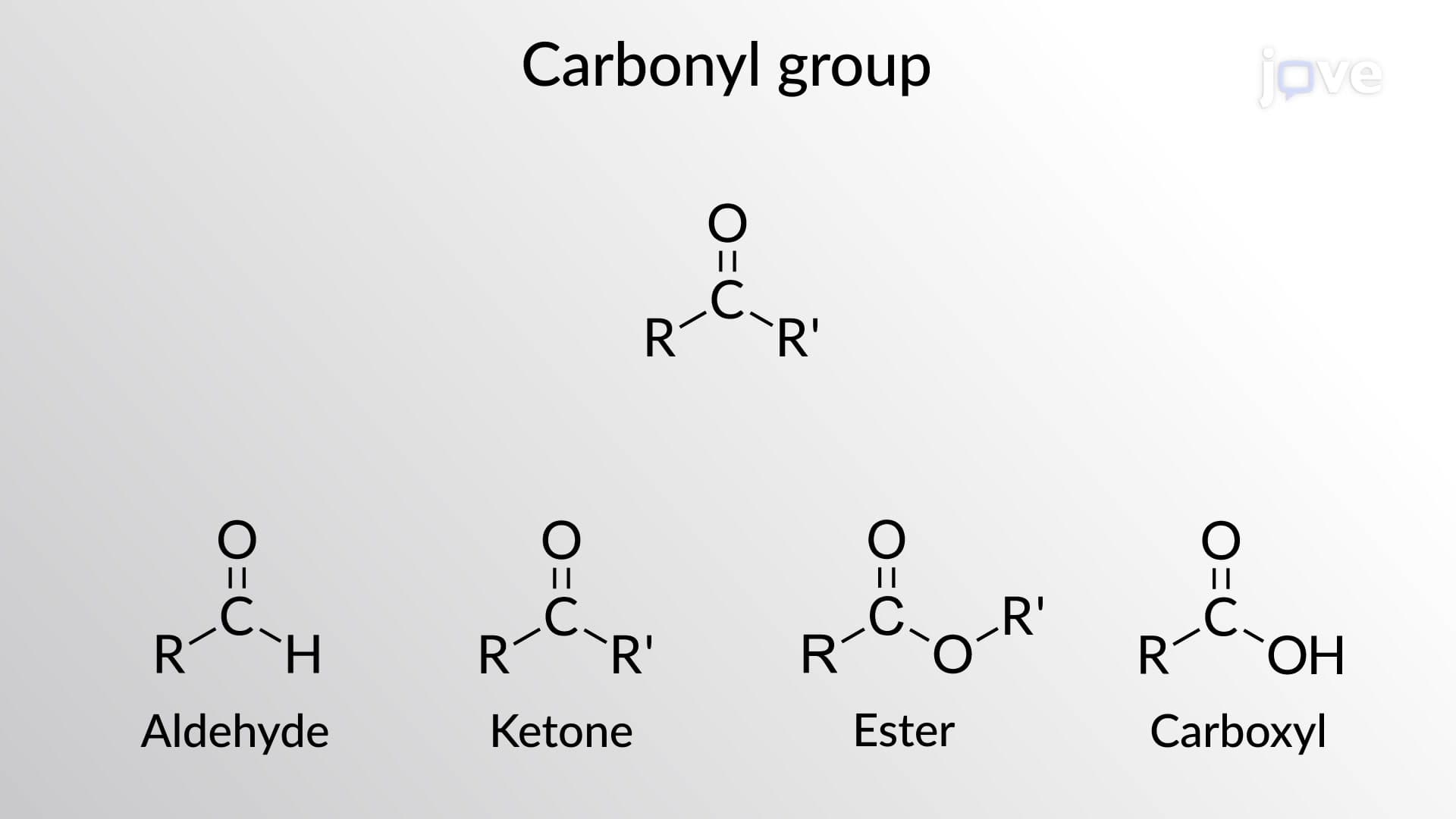
5. Functional Groups and Biomolecule Properties - Functional groups including hydroxyl, carbonyl, carboxyl, amino, and phosphate groups determine the chemical behavior and biological activity of biomolecules essential for cellular function. Hydroxyl groups in carbohydrates affect solubility, while carbonyl groups in aldehydes and ketones are crucial for energy metabolism pathways. Amino and carboxyl groups in amino acids enable protein formation through peptide bonds, while phosphate groups in ATP store and release cellular energy. Understanding functional groups is fundamental for American pharmacy students learning drug-receptor interactions and for medical students studying enzyme mechanisms, as pharmaceutical companies design medications based on functional group chemistry to treat diseases affecting millions of Americans.
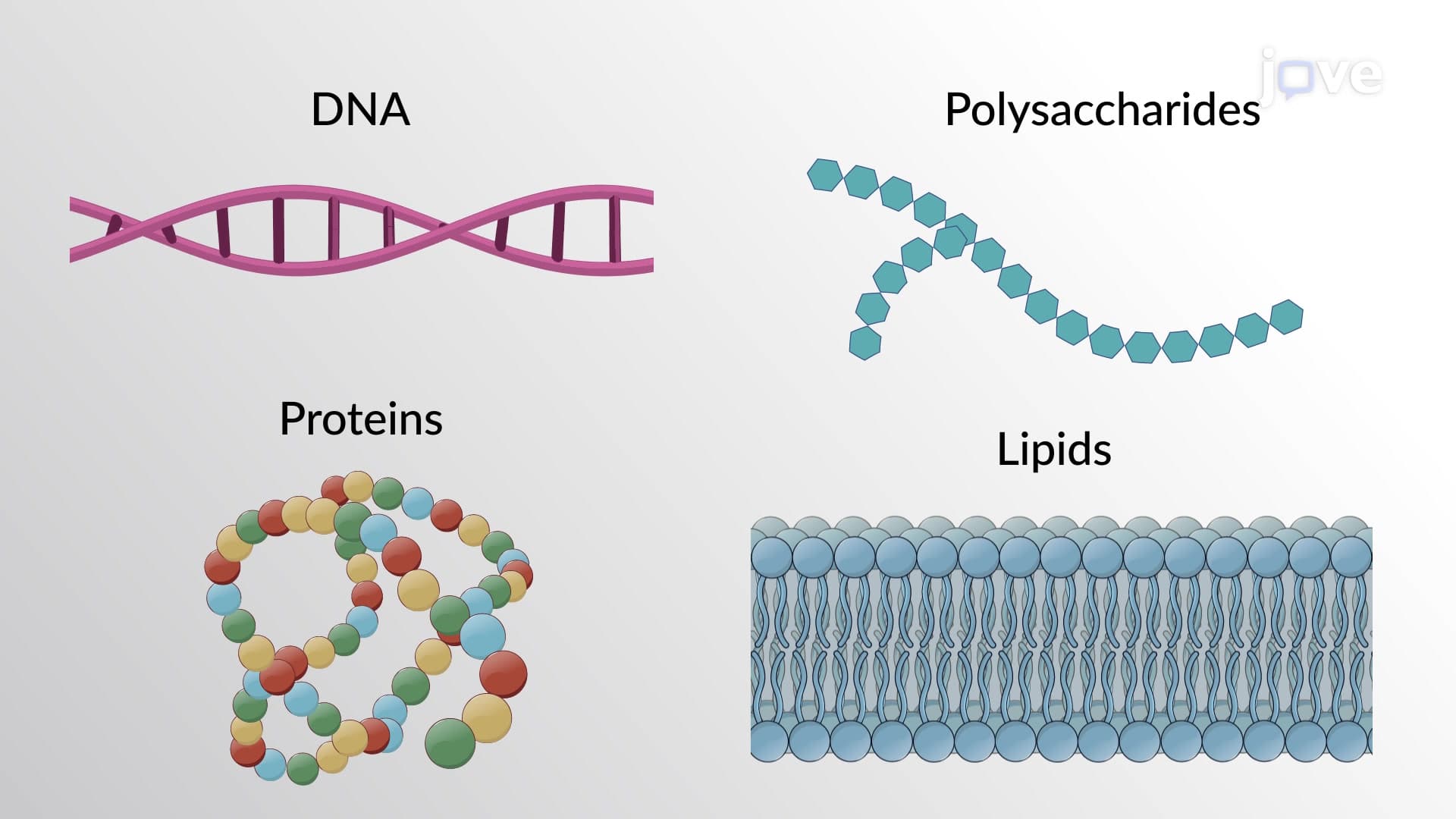
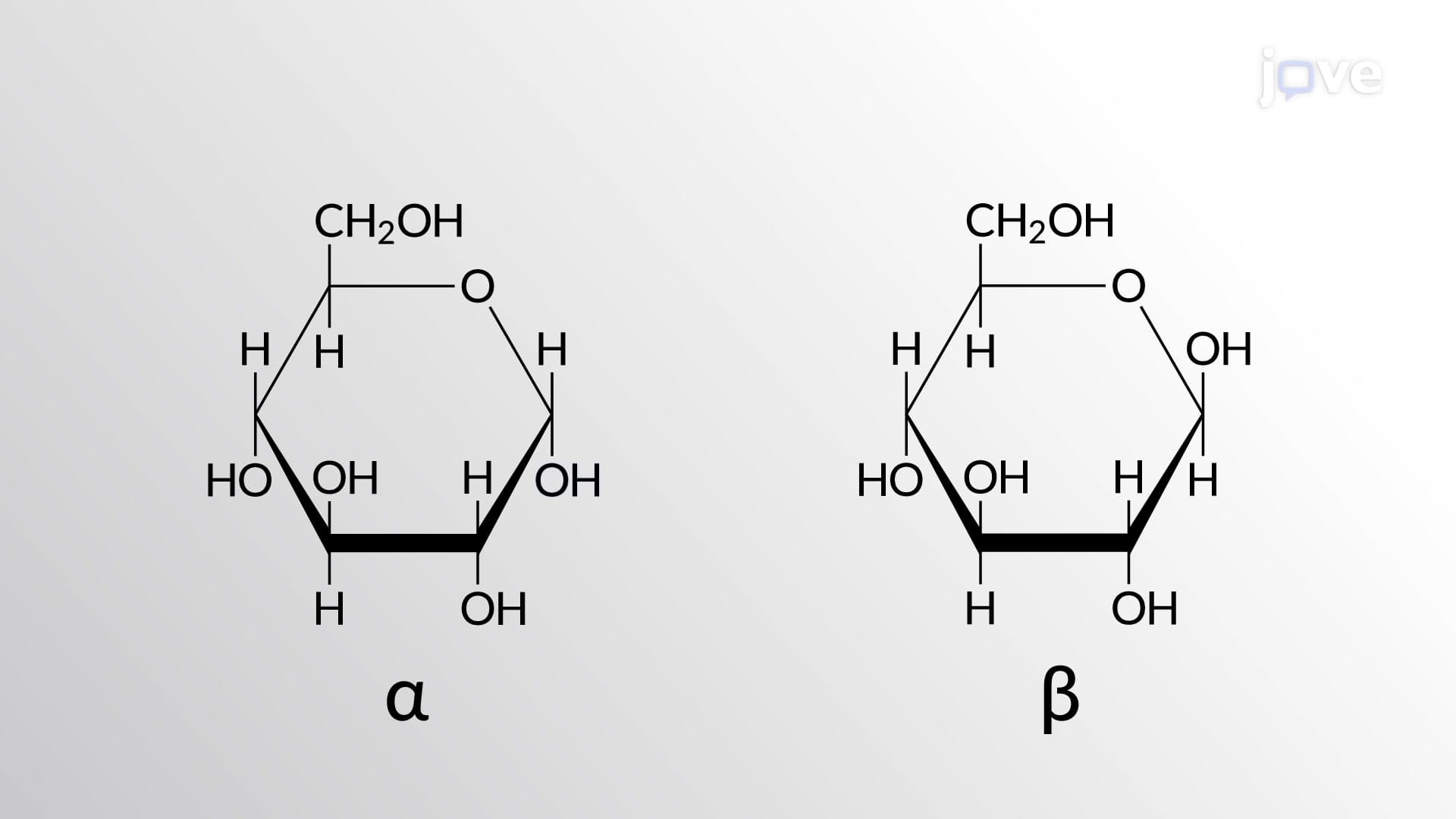
6. Carbohydrate Structure, Metabolism, and Energy Production - Carbohydrates serve as the primary energy source for American diets, with glucose metabolism through glycolysis producing ATP for cellular activities in muscle and brain tissue. Monosaccharides like glucose and fructose are absorbed in the small intestine, while disaccharides including lactose require specific enzymes for digestion, with lactose intolerance affecting 65% of American adults. Polysaccharides like starch from American crops (corn, wheat, rice) provide sustained energy, while glycogen stored in liver and muscle serves as an emergency glucose reserve. American diabetes management focuses on carbohydrate counting and glycemic control, as over 34 million Americans have diabetes requiring careful monitoring of blood glucose levels and insulin therapy.
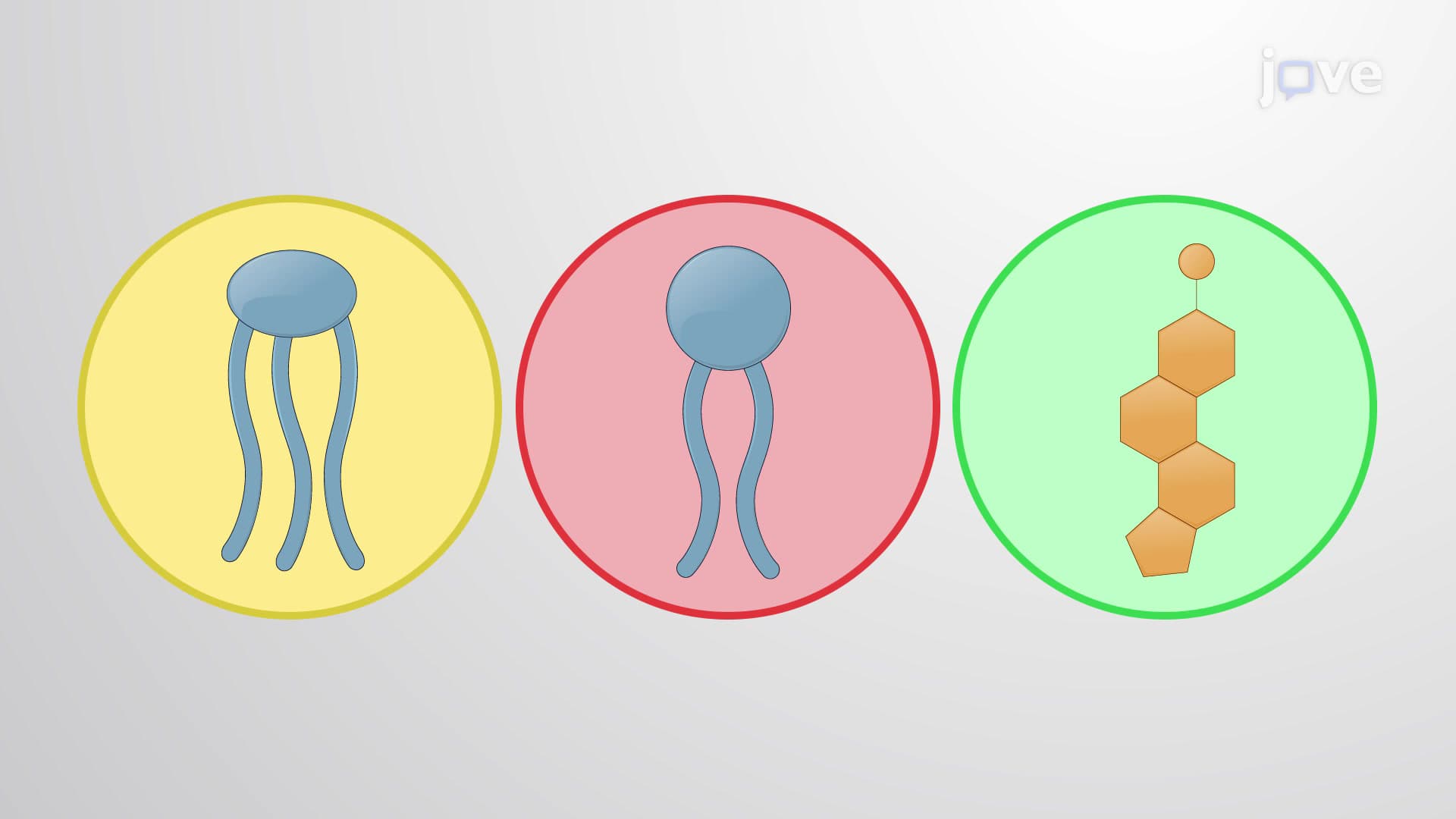
7. Lipid Classification, Membrane Structure, and Energy Storage - Lipids including triglycerides, phospholipids, and cholesterol serve diverse functions from energy storage to membrane formation and hormone synthesis in human physiology. Triglycerides store twice the energy per gram compared to carbohydrates, making them efficient long-term energy reserves in adipose tissue. Phospholipids form cellular membranes through their amphipathic properties, while cholesterol affects membrane fluidity and serves as a precursor for steroid hormones. American healthcare emphasizes lipid management through cholesterol screening, as cardiovascular disease remains the leading cause of death, with over 655,000 Americans dying from heart disease annually. Beta-oxidation of fatty acids produces acetyl-CoA for energy production when glucose is unavailable.
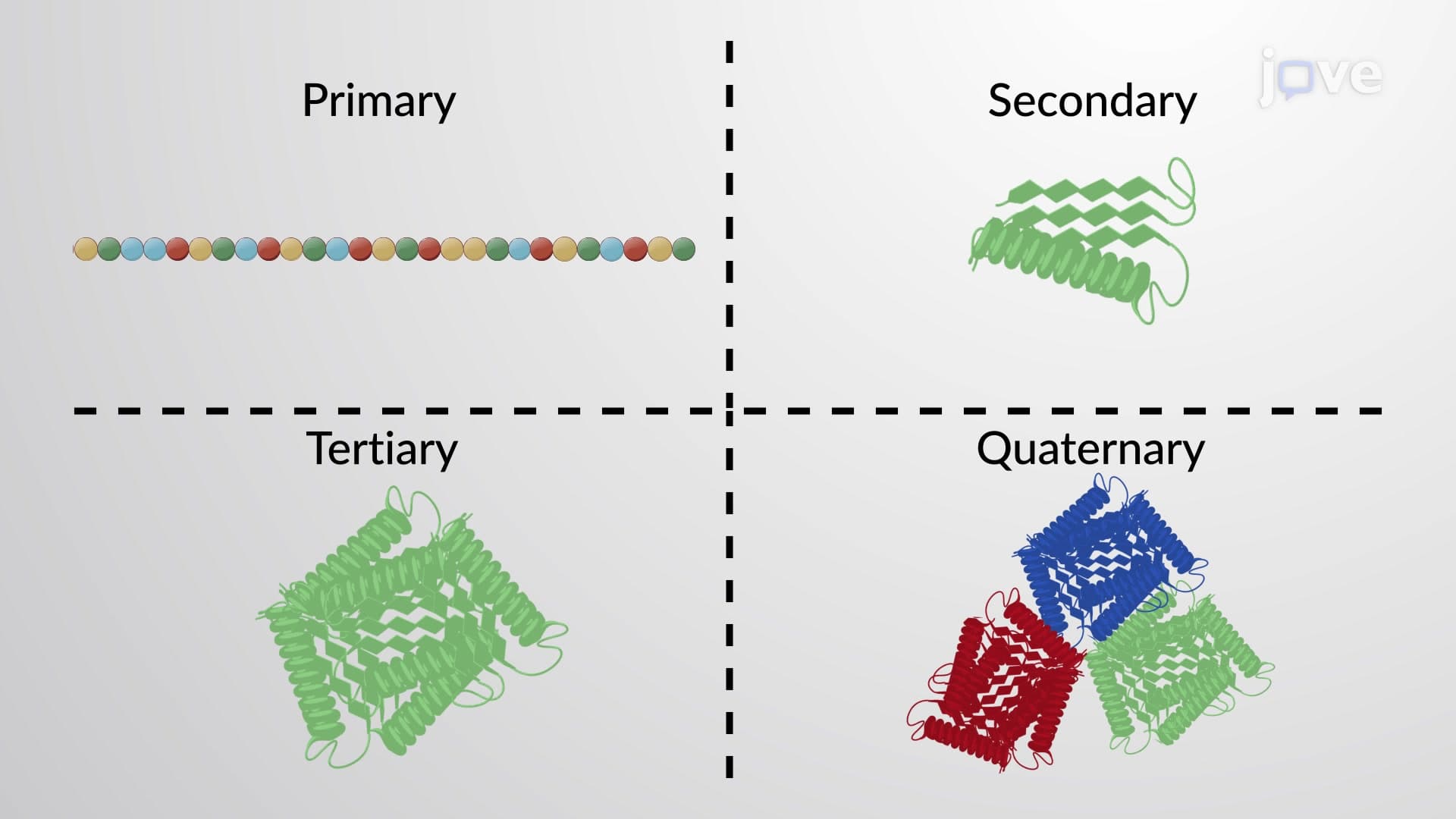
8. Protein Structure, Function, and Enzyme Catalysis - Proteins exhibit four levels of structural organization from primary amino acid sequence to quaternary multi-subunit complexes, with structure determining biological function in American healthcare applications. Globular proteins like hemoglobin transport oxygen, while fibrous proteins like collagen provide structural support in connective tissues. Enzyme catalysis lowers activation energy through induced fit mechanisms, metal ion coordination, and amino acid side chain chemistry to accelerate biochemical reactions essential for life. American biotechnology companies produce recombinant proteins including insulin and growth hormone, while protein denaturation concepts are crucial for understanding fever effects and food safety protocols in American hospitals and restaurants.
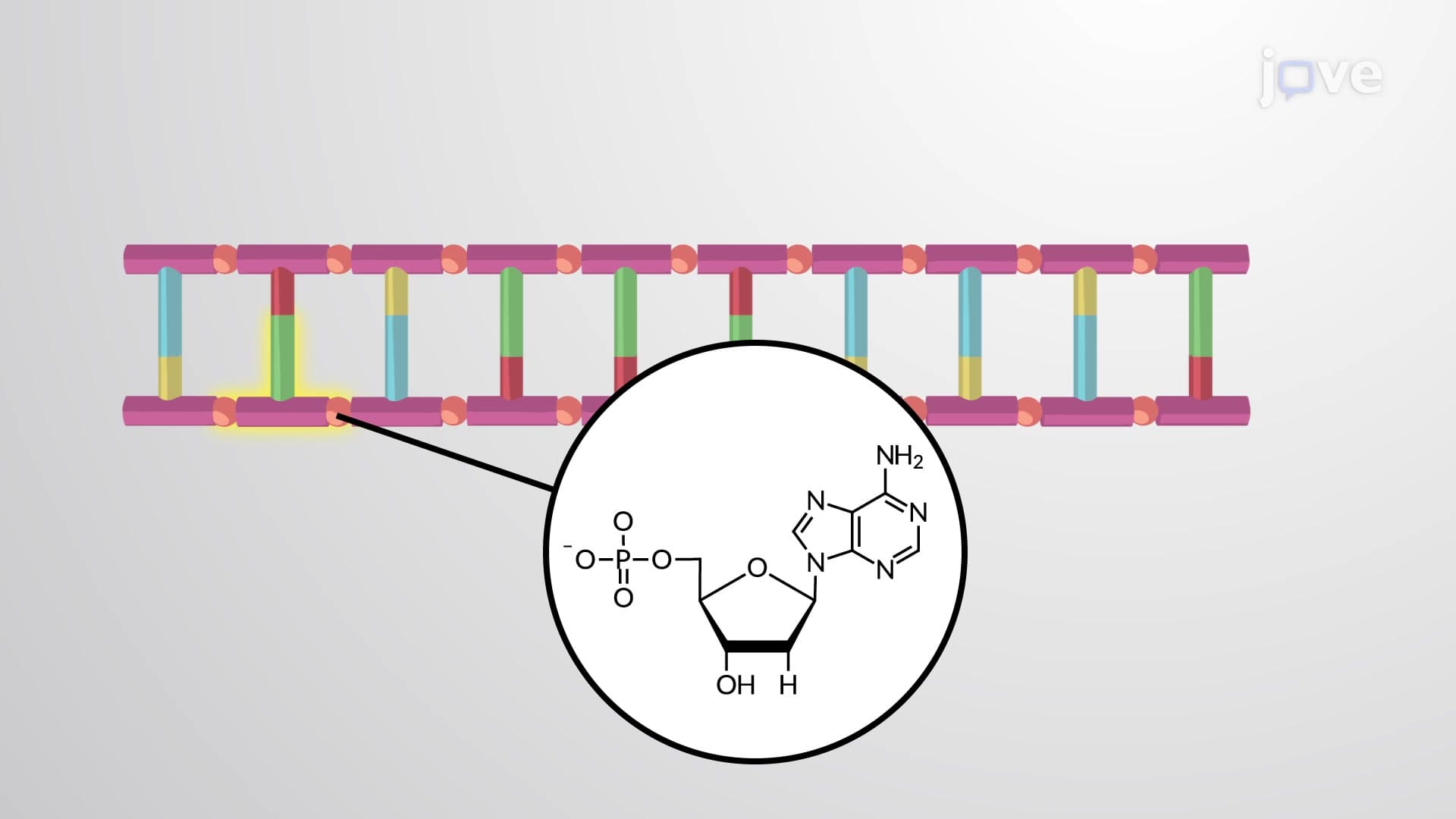
9. Nucleic Acid Structure, ATP Function, and Molecular Biology Foundations - DNA and RNA consist of nucleotides containing pentose sugars, nitrogenous bases, and phosphate groups that form the genetic material essential for protein synthesis and cellular reproduction. Complementary base pairing between adenine-thymine and guanine-cytosine enables DNA replication and RNA transcription, while ATP serves as the universal energy currency through high-energy phosphate bonds. Phosphodiester bonds create the sugar-phosphate backbone, while hydrogen bonds between bases stabilize the double helix structure. American genetic testing companies analyze DNA sequences for disease susceptibility, while ATP production through cellular respiration is fundamental to understanding metabolic disorders and exercise physiology in American sports medicine and clinical practice.