Loading video…


 12 Concepts
 181.2K views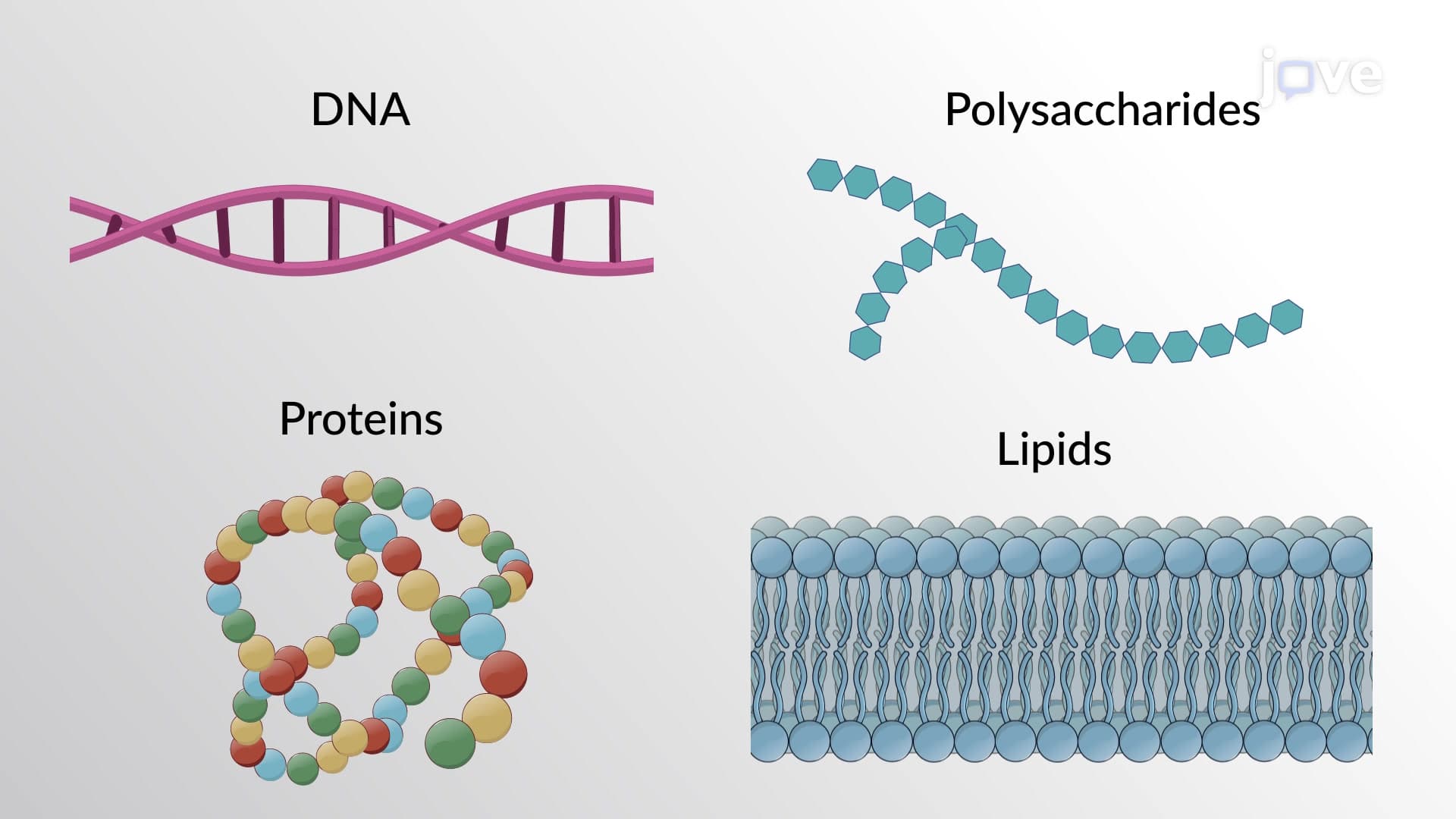

Video Summary: What are Polymers
From the plastic in your smartphone to the DNA in your cells, polymers surround us everywhere. These giant molecules form when smaller building blocks called monomers link together through chemical bonds, creating everything from the proteins that power muscle contractions to the synthetic materials used in bulletproof vests by the U.S. military. Understanding what are polymers reveals the molecular foundation underlying both biological systems and modern technology. Watch the full video on JoVE Coach to master this concept with expert-led visuals and step-by-step explanations.
Polymers represent some of nature's most sophisticated molecular engineering, consisting of long chains formed when identical or similar smaller molecules (monomers) join through covalent bonds. This fundamental concept appears across AP Biology, college biochemistry courses, and MCAT preparation, making it essential for students pursuing healthcare and scientific careers.
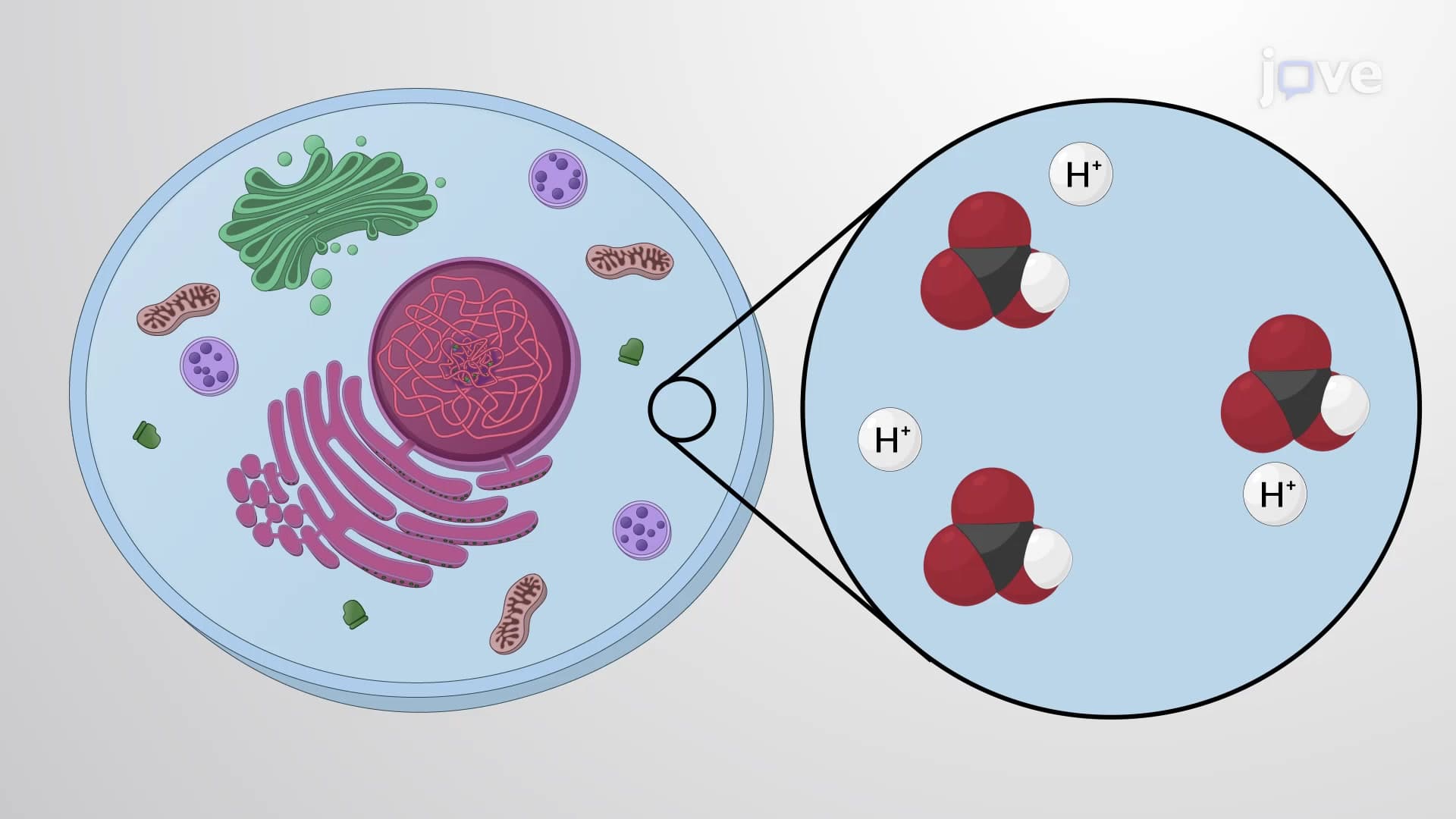
Polymerization occurs through condensation reactions, where monomers combine while eliminating water molecules. This dehydration synthesis creates stable covalent bonds that can extend into chains containing thousands of repeating units. In biological systems, enzymes carefully control this process-for example, DNA polymerase adds nucleotide monomers during replication in every cell division occurring in your body right now.
Understanding polymerization mechanisms helps explain everything from how pharmaceutical companies synthesize medications to how your muscles grow through protein synthesis. Students often encounter these concepts in AP Chemistry when studying reaction mechanisms and in college organic chemistry courses.
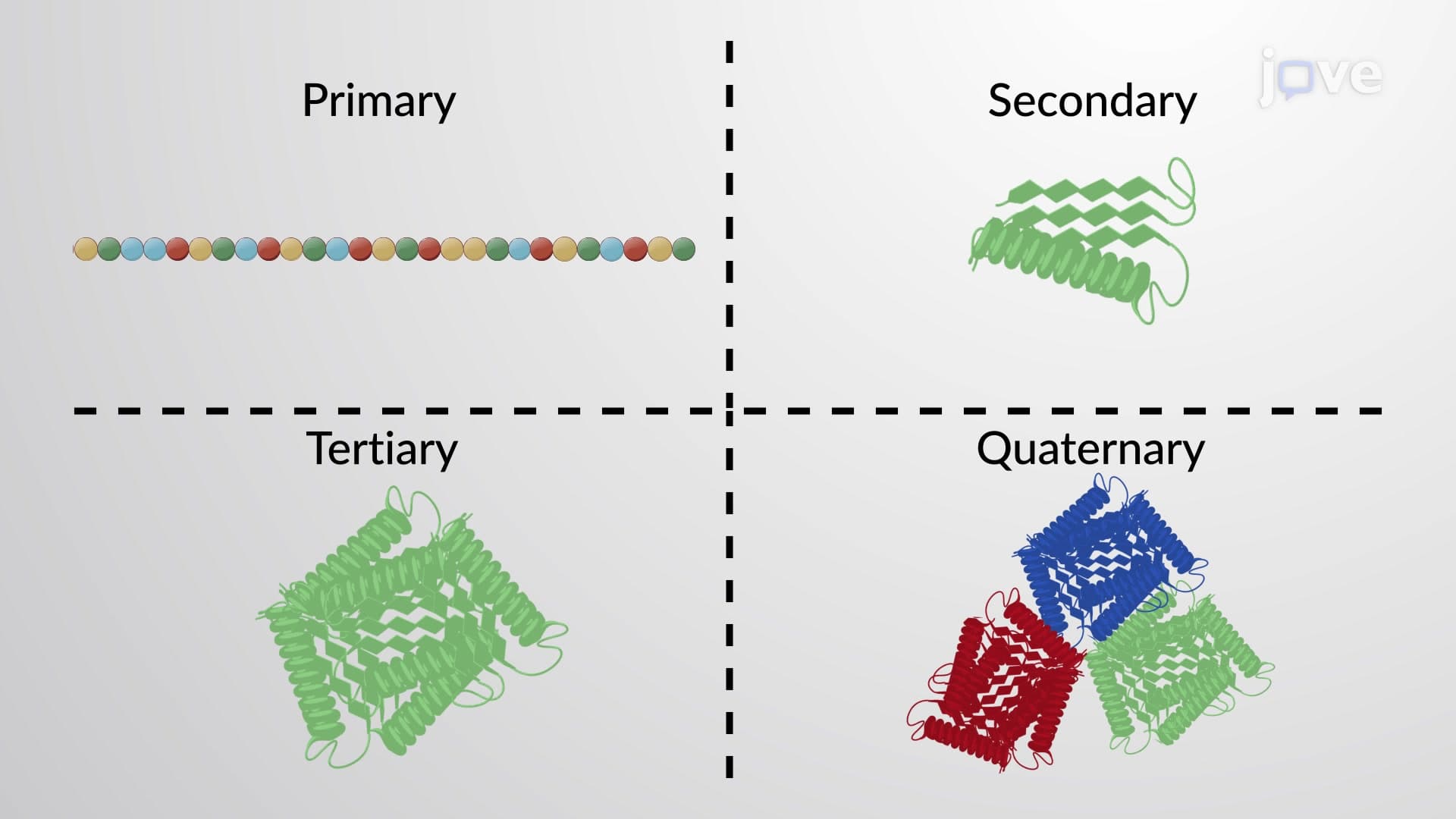
Proteins form from amino acid monomers connected by peptide bonds, creating molecules that serve as enzymes, structural components, and signaling molecules. Insulin, the hormone that regulates blood sugar levels in diabetic patients across America, exemplifies how a specific amino acid sequence determines protein function.
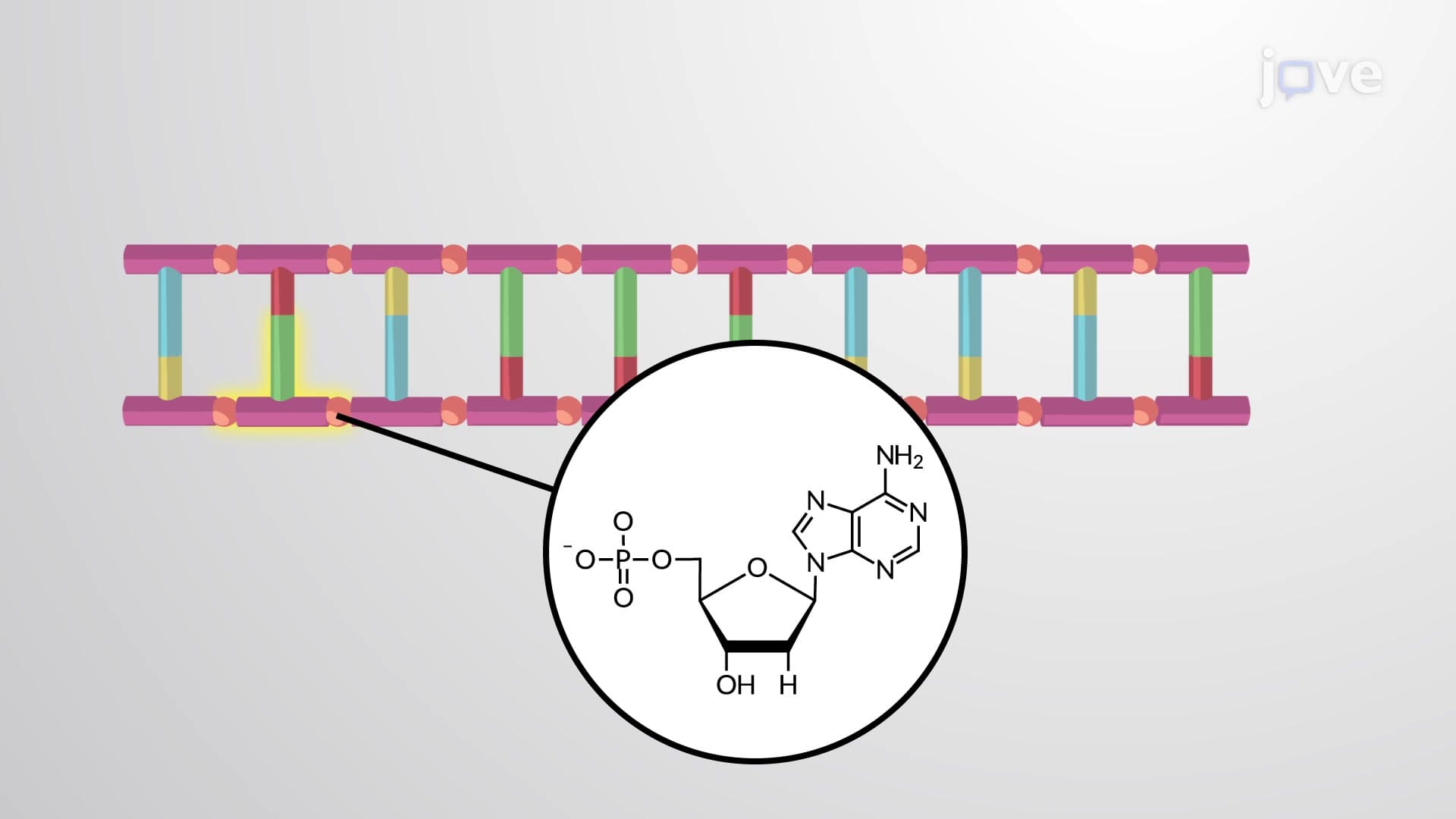
Nucleic acids (DNA and RNA) consist of nucleotide monomers linked by phosphodiester bonds. These polymers store and transmit genetic information-the same DNA polymers that forensic scientists use to solve crimes in FBI laboratories contain the blueprint for every protein your body produces.
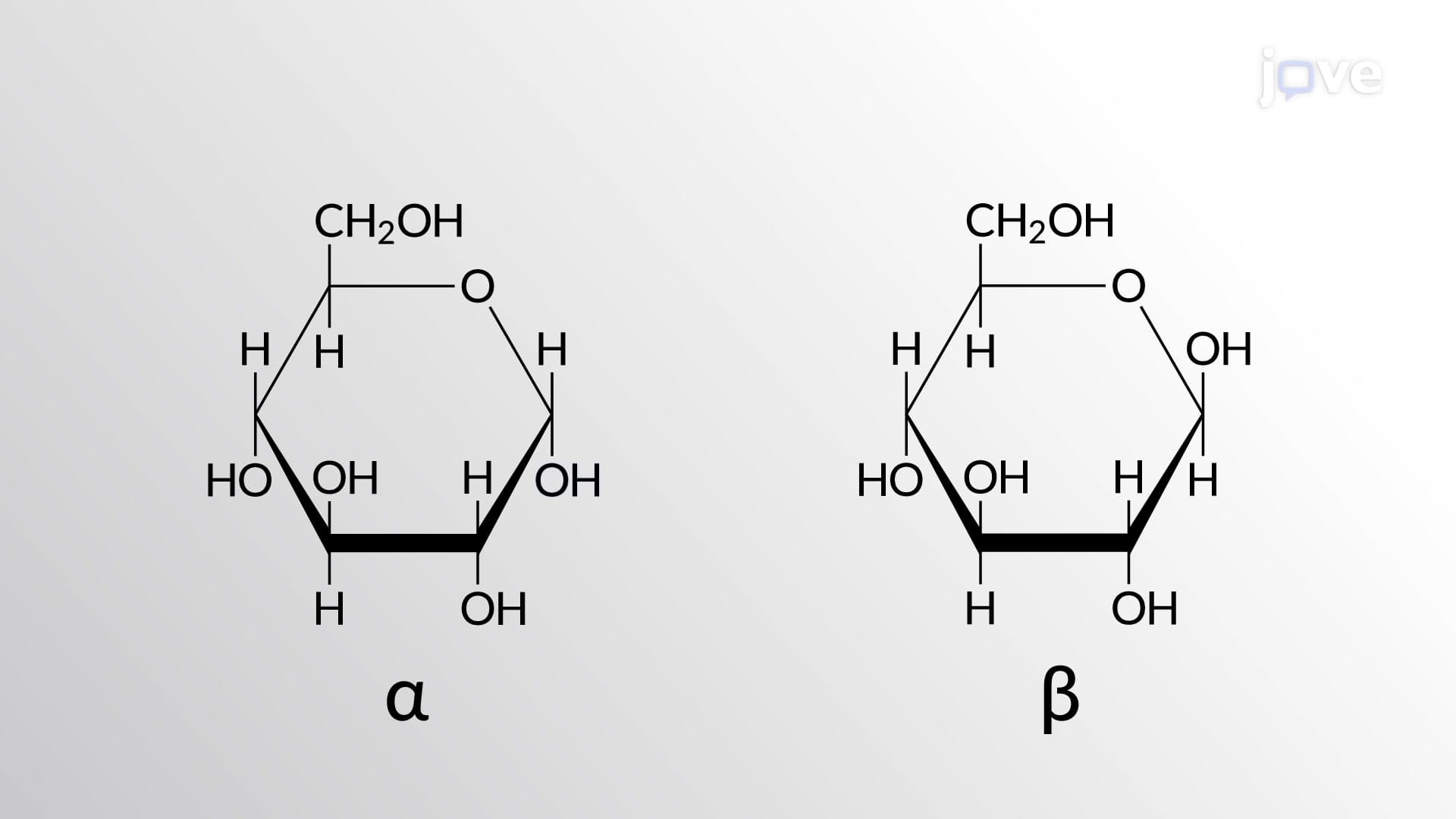
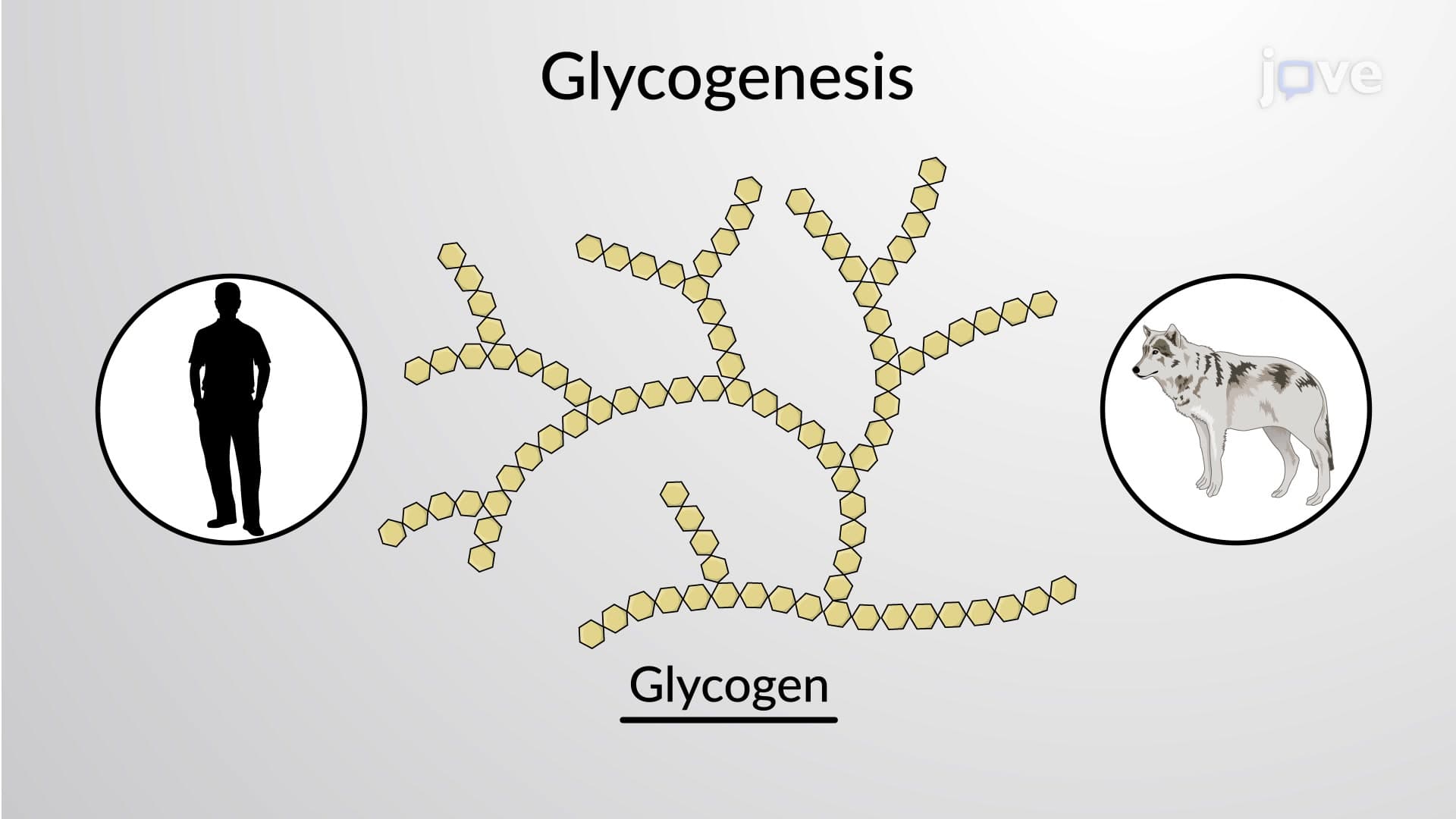
Polysaccharides result from sugar monomers joined by glycosidic linkages. Glycogen, stored in your liver and muscles, provides rapid energy during exercise, while cellulose gives plants their structural integrity-including the wood used to build American homes.
Polymer properties depend critically on monomer sequence, chain length, and three-dimensional folding. A single amino acid change can convert a functional protein into a disease-causing variant, as seen in sickle cell anemia affecting thousands of Americans. Similarly, synthetic polymers like Kevlar derive their bulletproof properties from specific monomer arrangements and intermolecular interactions.
These structure-function relationships frequently appear on standardized exams, from high school biology tests to medical school entrance examinations, emphasizing the importance of understanding how molecular architecture determines biological and material properties.
Related Micro-courses