Loading video…


 12 Concepts
 181.2K views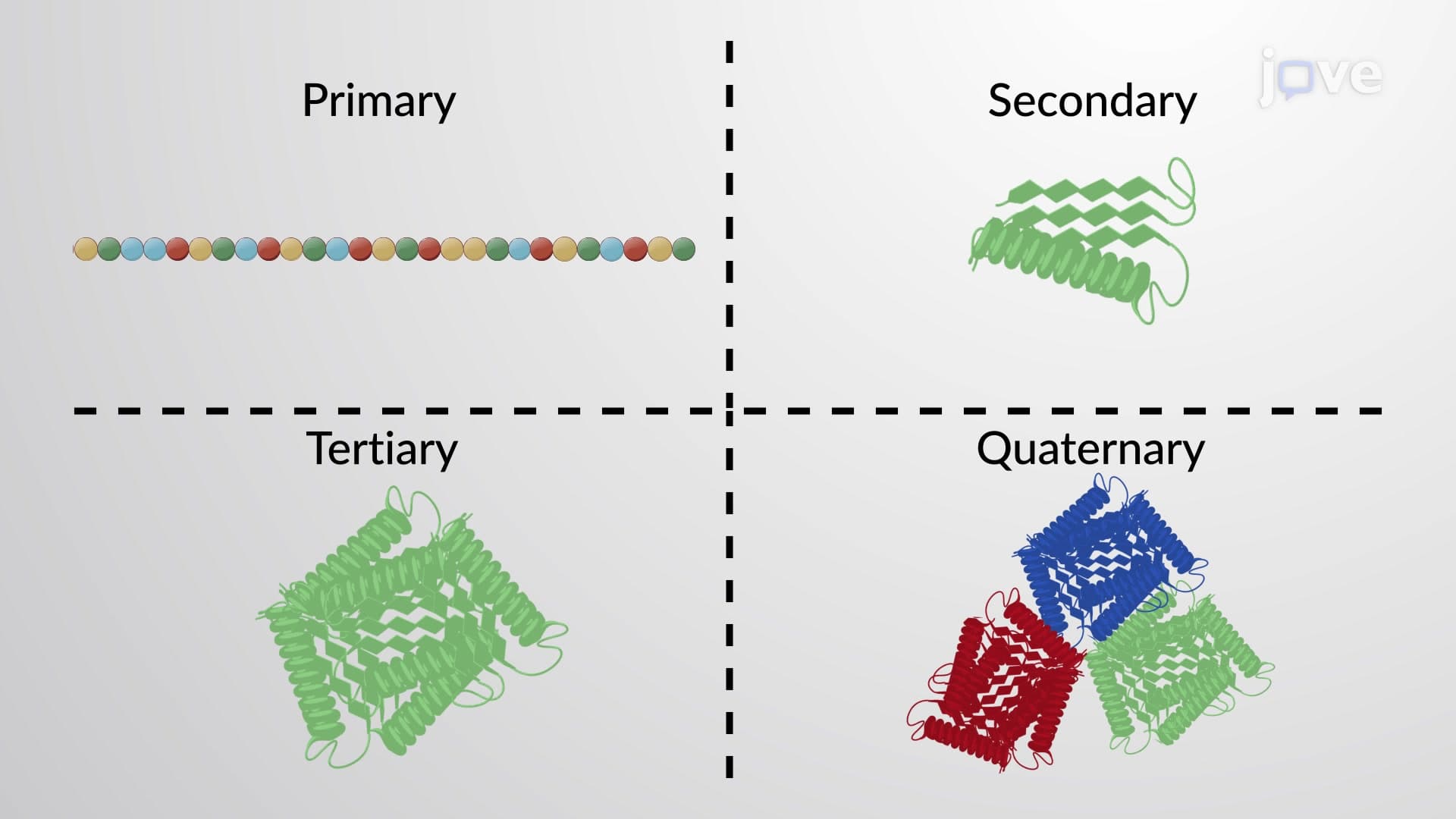

Video Summary: What are Protein and Protein Structures
Ever wondered how insulin knows exactly where to go in your body, or why eating a raw egg white feels so different from a cooked one? Protein protein structures are the molecular architects behind these everyday phenomena, with their specific shapes determining everything from hormone function to food texture. Take hemoglobin in your red blood cells-its precise four-part structure allows it to carry oxygen efficiently throughout your body. Understanding what are protein and protein structures reveals how these complex molecules fold into specific shapes that enable life's most essential processes. Watch the full video on JoVE Coach to master this concept with expert-led visuals and step-by-step explanations.
Protein protein structures represent one of biology's most elegant examples of form following function. These complex macromolecules serve as the workhorses of cellular life, from catalyzing biochemical reactions to providing structural support. Unlike simple molecules, proteins achieve their remarkable diversity through a hierarchical organization system that transforms a linear sequence of amino acids into sophisticated three-dimensional machines.
The protein and protein structures biology explained concept centers on four distinct organizational levels. Primary structure represents the linear sequence of amino acids connected by peptide bonds-think of it as a biological sentence written in a 20-letter alphabet. This sequence, encoded by DNA, contains all the information needed for proper folding.
Secondary structure emerges as local regions fold into regular patterns like alpha helices (spiral staircases) and beta sheets (accordion-like folds). These structures, stabilized by hydrogen bonds between backbone atoms, were first discovered by Linus Pauling and remain fundamental to protein architecture. The famous alpha helix structure appears in keratin, the protein that strengthens your hair and nails.
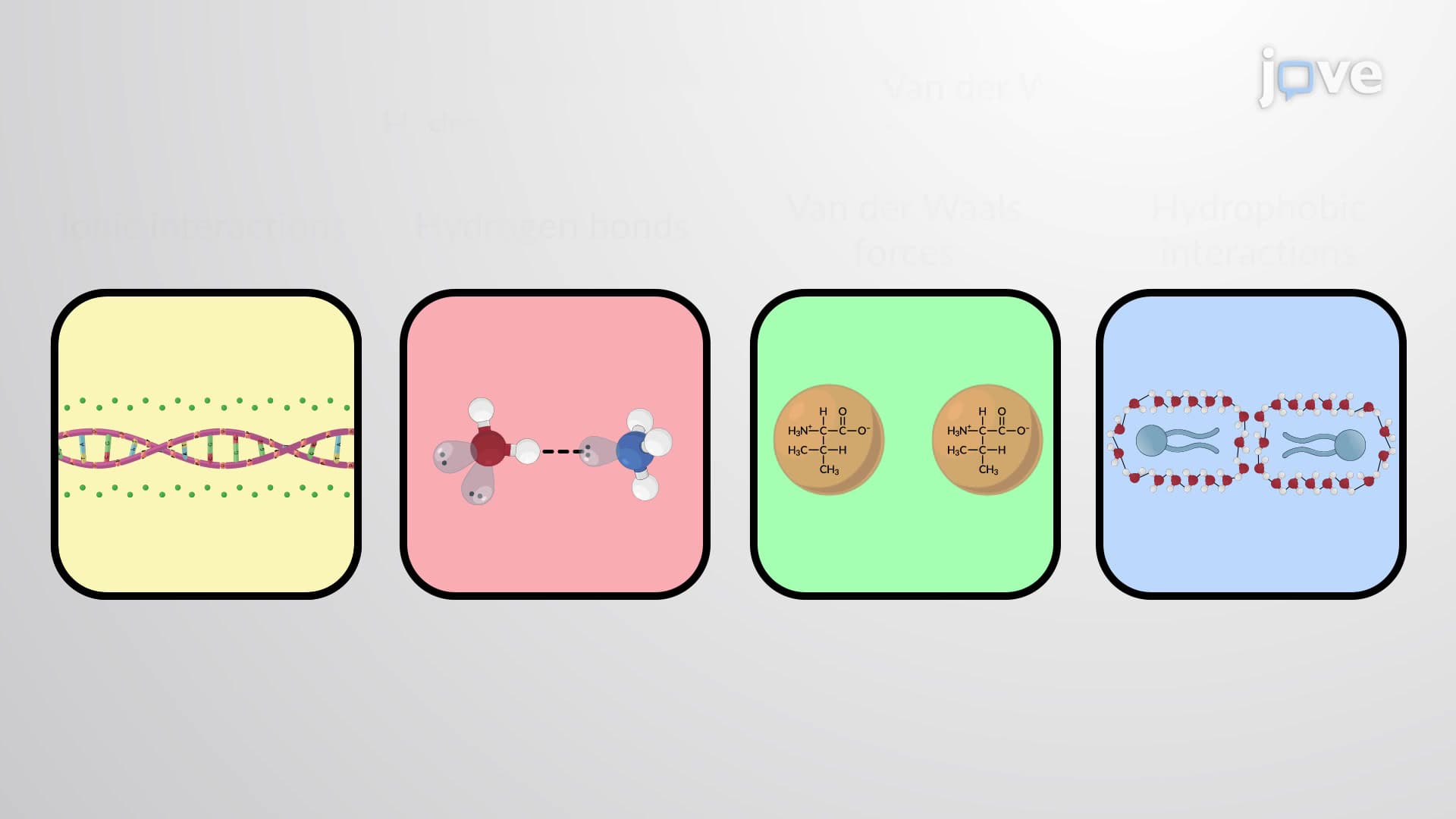
Tertiary structure represents the overall three-dimensional fold of a single protein chain. Here, amino acid side chains interact through various forces: hydrophobic amino acids cluster together like oil droplets in water, while charged residues form ionic bonds. Disulfide bridges between cysteine residues act like molecular staples, permanently linking distant parts of the chain.
Understanding protein protein structures definition proves crucial for standardized exams. The MCAT extensively tests protein structure-function relationships, while AP Biology emphasizes how mutations affect protein folding. College biochemistry courses often use lysozyme as a classic example-this enzyme's active site perfectly complements bacterial cell wall components, demonstrating how structure enables function.
In biotechnology, companies like Genentech engineer proteins with modified structures to create life-saving drugs. Insulin, originally extracted from pig pancreases, is now produced by genetically modified bacteria that synthesize human insulin with the correct three-dimensional structure.
Protein misfolding diseases highlight the importance of proper structure. In sickle cell anemia, a single amino acid change causes hemoglobin to form rigid fibers instead of flexible molecules, leading to painful crises affecting thousands of Americans annually. Similarly, Alzheimer's disease involves the accumulation of misfolded proteins that disrupt normal brain function.
The pharmaceutical industry relies heavily on protein and protein structures study guide principles for drug development. Structure-based drug design uses detailed protein models to create medications that fit precisely into target proteins, like keys into locks. The HIV protease inhibitors that transformed AIDS treatment exemplify this approach-scientists used the enzyme's crystal structure to design molecules that block its active site.
Related Micro-courses