Loading video…


 12 Concepts
 181.2K views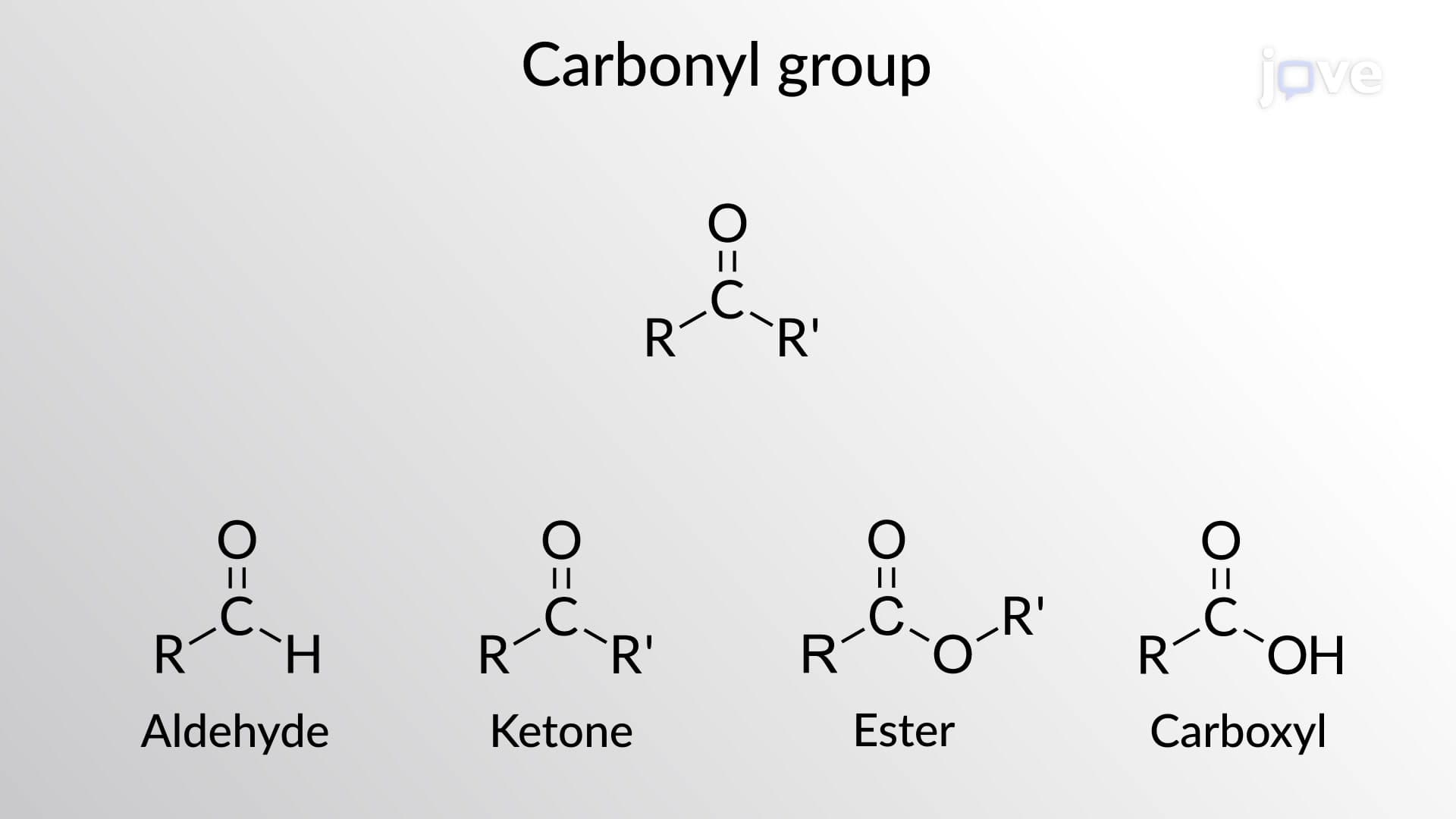

Video Summary: What are Functional Groups
Ever wonder why alcohol dissolves in water but gasoline doesn't? The answer lies in functional groups, specific clusters of atoms that determine how molecules behave in chemical reactions. These molecular "personalities" explain everything from why aspirin reduces pain to how proteins fold in your cells. Understanding what are functional groups is crucial for mastering biochemistry, from the hydroxyl groups in glucose to the carboxyl groups in fatty acids used by pharmaceutical companies like Pfizer in drug development. Watch the full video on JoVE Coach to master this concept with expert-led visuals and step-by-step explanations.
Functional groups represent the cornerstone of organic chemistry and biochemistry, serving as the reactive "hotspots" that dictate molecular behavior. These specific arrangements of atoms act like molecular signatures, determining everything from water solubility to biological activity. In the human body, functional groups enable the precise chemical reactions that sustain life, from the phosphate groups in ATP that store cellular energy to the amino groups in neurotransmitters that transmit nerve signals.
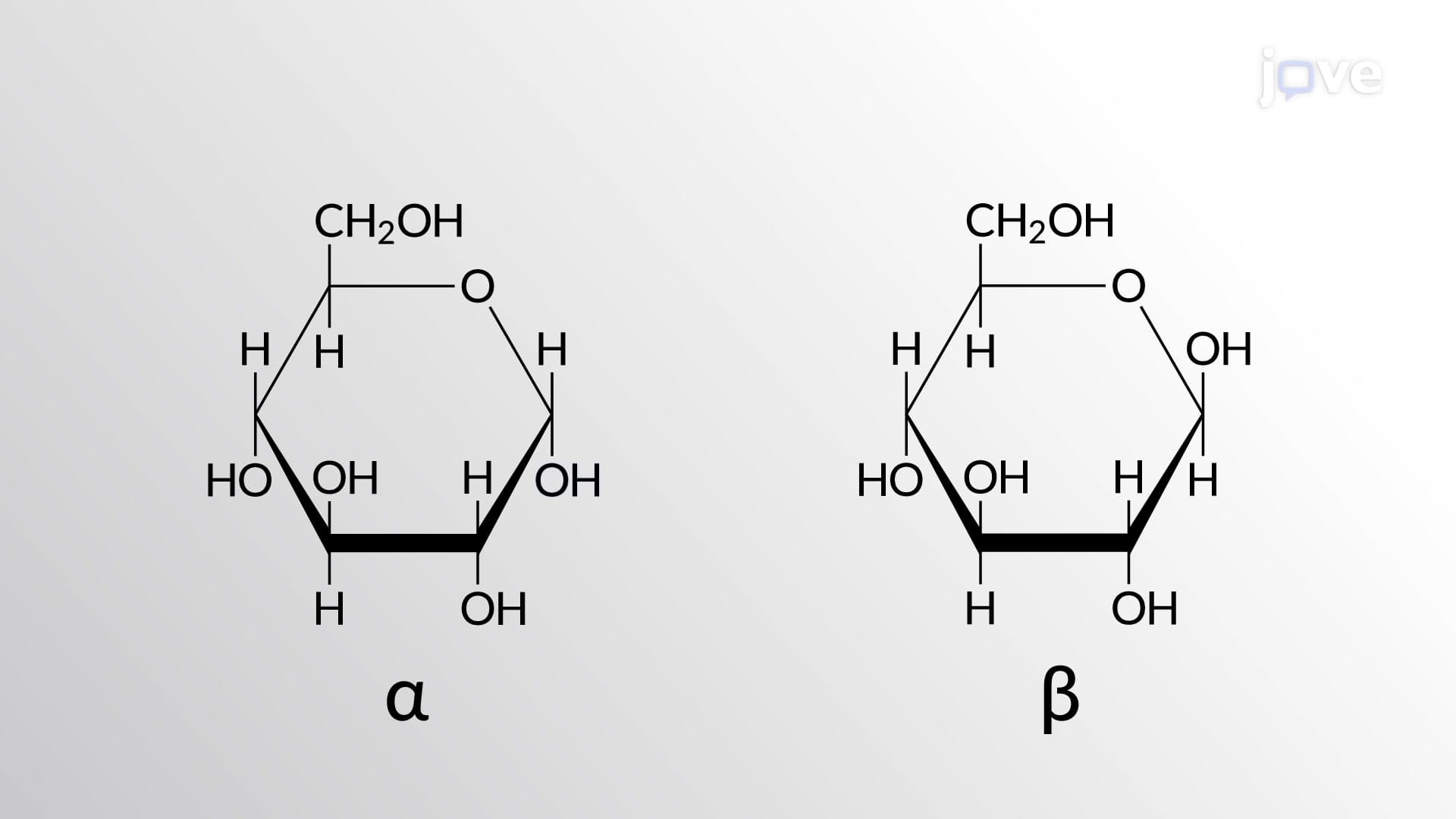
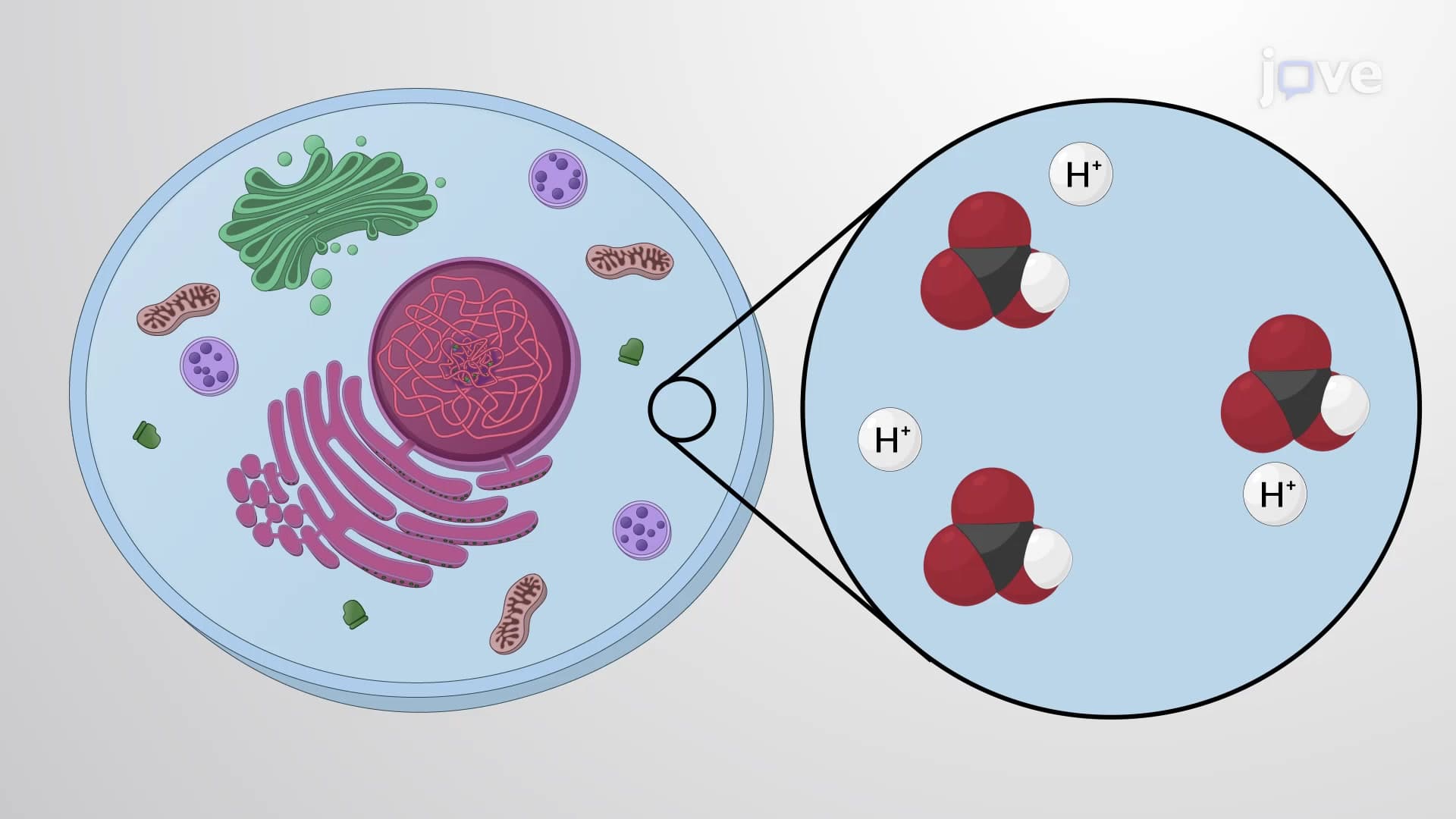
The six primary functional groups found in biological molecules each contribute unique chemical properties. Hydroxyl groups (-OH) create polar, water-soluble molecules like glucose and ethanol, explaining why sugar dissolves readily in blood. Carbonyl groups (C=O) appear in aldehydes and ketones, including the ketone bodies produced during diabetes. Carboxyl groups (-COOH) make molecules acidic, as seen in fatty acids and amino acids, while amino groups (-NH2) provide basic properties essential for protein structure and enzyme function.
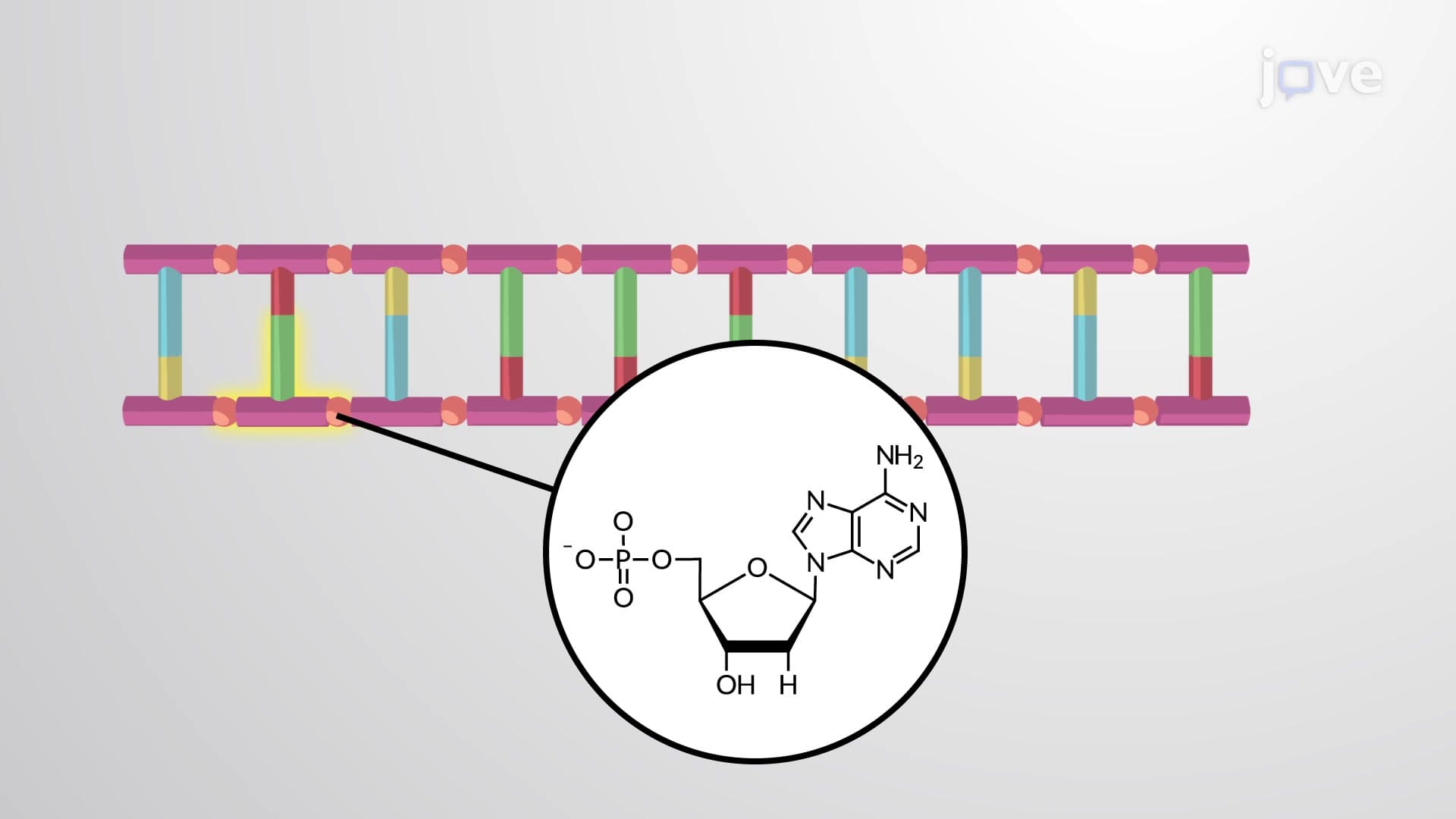
Phosphate groups (-PO4³⁻) carry multiple negative charges, making them crucial for energy storage in molecules like ATP and for the backbone structure of DNA and RNA. Sulfhydryl groups (-SH) form disulfide bridges that stabilize protein structures, particularly important in keratin found in hair and nails.
Understanding functional groups proves essential for students pursuing healthcare careers and MCAT preparation. Pharmaceutical companies like Johnson & Johnson modify functional groups to optimize drug properties, adding hydroxyl groups increases water solubility, while removing them enhances membrane permeability. Aspirin's effectiveness stems from its carboxyl and ester functional groups, which allow it to inhibit cyclooxygenase enzymes and reduce inflammation.
For AP Chemistry and college organic chemistry courses, recognizing functional groups becomes critical for predicting reaction outcomes and understanding biological processes. Students frequently encounter these concepts on the MCAT, where questions integrate functional group knowledge with biochemistry and physiology. Practice identifying functional groups in biomolecules helps build the foundation for advanced topics like enzyme kinetics, metabolic pathways, and drug mechanisms, knowledge essential for pre-med students and those entering biotechnology fields.
Related Micro-courses