Loading video…


 12 Concepts
 181.2K views

Video Summary: What Is Structure of Lipids
Did you know that the cell membrane surrounding every human cell contains over 50 different types of lipids, each with a unique structure of lipids that determines its function? The structure of lipids includes hydrocarbon chains and polar head groups that enable these molecules to form selective barriers essential for life. Consider how cholesterol in your cell membranes prevents them from becoming too rigid in cold weather-this is structure determining function in action. Watch the full video on JoVE Coach to master this concept with expert-led visuals and step-by-step explanations.
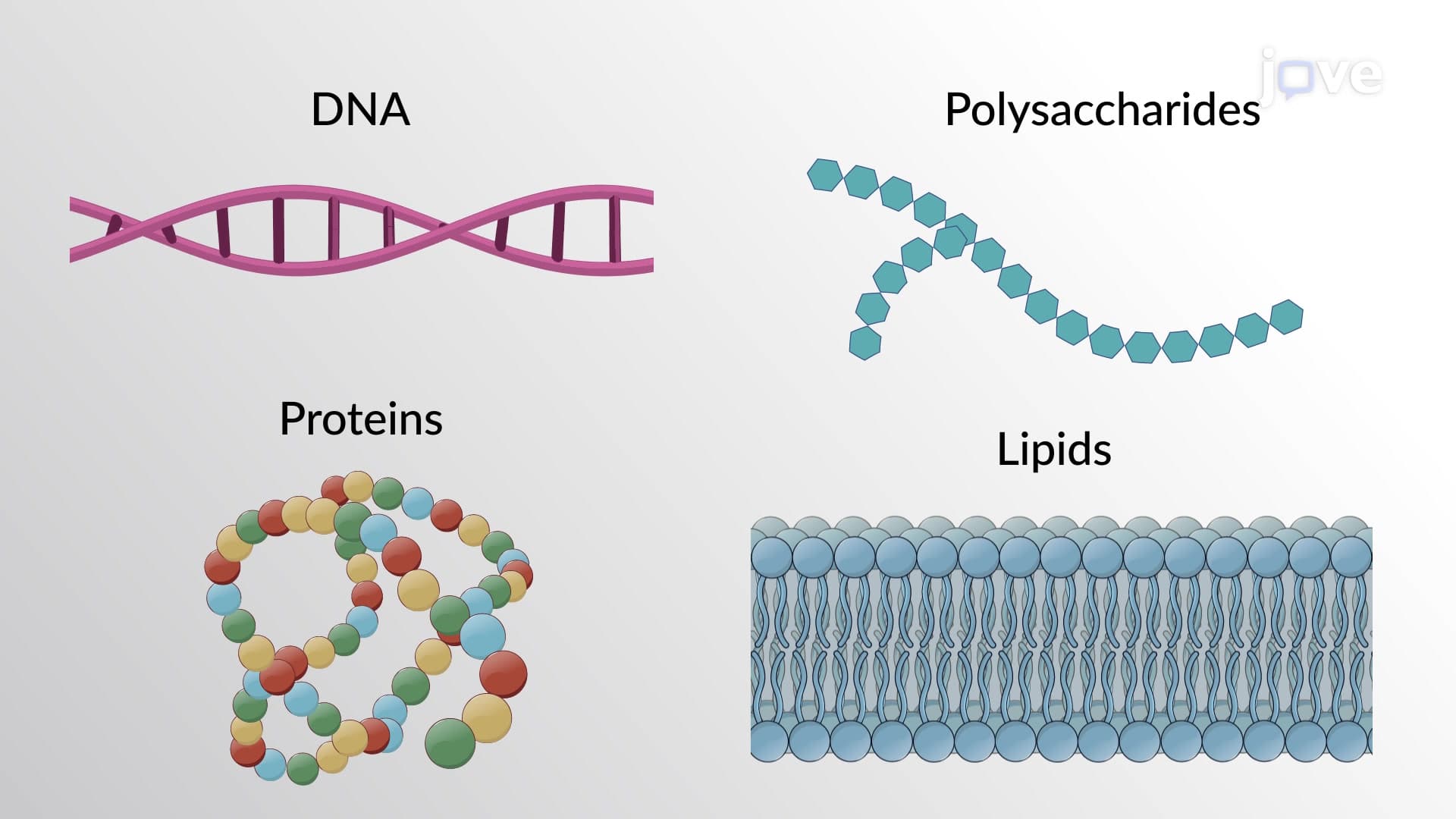
The structure of lipids represents one of biology's most elegant examples of form following function. Unlike carbohydrates or proteins, lipids are primarily defined by their physical properties rather than a common structural motif-they are largely hydrophobic (water-fearing) molecules that play crucial roles in energy storage, membrane formation, and cellular signaling.
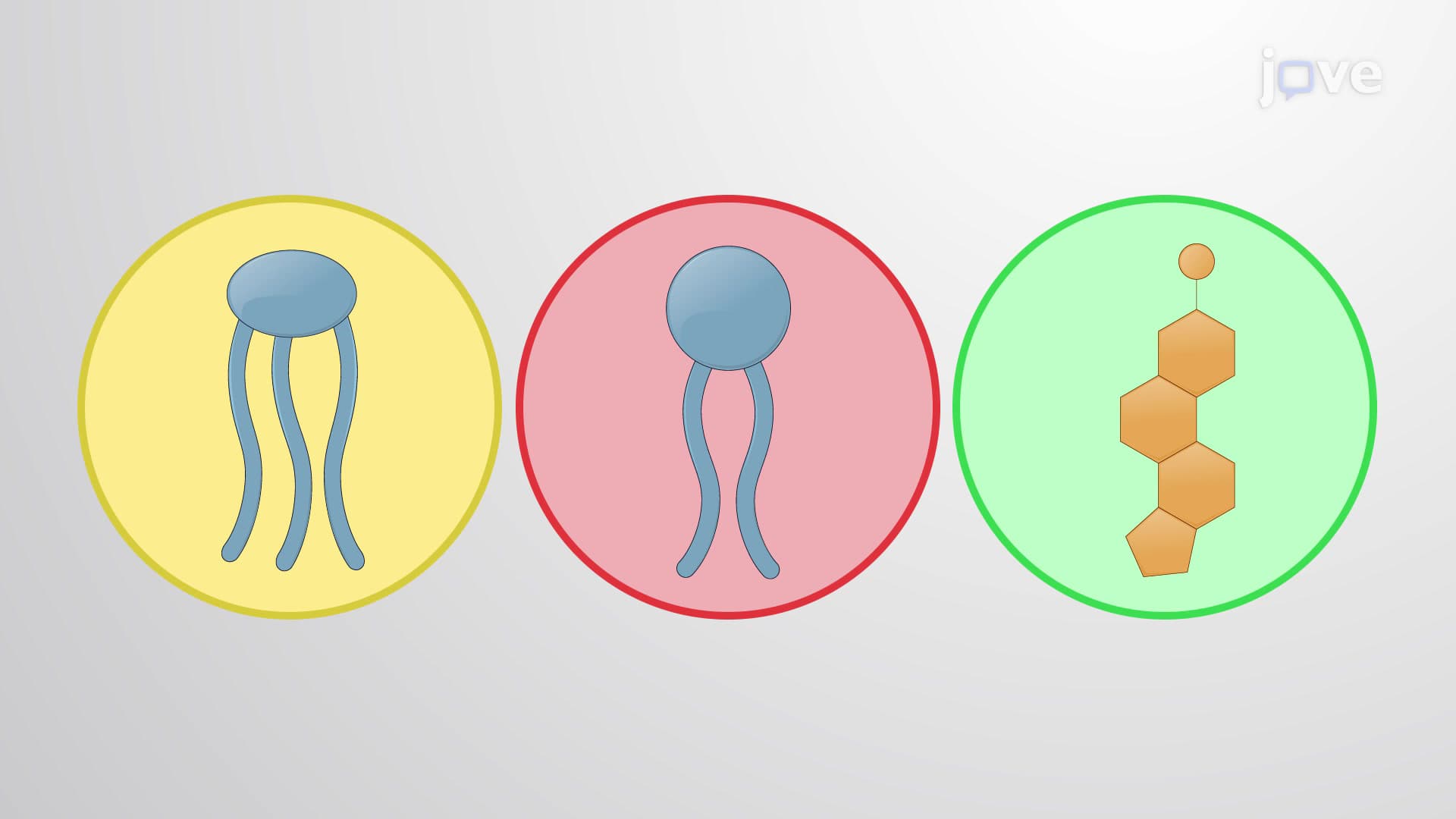
Triglycerides serve as the body's primary energy storage molecules, featuring a glycerol backbone connected to three fatty acid chains. This structure appears in everything from the olive oil in your kitchen to the adipose tissue that insulates your body. The fatty acid chains can be saturated (no double bonds) or unsaturated (containing double bonds), which dramatically affects their physical properties.
Phospholipids represent the structural foundation of all cell membranes. These amphipathic molecules contain a glycerol backbone, two fatty acids, and a phosphate-containing head group. The most abundant phospholipid in human cell membranes is phosphatidylcholine, which makes up about 50% of membrane lipids in liver cells.
Steroids feature a distinctive four-ring structure, with cholesterol being the most familiar example. Found in every animal cell membrane, cholesterol's rigid ring system provides structural stability while its hydroxyl group contributes to membrane organization.
The presence of double bonds in unsaturated fatty acids creates "kinks" in the hydrocarbon chain, preventing tight packing and maintaining membrane fluidity. This principle explains why fish living in cold Arctic waters have high concentrations of unsaturated fatty acids-their membranes remain flexible even at near-freezing temperatures.
Understanding lipid structure is essential for success on the MCAT, where questions frequently test knowledge of membrane composition and fatty acid properties. In AP Biology courses, students must explain how lipid structure enables selective permeability. Medical students studying for the USMLE encounter lipid metabolism disorders where structural knowledge helps explain pathophysiology, such as how defective cholesterol synthesis affects cell membrane integrity in Smith-Lemli-Opitz syndrome.
Related Micro-courses