Loading subject page…


23,901 views


Video Summary: What are Embryonic Stem Cells
Imagine cells so powerful they could potentially replace damaged heart tissue after a heart attack or restore insulin production in diabetic patients. Embryonic stem cells are remarkable undifferentiated cells from early mammalian embryos that possess unlimited self-renewal and can become any cell type in the human body. Researchers at Stanford University have used these pluripotent cells to develop potential treatments for spinal cord injuries. Understanding what are embryonic stem cells reveals how these biological building blocks could revolutionize regenerative medicine. Watch the full video on JoVE Coach to master this concept with expert-led visuals and step-by-step explanations.
Embryonic stem cells represent one of biology's most fascinating cellular phenomena. These extraordinary cells originate from the inner cell mass of blastocysts-embryos that have developed for 3-5 days after fertilization. Unlike adult stem cells found in bone marrow or fat tissue, embryonic stem cells possess two defining characteristics that make them uniquely valuable: pluripotency and unlimited self-renewal capacity.
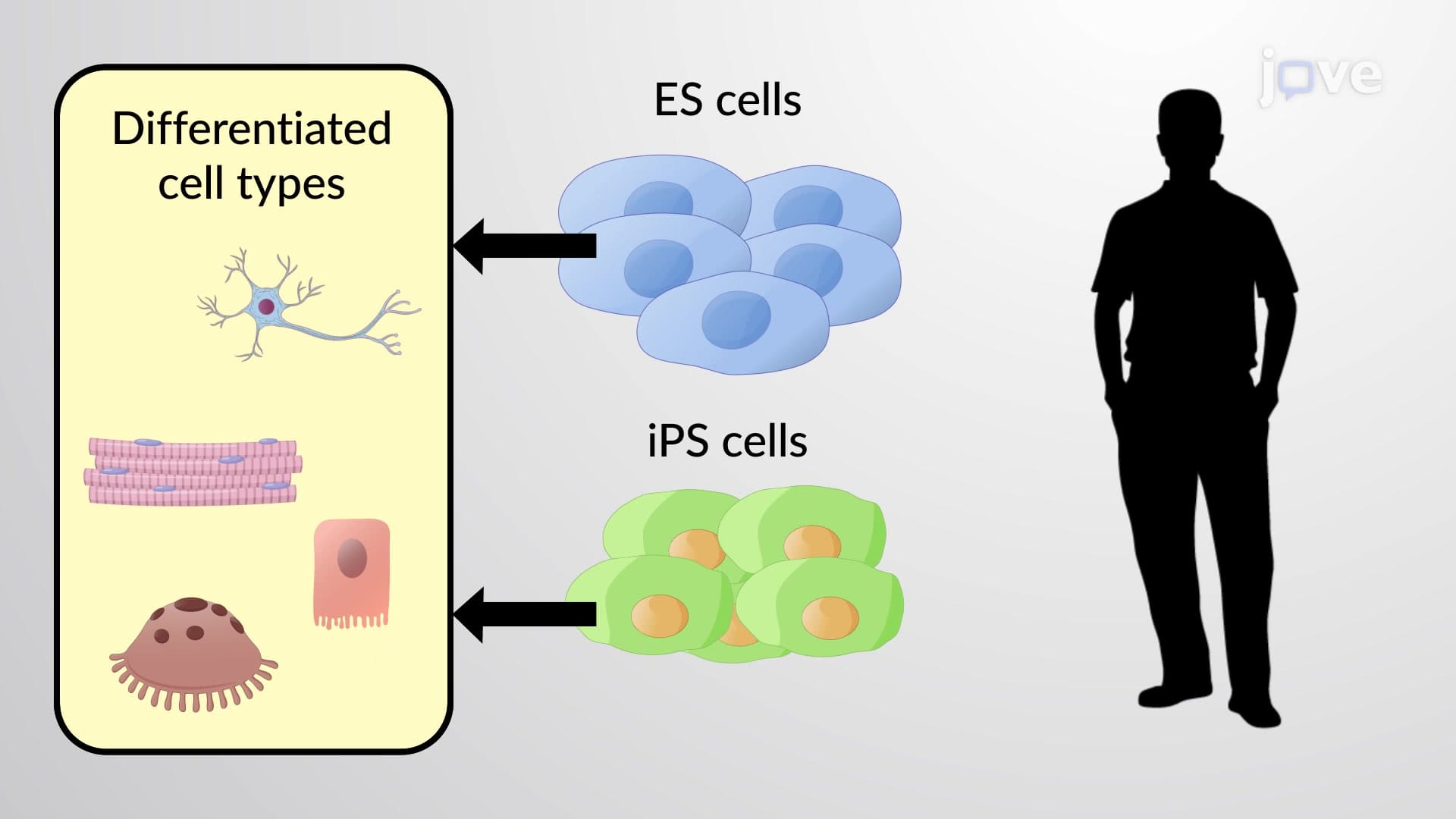
The embryonic stem cells definition centers on their undifferentiated state and remarkable potential. When scientists culture these cells in appropriate media, they can divide indefinitely while maintaining their capacity to become any of the 200+ cell types in the human body. This makes them fundamentally different from multipotent adult stem cells, which have more limited differentiation potential.
The concept of pluripotency is central to understanding embryonic stem cells biology explained. Through carefully controlled exposure to specific growth factors and signaling molecules, researchers can guide these cells down particular developmental pathways. For example, adding retinoic acid and specific neural growth factors can direct embryonic stem cells to become neurons, while different combinations can produce cardiomyocytes (heart muscle cells) or pancreatic beta cells.
This controlled differentiation process has enormous implications for regenerative medicine. At the University of California, San Francisco, researchers have successfully converted embryonic stem cells into dopamine-producing neurons for potential Parkinson's disease treatments. Similarly, teams at Harvard Medical School have generated insulin-producing cells that could potentially treat Type 1 diabetes.
Current embryonic stem cells research in the United States focuses on three primary applications. First, drug screening platforms allow pharmaceutical companies to test potential medications on human-derived cells before expensive clinical trials. Second, disease modeling helps scientists understand genetic disorders by creating diseased cell types in laboratory conditions. Third, and most ambitiously, tissue regeneration research aims to replace damaged organs or tissues.
Students preparing for the MCAT or AP Biology exams should understand that embryonic stem cell research intersects with multiple biological concepts including cell cycle regulation, gene expression, and developmental biology. The ability to explain how transcription factors like Oct4, Sox2, and Nanog maintain stemness is crucial for advanced coursework in cell biology and biochemistry.
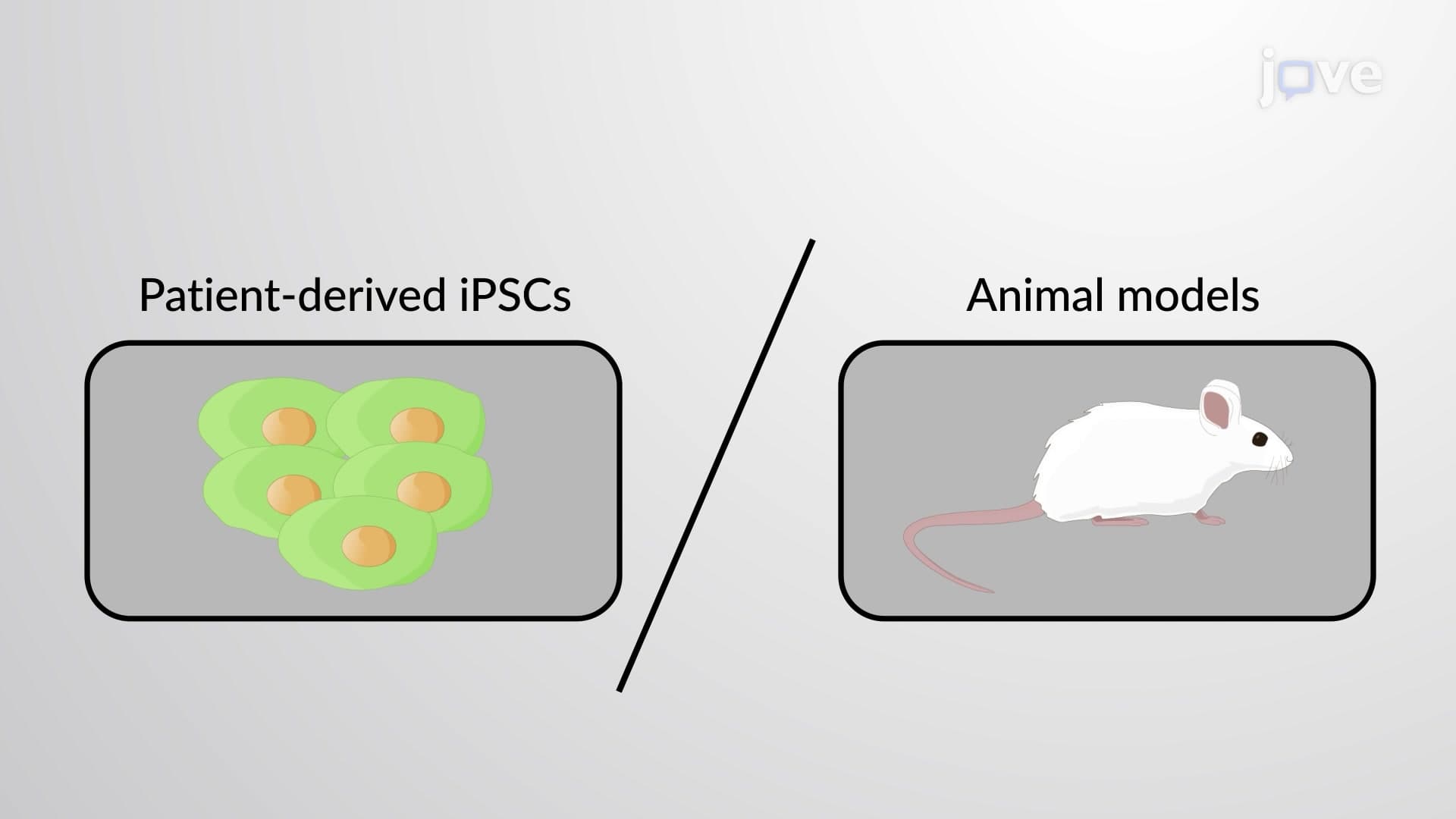
The embryonic stem cells study guide wouldn't be complete without addressing the ethical dimensions that shape research policy. Since human embryonic stem cells require embryo destruction during extraction, federal funding restrictions have influenced research directions. This has led to breakthrough developments in induced pluripotent stem cells (iPSCs), where adult cells are reprogrammed to embryonic-like states using specific transcription factors-work that earned Shinya Yamanaka the Nobel Prize in 2012.
Related Micro-courses