Loading subject page…


23,901 views

Video Summary: What are Eps and Ips Cells
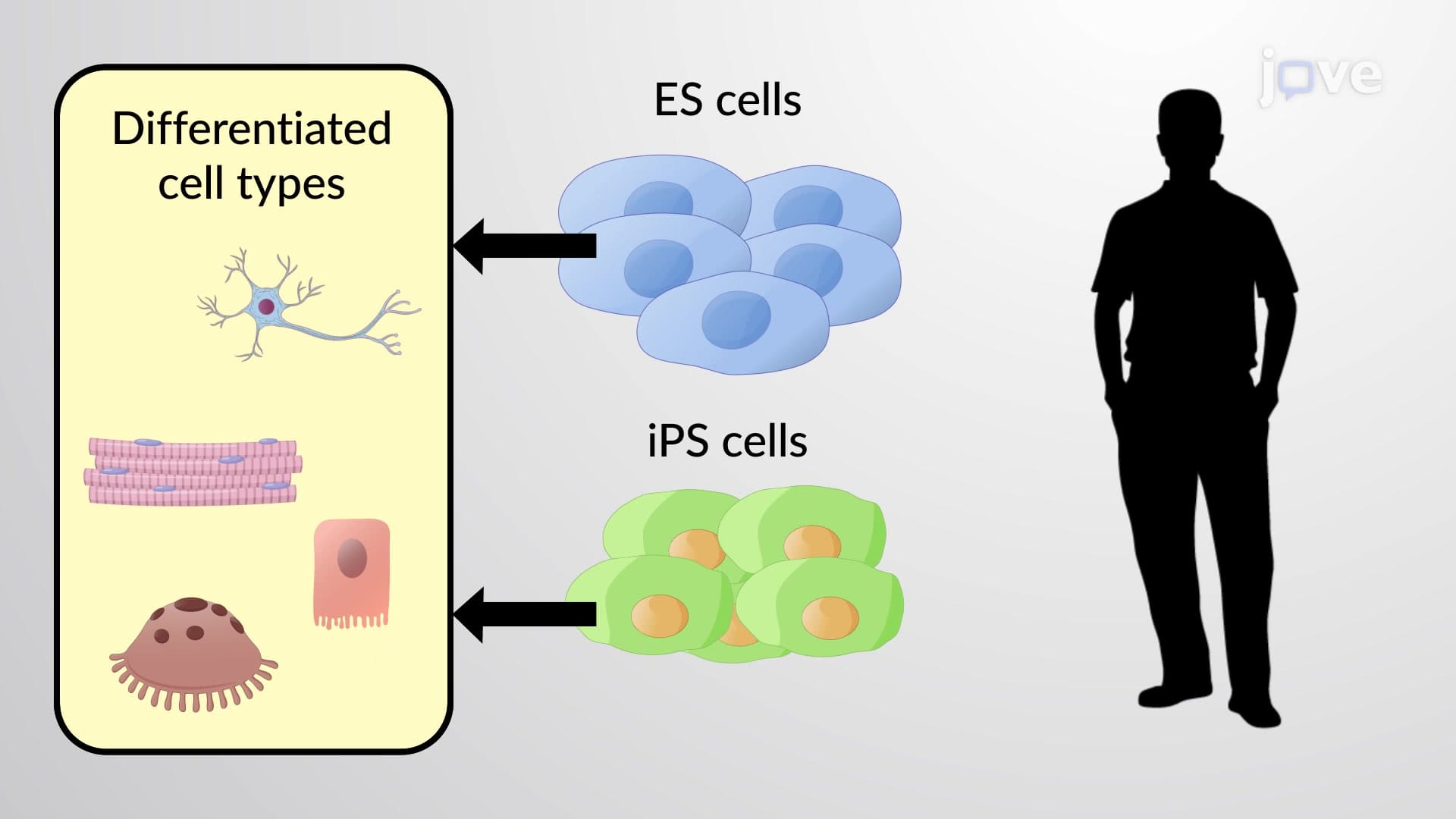
Did you know that Stanford researchers can transform your skin cells into heart muscle cells? EPS and IPS cells are revolutionary stem cell types that can become virtually any cell in the human body, making them invaluable for modeling diseases like Parkinson's and testing new medications. These pluripotent powerhouses are helping scientists at institutions like Johns Hopkins develop personalized treatments by creating patient-specific cell lines. Understanding what are EPS and IPS cells opens doors to comprehending modern regenerative medicine and drug discovery. Watch the full video on JoVE Coach to master this concept with expert-led visuals and step-by-step explanations.
EPS (Embryonic Pluripotent Stem) cells and IPS (Induced Pluripotent Stem) cells represent two of the most significant breakthroughs in modern biomedical research. While both cell types share the remarkable ability to differentiate into virtually any cell type in the human body, their origins and methods of derivation differ substantially. EPS cells are derived directly from early-stage embryos, typically from the inner cell mass of blastocysts, while IPS cells are created by reprogramming adult somatic cells back to a pluripotent state.
The creation of IPS cells involves a sophisticated process discovered by Nobel laureate Shinya Yamanaka, where adult cells like skin fibroblasts are treated with specific transcription factors (Oct4, Sox2, Klf4, and c-Myc). This cocktail of factors essentially "rewinds" the cellular clock, erasing the cell's specialized identity and returning it to an embryonic-like state. Research institutions across the United States, including Harvard's Stem Cell Institute and the University of California's stem cell programs, have refined these techniques to create IPS cells with increasing efficiency and safety.
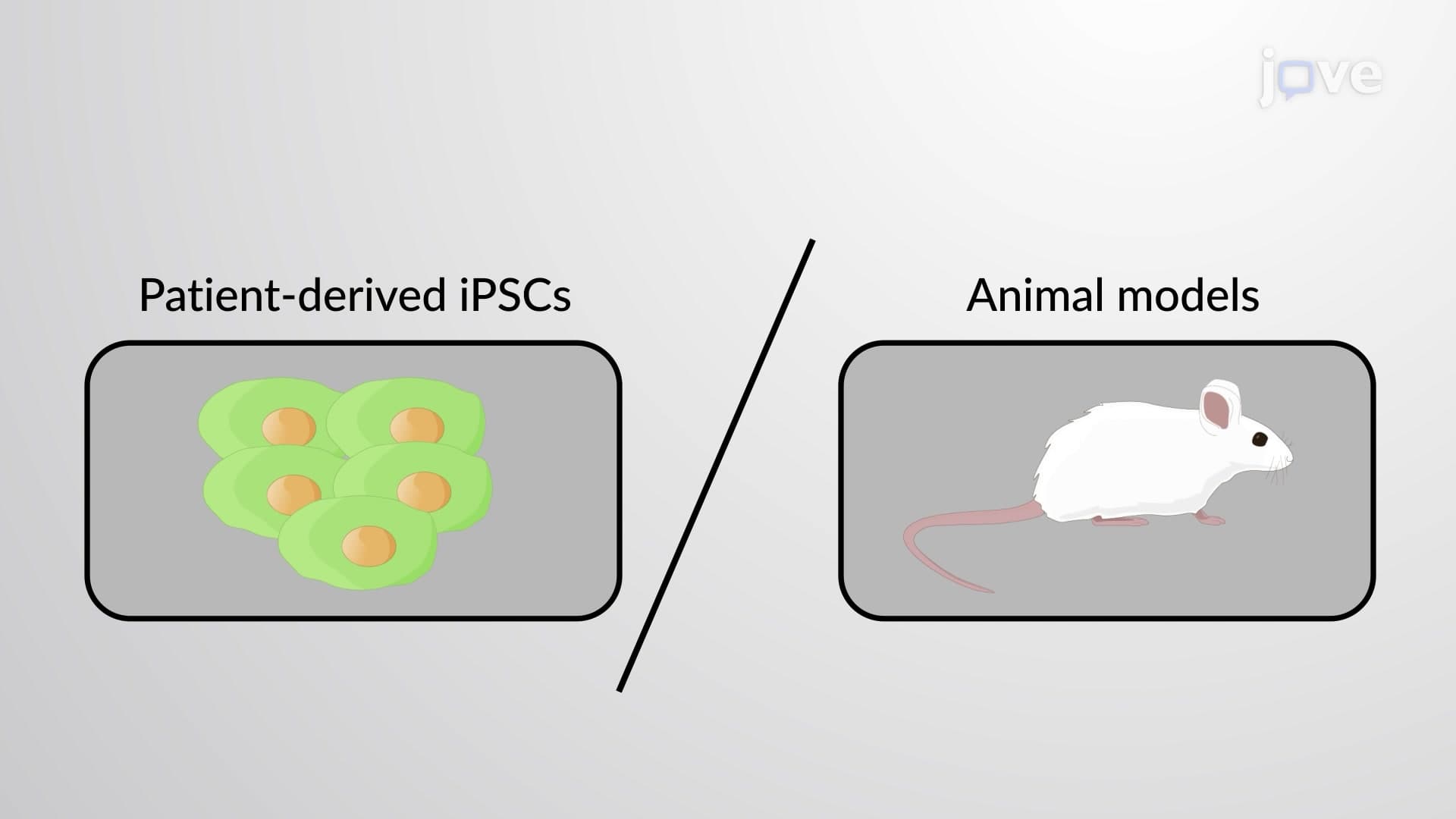
Both EPS and IPS cells have revolutionized disease modeling, particularly for conditions that are difficult to study in traditional laboratory settings. At institutions like the Mayo Clinic and Cleveland Clinic, researchers use patient-derived IPS cells to model neurological disorders such as Alzheimer's disease, ALS, and Huntington's disease. For students preparing for the MCAT or AP Biology exams, understanding these applications demonstrates how basic cell biology translates into clinical medicine. The ability to create disease-specific cell lines allows researchers to observe pathological processes in real-time and test potential treatments in a controlled environment.
The pharmaceutical industry has embraced these stem cell technologies for drug screening and safety testing. Companies like Pfizer and Johnson & Johnson use IPS cell-derived tissues to test drug toxicity before human trials, potentially reducing the need for animal testing while providing more human-relevant data. This approach is particularly valuable for assessing cardiotoxicity and hepatotoxicity, two major causes of drug failure in clinical trials. For college students studying biochemistry or pre-med tracks, understanding these applications provides insight into how modern drug development integrates cutting-edge cell biology with traditional pharmacology.
Related Micro-courses