Loading subject page…


23,901 views
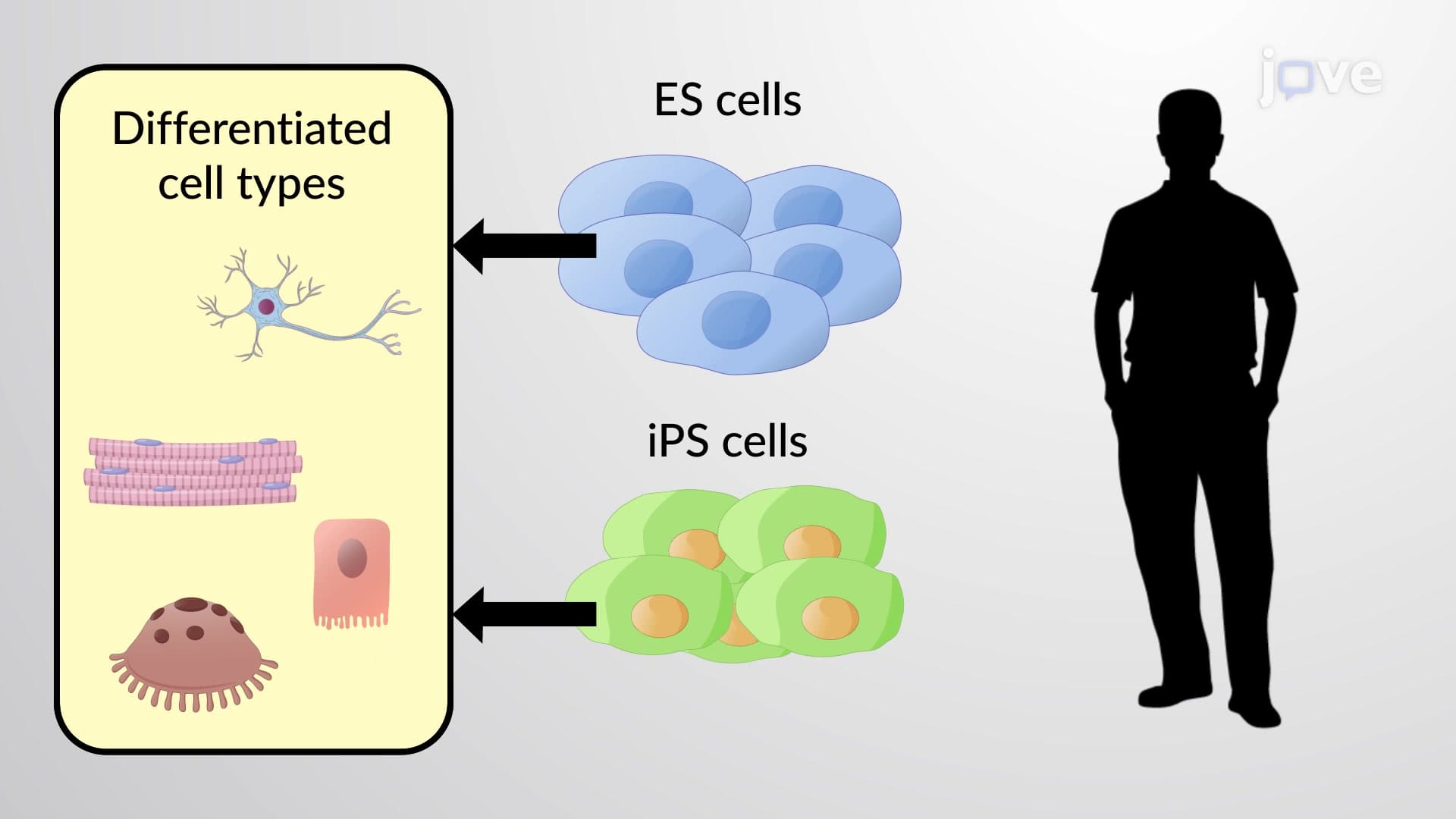

Video Summary: What are Induced Pluripotent Stem Cells
Imagine transforming your ordinary skin cells into powerful medical tools that could regenerate damaged heart tissue or treat Parkinson's disease. Induced pluripotent stem cells make this revolutionary concept possible by reprogramming adult cells back to an embryonic-like state. Researchers at Stanford University have used these cells to create functional neurons for treating spinal cord injuries, demonstrating their incredible therapeutic potential. Understanding what are induced pluripotent stem cells opens doors to personalized medicine without ethical concerns of embryonic stem cell research. Watch the full video on JoVE Coach to master this concept with expert-led visuals and step-by-step explanations.
Induced pluripotent stem cells represent one of the most significant breakthroughs in modern regenerative medicine. These remarkable cells are created by reprogramming ordinary adult cells-typically skin fibroblasts-back to an embryonic-like state where they regain the ability to differentiate into virtually any cell type in the human body. The groundbreaking work by Dr. Shinya Yamanaka, which earned him the 2012 Nobel Prize in Physiology or Medicine, fundamentally changed how scientists approach stem cell research and therapeutic applications.
The transformation of adult cells into iPS cells involves introducing four critical transcription factors, known as the Yamanaka factors: Oct4, Sox2, Klf4, and c-Myc. These proteins work together to "reset" the cell's genetic program, gradually erasing the molecular signatures that define specialized cell types. The process typically takes 2-4 weeks and involves viral vectors-commonly retroviruses or lentiviruses-that deliver these reprogramming genes directly into the cell's nucleus. As these transcription factors are expressed, they activate dormant pluripotency networks while simultaneously silencing genes responsible for maintaining differentiated cell identity.
Major medical institutions across the United States are actively pursuing iPS cell therapies. The California Institute for Regenerative Medicine has funded multiple trials investigating iPS-derived treatments for macular degeneration, with early results showing promise for vision restoration. At Memorial Sloan Kettering Cancer Center, researchers are developing iPS-derived immune cells for cancer immunotherapy. These patient-specific treatments offer unprecedented advantages: because the cells originate from the patient's own body, they dramatically reduce the risk of immune rejection-a major limitation in traditional organ transplantation.
For students preparing for AP Biology, the MCAT, or college-level cell biology courses, understanding iPS cells is crucial for several key concepts. This technology directly relates to gene expression regulation, cell cycle control, and developmental biology principles frequently tested on standardized exams. Many universities, including Harvard Medical School and Johns Hopkins, now incorporate iPS cell research into their curriculum, making this knowledge essential for pre-med students. The ethical considerations surrounding iPS cells also provide excellent material for bioethics discussions, particularly when contrasted with embryonic stem cell research restrictions in the United States.
Related Micro-courses