Loading subject page…


23,900 views

Video Summary: What Is Chromatin Modification
Did you know that scientists at Stanford University have successfully reprogrammed adult skin cells into stem cells by manipulating chromatin modification? This groundbreaking process involves altering how DNA is packaged in our cells, essentially "unlocking" genes that were previously silenced. Chromatin modification refers to the chemical changes that occur to histone proteins and DNA, controlling which genes are turned on or off without changing the DNA sequence itself. These modifications act like molecular switches, determining cell fate and function. Watch the full video on JoVE Coach to master this concept with expert-led visuals and step-by-step explanations.
Chromatin modification represents one of the most elegant regulatory systems in molecular biology. At its core, this process involves chemical changes to the proteins and DNA that make up chromatin-the complex structure that packages our genetic material inside cell nuclei. Unlike genetic mutations that permanently alter DNA sequences, chromatin modifications are reversible changes that control gene accessibility and expression.
Think of chromatin as a vast library where books (genes) are stored on shelves (chromosomes). Chromatin modifications act like librarians, deciding which books are easily accessible on display tables versus those locked away in storage. This analogy becomes particularly relevant when studying for AP Biology or college-level molecular biology courses, where understanding gene regulation is crucial.
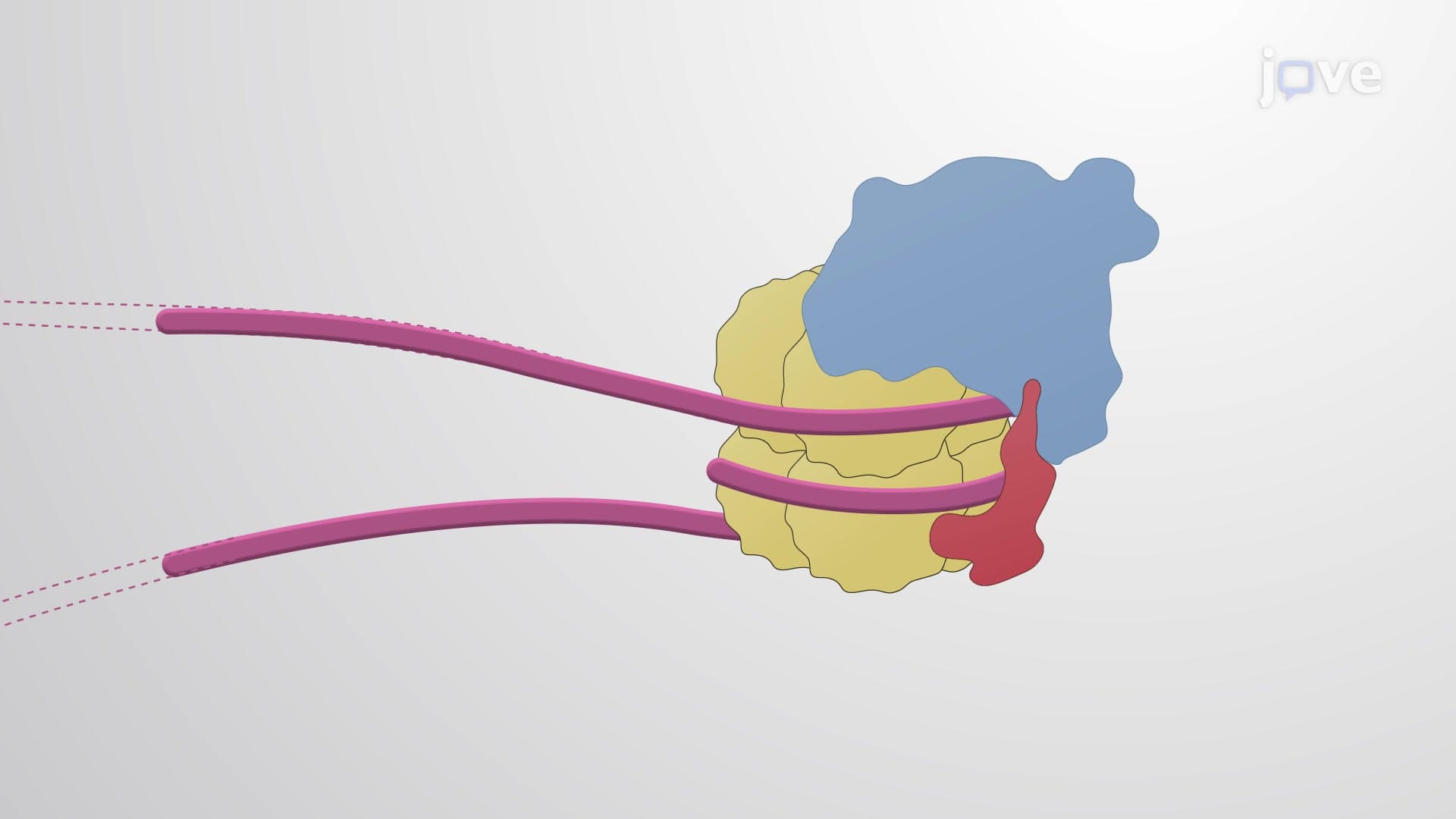
The foundation of chromatin modification lies in the nucleosome structure-DNA wrapped around histone proteins like thread around a spool. These histones contain "tails" that extend outward, serving as platforms for chemical modifications. The two most studied modifications are methylation and acetylation, each producing opposite effects on gene expression.
Methylation typically acts as a "silencing" mark, strengthening the interaction between histones and DNA. When methyl groups are added to specific amino acids on histone tails, the chromatin becomes more condensed, making genes less accessible to transcription machinery. This process is particularly important during cellular differentiation, where certain genes must be permanently silenced as cells specialize.
Conversely, acetylation functions as an "activation" signal. Histone acetyltransferases (HATs) add acetyl groups to histone tails, weakening the histone-DNA interaction and creating a more open chromatin structure. This modification allows transcription factors and RNA polymerase to access genes more easily, promoting active transcription.
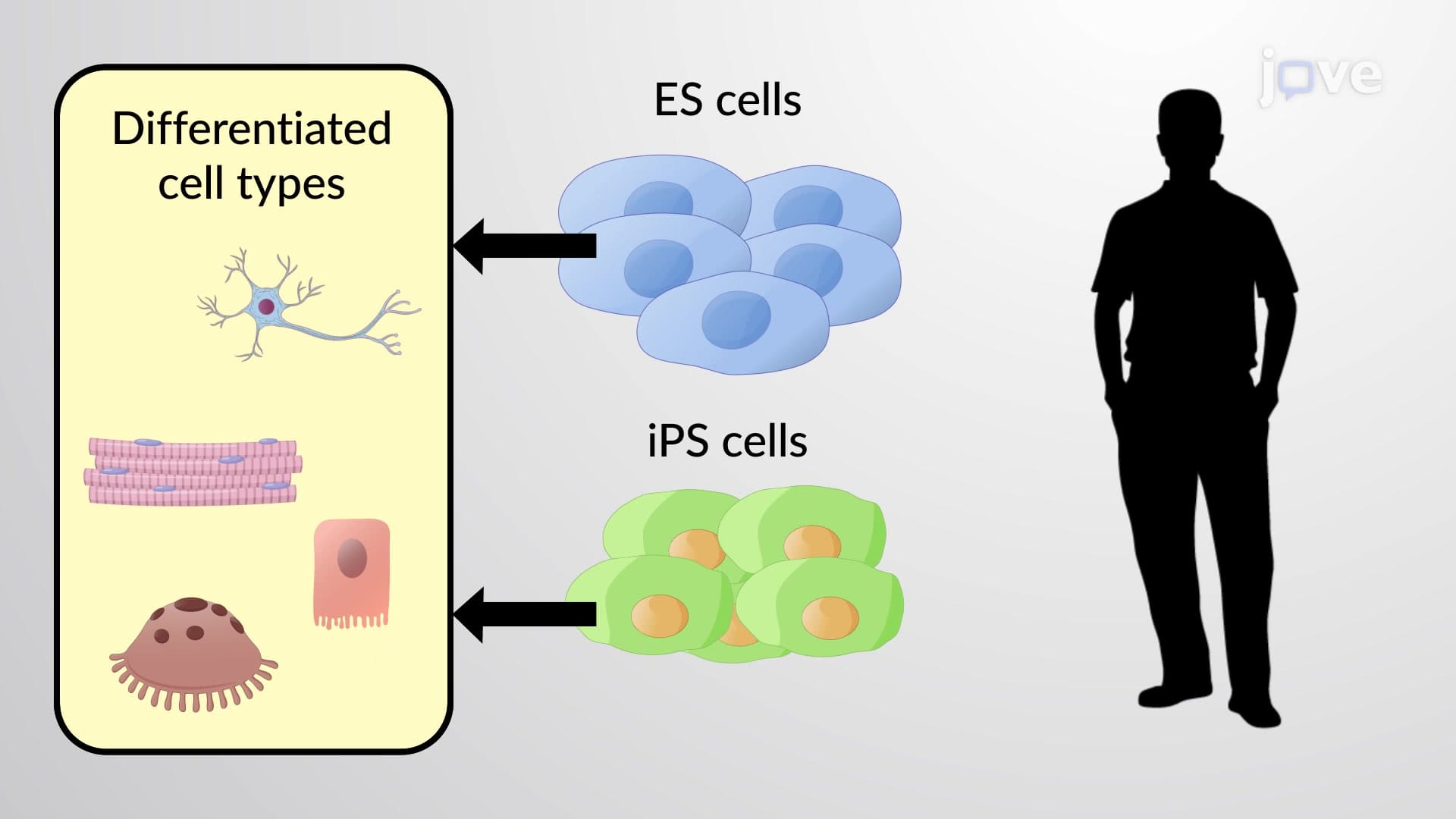
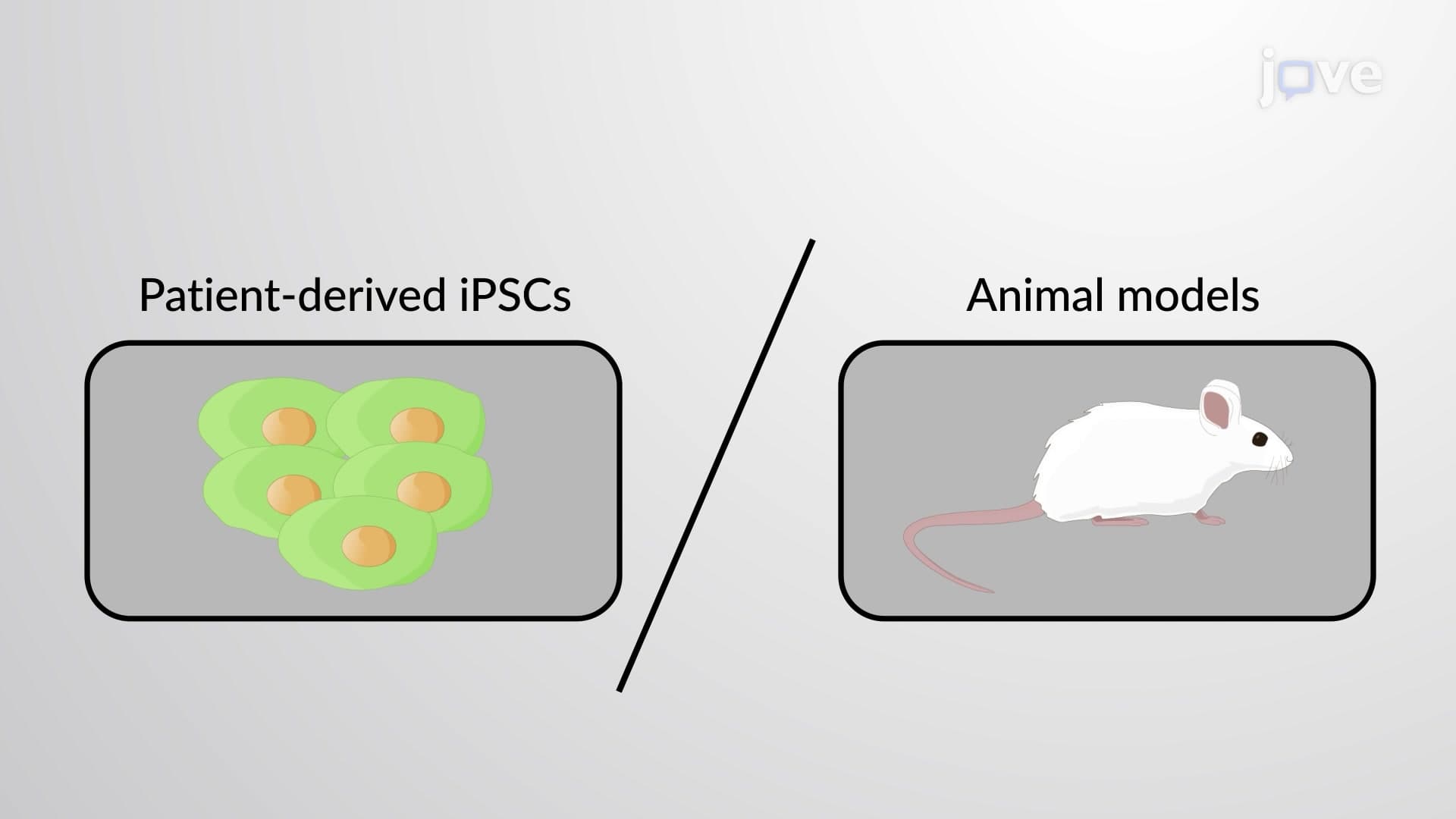
Chromatin modification has revolutionized regenerative medicine, particularly in induced pluripotent stem cell (iPSC) research. Scientists at institutions like Harvard and MIT have demonstrated that manipulating chromatin modifications can reprogram adult cells back to an embryonic-like state. This breakthrough earned Shinya Yamanaka the Nobel Prize and opened new avenues for treating diseases like Parkinson's, diabetes, and spinal cord injuries.
The incorporation of histone variants, such as H2A.Z, represents another layer of chromatin regulation. These variant histones can replace canonical histones in nucleosomes, creating specialized chromatin domains with unique regulatory properties. Research at UCSF has shown that H2A.Z incorporation is essential for maintaining stem cell identity and facilitating cellular reprogramming.
For students preparing for the MCAT or advanced biology coursework, understanding these mechanisms is essential, as questions frequently test knowledge of epigenetic regulation and its clinical implications in cancer therapy and regenerative medicine.
Related Micro-courses