Loading subject page…


23,900 views

Video Summary: What Is Ips Cell Differentiation
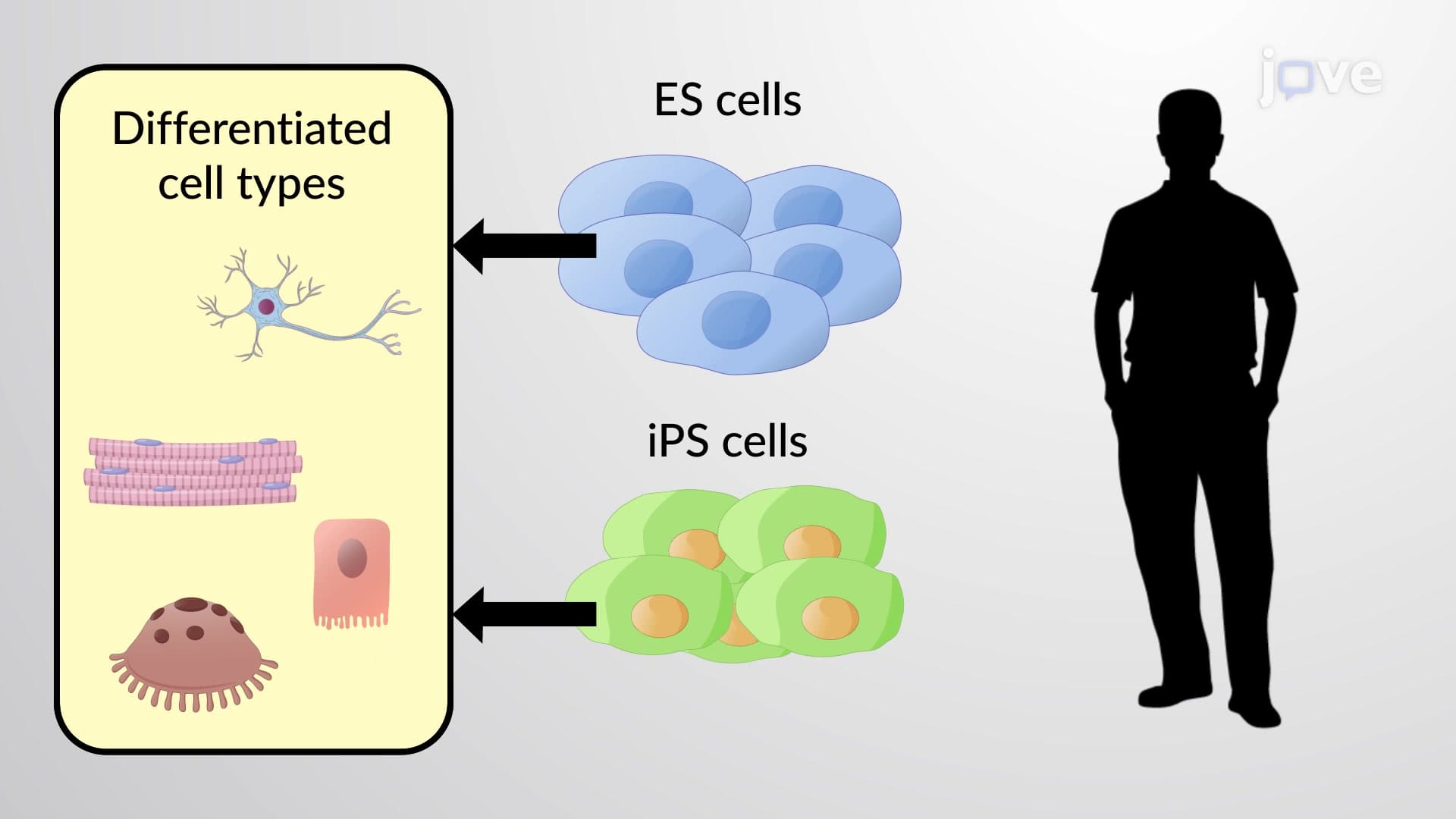
Did you know that scientists can transform a simple skin cell into a beating heart cell? Ips cell differentiation is the revolutionary process where induced pluripotent stem cells are guided to become specialized cell types like neurons, liver cells, or pancreatic beta cells. Researchers at Stanford University have successfully used this technique to create functional heart muscle cells for treating cardiac disease patients. What is ips cell differentiation becomes clearer when you understand it's like having a cellular GPS that directs stem cells to their final destination. Watch the full video on JoVE Coach to master this concept with expert-led visuals and step-by-step explanations.
Ips cell differentiation represents one of the most significant breakthroughs in modern biology, offering unprecedented control over cellular destiny. This process transforms induced pluripotent stem cells (iPS cells) from their flexible, "blank slate" state into highly specialized cell types that perform specific functions in the human body. Unlike natural development where cells follow predetermined pathways, scientists can now orchestrate this transformation in laboratory settings using precise molecular cues.
The foundation of iPS cell differentiation lies in recapitulating developmental biology principles. During normal embryonic development, cells receive specific signals at precise times that guide their specialization. Researchers have decoded many of these signals, allowing them to recreate developmental pathways in culture dishes. This controlled approach has revolutionized fields from drug discovery to personalized medicine.
Two primary strategies dominate the field of iPS cell differentiation. The embryoid body (EB) method mimics early embryonic development by allowing iPS cells to form three-dimensional clusters that spontaneously organize into tissue-like structures. These spherical aggregates contain cells representing all three primary germ layers-ectoderm, mesoderm, and endoderm-which then differentiate into specific cell types when exposed to appropriate signals.
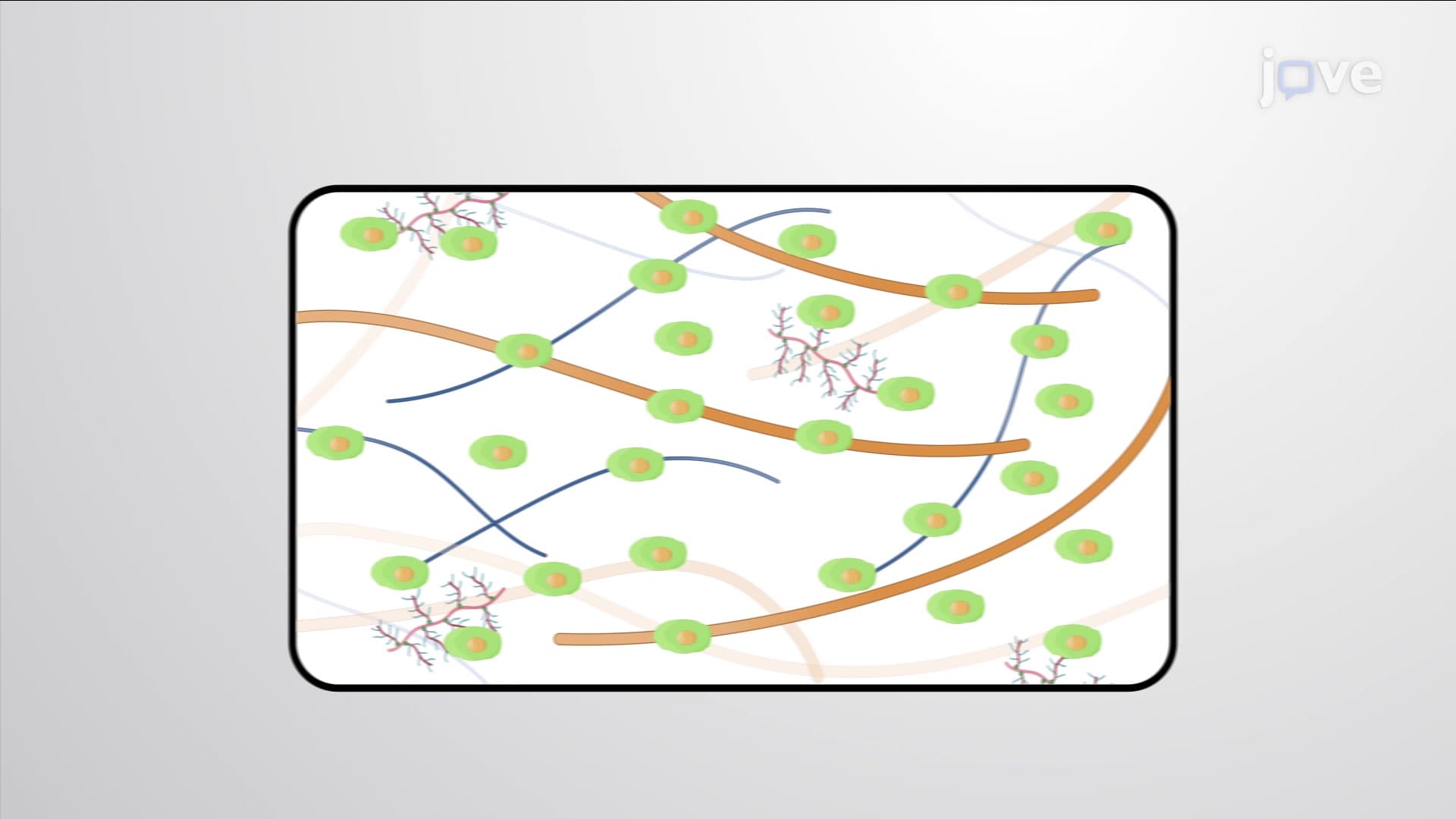
The direct differentiation approach bypasses embryoid body formation entirely. Instead, iPS cells grow on specially designed scaffolds coated with extracellular matrix proteins like laminin, fibronectin, or collagen. These scaffolds provide crucial structural and biochemical cues that guide cells directly toward their target identity. This method often proves more efficient and controllable than EB-based protocols.
Success in iPS cell differentiation depends heavily on precise timing and concentration of growth factors. Scientists add specific proteins like bone morphogenetic proteins (BMPs), fibroblast growth factors (FGFs), or Wnt signaling molecules at carefully orchestrated time points. For neuronal differentiation, researchers might first expose cells to neural induction factors, then add neurotrophic factors to promote specific neuronal subtypes.
The temporal aspect proves crucial-adding the wrong factor too early or too late can derail the entire process. This principle mirrors natural development, where cells must progress through distinct stages before achieving their final identity. Many protocols span weeks, with researchers monitoring cellular markers to ensure proper progression through intermediate stages.
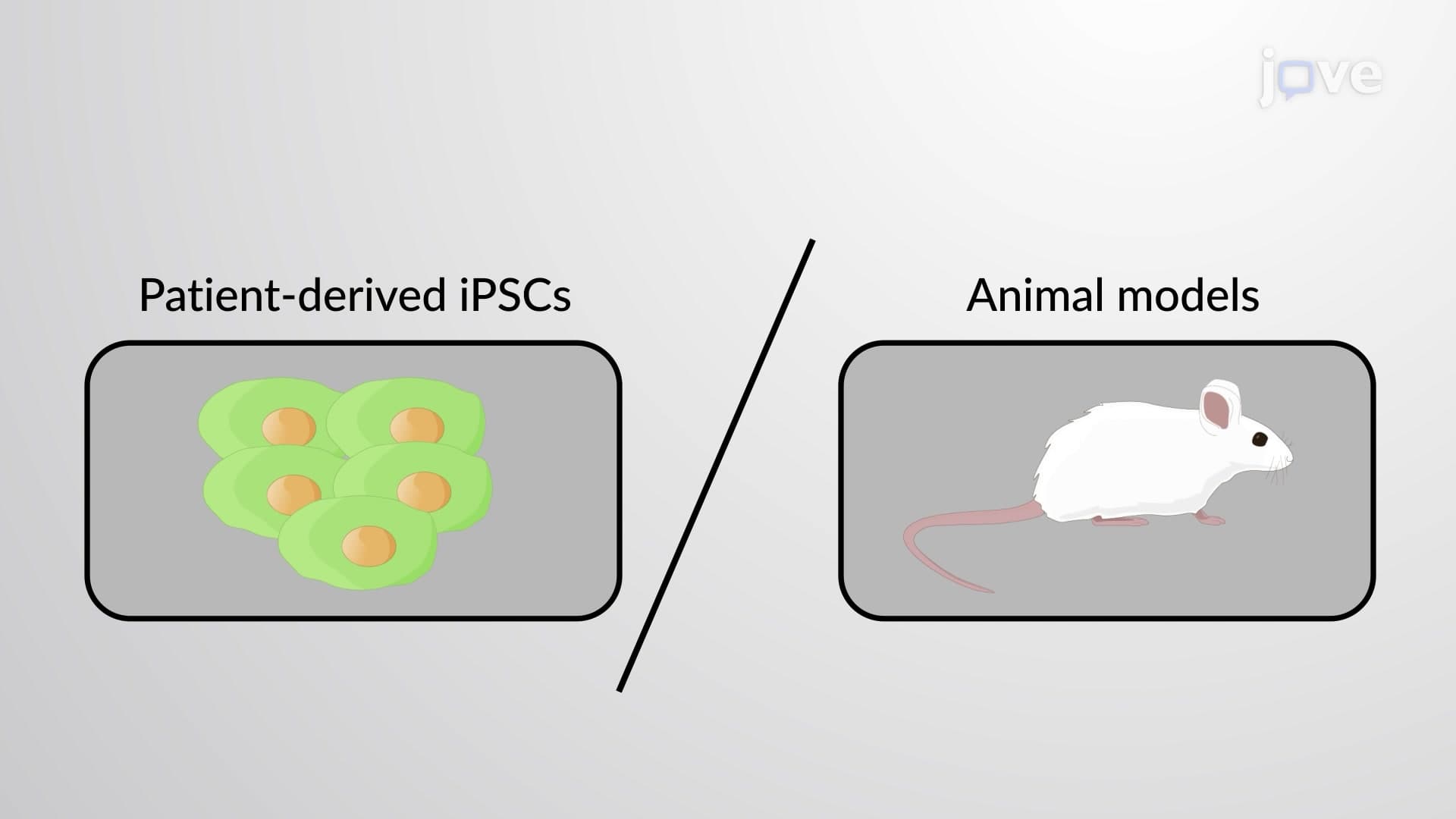
Institutions like the Mayo Clinic and Johns Hopkins University are pioneering clinical applications of iPS cell differentiation. These differentiated cells serve multiple purposes: disease modeling using patient-specific cells, drug screening platforms, and potential cell replacement therapies. For students preparing for the MCAT or AP Biology exams, understanding these applications demonstrates the real-world relevance of cellular biology concepts.
The technology particularly excites researchers working on neurodegenerative diseases, diabetes, and heart disease-conditions where cell replacement could provide therapeutic benefits. As techniques improve and costs decrease, iPS cell differentiation may become a standard tool in personalized medicine.
Related Micro-courses