Loading subject page…


23,901 views


Video Summary: What Is Maintenance Es Cell State
Ever wonder how scientists grow stem cells in laboratories at Stanford or Harvard for decades without them turning into specific cell types? The maintenance es cell state is the remarkable biological process that keeps embryonic stem cells in their original, undifferentiated form while allowing unlimited division. Specialized molecular machinery including telomerase enzymes, transcription factors like Oct4 and Sox2, and regulatory microRNAs work together to preserve this pluripotent condition. This process enables researchers at institutions like the California Institute for Regenerative Medicine to develop potential treatments for spinal cord injuries and diabetes. Watch the full video on JoVE Coach to master this concept with expert-led visuals and step-by-step explanations.
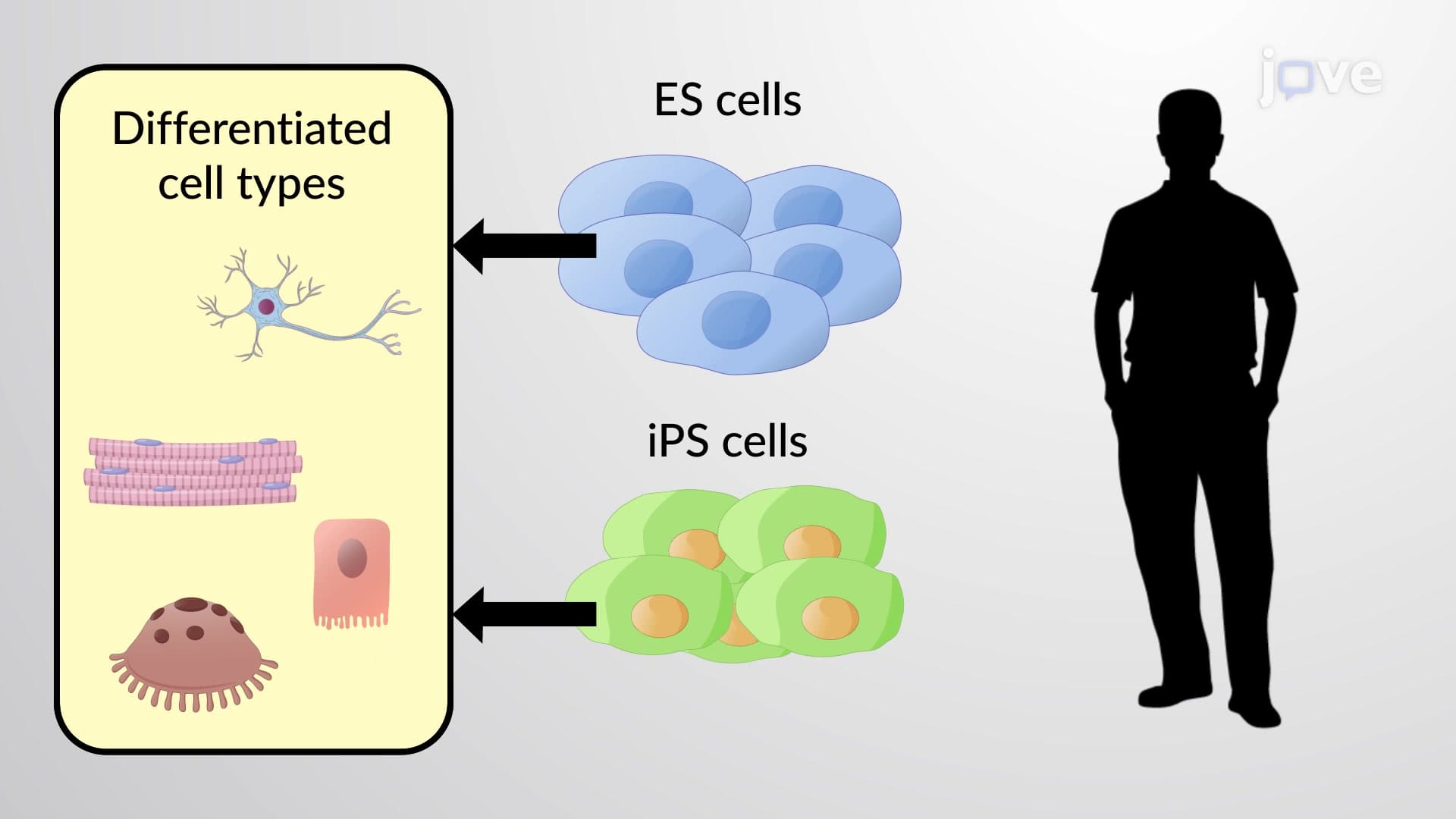
The maintenance es cell state represents one of biology's most sophisticated regulatory systems, ensuring that embryonic stem cells retain their unique properties indefinitely in laboratory conditions. Unlike most adult cells that have predetermined fates, ES cells must balance two competing demands: unlimited self-renewal and preservation of their ability to become any cell type in the body. This delicate equilibrium requires precise molecular control mechanisms that students encounter in Advanced Placement Biology, college-level cell biology courses, and pre-medical curricula.
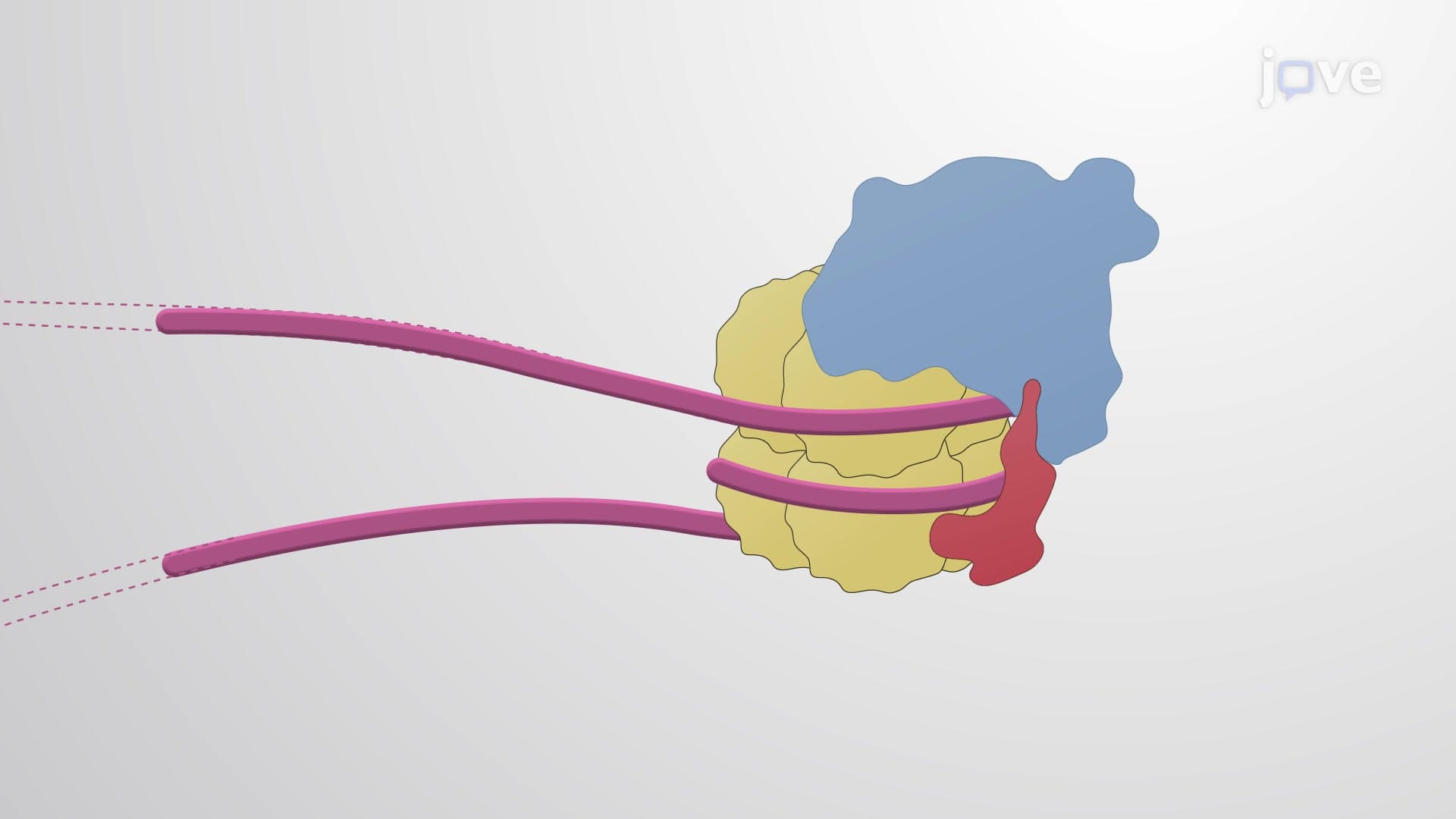
At the cellular level, maintenance es cell state definition includes the critical role of telomerase, an enzyme complex that adds protective DNA sequences called telomeres to chromosome ends. While most somatic cells gradually lose telomerase activity and age, ES cells maintain high telomerase expression, essentially achieving cellular immortality. This mechanism prevents the chromosomal deterioration that typically limits cell division cycles, allowing research laboratories at institutions like the University of California system to maintain ES cell lines for years. Students preparing for the MCAT will encounter this concept when studying cellular aging and cancer biology.
The maintenance es cell state concept centers on three master transcription factors: Oct4, Sox2, and Nanog. These proteins form interconnected regulatory loops that simultaneously activate genes promoting pluripotency while silencing differentiation programs. Think of them as molecular switches that keep the cell in a "decision-pending" state. Oct4 deficiency leads to immediate differentiation, while Sox2 and Nanog work together to maintain the undifferentiated phenotype. Understanding maintenance es cell basics requires recognizing how these factors create feedback loops that reinforce the stem cell identity-a concept frequently tested on college biochemistry exams.
Beyond transcription factors, the maintenance es cell state overview must include chromatin regulators that modify histone proteins. These enzymes add or remove chemical marks that determine which genes remain accessible for transcription. In ES cells, specific histone modifications keep differentiation genes in a "poised" but silent state, ready for activation when differentiation signals arrive. This epigenetic control system exemplifies the sophisticated regulatory mechanisms that students study in advanced genetics courses and encounter on graduate school entrance exams like the GRE Subject Test in Biology.
Related Micro-courses