Loading subject page…


235,304 views

Video Summary: An Introduction to Free Energy Explained
Why do ice cubes melt in your drink even though you didn't add heat? An introduction to free energy reveals that spontaneous processes depend on more than just temperature changes. This fundamental concept explains how the FDA evaluates drug stability in pharmaceuticals stored at room temperature across the United States. Gibbs free energy predicts whether chemical reactions will occur naturally by considering both energy changes and molecular disorder. Watch the full video on JoVE Coach to master this concept with expert-led visuals and step-by-step explanations.
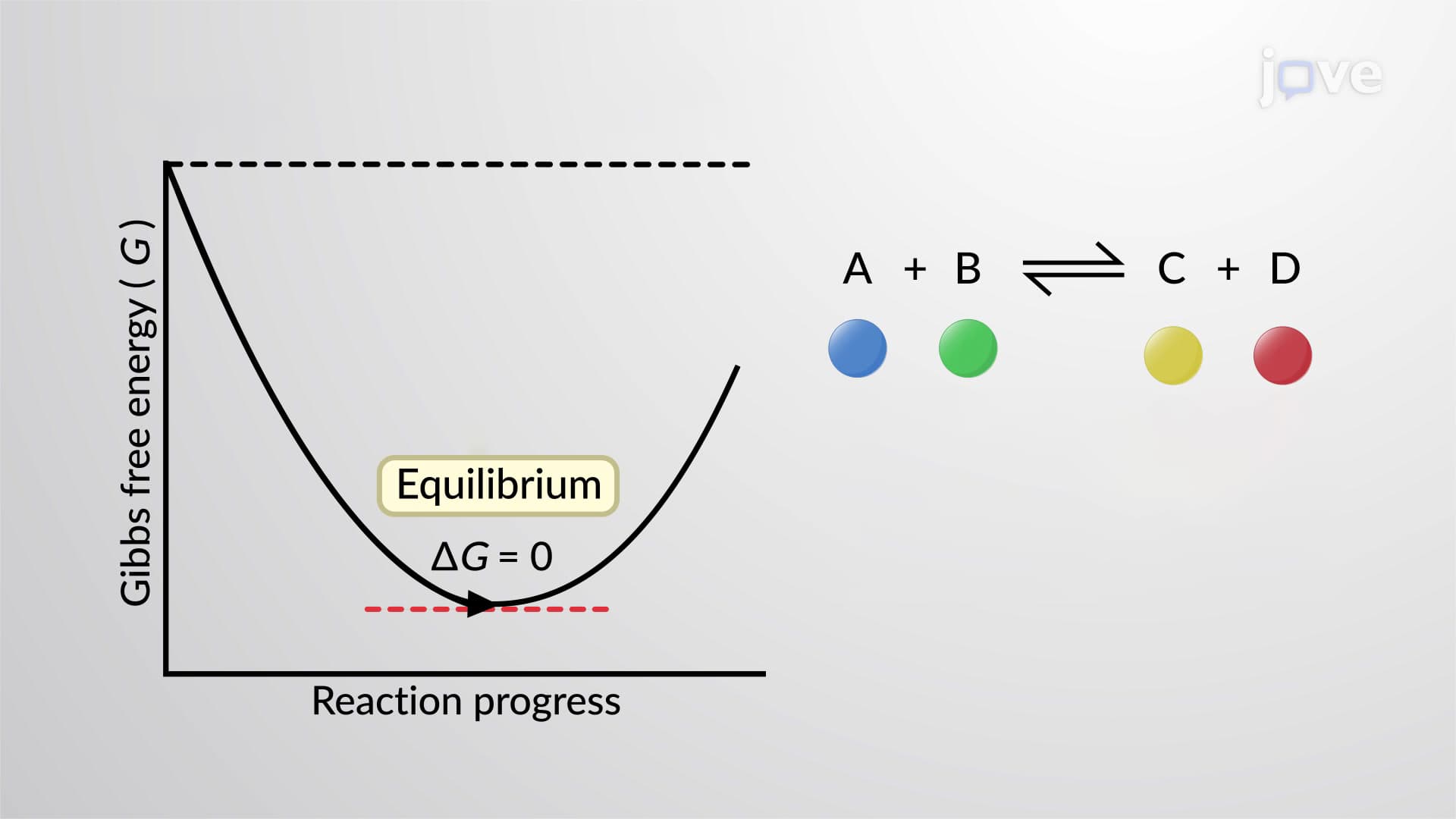
An introduction to free energy explained begins with recognizing that not all energetically favorable reactions occur spontaneously. Josiah Willard Gibbs, an American physicist from Yale University, developed this concept to predict reaction spontaneity under constant temperature and pressure conditions-the typical laboratory environment students encounter.
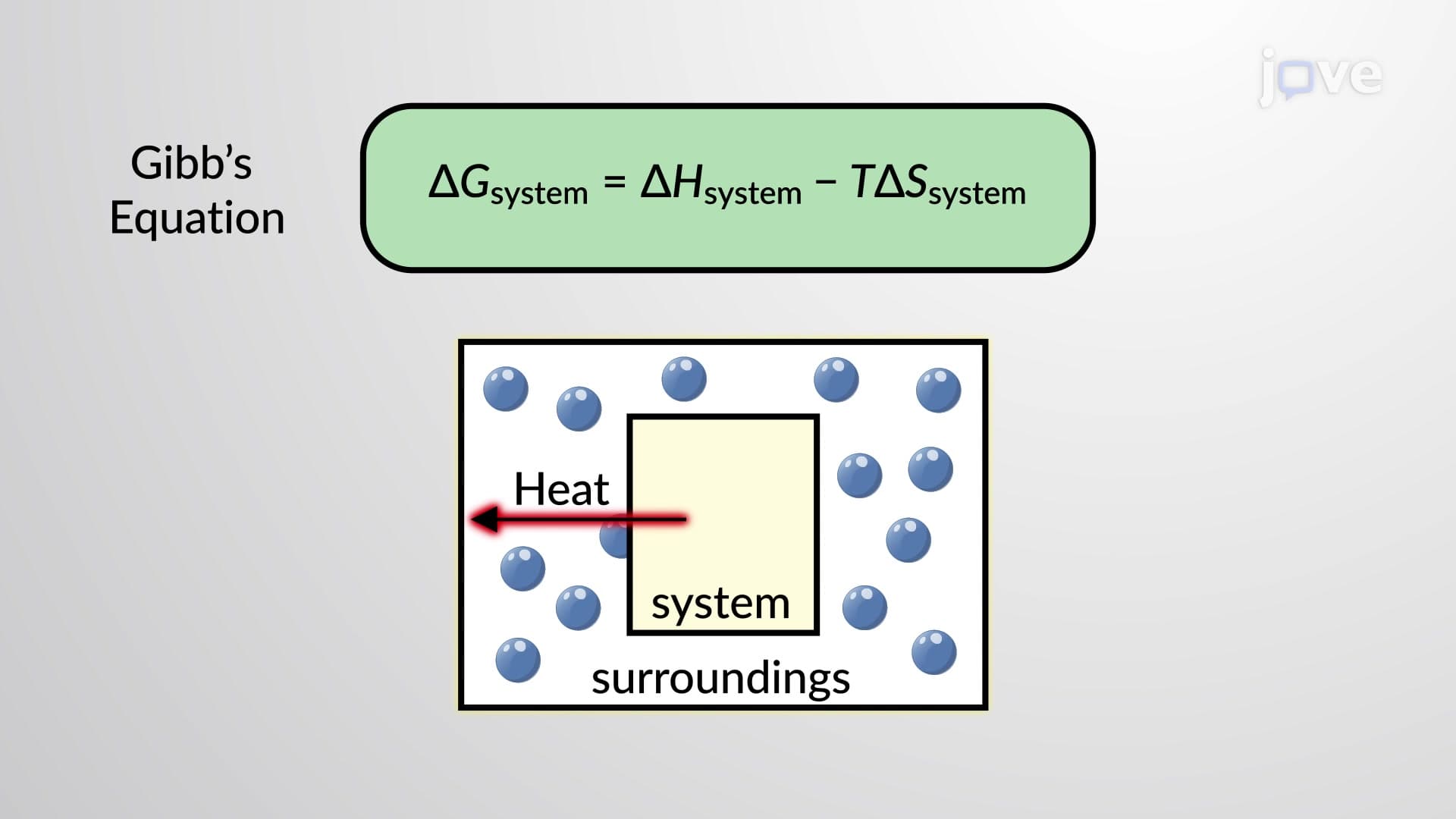
The Gibbs free energy equation, ΔG = ΔH - TΔS, elegantly combines two fundamental thermodynamic properties. Enthalpy (ΔH) represents heat absorbed or released, while entropy (ΔS) measures molecular disorder. When ΔG is negative, reactions proceed spontaneously, like glucose metabolism in cellular respiration that powers every American's daily activities.
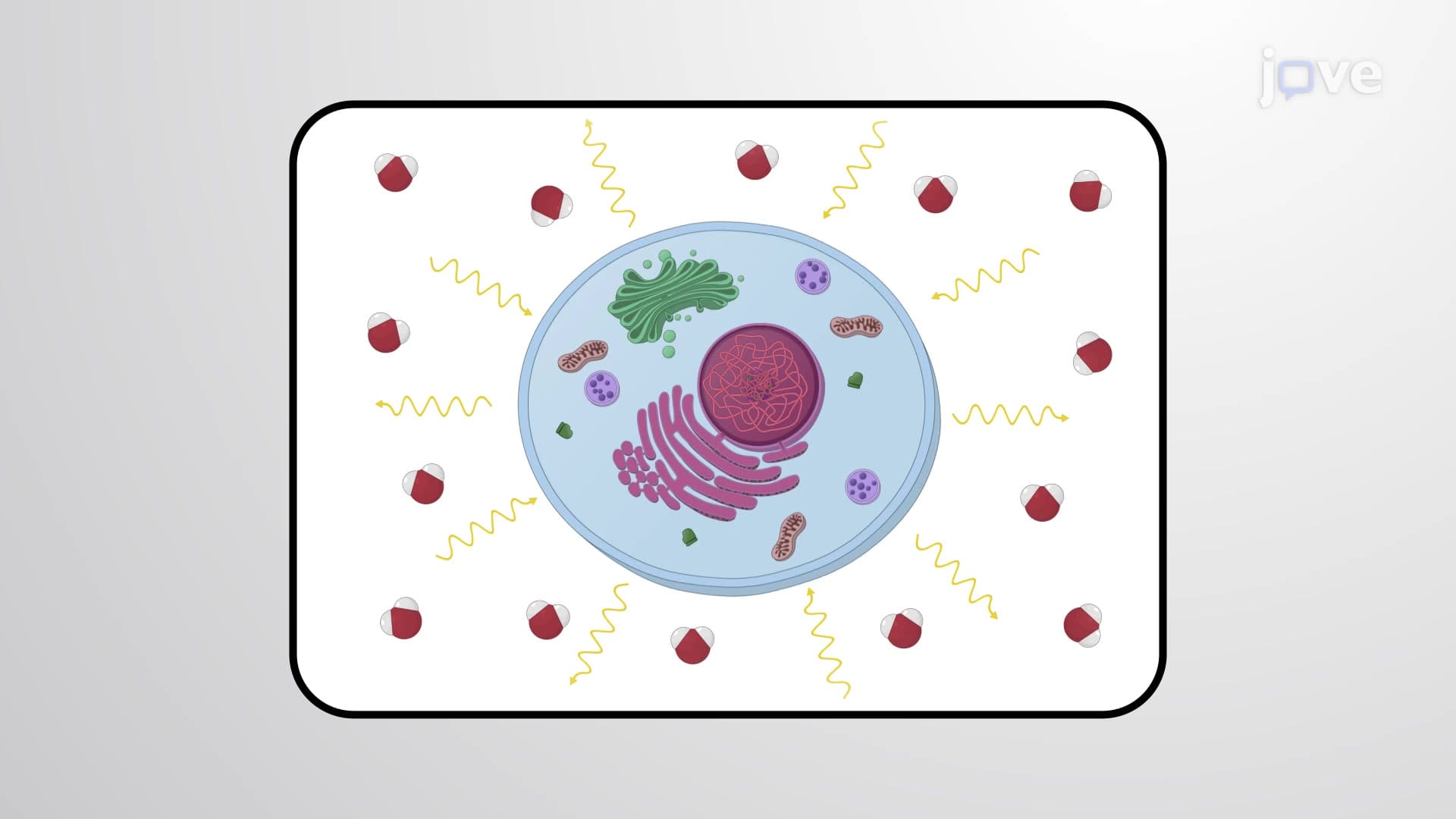
The genius of free energy lies in its ability to account for entropy changes in both the system and surroundings without directly measuring environmental changes. When your body metabolizes food, heat released to your surroundings increases environmental entropy, making the overall process thermodynamically favorable despite local decreases in molecular disorder.
Free energy calculations guide pharmaceutical companies in drug development, helping predict which molecular modifications will create stable medications. The petrochemical industry along the Gulf Coast uses these principles to optimize refinery processes, determining optimal temperatures and pressures for converting crude oil into gasoline. Students preparing for AP Chemistry or MCAT exams frequently encounter free energy problems involving protein folding, enzyme kinetics, and metabolic pathways-all essential for understanding biochemical processes in medical school curricula.
Related Micro-courses