Loading subject page…


235,304 views

Video Summary: Atp Energy Storage and Release Explained
Did you know that every second, your muscles consume and regenerate millions of ATP molecules just to keep you breathing? Understanding ATP energy storage release is crucial because this tiny molecule powers everything from your heartbeat to brain function. In American hospitals, doctors monitor ATP levels in cardiac patients since heart failure directly relates to cellular energy depletion. ATP Energy Storage And Release Explained reveals how cells manage their energy budget through continuous cycles of storing and releasing chemical energy. Watch the full video on JoVE Coach to master this concept with expert-led visuals and step-by-step explanations.
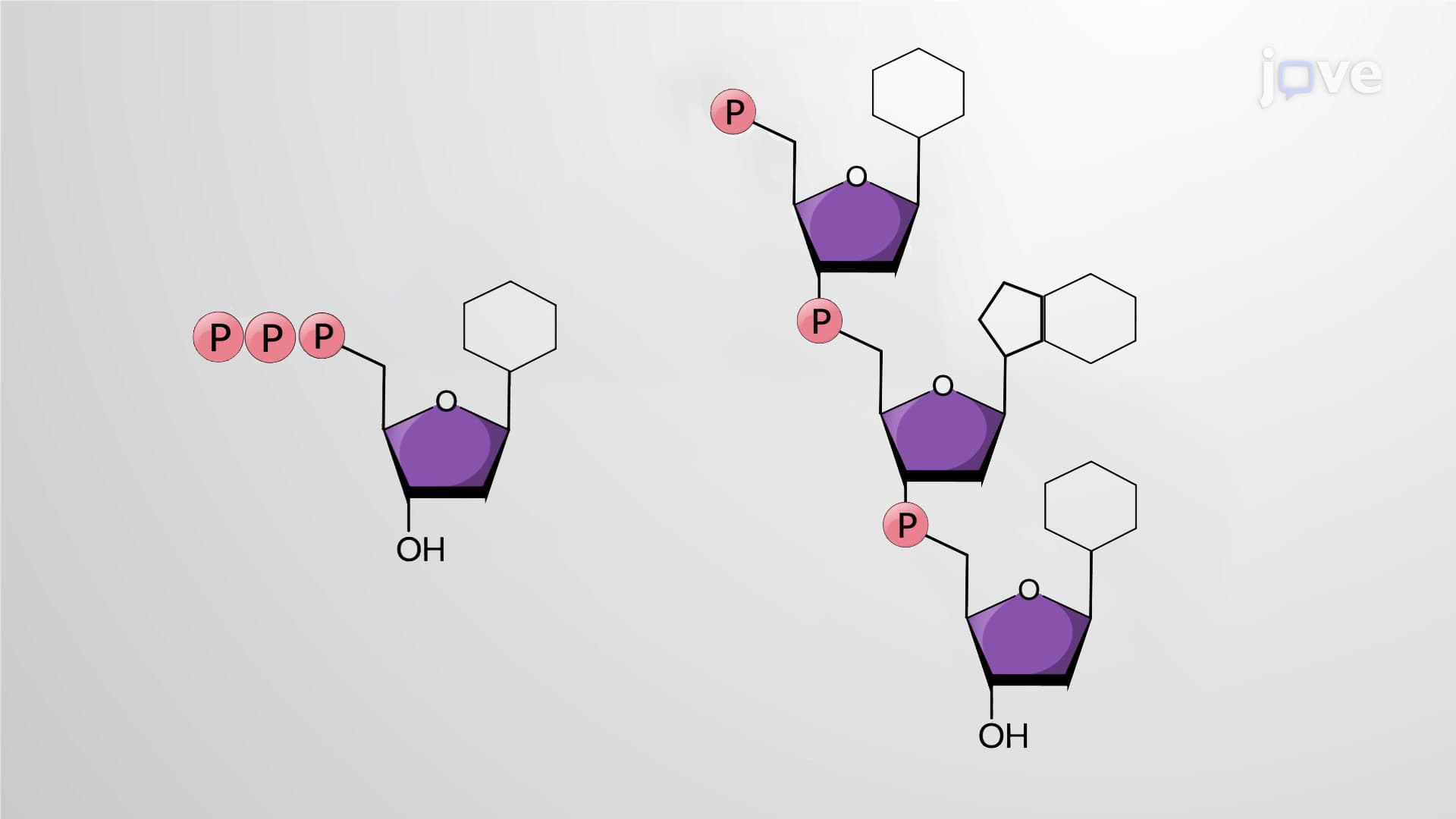
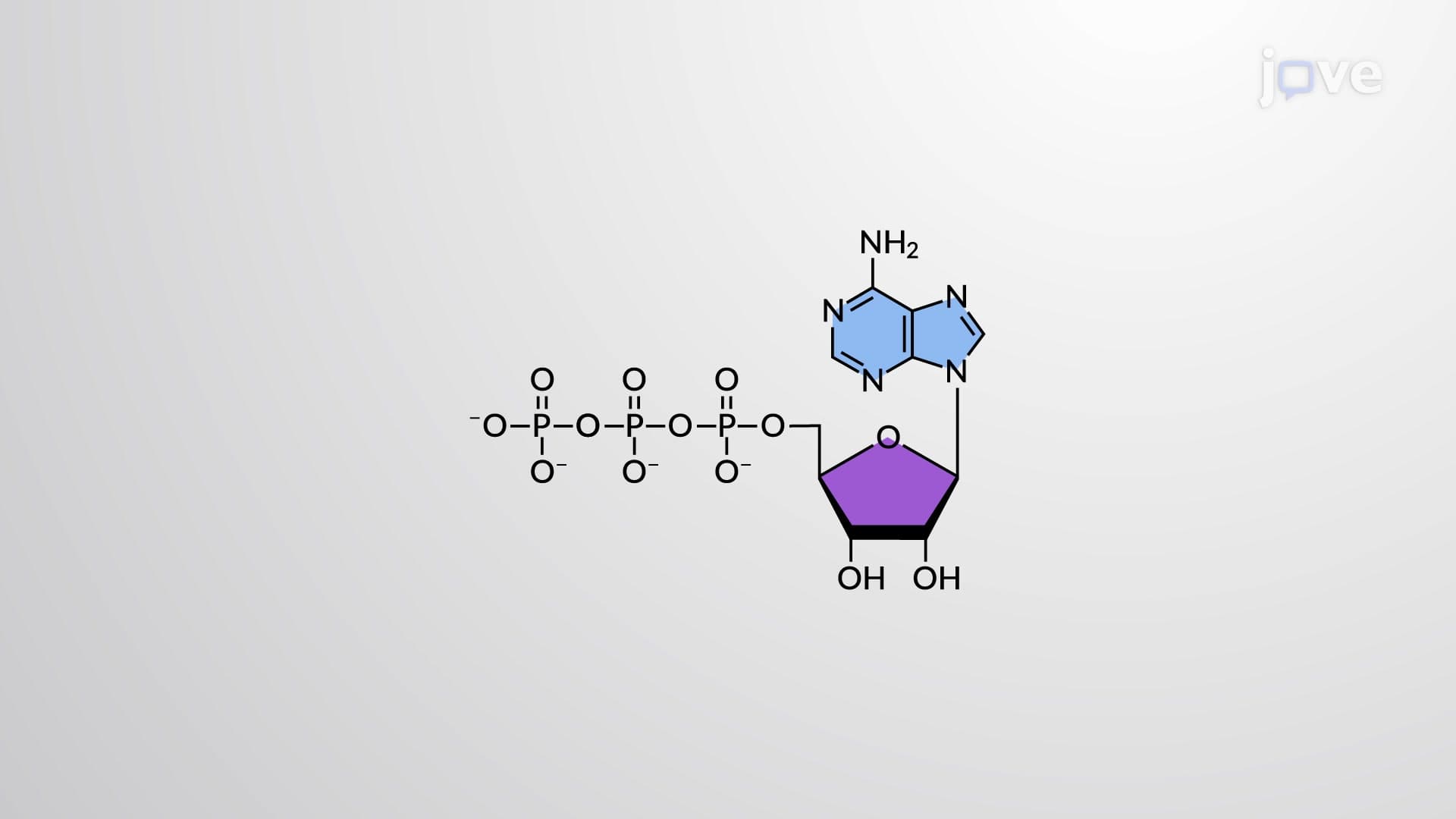
Adenosine triphosphate (ATP) functions as the primary energy currency in all living cells, earning its designation as the "molecular unit of currency" for intracellular energy transfer. This remarkable molecule consists of three distinct components: an adenine nitrogenous base, a five-carbon ribose sugar, and a chain of three phosphate groups. The magic lies in the chemical bonds connecting these phosphate groups-specifically, the two phosphoanhydride bonds that link the second and third phosphates to the molecule.
The phosphoanhydride bonds in ATP represent stored chemical energy, similar to a compressed spring ready to release its potential energy. Under standard biological conditions (pH 7, 37°C, typical ionic concentrations), ATP hydrolysis releases approximately 7.3 kilocalories per mole-enough energy to power numerous cellular processes. American medical schools teach students that this energy value varies in living cells, typically ranging from 10-14 kcal/mol depending on local concentrations of ATP, ADP, and inorganic phosphate.
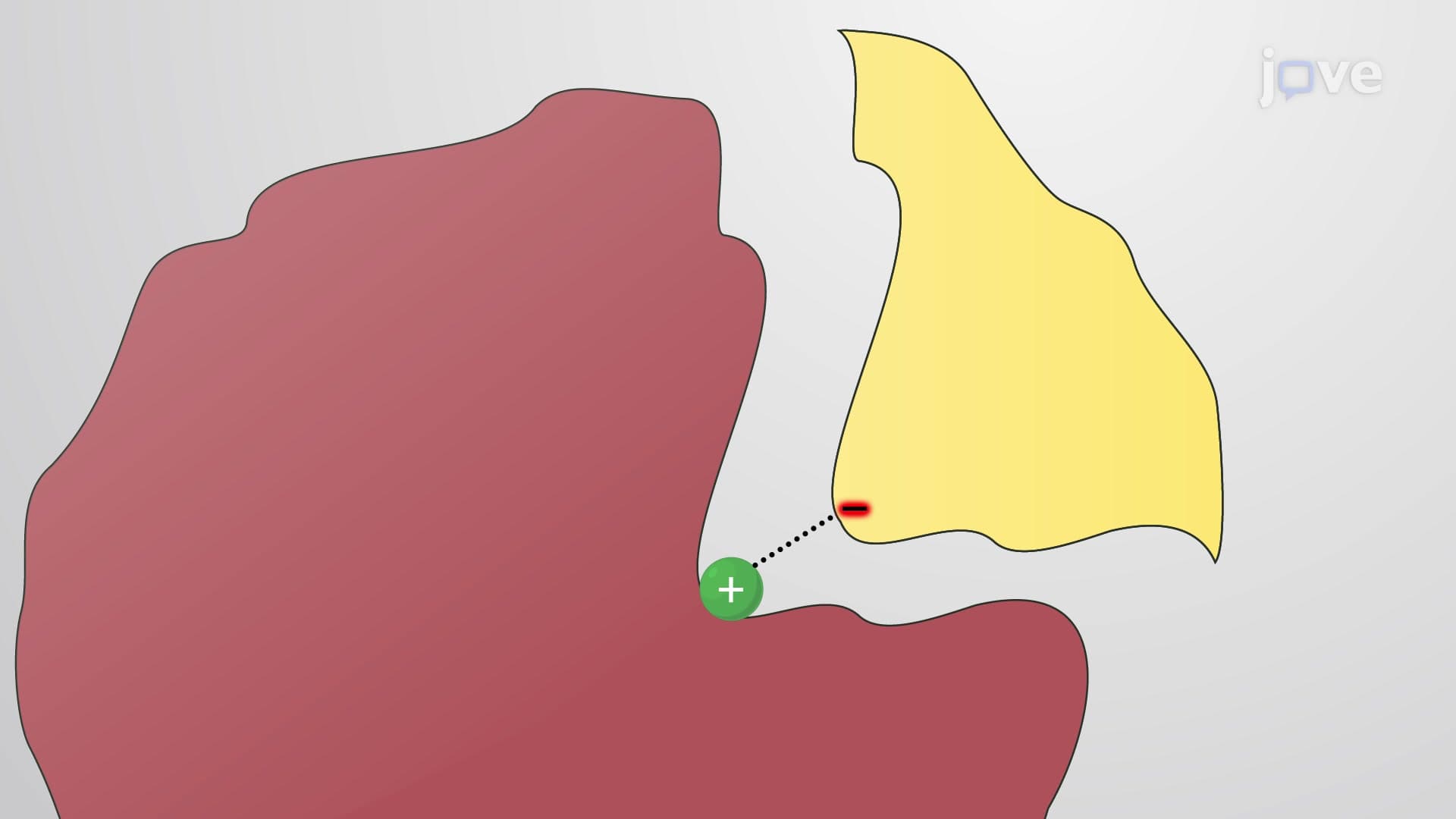
The energy storage mechanism relies on electrostatic repulsion between negatively charged phosphate groups. When three phosphates cluster together, their negative charges create an unstable, high-energy configuration. This instability makes ATP hydrolysis thermodynamically favorable, driving the molecule to "relax" into the more stable ADP (adenosine diphosphate) plus inorganic phosphate.
When cells require energy, ATP undergoes hydrolysis through the addition of water molecules, catalyzed by specific enzymes called ATPases. This reaction breaks the terminal phosphoanhydride bond, yielding ADP, inorganic phosphate (Pi), and free energy. The released energy powers three major categories of cellular work: mechanical work (muscle contraction, flagellar movement), transport work (active transport across membranes), and chemical work (biosynthesis of complex molecules).
For example, sodium-potassium pumps in American patients' nerve cells consume roughly 25-40% of total ATP production just to maintain proper ion gradients. During action potentials, these pumps must work overtime to restore resting membrane potential, demonstrating ATP's critical role in neurological function.
Cells maintain relatively constant ATP concentrations through continuous regeneration from ADP and Pi. This process requires significant energy input from either cellular respiration (in animals and plants) or photosynthesis (in plants and photosynthetic bacteria). The human body recycles its entire ATP supply approximately 1,000 times daily, highlighting the dynamic nature of cellular energy management.
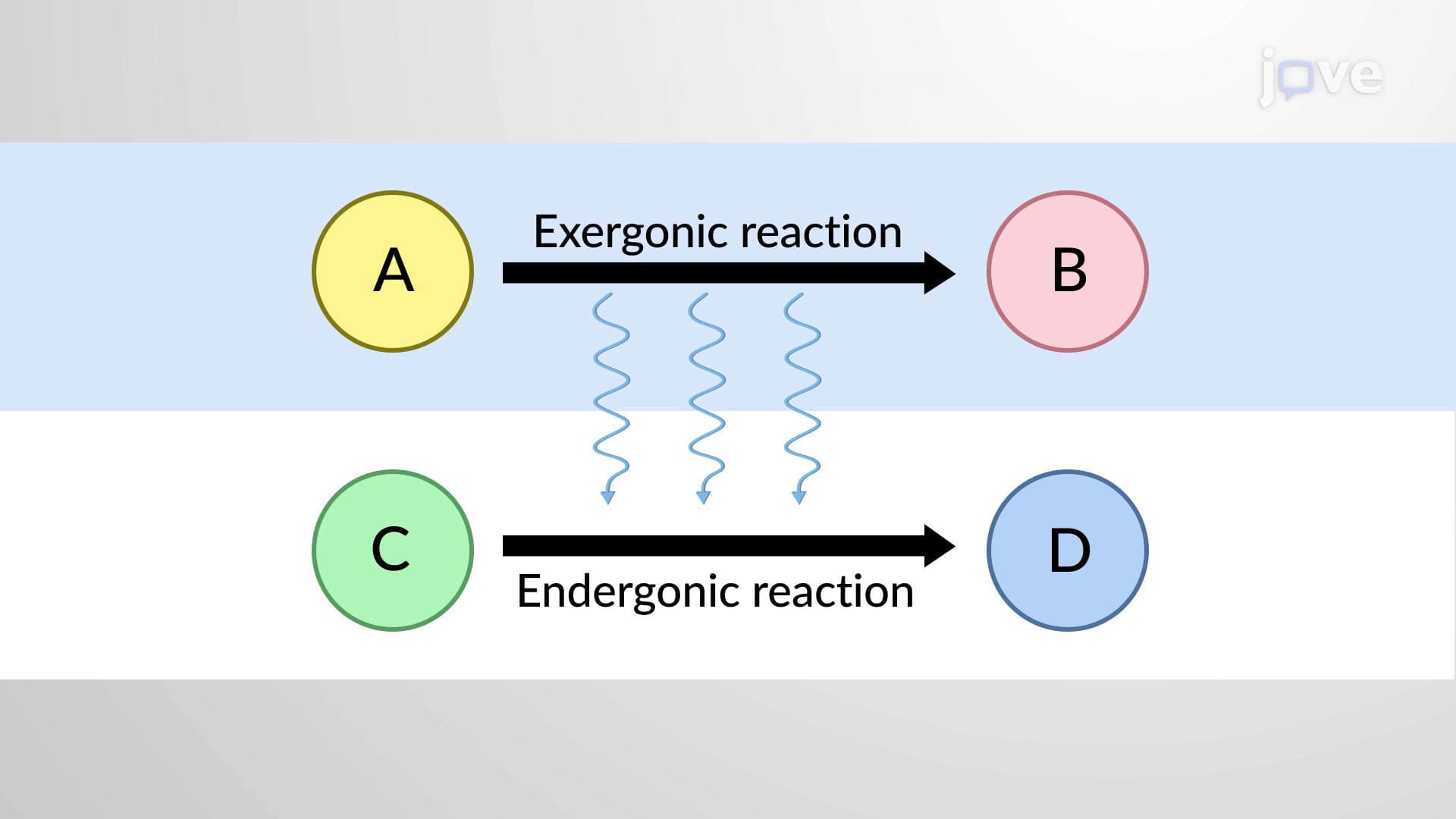
Students preparing for AP Biology or college biochemistry courses should recognize that ATP synthesis is endergonic (energy-requiring), while ATP hydrolysis is exergonic (energy-releasing). This fundamental principle appears frequently on MCAT questions, particularly in passages discussing metabolic pathways or cellular energetics.
Related Micro-courses