Loading subject page…

- Cell Biology
- Energy and Catalysis
- The Equilibrium Binding Constant and Binding Strength
Micro-course: Energy and Catalysis
235,303 views
Learn key concepts and earn your certificate.









The Equilibrium Binding Constant and Binding Strength

00:00
02:18
Video Summary: Equilibrium Binding Constant and Binding Strength
Why do some medications work at tiny doses while others require large amounts? The equilibrium binding constant binding relationship determines how tightly molecules stick together, from insulin binding to its receptor in diabetic patients to how Tylenol targets pain receptors in your brain. Understanding Equilibrium Binding Constant and Binding Strength reveals the mathematical foundation behind molecular interactions that govern everything from enzyme function to drug effectiveness. This quantitative measure, expressed as Kd or Ka values, predicts whether molecules will form stable complexes or quickly separate. Watch the full video on JoVE Coach to master this concept with expert-led visuals and step-by-step explanations.
- Understand how Equilibrium Binding Constant and Binding Strength quantifies the affinity between interacting molecules like enzymes and substrates
- Identify the relationship between Kd values and binding affinity, recognizing that lower Kd indicates stronger molecular interactions
- Analyze the thermodynamic basis of binding through Gibbs free energy changes and their connection to equilibrium constants
- Compare association and dissociation rate constants to determine overall binding strength in biological systems
- Evaluate real-world applications in drug design, diagnostic assays, and therapeutic interventions
- Apply binding constant principles to predict molecular behavior in enzyme kinetics and receptor pharmacology
- Recognize the historical development of binding theory from physical chemistry to modern biochemistry
- Explore mathematical relationships between concentration, binding sites, and equilibrium positions
Understanding Equilibrium Binding Constant and Binding Strength Fundamentals
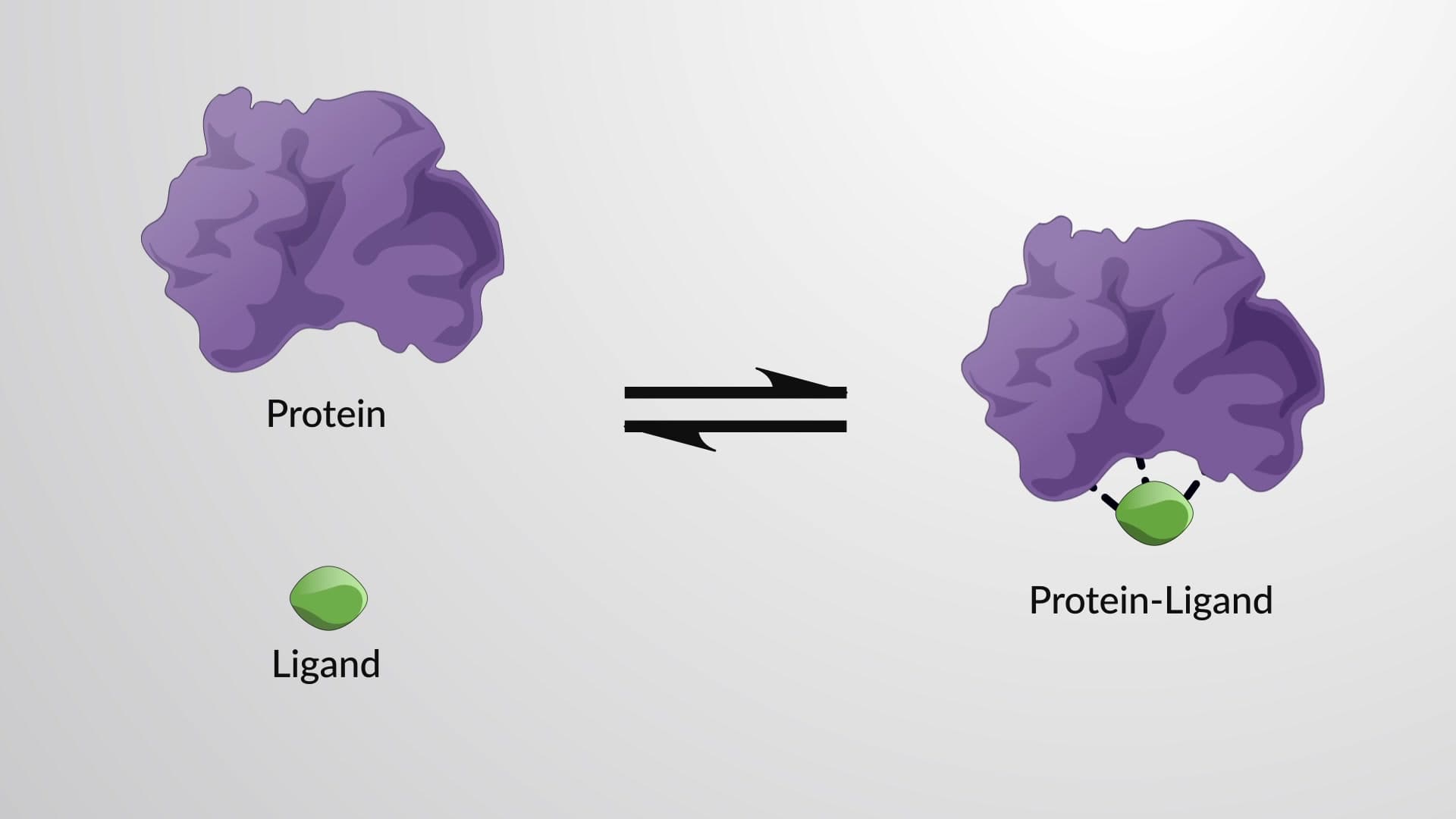
The equilibrium binding constant represents one of biochemistry's most powerful tools for quantifying molecular interactions. When molecules like hormones find their receptors or enzymes encounter substrates, they don't simply stick together randomly-they follow precise mathematical relationships that determine binding strength and biological outcomes.
Two primary constants describe these interactions: the dissociation constant (Kd) and association constant (Ka). The Kd value, measured in molar units, represents the concentration at which exactly half of all binding sites are occupied. Lower Kd values indicate tighter binding-think of insulin binding to muscle cell receptors with nanomolar affinity, enabling precise blood sugar control even at tiny hormone concentrations.
Thermodynamic Foundations and Energy Relationships
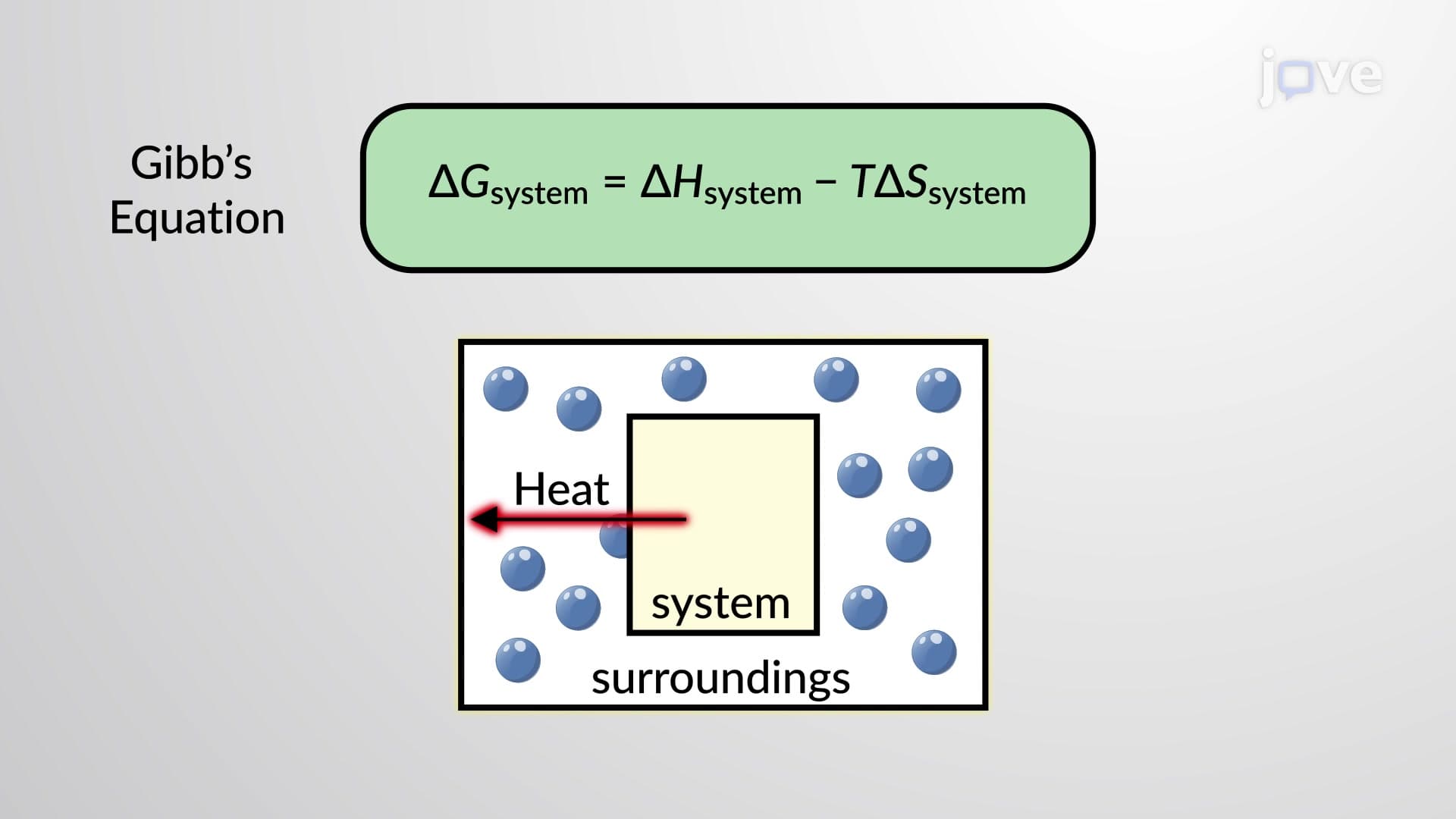
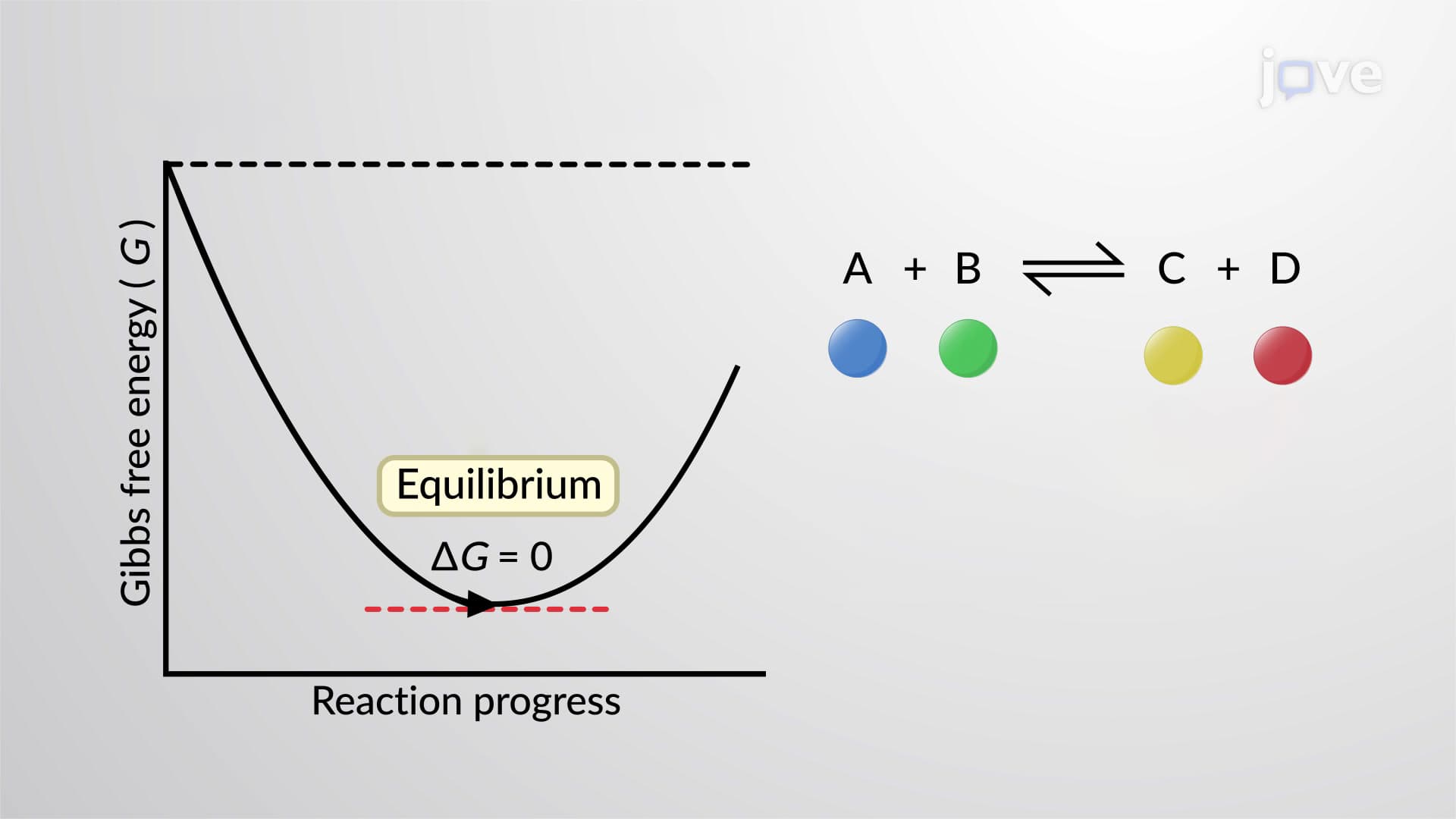
The connection between binding constants and thermodynamics reveals why certain molecular partnerships form preferentially. The Gibbs free energy equation ΔG = -RT ln K links binding strength directly to energy changes, where R represents the gas constant, T is absolute temperature, and K is the equilibrium constant. Favorable binding interactions show negative ΔG values, indicating spontaneous complex formation.
This relationship explains why aspirin binds selectively to cyclooxygenase enzymes rather than random proteins-the specific molecular fit creates energetically favorable interactions that drive therapeutic effectiveness. Students preparing for AP Biology or college biochemistry exams should recognize that stronger binding correlates with more negative ΔG values and higher Ka constants.
Clinical Applications in Drug Design and Diagnostics
Modern pharmaceutical development relies heavily on optimizing binding constants to create effective medications. Consider how HIV protease inhibitors work: these drugs bind tightly to viral enzymes (low Kd values in nanomolar ranges) while showing minimal affinity for human proteins, reducing side effects. This selectivity emerges from careful molecular engineering guided by binding constant measurements.
Diagnostic applications showcase binding principles in pregnancy tests, COVID-19 rapid tests, and blood glucose monitors used across American healthcare systems. Each relies on antibody-antigen interactions with precisely calibrated binding strengths-too weak, and tests become unreliable; too strong, and they won't respond to concentration changes.
Mathematical Applications and Exam Preparation
Students encountering binding constants in MCAT preparation or college biochemistry courses should master key calculations. The relationship between Kd and percent occupancy follows: Fraction bound = [Ligand] / (Kd + [Ligand]). This equation appears frequently in enzyme kinetics problems and receptor pharmacology scenarios.
Understanding these concepts proves essential for pre-med students, as binding constant principles underlie drug action mechanisms tested on medical school admissions exams and clinical reasoning assessments throughout medical education.
Frequently Asked Questions
Equilibrium binding constant measures how tightly two molecules stick together, like a molecular "stickiness rating." Binding strength indicates whether molecules form stable partnerships or separate quickly-stronger binding means lower Kd values and more stable molecular complexes. This concept helps predict everything from enzyme efficiency to drug effectiveness in biological systems.
MCAT questions often test binding constant calculations, enzyme kinetics, and drug-receptor interactions using Kd values. AP Biology exams focus on conceptual understanding of molecular interactions and their biological significance. Students should practice converting between Kd and Ka values while interpreting binding curves and competitive inhibition scenarios.
Common questions ask students to calculate percent receptor occupancy given ligand concentrations and Kd values, or compare binding affinities between different drugs. Students might analyze binding curves, determine IC50 values, or explain how binding constants relate to biological potency in pharmaceutical applications.
Emergency room doctors rely on binding principles when administering medications like morphine for pain relief-the drug's tight binding to opioid receptors (low Kd) enables effective treatment at small doses. Diabetes management depends on insulin's specific binding to cellular receptors, while diagnostic blood tests use antibody-antigen binding to detect diseases accurately.
Basic algebra and introductory chemistry provide sufficient background for understanding binding constant concepts. Students with high school chemistry experience can grasp the mathematical relationships, while biological applications make sense with general biology knowledge. The key is practicing calculations and connecting math to real biological examples.
Create practice problems using real drug examples, then work through binding curve interpretations and Kd calculations systematically. Draw molecular interaction diagrams connecting thermodynamic principles to biological outcomes. Focus on understanding the inverse relationship between Kd values and binding strength rather than memorizing formulas alone.
Students should investigate cooperative binding (like hemoglobin-oxygen interactions), allosteric regulation, and competitive versus non-competitive inhibition mechanisms. Advanced pharmaceutical chemistry courses explore structure-activity relationships and drug design principles that build directly on binding constant foundations.
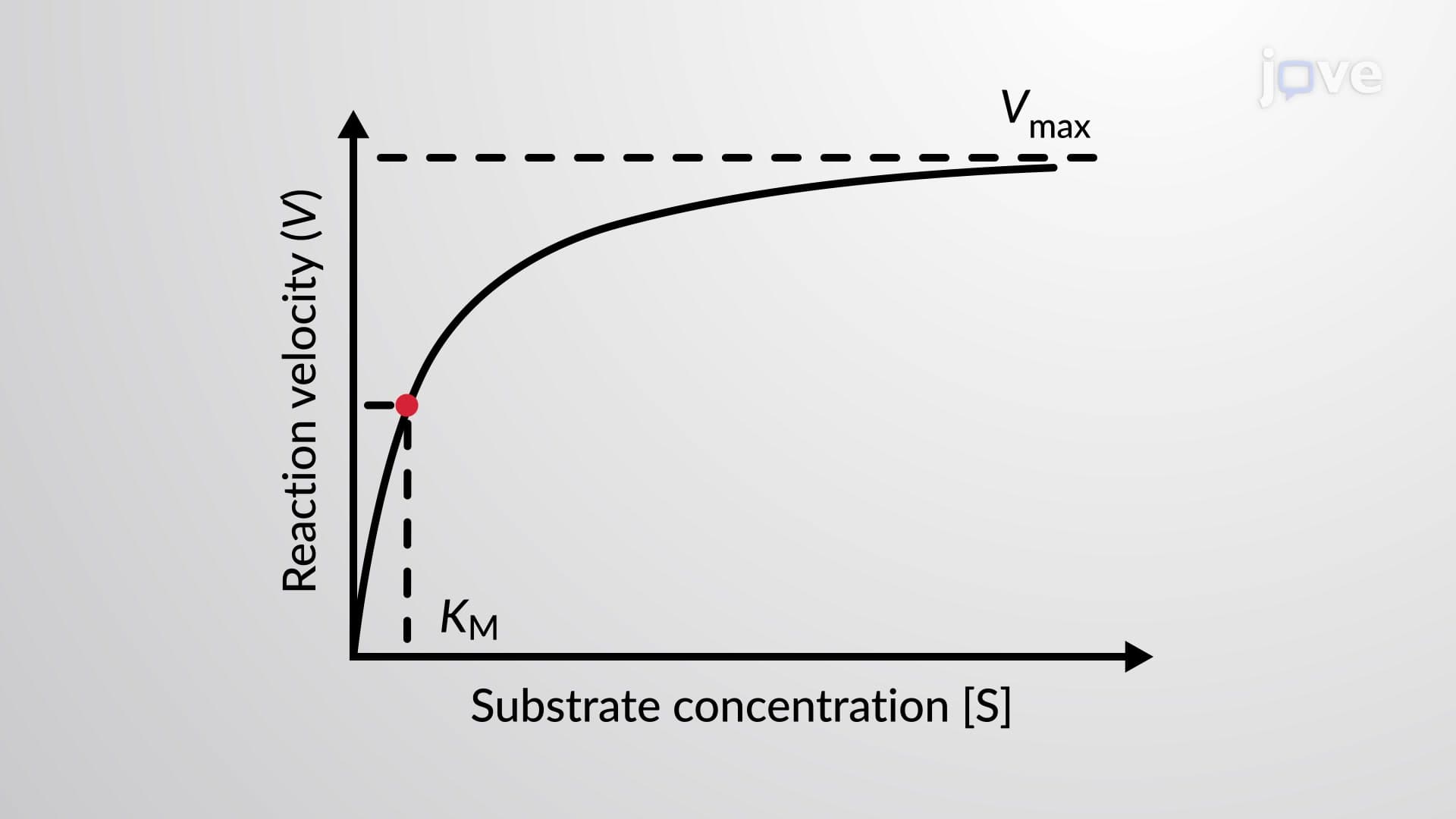
The Michaelis constant (Km) relates directly to substrate binding affinity, while Kd values describe enzyme-substrate complex stability. Understanding binding constants provides the foundation for interpreting enzyme efficiency, competitive inhibition patterns, and catalytic mechanisms essential for biochemistry coursework and professional school preparation.
Related Micro-courses