Loading subject page…


235,304 views

Video Summary: Oxidation and Reduction of Organic Molecules Explained
Did you know that every breath you take involves oxidation reduction organic molecules working to power your cells? When you eat a slice of pizza, your body breaks down carbohydrates, fats, and proteins through redox reactions that transfer electrons and generate the ATP energy needed for everything from muscle contraction to brain function. Understanding oxidation and reduction of organic molecules explained reveals how cellular respiration in your mitochondria transforms food into usable energy through electron transfer processes. Watch the full video on JoVE Coach to master this concept with expert-led visuals and step-by-step explanations.
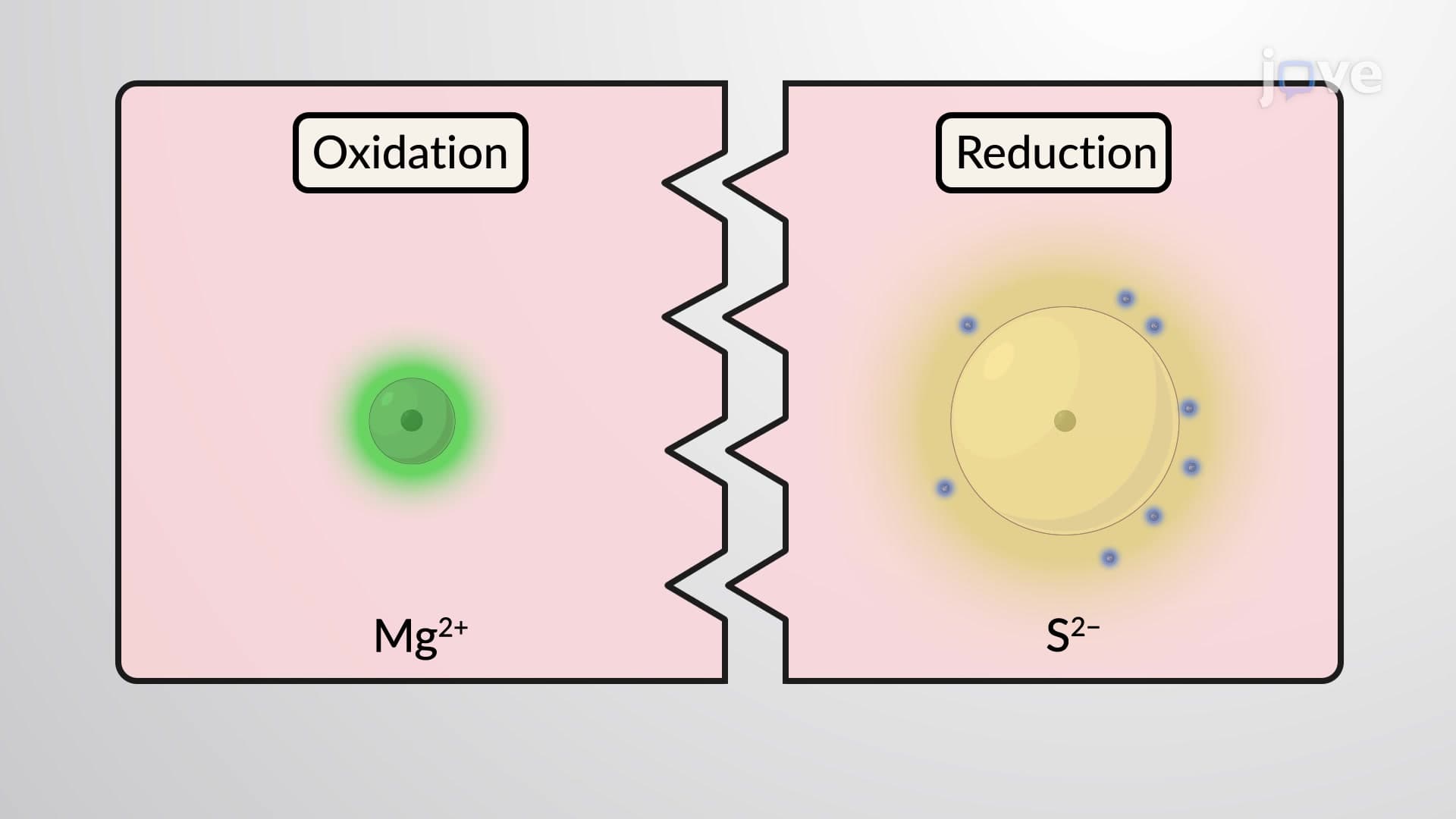
Oxidation and reduction reactions form the backbone of cellular energy metabolism, governing how organisms extract usable energy from food molecules. In biological systems, these redox processes often involve the transfer of hydrogen atoms (containing both protons and electrons) rather than just electrons alone. When organic molecules like glucose undergo oxidation during cellular respiration, they lose hydrogen atoms and release energy that cells capture to produce ATP.
The oxidation reduction organic molecules process operates through sophisticated electron carrier systems. Coenzymes such as NAD+ (nicotinamide adenine dinucleotide) and FAD (flavin adenine dinucleotide) serve as temporary electron acceptors, becoming reduced to NADH and FADH2 respectively. These reduced forms then transport high-energy electrons to the electron transport chain in mitochondria, where the energy powers ATP synthesis through oxidative phosphorylation.
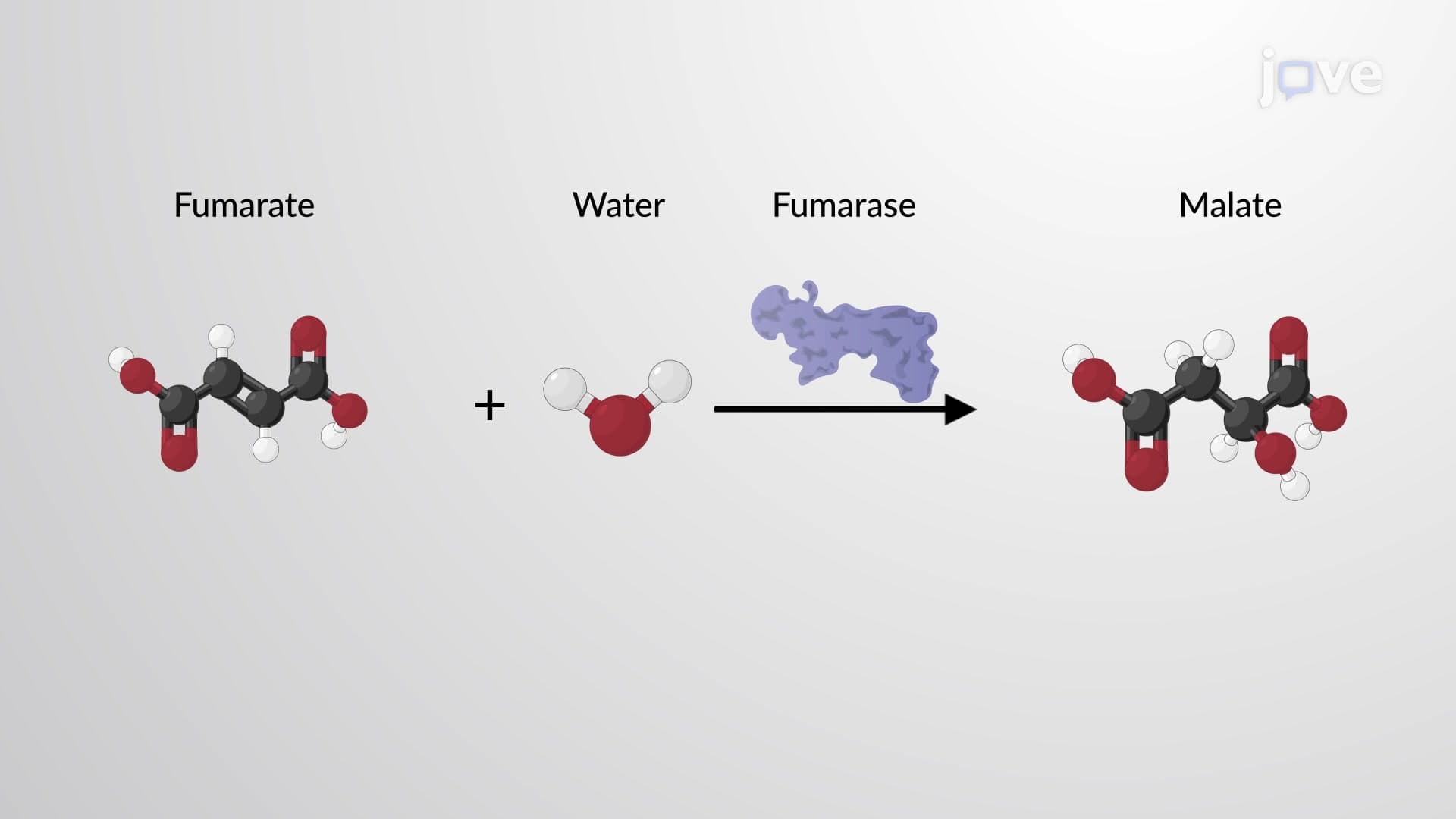
In organic chemistry, reduction often occurs through hydrogenation-the addition of hydrogen atoms to double bonds or other reactive sites. Conversely, dehydrogenation removes hydrogen atoms, representing oxidation. For example, when succinate converts to fumarate during the citric acid cycle, it undergoes dehydrogenation as FAD accepts the removed hydrogens to become FADH2. This reaction is crucial for energy production in human cells and frequently appears on AP Biology and MCAT examinations.
Understanding redox reactions proves essential for pre-med students preparing for the MCAT, as these concepts underlie drug metabolism in the liver. Cytochrome P450 enzymes use oxidation reactions to metabolize medications like acetaminophen and warfarin, making this knowledge vital for future physicians. Environmental scientists also apply these principles to understand how bacteria break down pollutants through oxidative processes, demonstrating the broader relevance of organic redox chemistry beyond human physiology.
Related Micro-courses