Loading subject page…


235,306 views


Video Summary: The First Law of Thermodynamics Explained
Ever wonder why your smartphone gets hot while charging or why your muscles warm up during exercise? The first law thermodynamics governs these everyday energy transformations around us. This fundamental principle states that energy cannot be created or destroyed-only transferred or converted from one form to another. Consider how a Tesla's regenerative braking system captures kinetic energy and converts it back to electrical energy stored in the battery. The First Law of Thermodynamics Explained reveals how energy conservation shapes everything from cellular processes to industrial systems. Watch the full video on JoVE Coach to master this concept with expert-led visuals and step-by-step explanations.
The first law of thermodynamics stands as one of physics' most fundamental principles, establishing that energy within an isolated system remains constant. This law, also called the conservation of energy, means that while energy continuously changes forms-from chemical to mechanical, thermal to electrical-the total amount never increases or decreases.
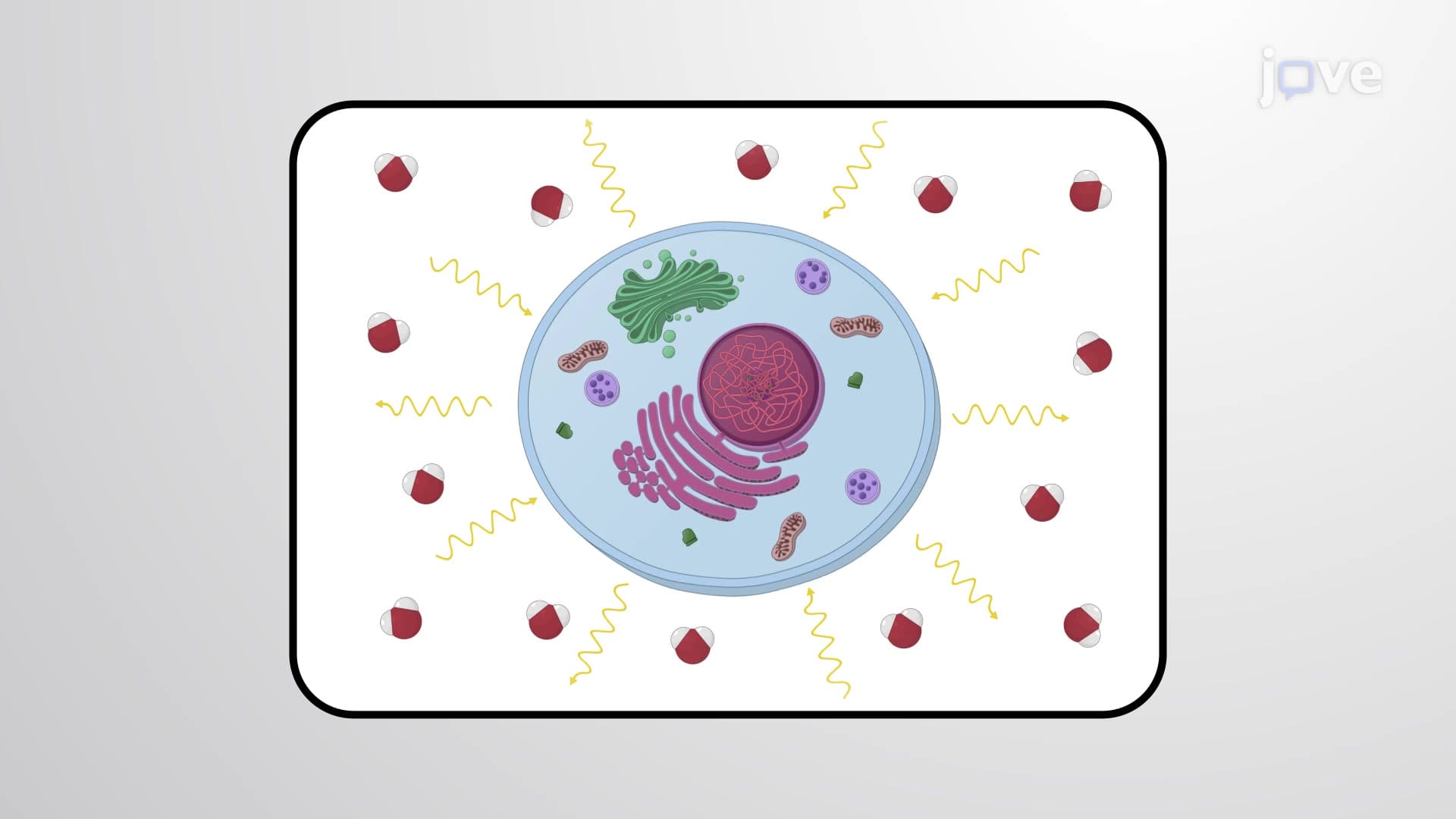
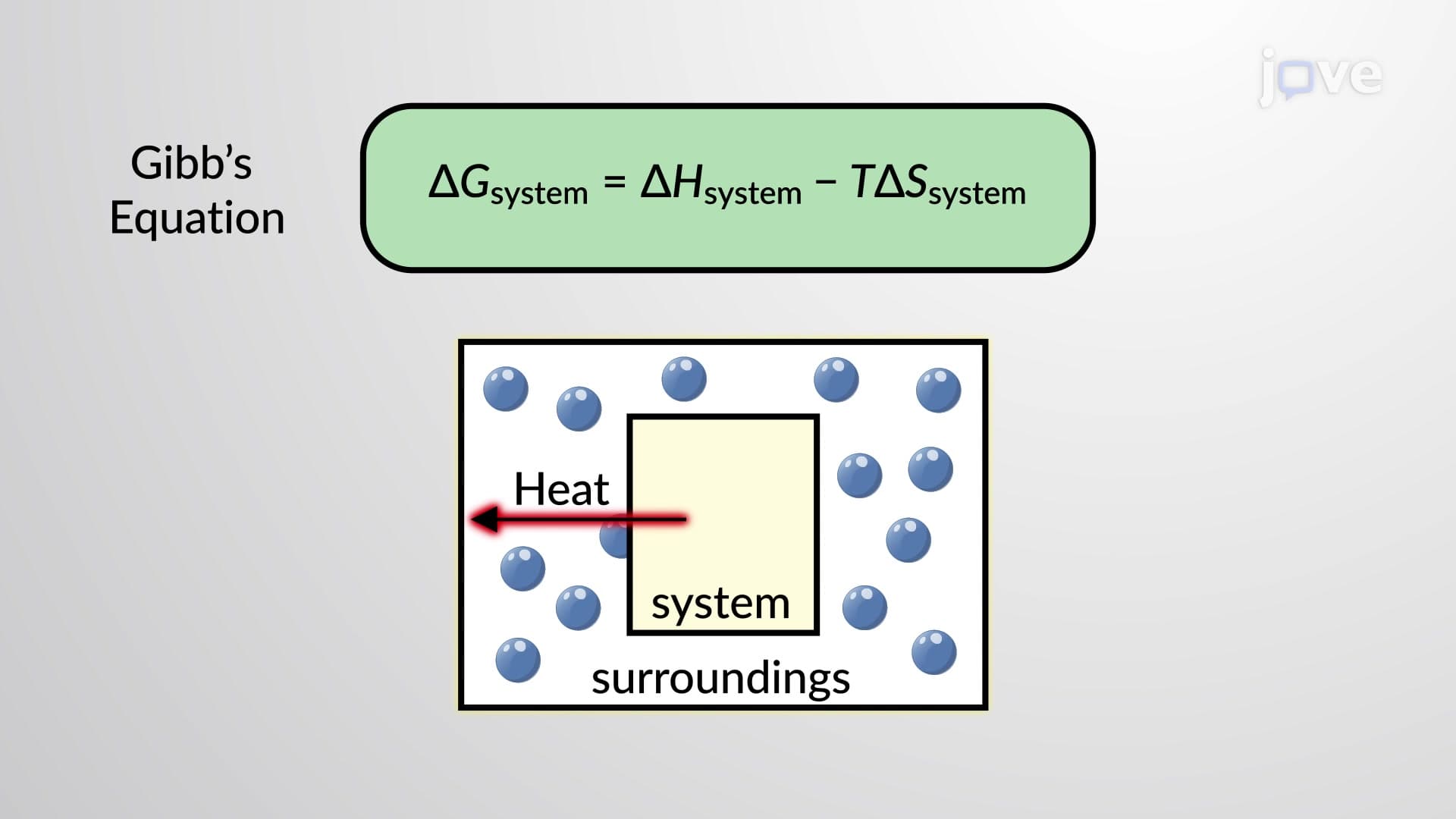
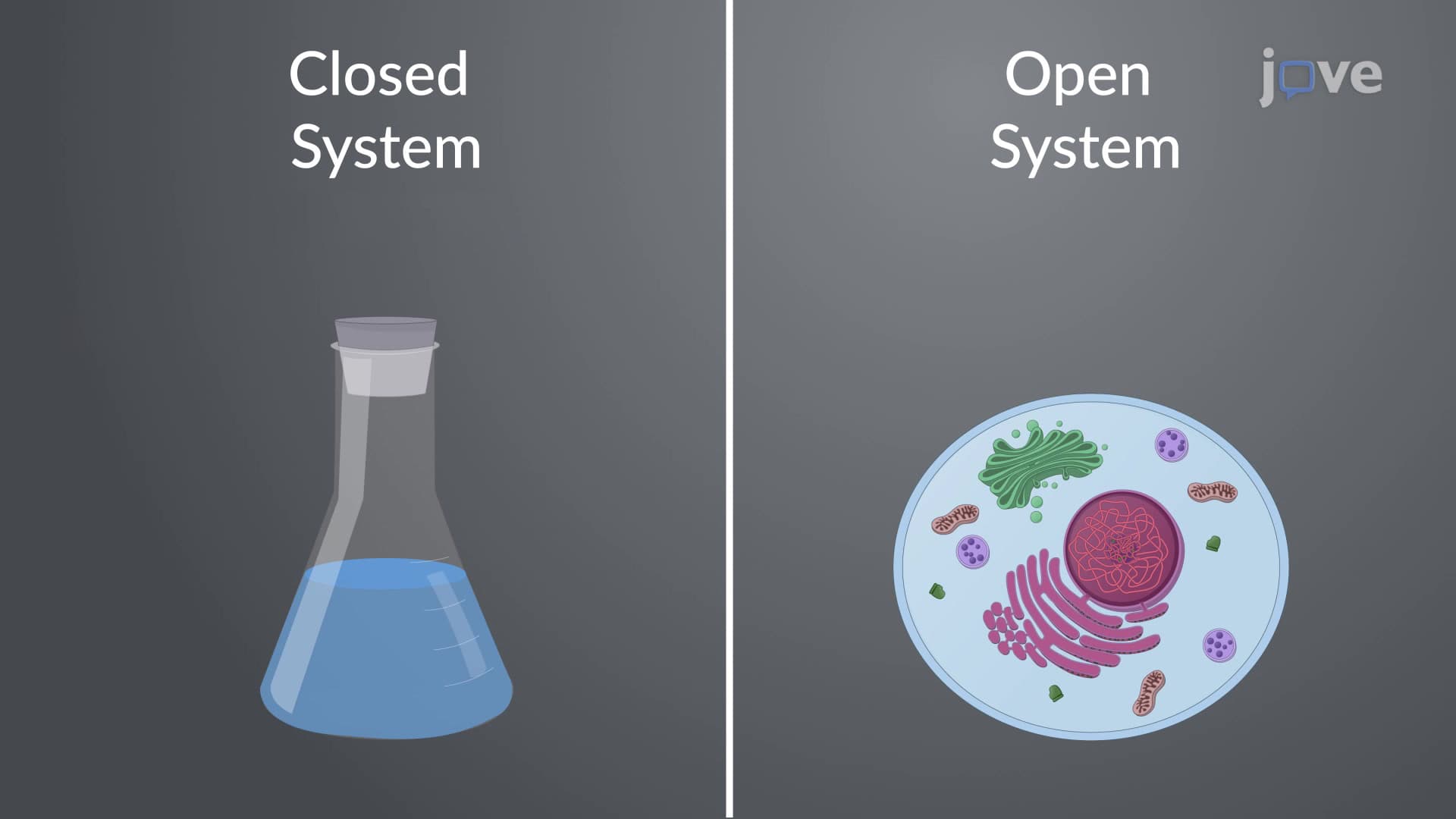
Thermodynamics divides the universe into two distinct parts: the system and its surroundings. The system represents the specific matter or region we're studying, while the surroundings encompass everything else. For example, when studying a car engine, the engine itself is the system, and the ambient air, road, and everything else constitutes the surroundings. This distinction helps us track energy flow and transformations systematically.
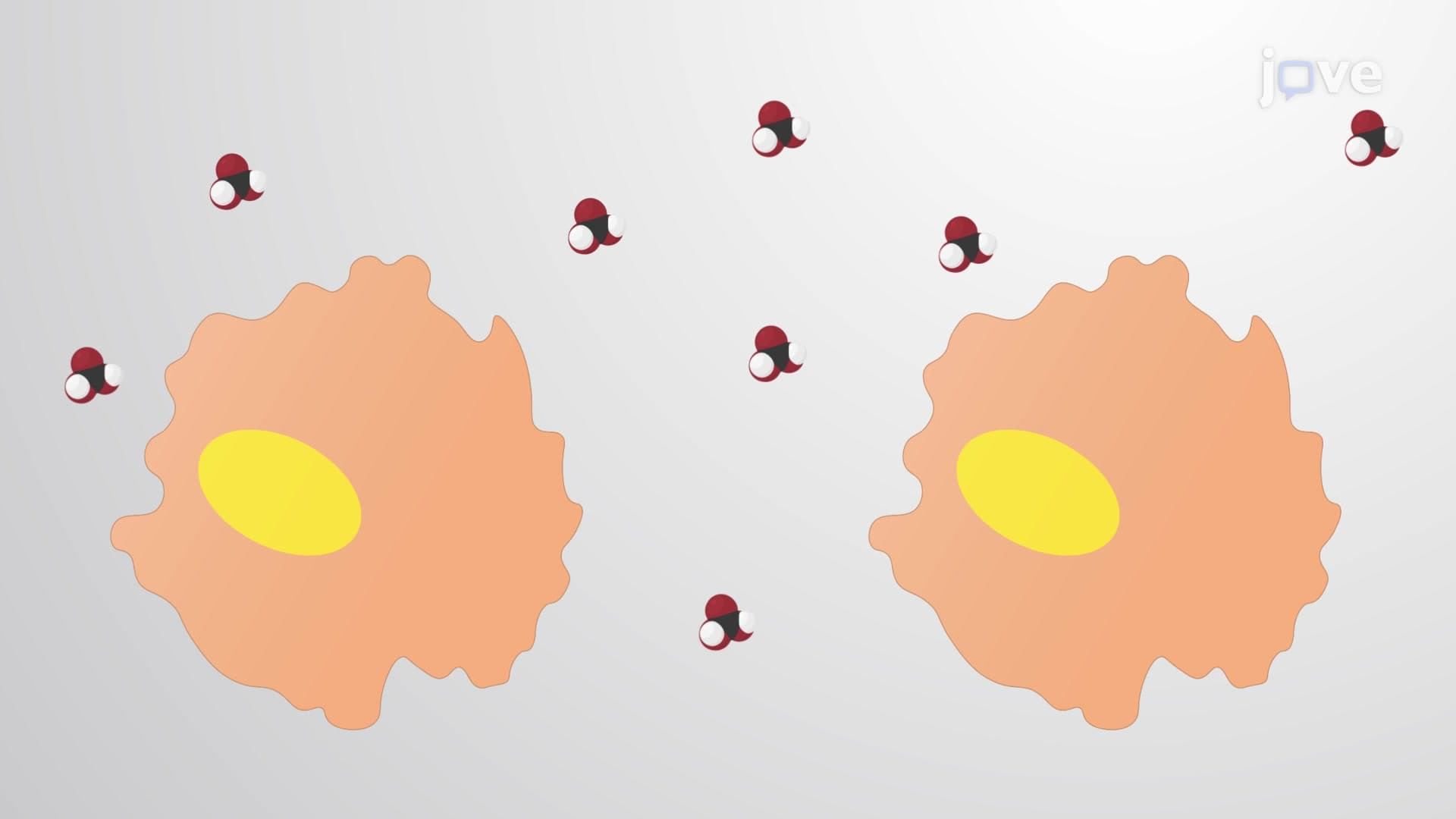
Heat represents the transfer of thermal energy between system and surroundings due to temperature differences. When you place a cold soda can in a warm room, thermal energy flows from the warmer surroundings into the cooler can until temperatures equalize. In biological systems, heat transfer affects membrane fluidity-as demonstrated in the transcript's example of molecular movement in cell membranes becoming more fluid when heat flows in, similar to ice melting.
Work involves the transfer of mechanical energy through force applied over a distance. Unlike heat, work can be precisely controlled and directed. In cellular biology, cytoskeletal filaments change length to generate forces, transmitting mechanical energy that can push or pull on cell membranes. This same principle applies to larger systems-your heart muscle does work pumping blood, and car engines do work moving pistons.
Students encounter the first law of thermodynamics across multiple disciplines. In AP Chemistry, it explains enthalpy changes in reactions. For MCAT preparation, understanding energy conservation proves crucial for biochemistry passages. Engineering students apply these principles in thermodynamics courses, while pre-med students see applications in physiology. The concept appears frequently on standardized tests, often requiring students to identify energy transformations or calculate energy changes in closed systems.
Related Micro-courses