Loading subject page…

- Cell Biology
- Energy and Catalysis
- Turnover Number and Catalytic Efficiency
Micro-course: Energy and Catalysis
235,304 views
Learn key concepts and earn your certificate.





Turnover Number and Catalytic Efficiency


00:00
01:19
Video Summary: Turnover Number and Catalytic Efficiency Explained
Ever wondered why the digestive enzyme pepsin in your stomach can break down thousands of protein molecules per second while some metabolic enzymes work much slower? The turnover number catalytic efficiency determines how fast enzymes like those used in biotechnology companies such as Genentech work to produce life-saving medications. Understanding turnover number and catalytic efficiency explained reveals why some enzymes are molecular speed demons while others are more methodical workers. Watch the full video on JoVE Coach to master this concept with expert-led visuals and step-by-step explanations.
- Understand the fundamental principles behind turnover number and catalytic efficiency explained, including how kcat measures enzyme speed
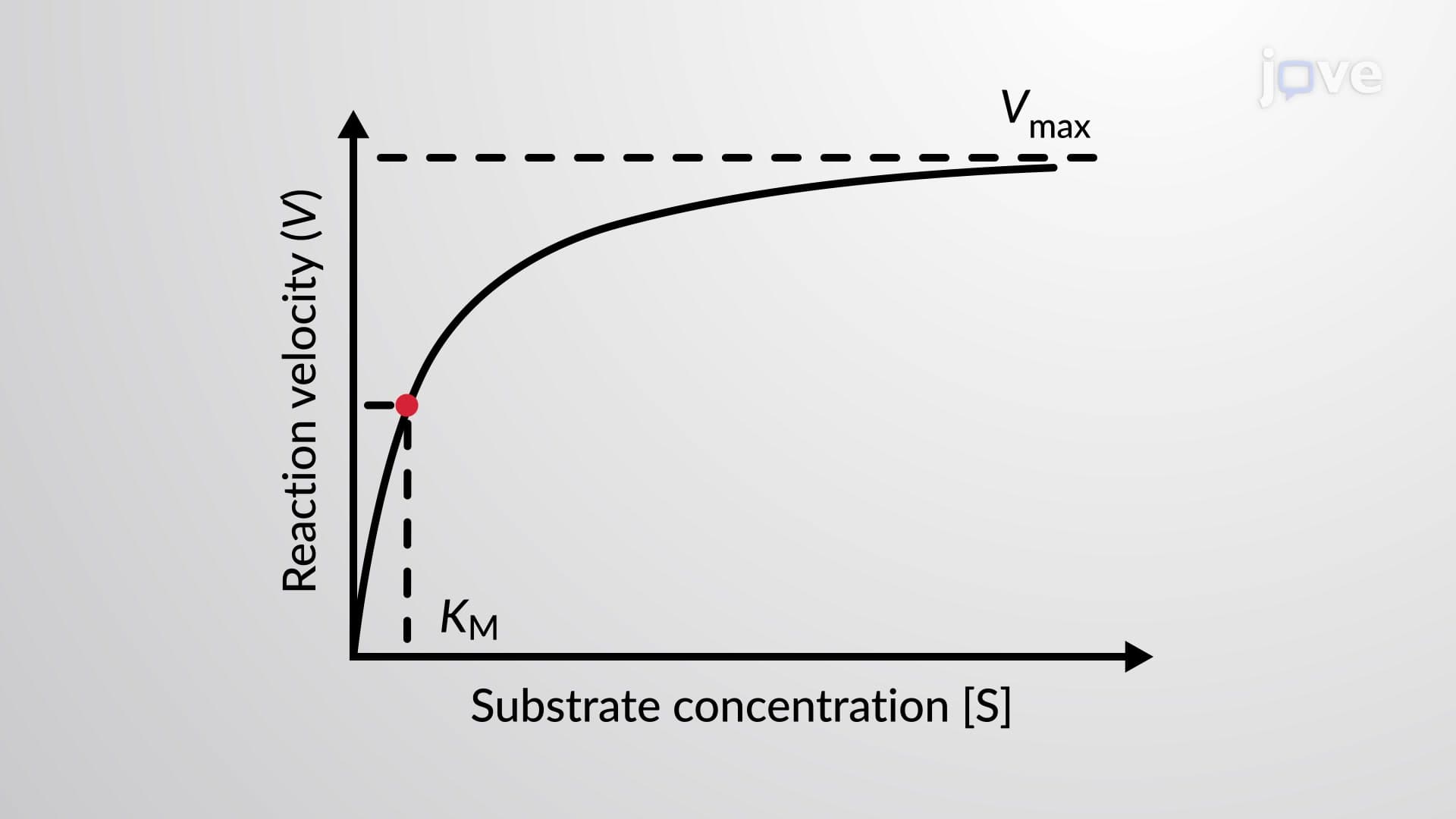
- Identify the mathematical relationship between maximum velocity (Vmax), enzyme concentration, and turnover number in biochemical reactions
- Analyze how the kcat/KM ratio determines which enzymes are most efficient at catalyzing specific substrate transformations
- Compare different enzymes based on their turnover numbers, ranging from less than one to millions of substrate molecules per second
- Evaluate why enzymes with high kcat values and low KM values demonstrate superior catalytic efficiency in biological systems
- Apply turnover number calculations to determine enzyme performance in laboratory and industrial biotechnology applications
- Recognize how substrate affinity (KM) and catalytic rate (kcat) work together to influence overall enzyme effectiveness
- Explore real-world examples of enzyme efficiency in pharmaceutical manufacturing and metabolic pathway optimization
Understanding Turnover Number And Catalytic Efficiency Explained
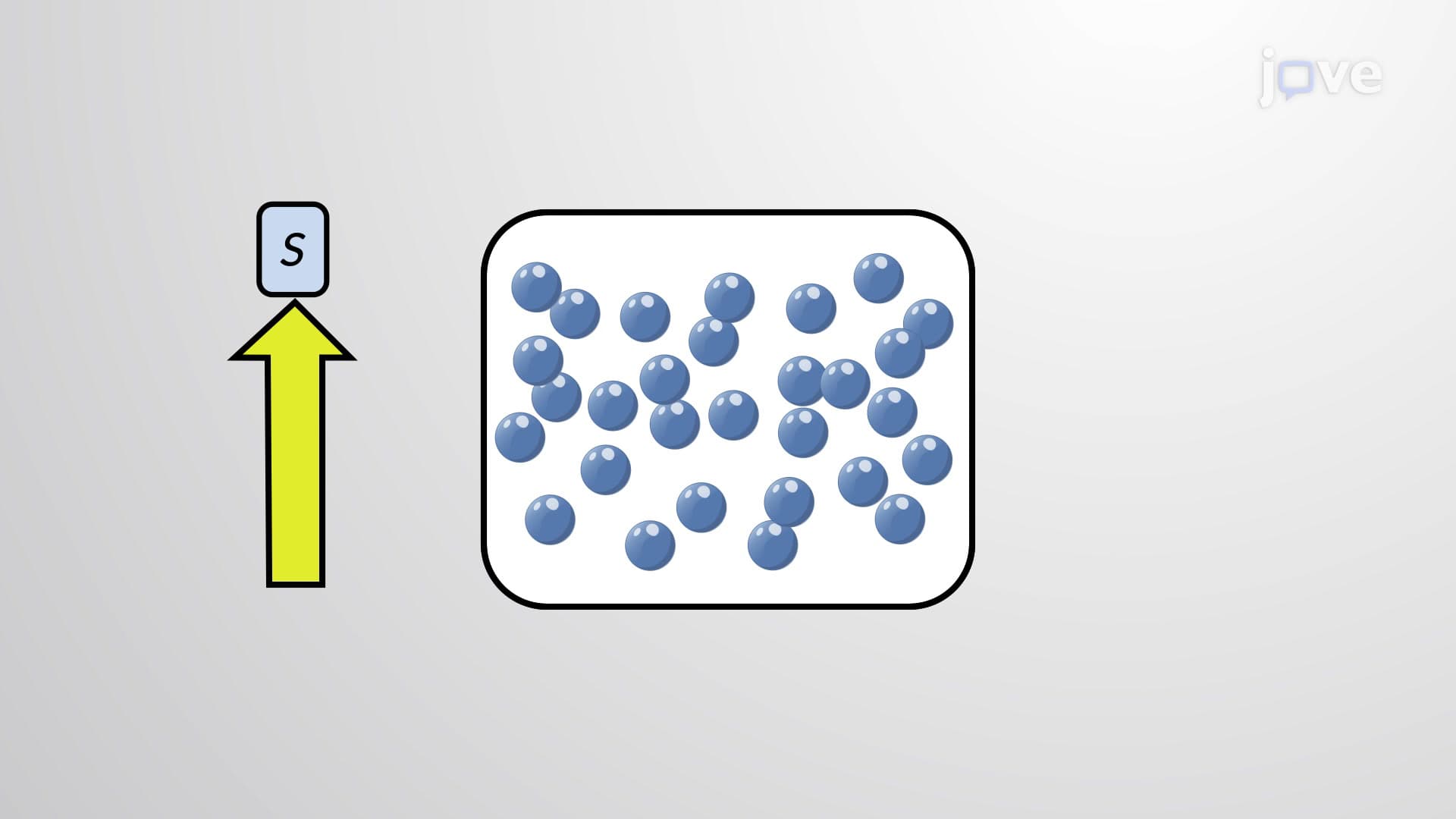
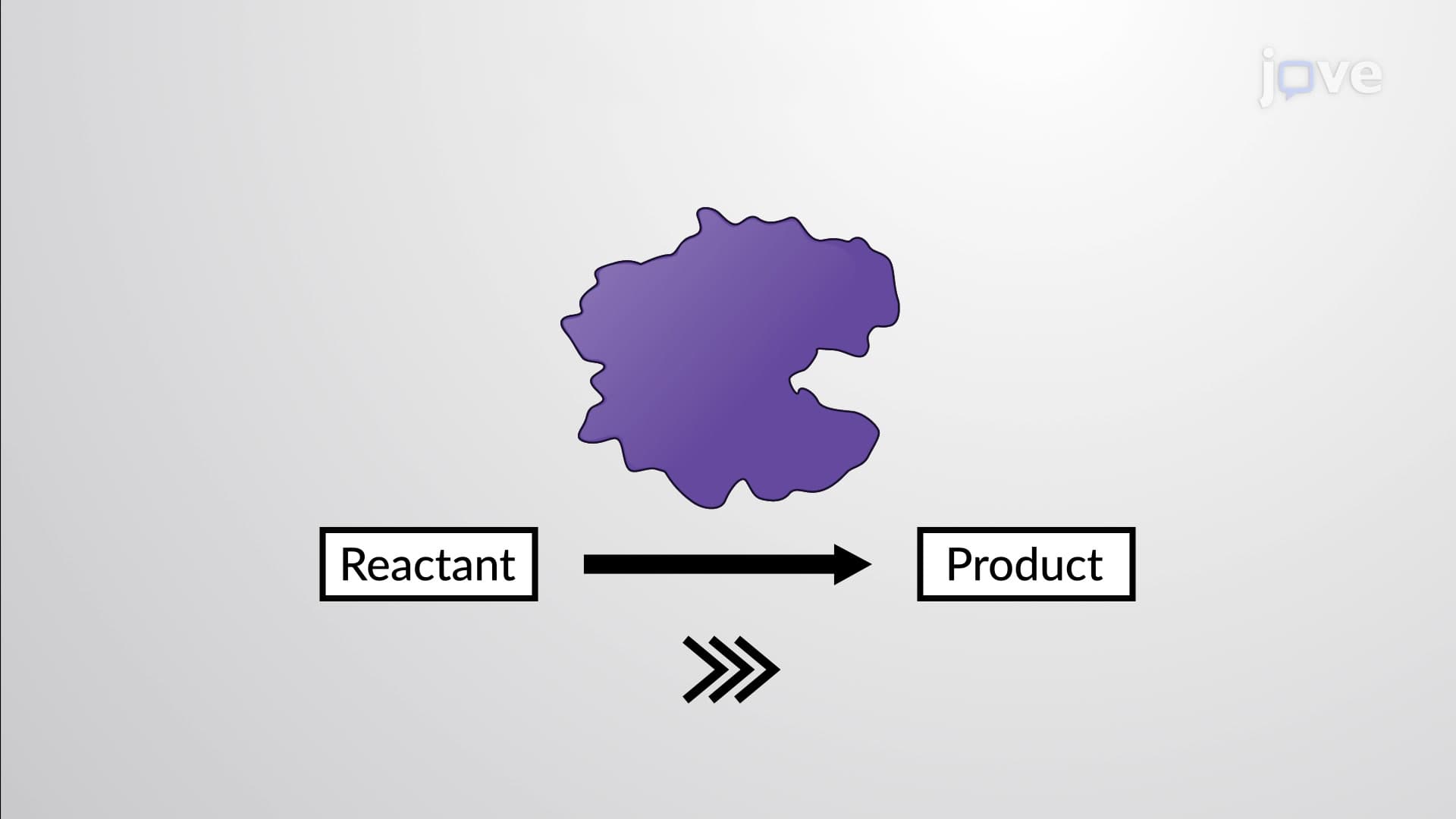
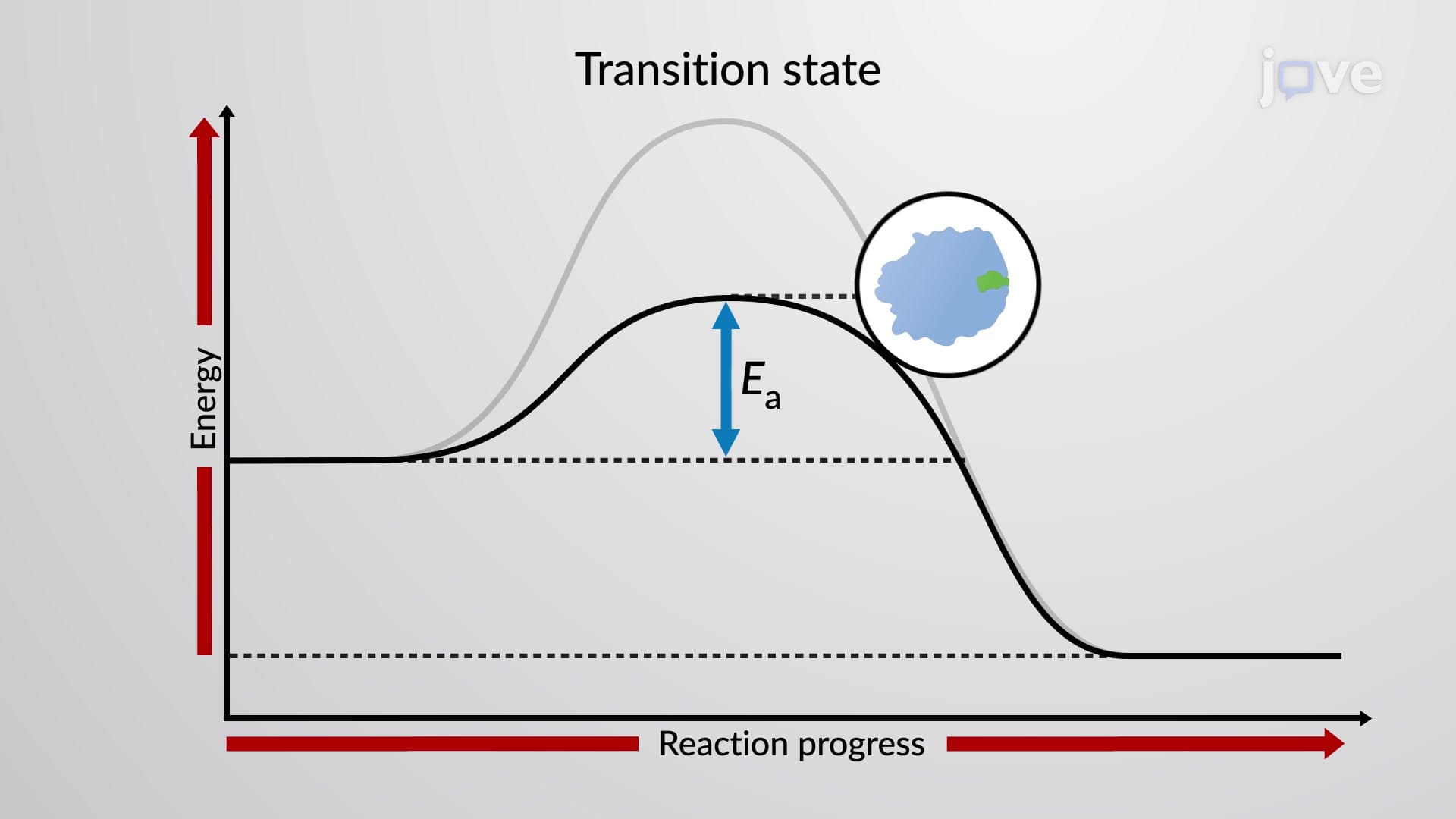
Enzymes are the molecular workhorses of biological systems, and their effectiveness depends on two critical parameters that together define their performance. The turnover number (kcat) represents the maximum number of substrate molecules an enzyme can convert to products per unit time when the enzyme is fully saturated with substrate. This fundamental concept helps biochemists and students understand why certain enzymes excel in specific biological roles.
Calculating and Interpreting Turnover Numbers
The turnover number is calculated using the formula: kcat = Vmax / [E]total, where Vmax represents the maximum reaction velocity and [E]total is the total enzyme concentration. This calculation reveals fascinating differences across enzyme families. For example, carbonic anhydrase, crucial for CO2 transport in blood, has a turnover number exceeding 1 million molecules per second, making it one of the fastest enzymes known. In contrast, DNA polymerases used in replication have much lower turnover numbers, reflecting their need for high fidelity rather than speed.
The KM Factor in Catalytic Efficiency
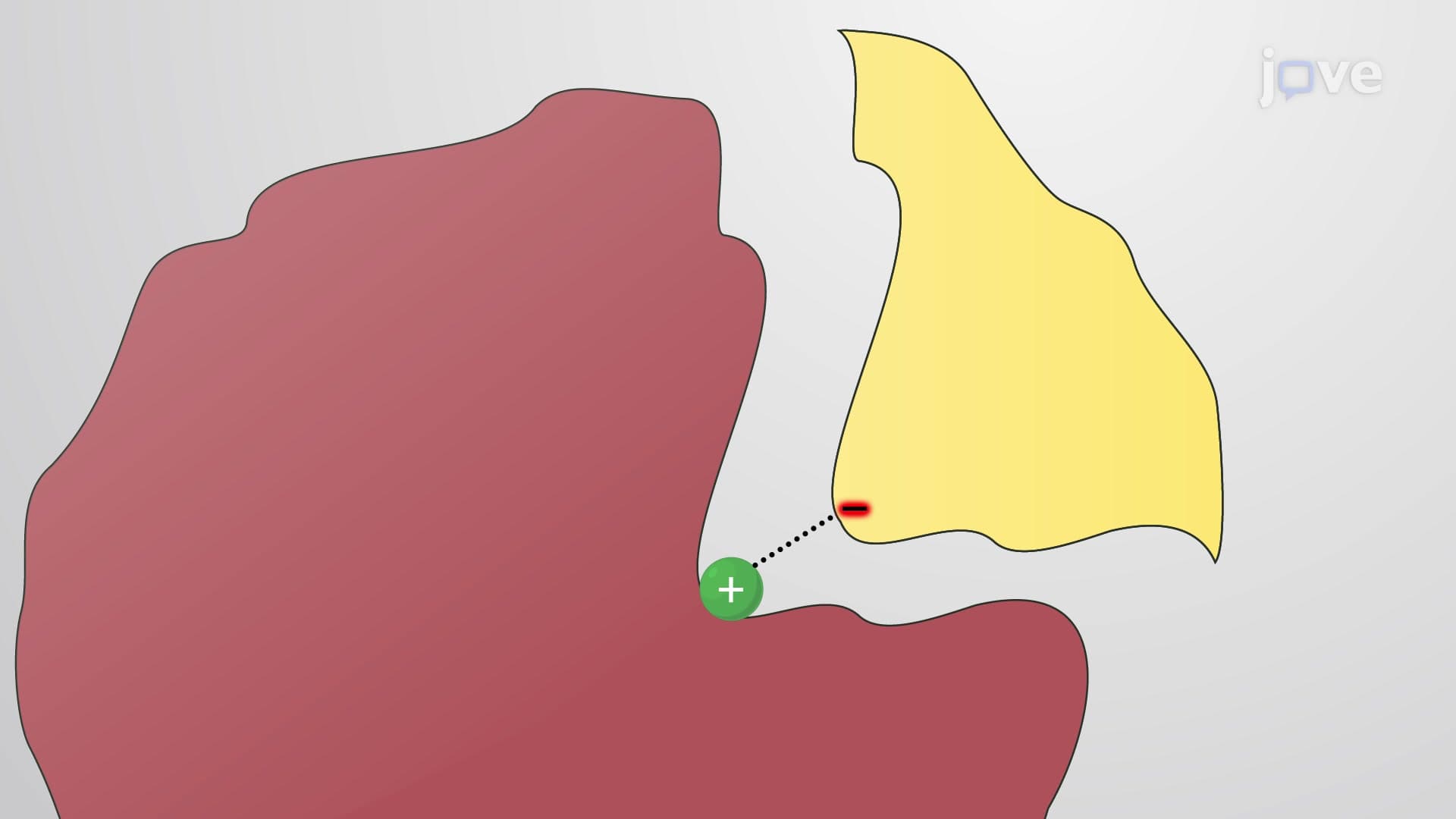
While turnover number measures speed, the Michaelis constant (KM) measures substrate affinity-how tightly an enzyme binds its substrate. Enzymes with low KM values have strong substrate binding, while high KM values indicate weaker binding. The magic happens when we combine these parameters into the catalytic efficiency ratio: kcat/KM. This ratio provides the most comprehensive measure of enzyme performance, accounting for both speed and substrate binding strength.
Real-World Applications and Exam Relevance
Understanding these concepts is essential for AP Biology, college biochemistry courses, and pre-med preparation including the MCAT. Pharmaceutical companies like Pfizer and Moderna rely on enzyme efficiency principles when developing production processes for medications and vaccines. In clinical settings, measuring enzyme activity helps diagnose conditions-elevated liver enzymes in blood tests indicate tissue damage because normally intracellular enzymes leak into circulation. Students should practice calculating kcat values and interpreting kcat/KM ratios, as these frequently appear in college midterm exams and standardized tests.
Frequently Asked Questions
Turnover number (kcat) measures how many substrate molecules one enzyme can process per second at maximum speed, while catalytic efficiency (kcat/KM) combines this speed with how well the enzyme binds its substrate. Think of it like comparing sports cars-turnover number is top speed, while catalytic efficiency considers both speed and handling. Together, they determine which enzyme performs best for specific biological tasks.
These concepts frequently appear in enzyme kinetics problems on AP Biology exams and college biochemistry tests where you calculate kcat from given Vmax and enzyme concentration data. Many MCAT questions test your ability to interpret kcat/KM ratios to determine which enzyme is most efficient. Practice problems often involve comparing multiple enzymes or predicting how mutations might affect catalytic efficiency.
MCAT biochemistry sections often present enzyme kinetics graphs and ask you to calculate or compare kcat values between wild-type and mutant enzymes. You might see questions about which substrate an enzyme preferentially processes based on kcat/KM ratios. The exam also tests understanding of how temperature, pH, and inhibitors affect these parameters in physiological contexts.
Companies like Johnson & Johnson optimize enzyme efficiency when producing medications through biotechnology processes, selecting enzymes with high kcat/KM ratios for cost-effective manufacturing. Drug designers also consider these parameters when developing enzyme inhibitors as medications-understanding natural enzyme efficiency helps predict how effectively a drug will compete with natural substrates. Clinical enzyme assays used for diagnosis rely on these same principles.
While the math involves basic algebra that most high school students can handle, the concepts build logically from simpler enzyme topics you've already studied. Start by mastering what enzymes do, then add the quantitative aspects gradually. Most students find the real-world connections (like why some enzymes work faster than others) help make the calculations more meaningful and easier to remember.
Create a formula sheet with kcat = Vmax/[E]total and practice calculating both values from different starting information. Work through problems comparing enzymes with different kcat and KM values to determine which is most efficient. Use flashcards for key enzyme examples (like carbonic anhydrase's high turnover number) that frequently appear on standardized tests, and practice interpreting enzyme kinetics graphs.
Build on this foundation by exploring competitive and noncompetitive enzyme inhibition, which directly affects these parameters in living systems. Study allosteric regulation and how it modifies enzyme efficiency in metabolic pathways. Advanced topics include enzyme evolution, protein engineering for improved catalytic efficiency, and how diseases result from enzymes with altered kcat or KM values.
Related Micro-courses