Loading subject page…


235,304 views


Video Summary: What are Catalytically Perfect Enzymes
Did you know that some enzymes are so efficient they can process substrates faster than physically possible? Catalytically perfect enzymes represent nature's ultimate biological catalysts, achieving maximum efficiency with turnover rates reaching 10^8 to 10^9 reactions per second. Consider carbonic anhydrase in human red blood cells-it converts CO2 to bicarbonate so rapidly that it's limited only by how fast molecules can physically move through water. These remarkable proteins demonstrate what happens when evolution optimizes enzymatic function to theoretical limits. Watch the full video on JoVE Coach to master this concept with expert-led visuals and step-by-explanations.
Catalytically perfect enzymes represent the pinnacle of enzymatic evolution-biological catalysts that have achieved theoretical maximum efficiency. These extraordinary proteins operate at the physical limits of what's possible for enzyme-catalyzed reactions, making them fascinating subjects for biochemistry students and researchers alike.
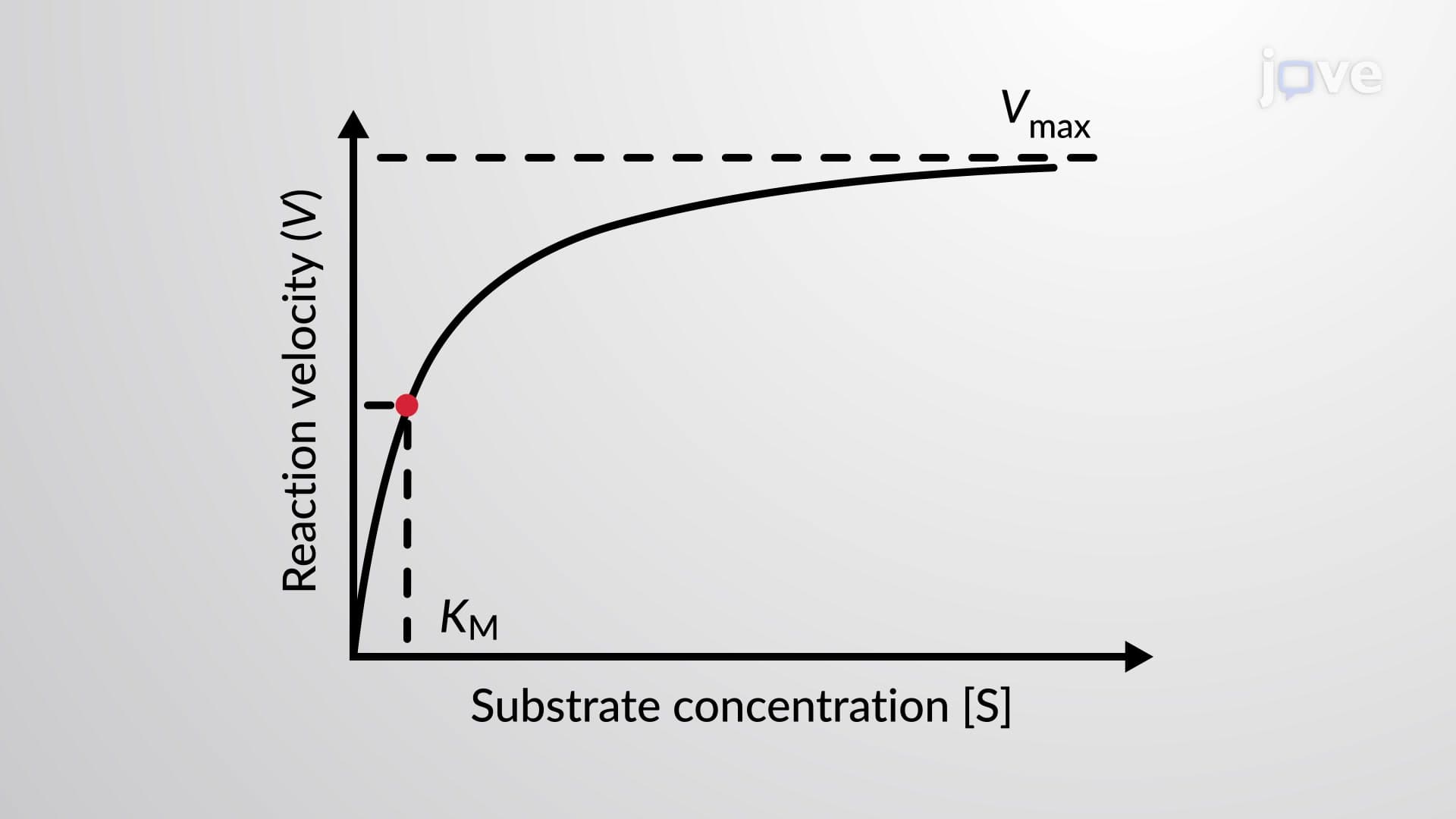
The hallmark of catalytically perfect enzymes lies in their exceptional kcat/KM ratios, which measure catalytic efficiency. The kcat value represents the turnover number-how many substrate molecules one enzyme can convert to product per second. KM indicates the enzyme's affinity for its substrate, with lower values showing stronger binding.
For catalytically perfect enzymes, the kcat/KM ratio reaches extraordinary levels between 10^8 and 10^9 M^-1s^-1. To put this in perspective, these enzymes process substrates so efficiently that they approach the theoretical limit imposed by molecular diffusion in aqueous solutions. This concept frequently appears on AP Biology exams and MCAT biochemistry sections, where students must calculate and interpret these ratios.
What makes these enzymes "perfect" is that their reaction rates are limited solely by substrate diffusion-the random molecular motion that brings substrates to the enzyme's active site. Unlike typical enzymes where chemical bond formation or breaking may be rate-limiting, catalytically perfect enzymes have eliminated all kinetic barriers except the physical movement of molecules through solution.
Consider carbonic anhydrase, found in human red blood cells and kidney cells. This enzyme catalyzes the reversible hydration of CO2 to form bicarbonate and protons, essential for CO2 transport and pH regulation. Its kcat/KM ratio of approximately 10^8 M^-1s^-1 means it processes CO2 molecules as fast as they can physically encounter the enzyme.
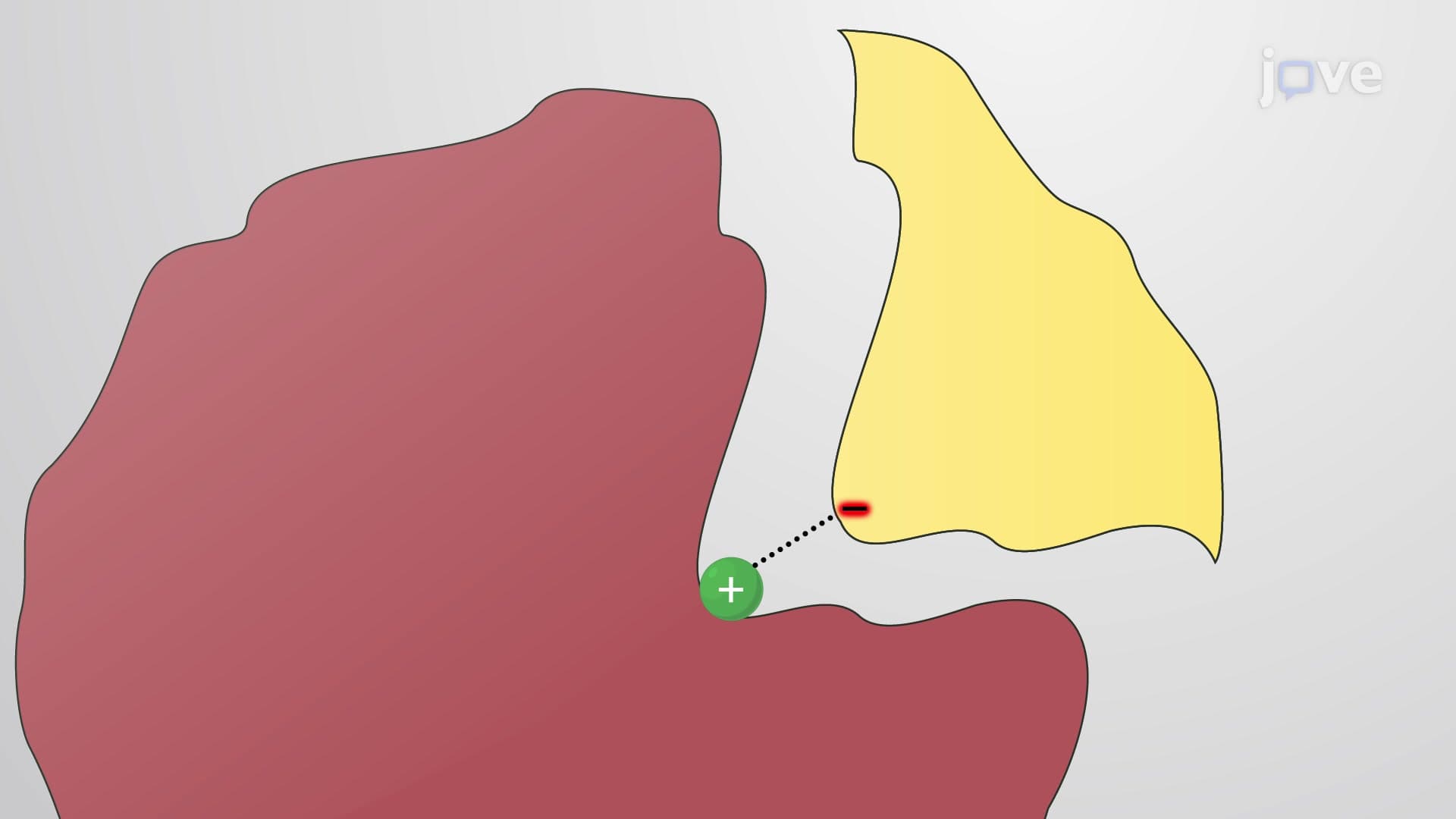
Many catalytically perfect enzymes employ sophisticated electrostatic mechanisms to enhance their efficiency. These enzymes create electric field gradients around their active sites that attract and precisely guide substrate molecules. This "electrostatic steering" increases the probability that random molecular collisions will be productive, ensuring nearly every enzyme-substrate encounter results in catalysis.
Triose phosphate isomerase, crucial in glycolysis, exemplifies this principle. Its positively charged active site attracts the negatively charged phosphate groups of its substrates, dramatically increasing collision efficiency. This enzyme appears regularly in college biochemistry courses and medical school curricula as a prime example of catalytic optimization.
Understanding catalytically perfect enzymes provides crucial insights into enzyme kinetics, metabolic efficiency, and evolutionary adaptation-concepts essential for success in advanced biology courses and healthcare professional programs.
Related Micro-courses