Loading subject page…


235,304 views

Video Summary: What are Coupled Reactions
Ever wonder how your muscles contract or how plants build complex molecules? Coupled reactions make these energy-demanding processes possible by linking energy-releasing reactions with energy-requiring ones. This fundamental biochemical mechanism powers everything from protein synthesis in Harvard Medical School labs to muscle contraction during a Yankees game. Understanding what are coupled reactions reveals how cells efficiently manage energy transfer through ATP hydrolysis and biosynthetic pathways. Watch the full video on JoVE Coach to master this concept with expert-led visuals and step-by-step explanations.
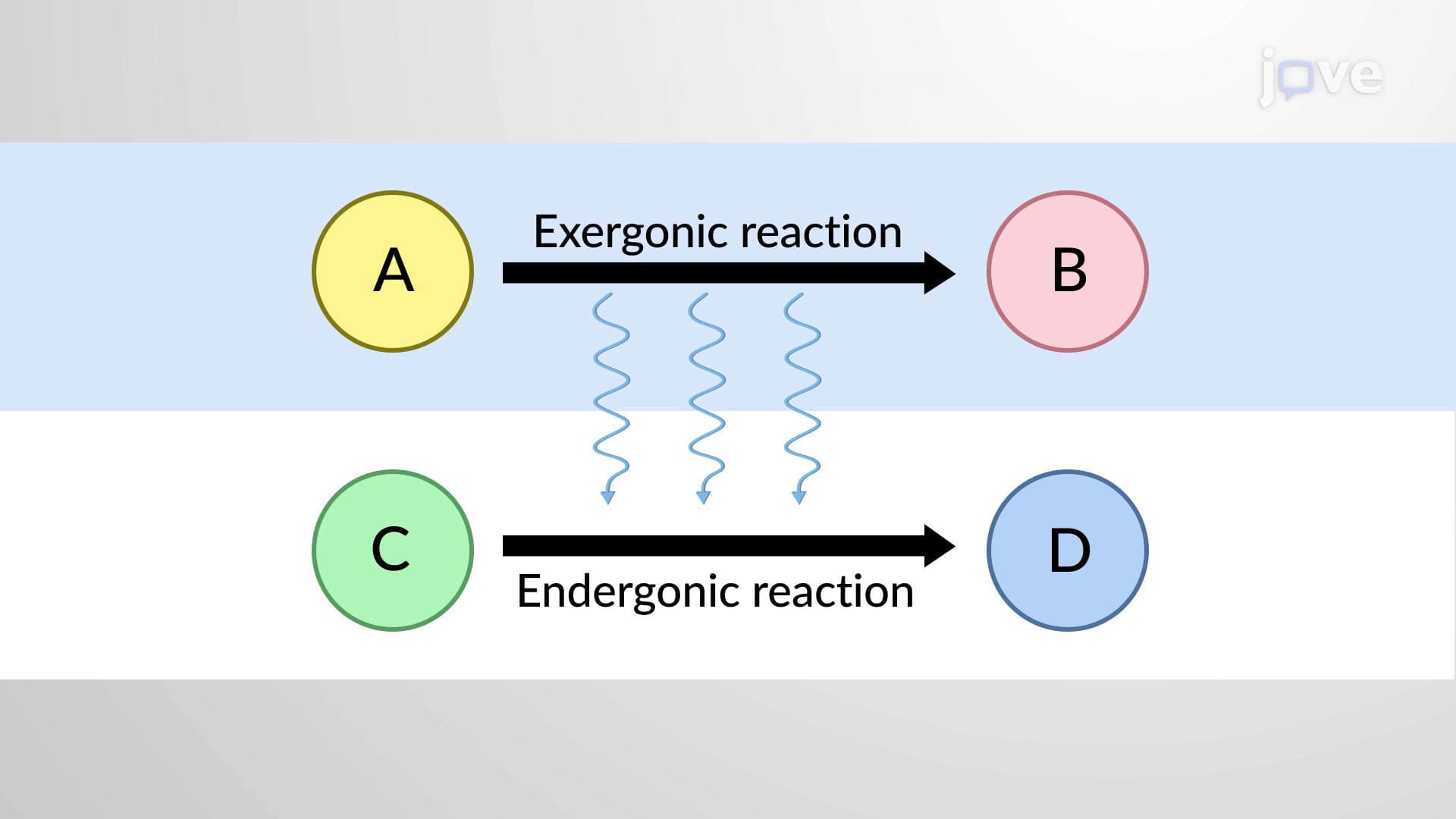
What are coupled reactions? They represent one of biology's most elegant solutions to an energy management problem. Cells constantly need to perform energy-requiring (endergonic) processes like building proteins, transporting ions against concentration gradients, and contracting muscles. However, these processes cannot occur spontaneously because they require energy input. Coupled reactions solve this challenge by linking endergonic reactions with exergonic (energy-releasing) reactions, creating a thermodynamically favorable overall process.
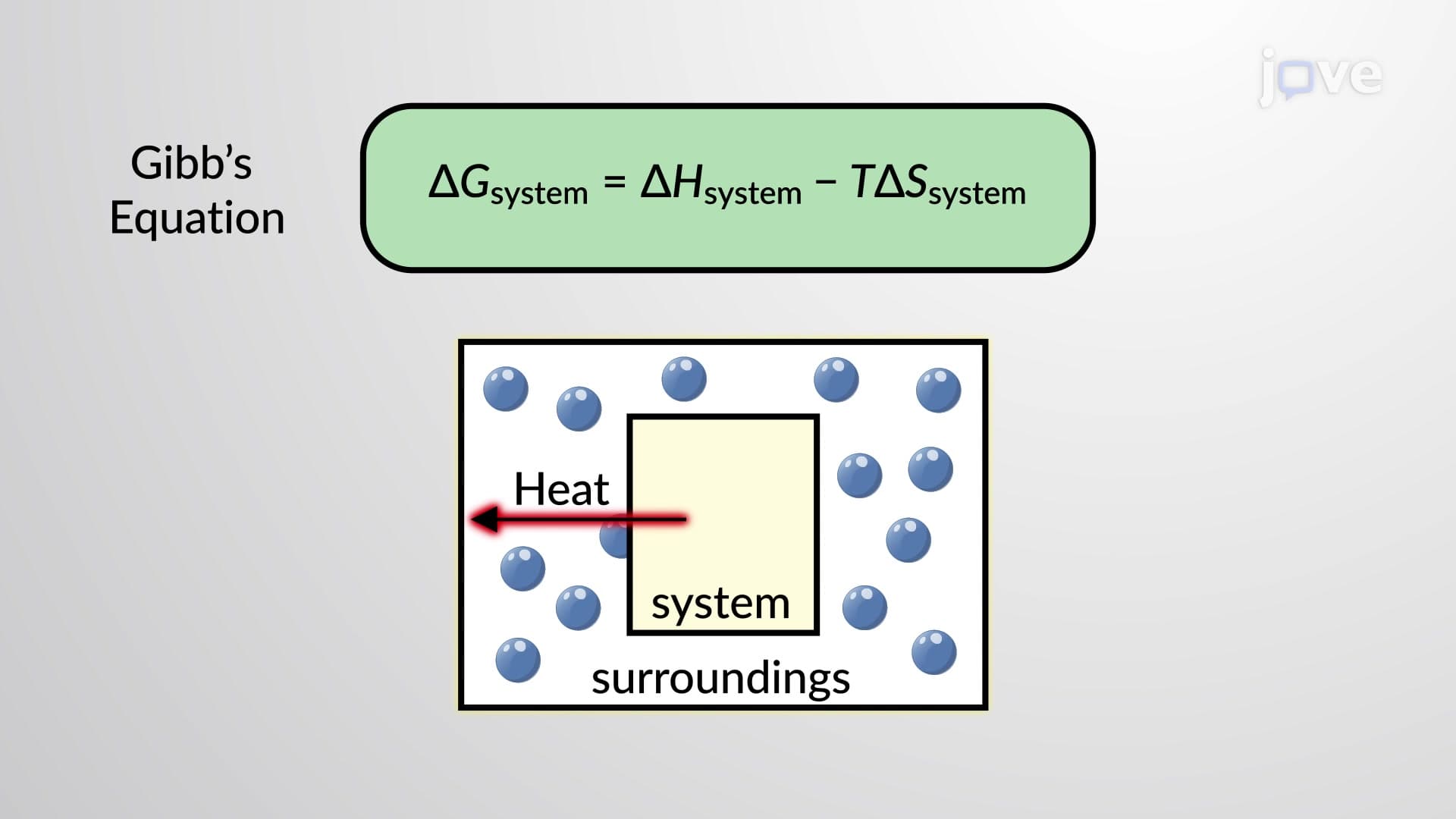
The key principle governing coupled reactions lies in free energy changes. When calculating whether a coupled reaction can proceed, scientists sum the individual free energy changes (ΔG) of each component reaction. If the total ΔG is negative, the coupled reaction proceeds spontaneously. For example, glutamine synthesis from glutamate and ammonia has a positive ΔG of +14.2 kJ/mol, making it thermodynamically unfavorable. However, coupling this reaction with ATP hydrolysis (ΔG = -30.5 kJ/mol) yields a net ΔG of -16.3 kJ/mol, allowing the reaction to proceed.
This concept frequently appears on AP Biology exams and MCAT questions, where students must calculate net free energy changes and predict reaction spontaneity. College biochemistry courses at institutions like MIT and Stanford emphasize these calculations as fundamental to understanding cellular metabolism.
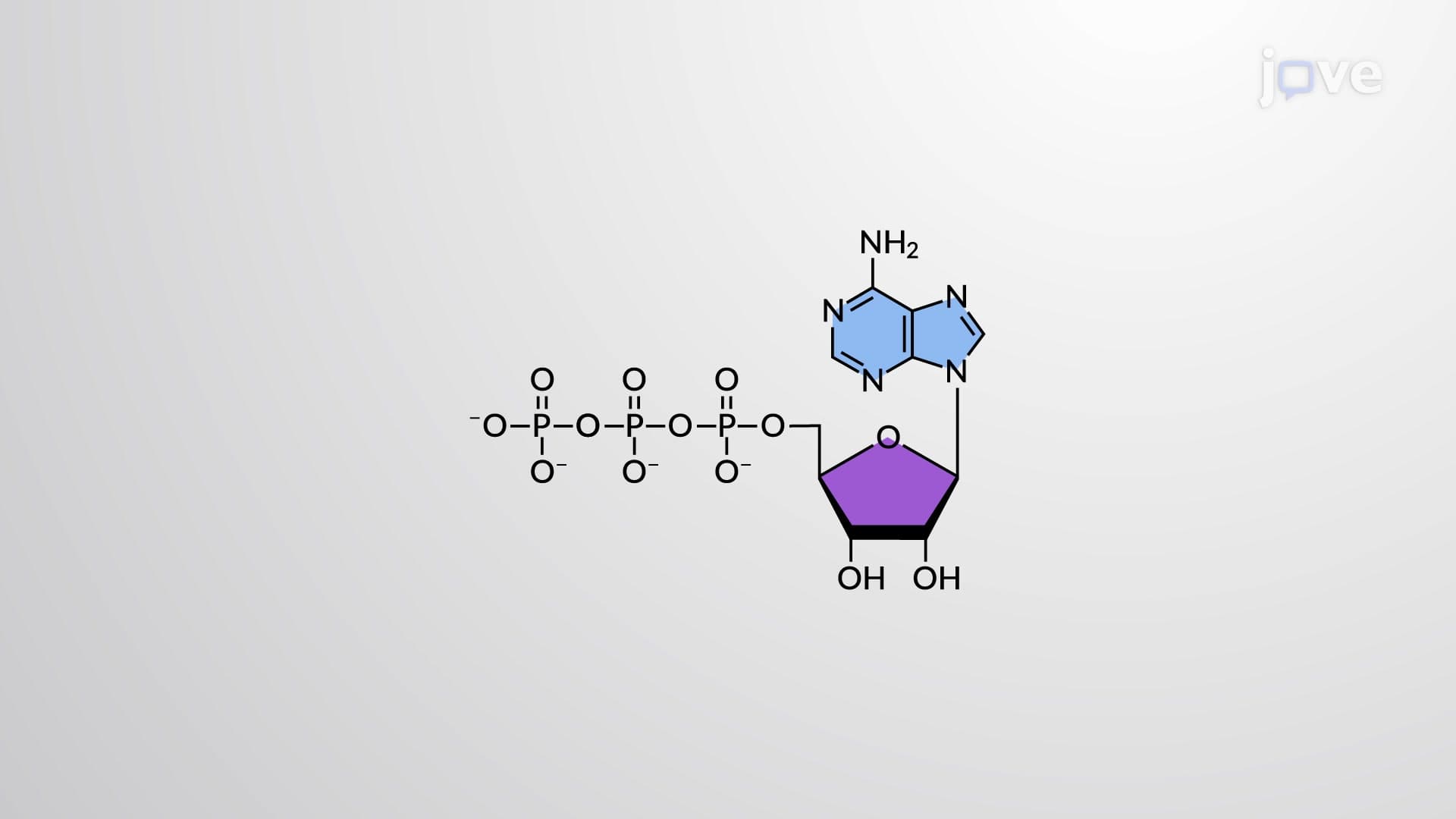
ATP hydrolysis serves as the primary driving force for most coupled reactions in cells. When ATP breaks down to ADP and inorganic phosphate, it releases approximately 30.5 kJ/mol under standard cellular conditions. This substantial energy release can power numerous endergonic processes, from DNA replication in cancer research labs at MD Anderson to muscle contraction during NFL training sessions.
The versatility of ATP makes it ideal for energy coupling. Its phosphate bonds store readily accessible energy, and the products (ADP and Pi) can be recycled back to ATP through cellular respiration. This creates a continuous energy cycle that sustains life processes.
Beyond simple energy transfer, coupled reactions often involve shared intermediates that facilitate energy coupling. In glutamine biosynthesis, the phosphate group from ATP first attaches to glutamate, forming the unstable intermediate glutamyl phosphate. This intermediate then reacts with ammonia to produce glutamine, effectively transferring the energy from ATP hydrolysis to drive amino acid synthesis.
Similar mechanisms operate in active transport, where sodium-potassium pumps in nerve cells use ATP hydrolysis to move ions against their concentration gradients. This process is crucial for nerve signal transmission, a topic commonly tested on USMLE Step 1 exams and featured in physiology courses at medical schools nationwide.
Related Micro-courses