Loading subject page…


235,308 views

Video Summary: What are Endergonic and Exergonic Reactions
Ever wonder why your muscles can contract instantly but need ATP supplements to keep going? Endergonic exergonic reactions control every energy transfer in your body, from muscle contraction to cellular respiration in American athletes training for the Olympics. Endergonic reactions require energy input while exergonic reactions release energy spontaneously. Understanding What are Endergonic And Exergonic Reactions helps explain how cells power themselves through coupled energy processes. Watch the full video on JoVE Coach to master this concept with expert-led visuals and step-by-step explanations.
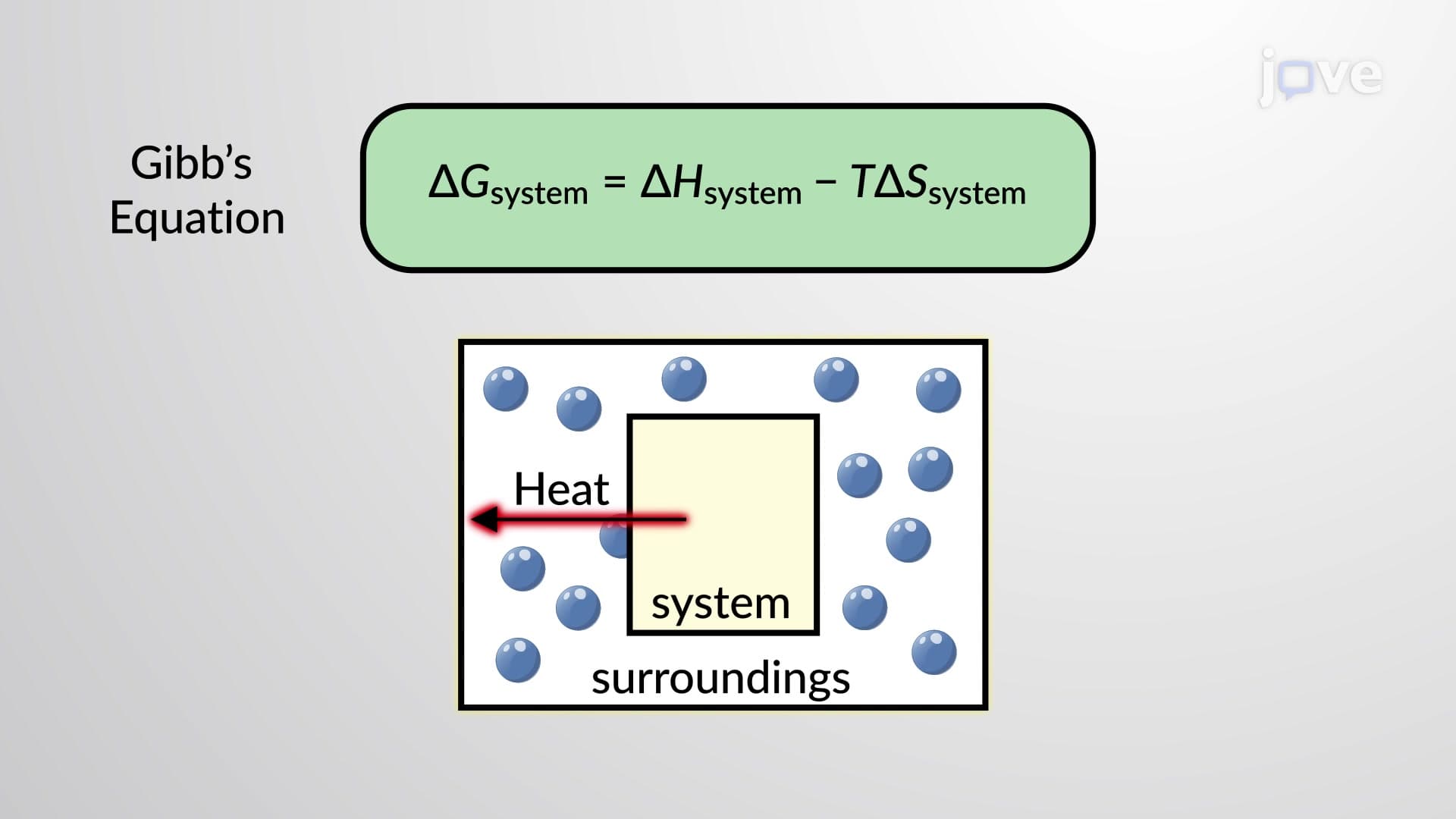
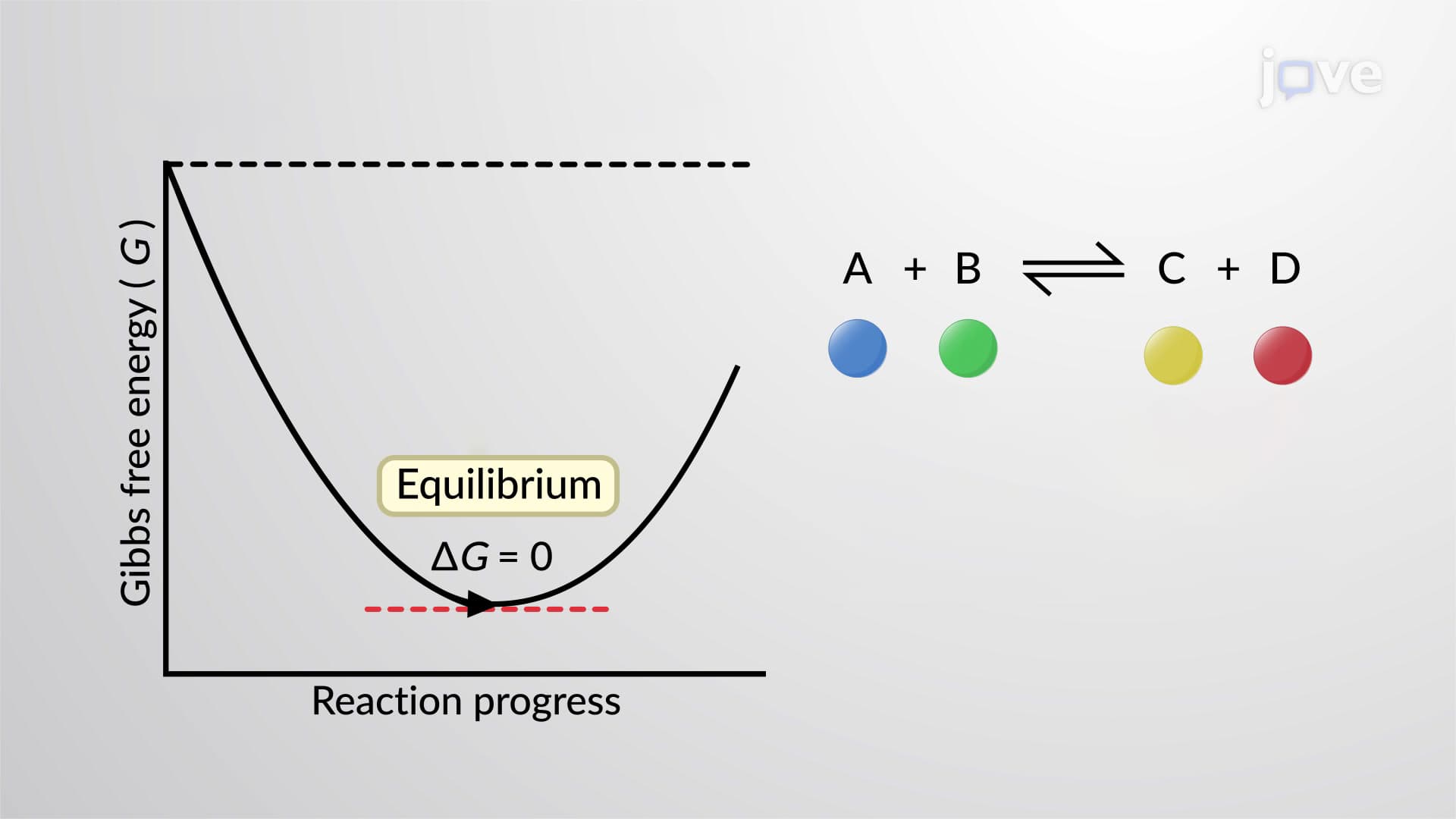
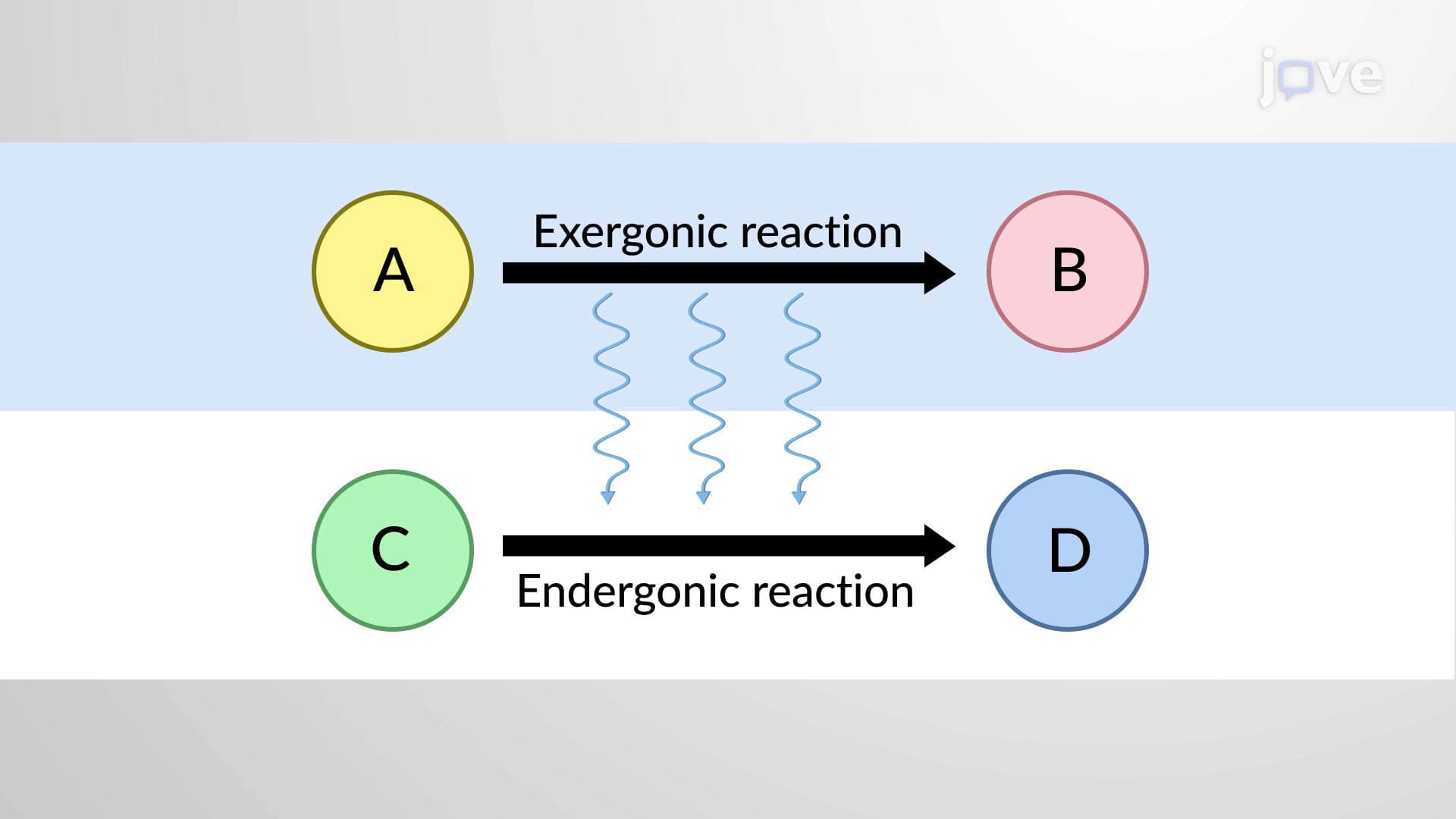
Endergonic exergonic reactions represent fundamental energy principles governing all biological processes. The distinction centers on free energy change (ΔG) - a thermodynamic measure determining reaction spontaneity. When ΔG < 0, reactions proceed spontaneously (exergonic), releasing energy like a ball rolling downhill. Conversely, when ΔG > 0, reactions require energy input (endergonic), like pushing that ball uphill.
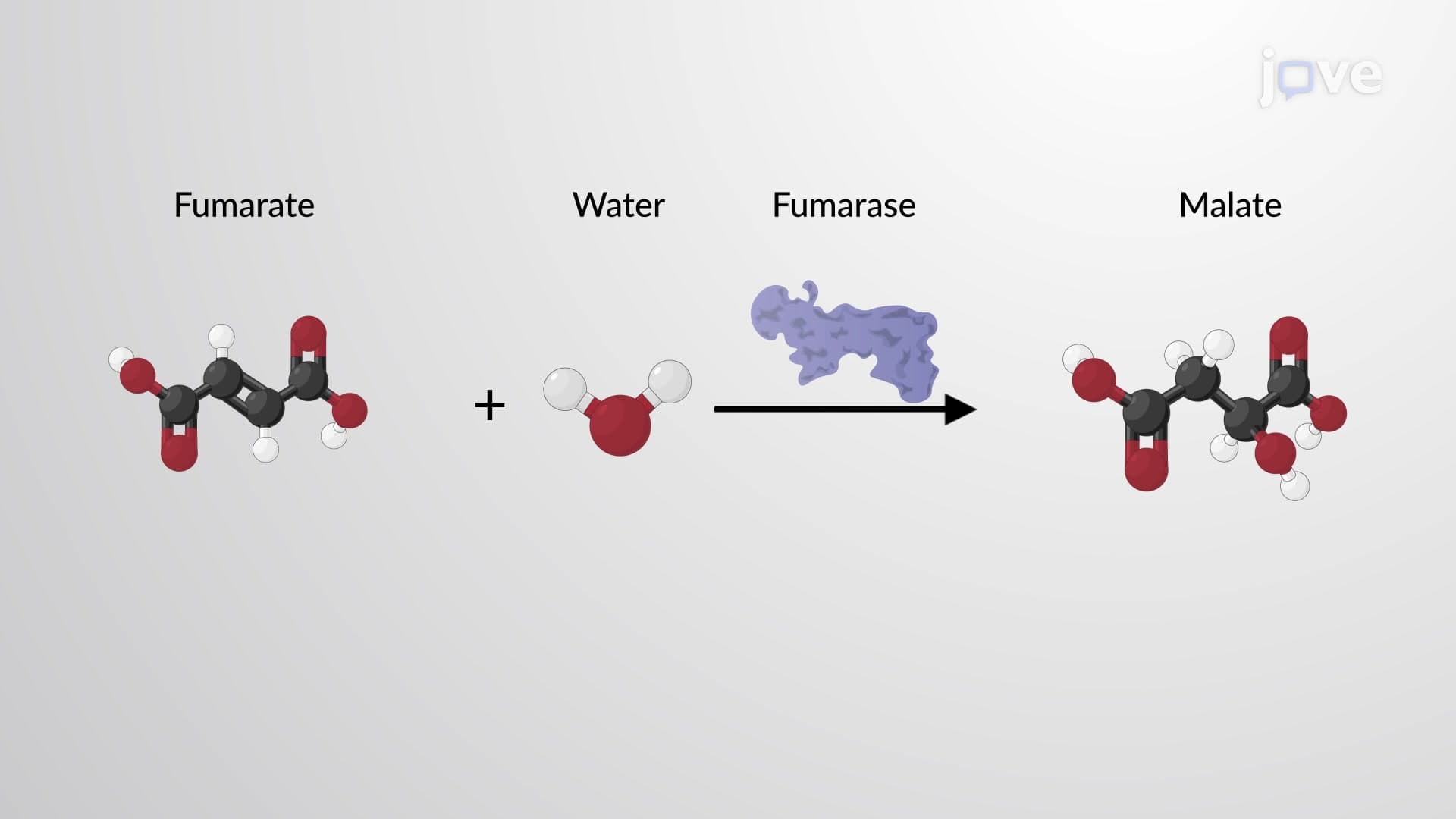
Standard conditions (ΔG°) provide consistent comparison points for reactions. The fumarate-to-malate conversion catalyzed by fumarase exemplifies exergonic processes with ΔG° = -3.8 kJ/mol. This reaction occurs naturally during the citric acid cycle in human cells, contributing to ATP production in athletes during intense training at facilities like the US Olympic Training Center in Colorado Springs.
Cells cleverly couple endergonic and exergonic reactions to drive essential processes. Glucose phosphorylation (ΔG° = +13.8 kJ/mol) cannot occur alone but couples with ATP hydrolysis (ΔG° = -30.5 kJ/mol). The combined process yields ΔG° = -16.7 kJ/mol, making glucose activation thermodynamically favorable. This principle underlies every metabolic pathway taught in AP Biology and college biochemistry courses.
Understanding endergonic and exergonic reactions proves crucial for MCAT preparation and medical school coursework. Metabolic disorders often involve disrupted energy coupling - diabetes affects glucose phosphorylation efficiency, while mitochondrial diseases impact ATP synthesis. Students at universities like Harvard Medical School study these principles to understand drug mechanisms, particularly those targeting energy metabolism in cancer treatment at institutions like MD Anderson Cancer Center.
Energy coupling explains athletic performance optimization. Creatine phosphate systems provide rapid ATP regeneration during explosive movements, representing coupled reactions that power NFL players during 40-yard dashes. Sports nutritionists at organizations like the US Anti-Doping Agency utilize these principles when designing legal performance enhancement strategies based on cellular energy optimization rather than prohibited substances.
Related Micro-courses