Loading subject page…


235,304 views

Video Summary: What are Enzymes
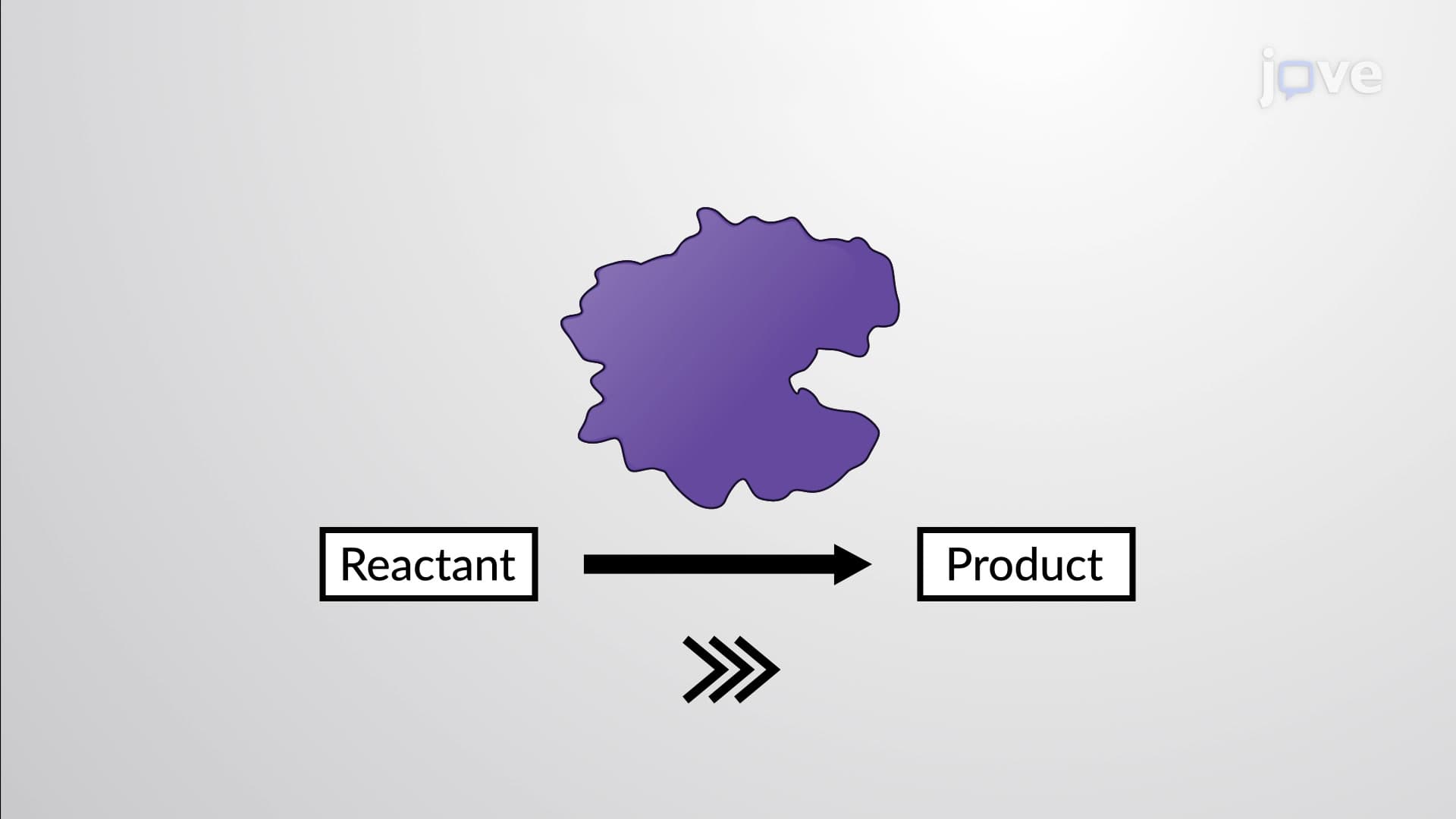
Did you know that without enzymes, digesting a single meal would take years instead of hours? Enzymes explained biology reveals how these remarkable protein catalysts speed up chemical reactions by millions of times without being consumed themselves. Consider how lactase enzyme in your digestive system breaks down milk sugar-without it, many Americans experience lactose intolerance. What are Enzymes? explores their structure, function, and critical role in all living systems. Watch the full video on JoVE Coach to master this concept with expert-led visuals and step-by-step explanations.
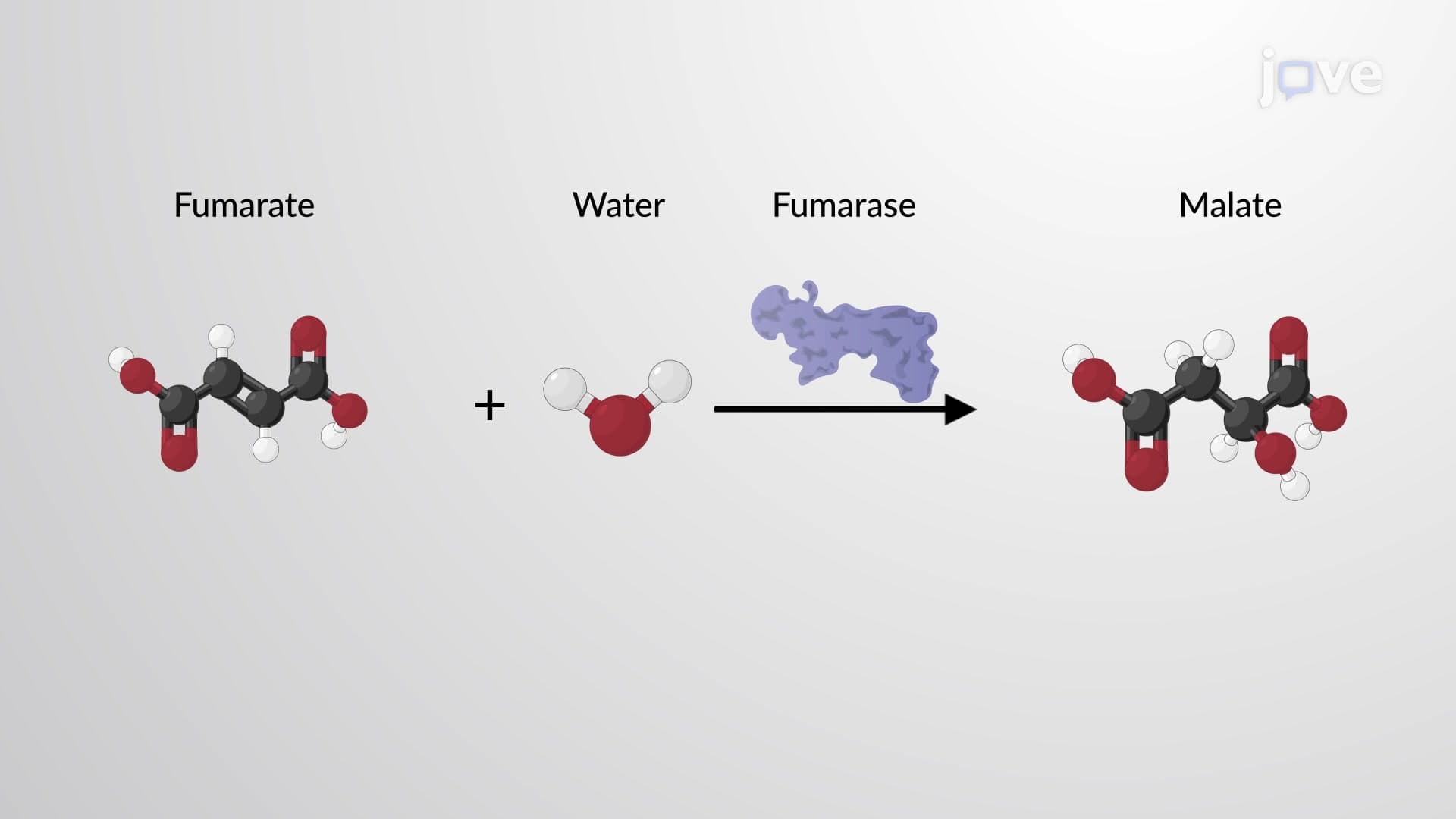
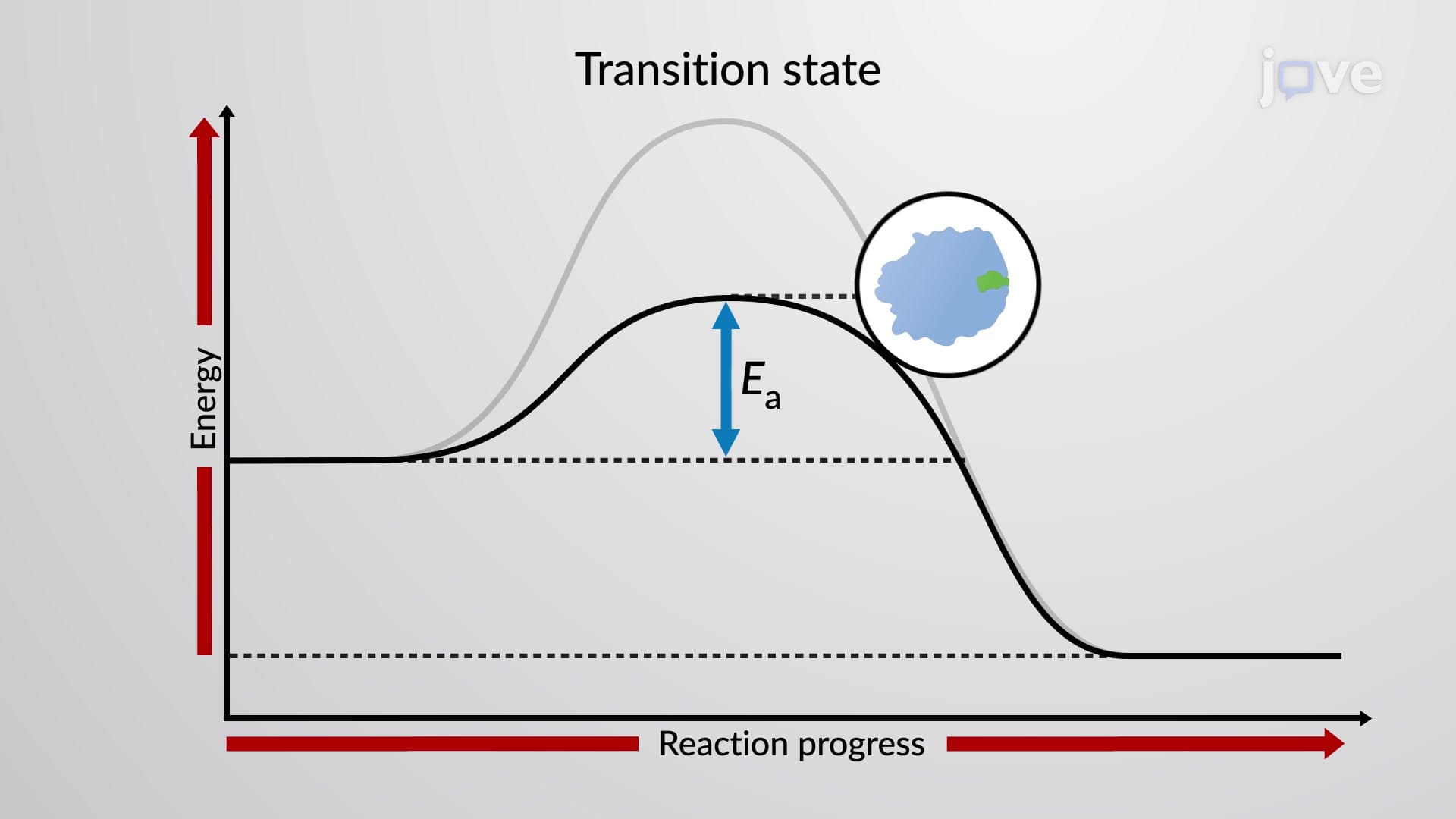
Enzymes explained biology as nature's ultimate efficiency experts-specialized proteins that make life's chemical reactions possible at body temperature and neutral pH. These biological catalysts are so effective that they can accelerate reaction rates by factors of 10^6 to 10^12, transforming processes that would normally require extreme conditions into smooth, controlled cellular operations.
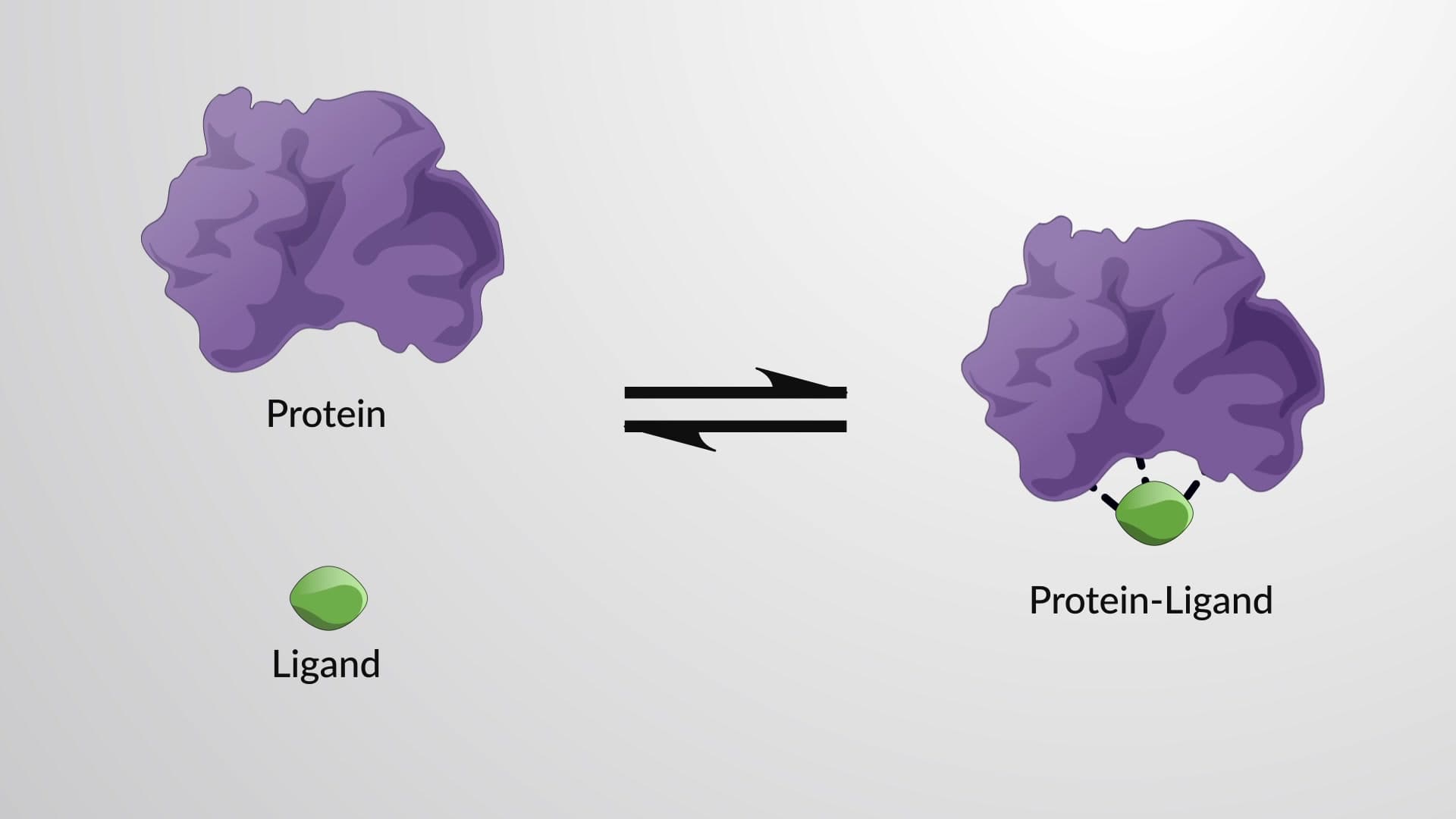
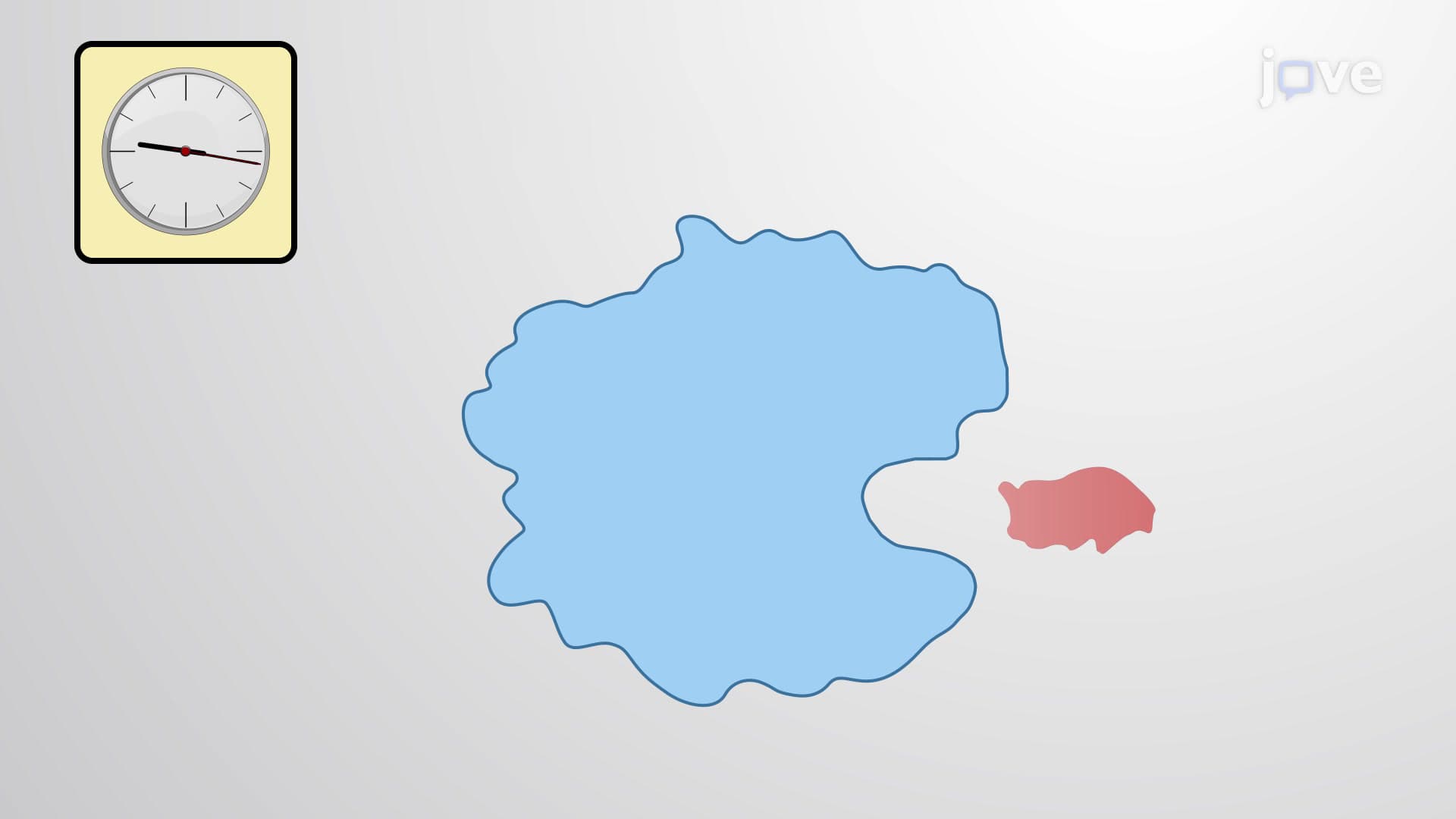
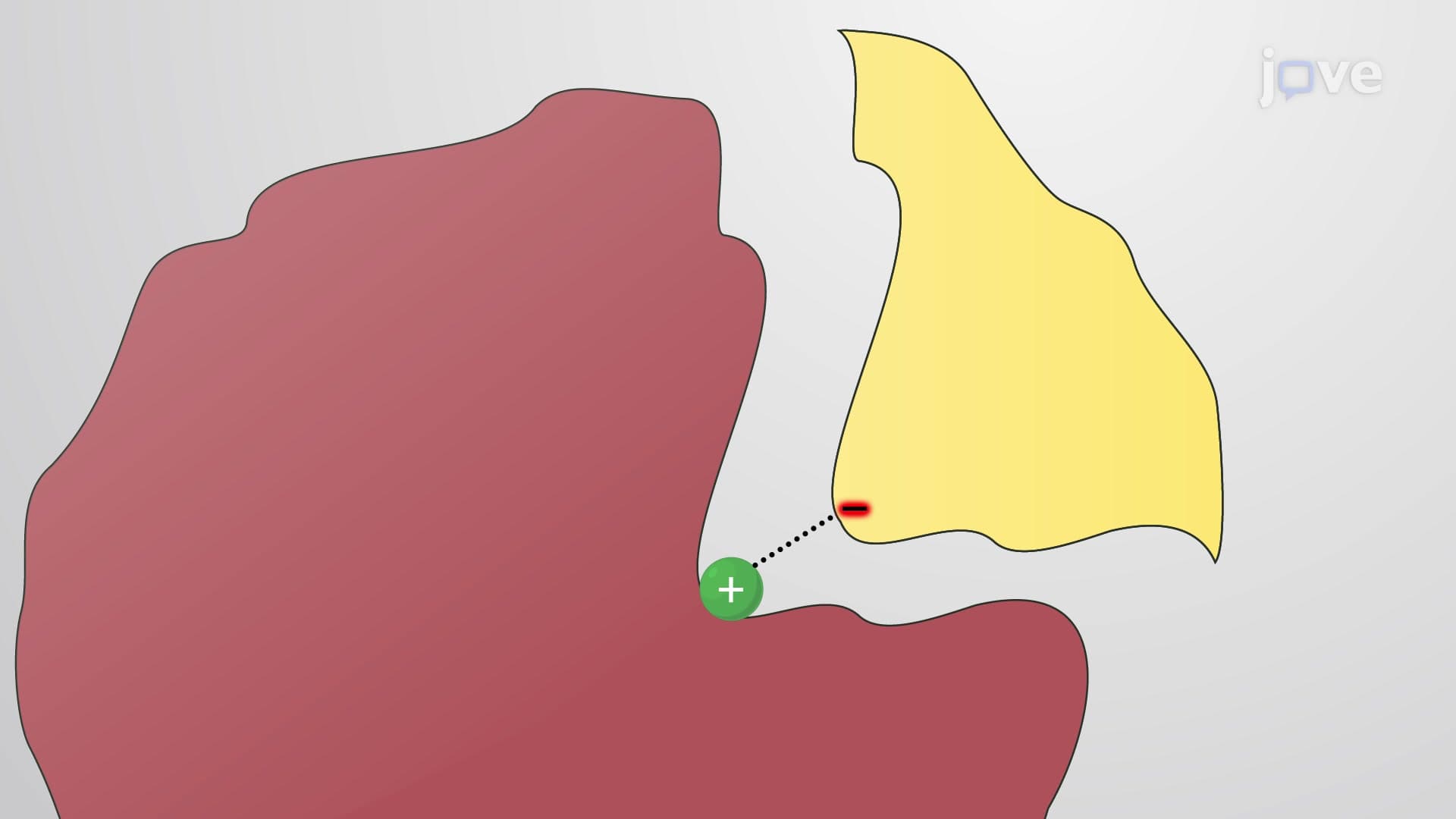
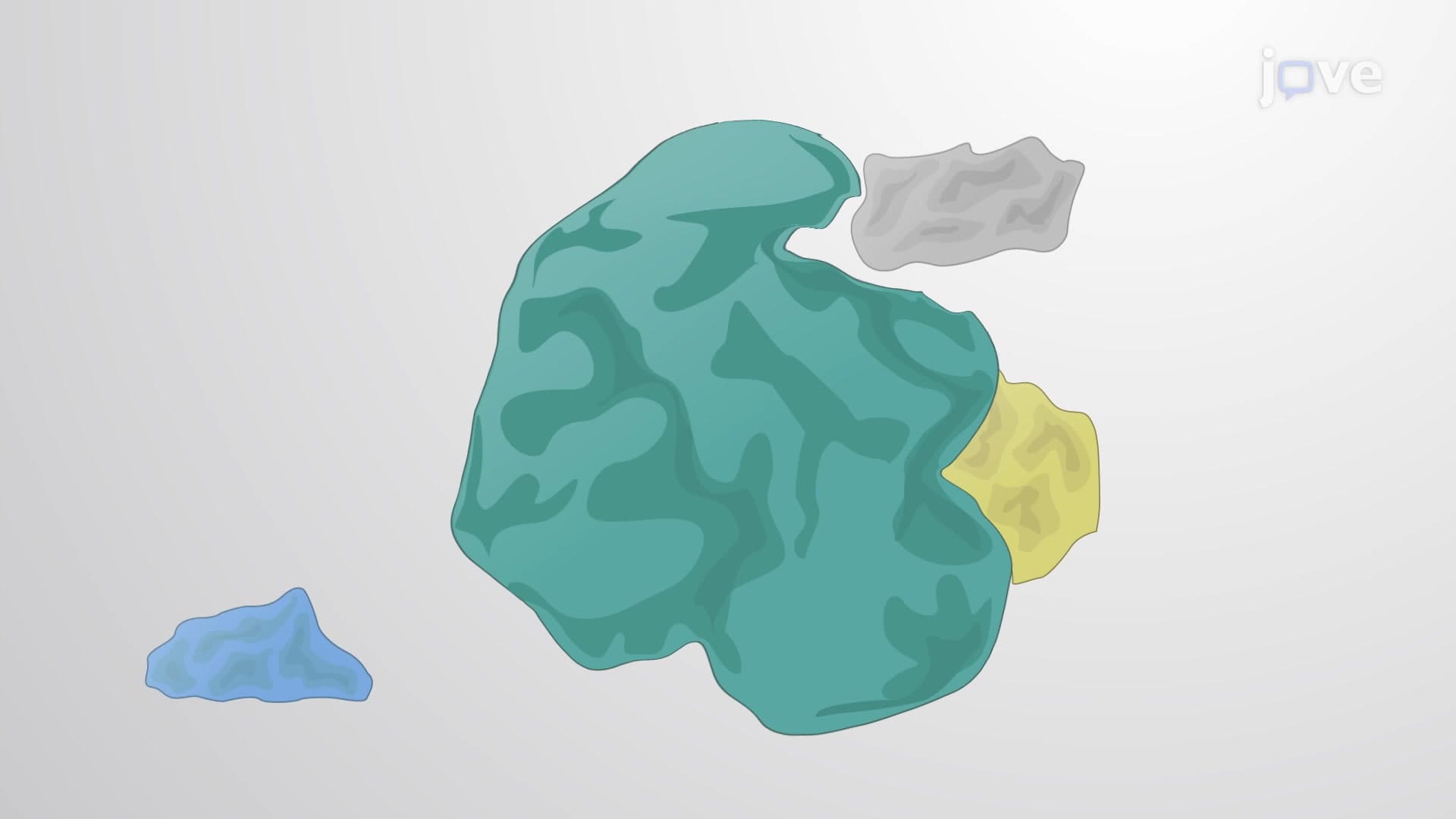
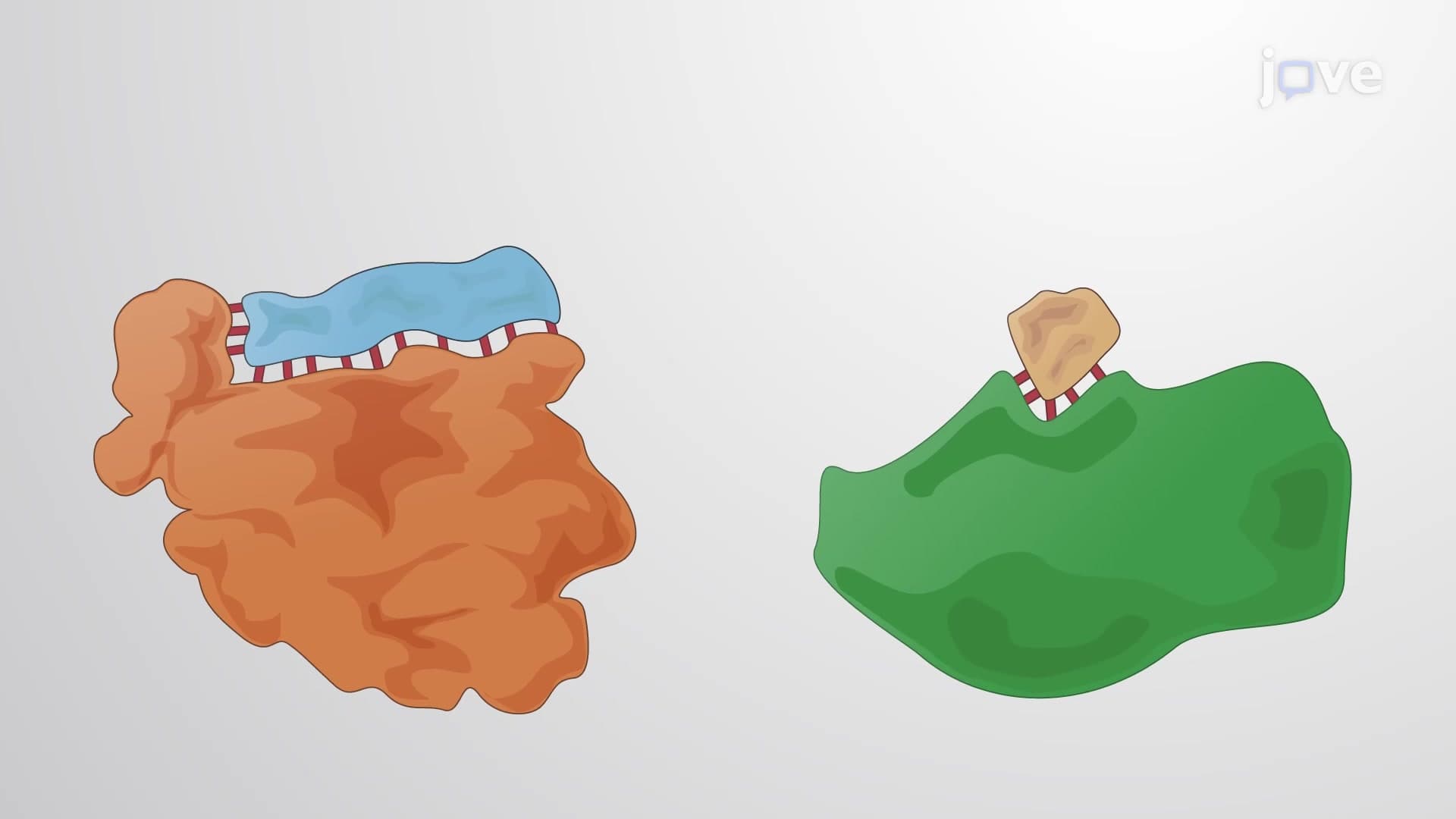
The enzyme definition and function centers on their unique three-dimensional protein structure. Each enzyme contains an active site-a precisely shaped pocket where substrates bind through complementary molecular interactions. This specificity is often described using the "induced fit" model, where both enzyme and substrate undergo slight conformational changes to achieve optimal binding geometry.
Protein enzyme function depends critically on maintaining proper structure. The Mayo Clinic's research on enzyme deficiencies demonstrates how even small structural changes can cause serious metabolic disorders like phenylketonuria (PKU), affecting 1 in 10,000 American newborns who lack the enzyme to break down phenylalanine.
What are enzymes in biology and biochemistry encompasses six major classes: oxidoreductases, transferases, hydrolases, lyases, isomerases, and ligases. These enzymes operate throughout cellular compartments-from glycolytic enzymes in the cytoplasm to respiratory enzymes in mitochondria.
Consider digestive enzymes: pepsin functions in the highly acidic stomach (pH 1.5-2), while pancreatic enzymes like trypsin work optimally in the alkaline small intestine (pH 8-9). This demonstrates how enzyme specificity extends beyond substrate recognition to environmental conditions.
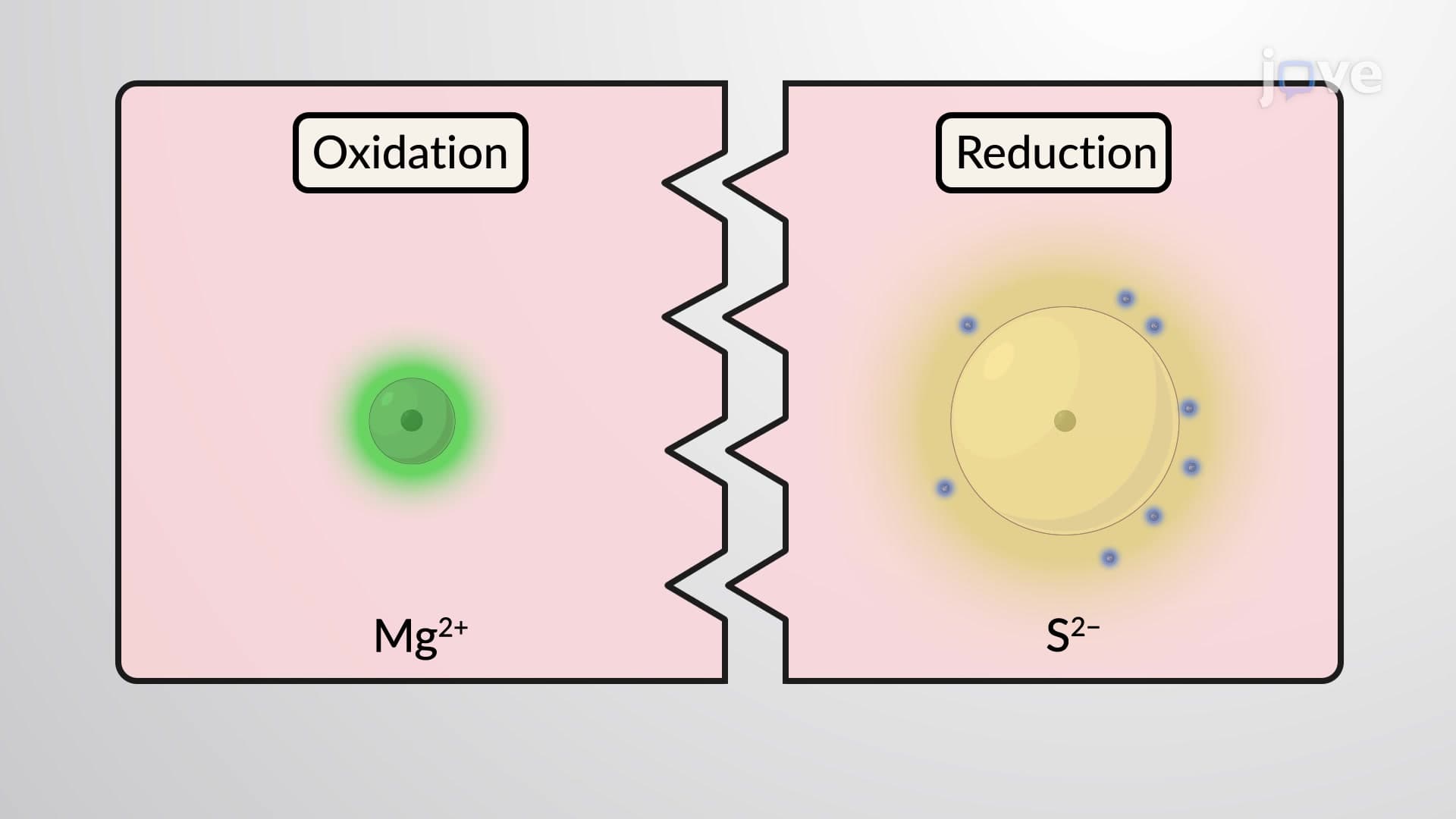
Many enzymes require cofactors-non-protein helpers that enable catalytic activity. The FDA-recommended daily intake of magnesium (400-420mg for men, 310-320mg for women) reflects this mineral's role as a cofactor for over 300 enzymatic reactions. Similarly, B-vitamin deficiencies can disrupt enzyme function, explaining why nutritional biochemistry is emphasized in MCAT preparation.
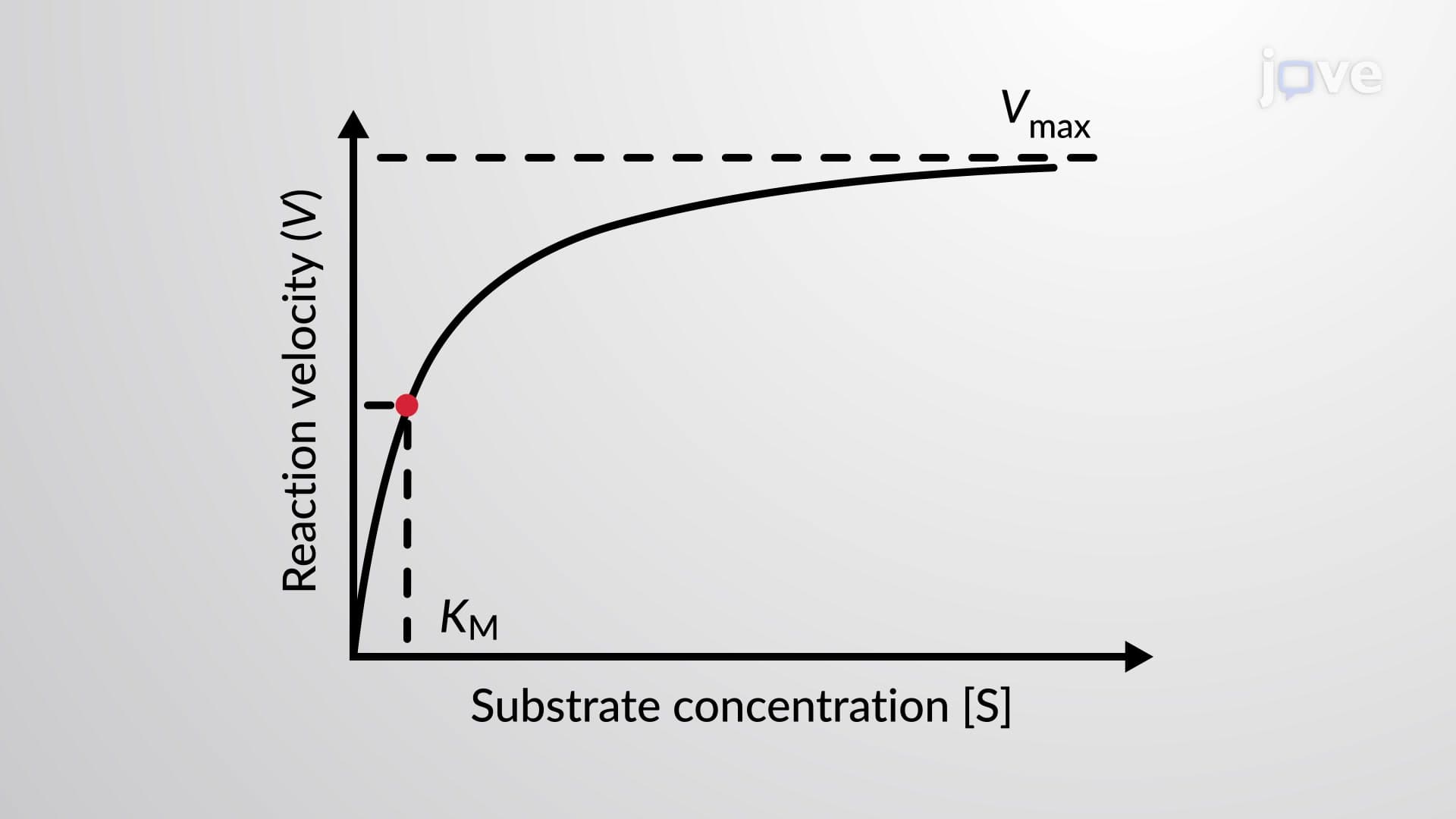
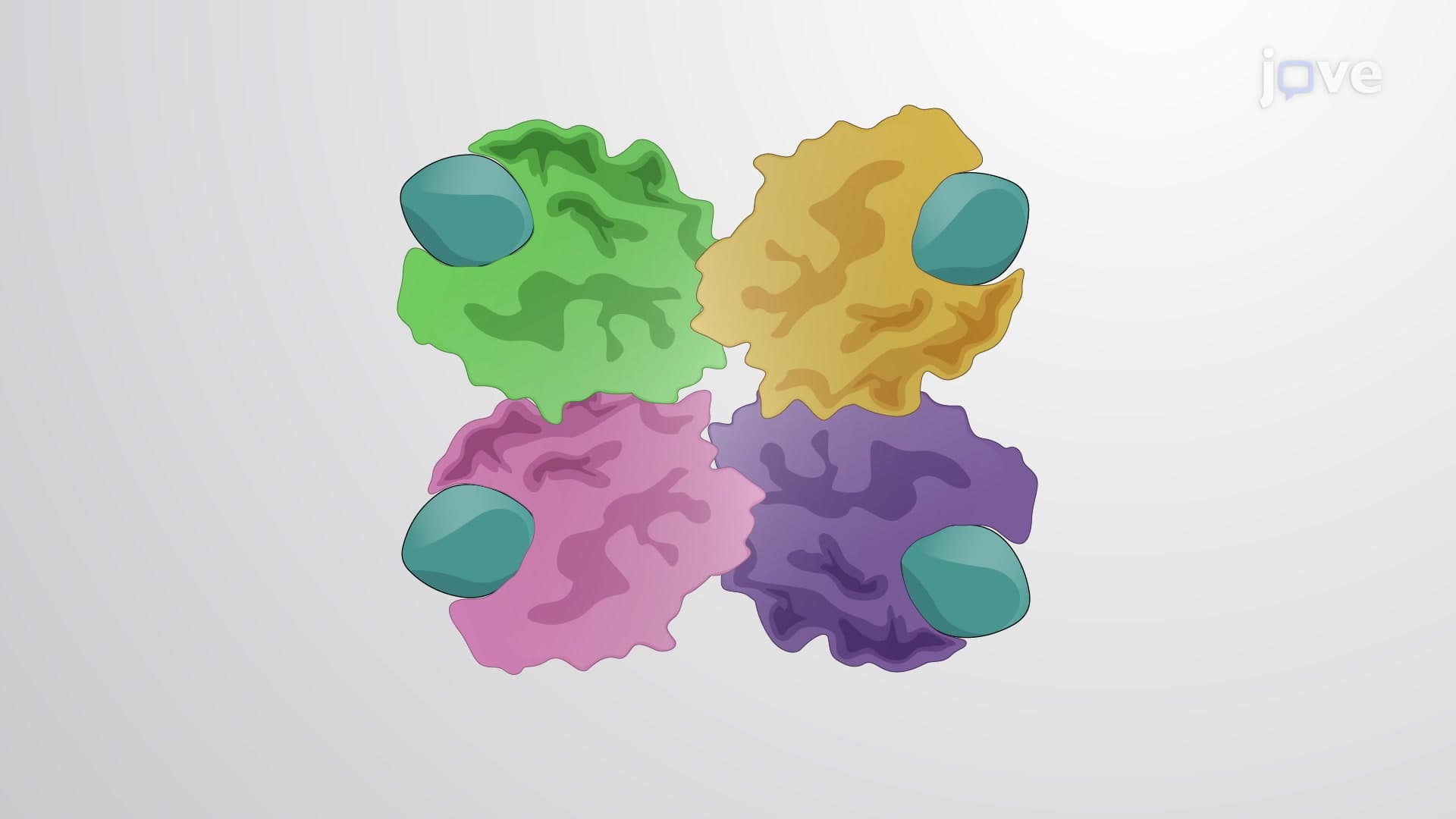
For AP Biology students, understanding enzyme kinetics appears frequently on exams, particularly questions involving competitive and noncompetitive inhibition. Medical students preparing for USMLE Step 1 encounter enzyme pathology extensively, from lactase deficiency to genetic enzyme disorders affecting drug metabolism.
Related Micro-courses