Loading video…


 22 Concepts
 235.3K views

Video Summary: What are Mechanisms of Enzyme Catalysis
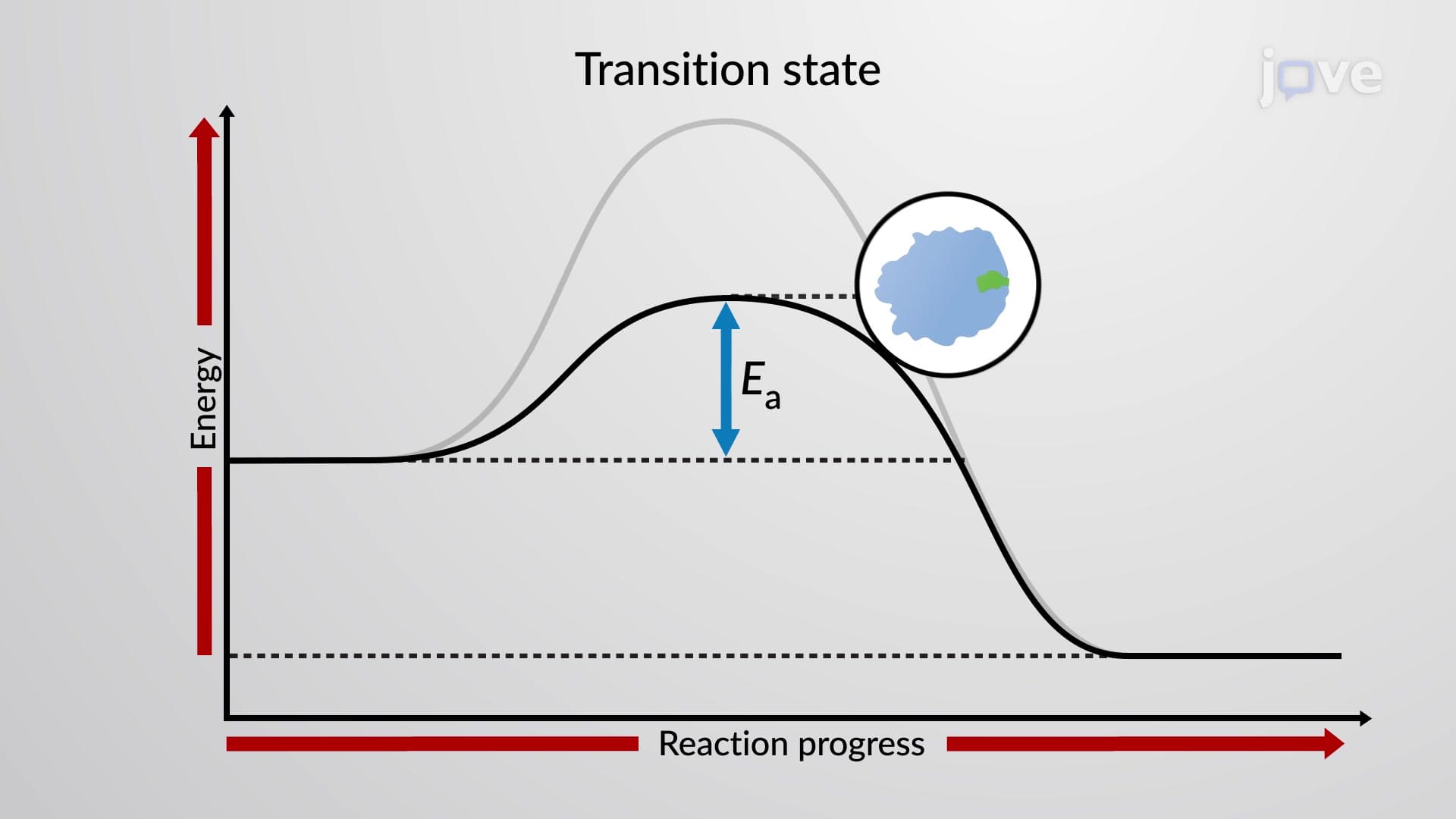
Ever wonder how your stomach breaks down a pizza in just hours when the same reaction would take years without help? Enzyme catalysis mechanisms make this biological magic possible by dramatically lowering activation energy barriers. From digestive enzymes like pepsin breaking down proteins in your stomach to lactase helping process dairy, these molecular machines use sophisticated strategies including induced fit conformational changes, metal ion coordination, and strategic proton transfers. Understanding what are mechanisms of enzyme catalysis reveals how life maintains its incredible speed and efficiency. Watch the full video on JoVE Coach to master this concept with expert-led visuals and step-by-step explanations.
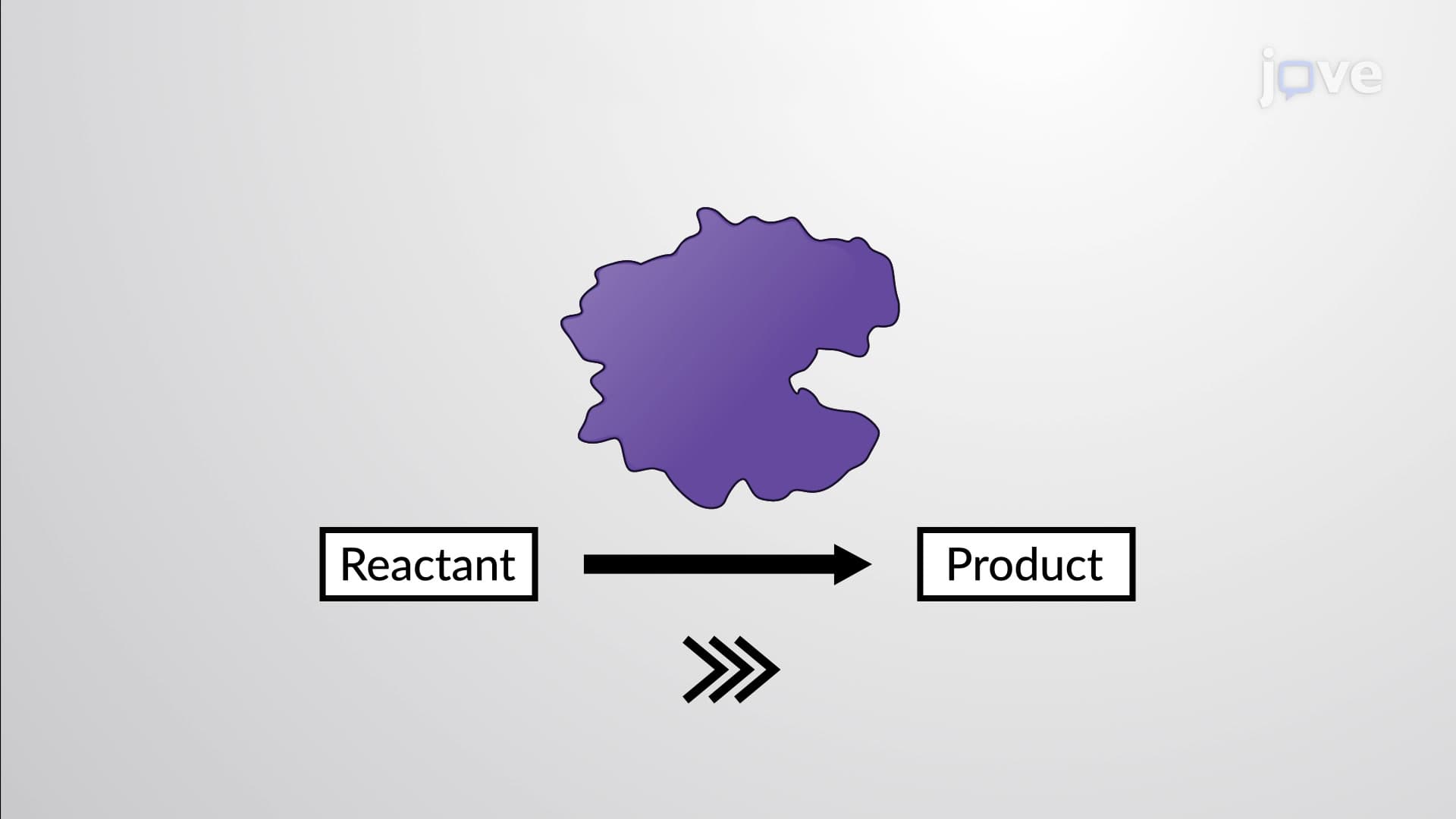
Enzyme catalysis mechanisms represent nature's most sophisticated approach to chemical acceleration, employing multiple strategies simultaneously to achieve reaction rate increases of up to 10^17-fold. These mechanisms work by creating an optimal microenvironment where substrates can be transformed into products with minimal energy input, making life's complex chemistry possible at body temperature.
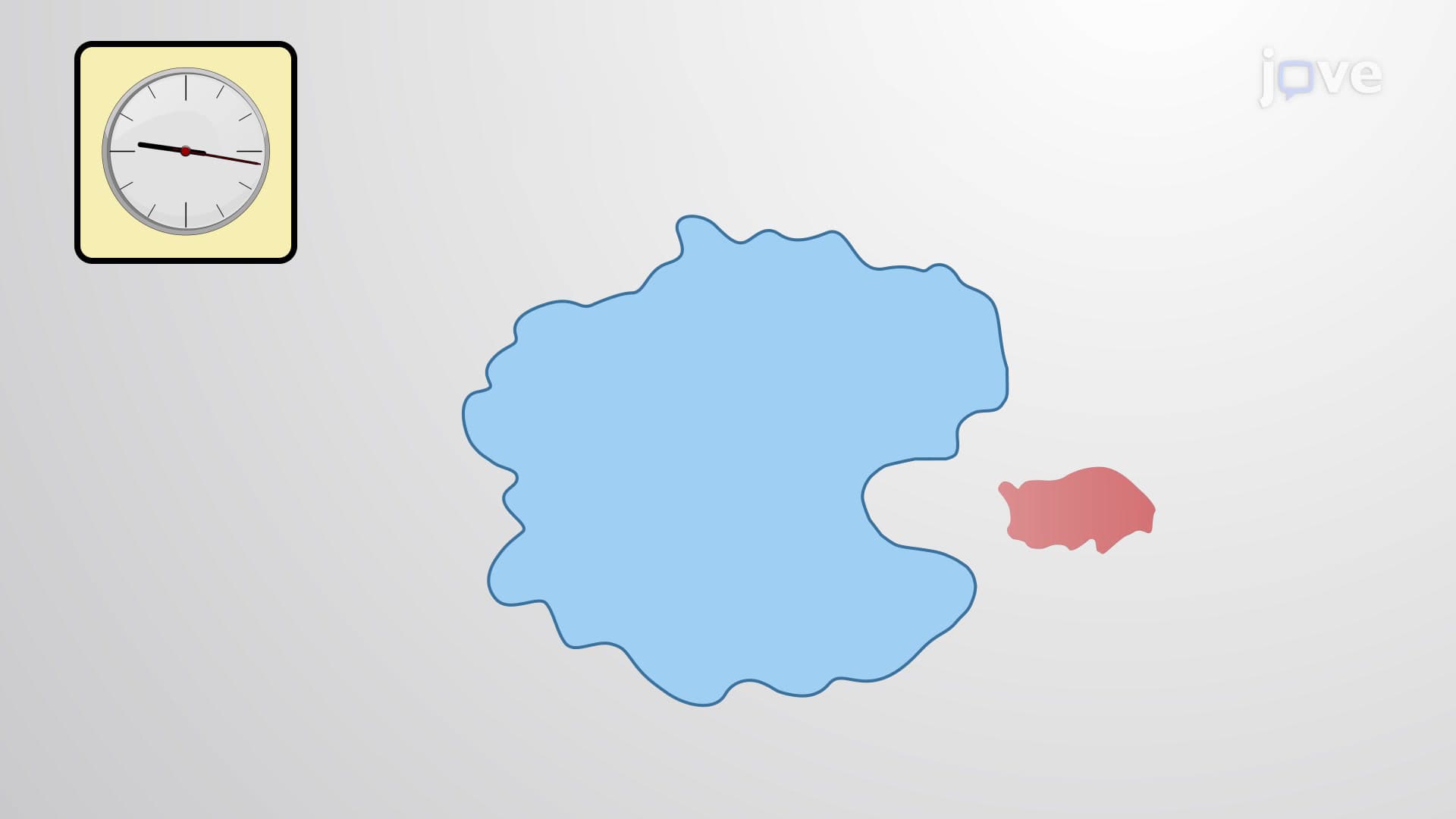
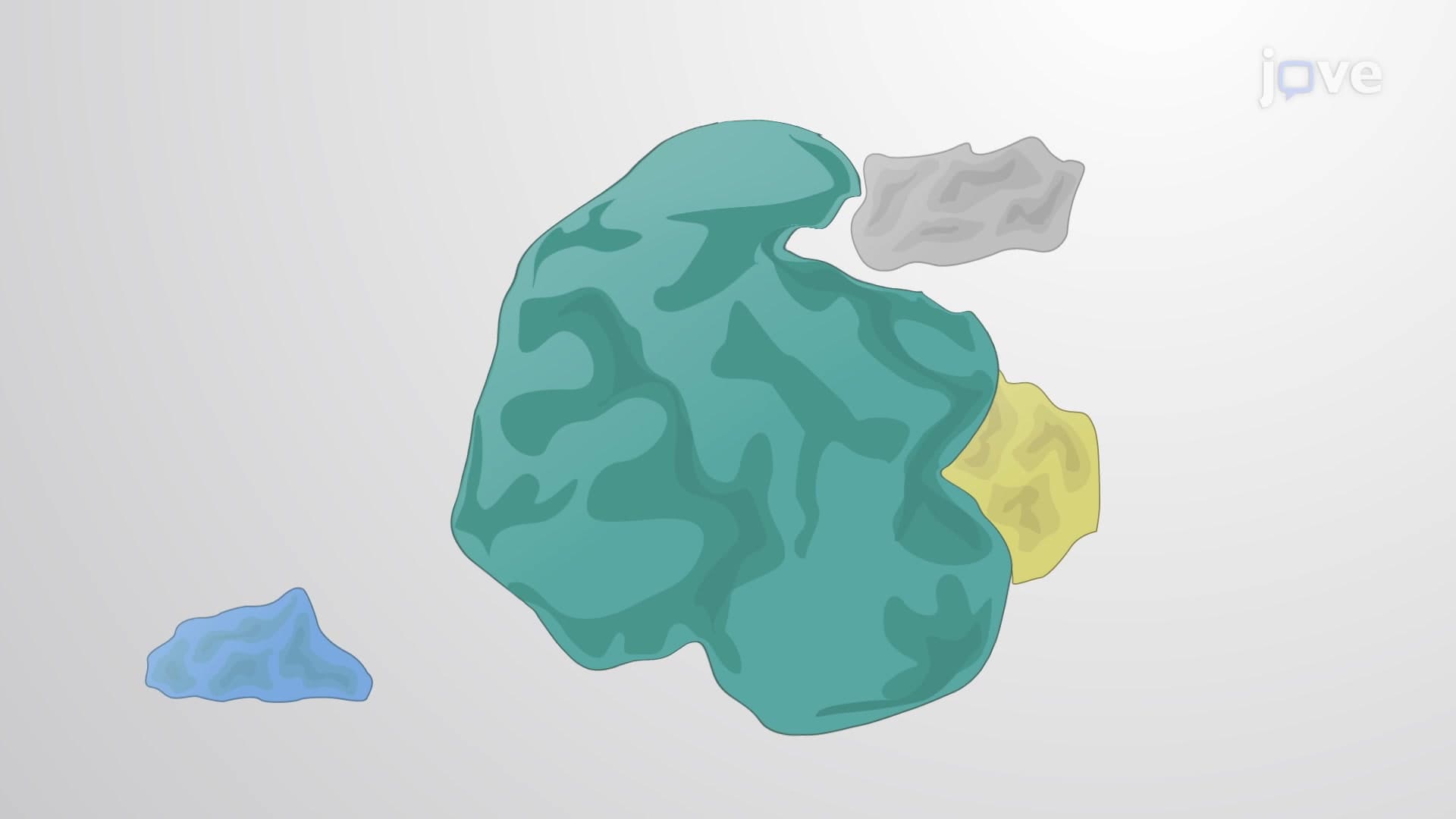
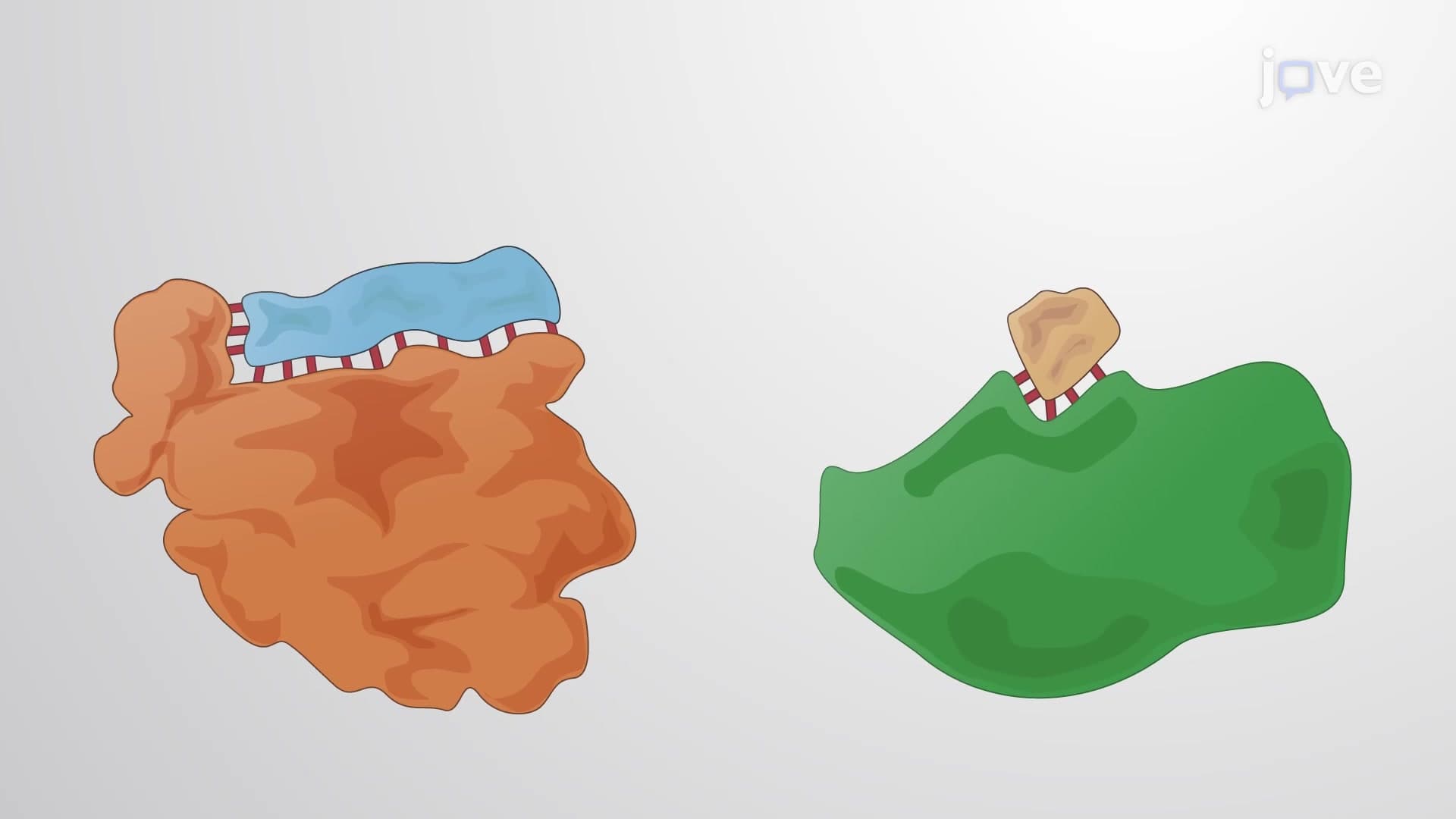
The induced fit mechanism has revolutionized our understanding of enzyme function beyond the simple lock-and-key model. When substrates approach an enzyme's active site, both molecules undergo conformational changes that optimize their interaction. This dynamic process, first proposed by Daniel Koshland Jr., explains how enzymes like hexokinase change shape upon glucose binding, creating a more complementary fit that enhances catalytic efficiency. Students preparing for the AP Biology exam should understand that this mechanism allows enzymes to be both specific and flexible, accommodating slight variations in substrate structure while maintaining high selectivity.
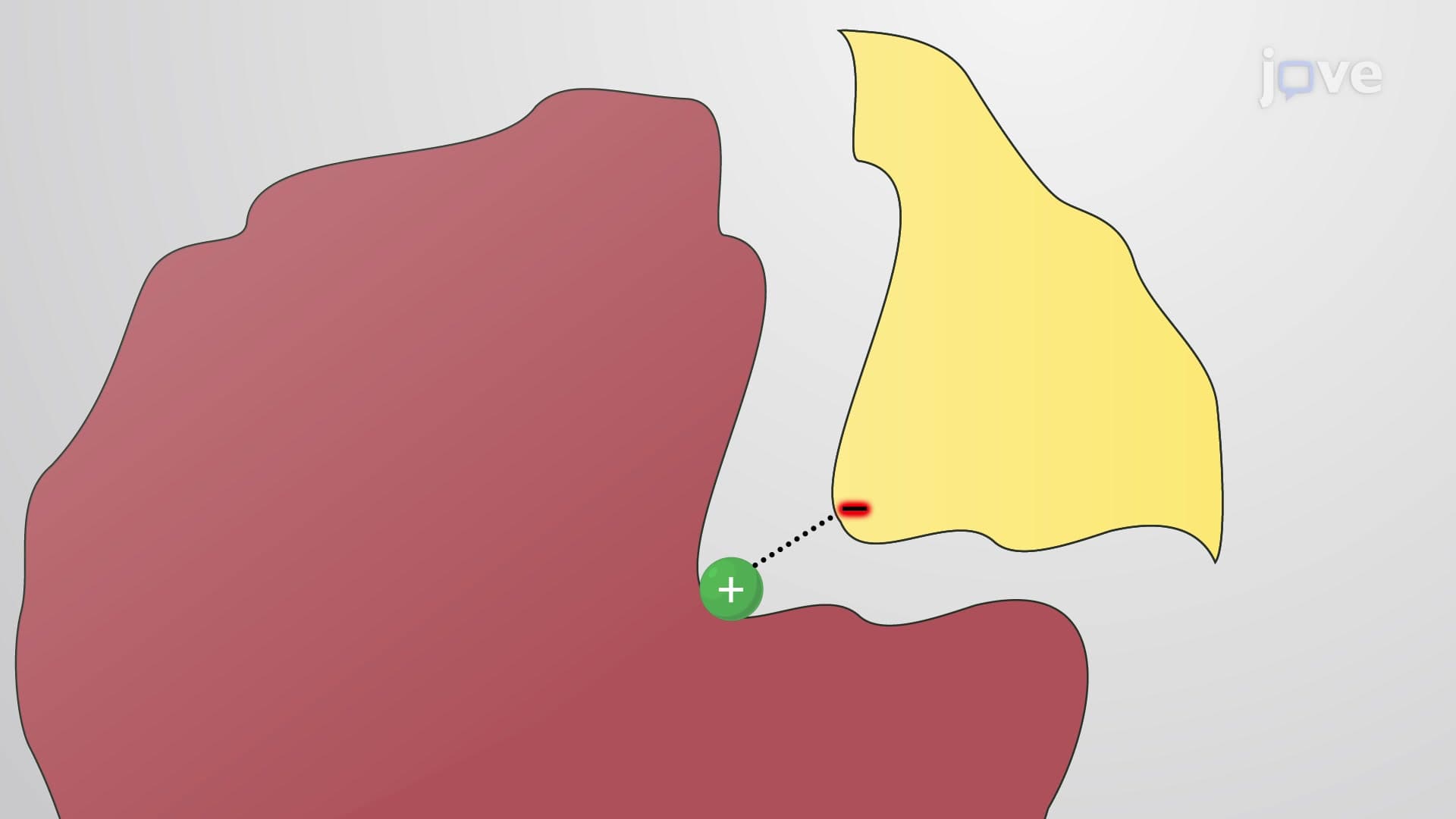
Many enzyme catalytic mechanism types rely on metal ions as essential cofactors. Zinc ions in carbonic anhydrase, for example, polarize water molecules to facilitate CO2 hydration-a reaction crucial for maintaining blood pH balance. These metal centers can stabilize negative charges on reaction intermediates, orient substrates through electrostatic interactions, and even participate directly in electron transfer reactions. MCAT students should recognize that metal ion deficiencies can lead to serious health conditions, such as zinc deficiency affecting immune function through impaired enzyme activity.
Active site enzyme catalysis often involves precise pH manipulation through strategically positioned amino acids. Histidine residues commonly serve as proton shuttles, while aspartate and glutamate can act as proton acceptors. The enzyme lysozyme demonstrates this beautifully, using glutamic acid and aspartic acid residues to protonate and stabilize the transition state during peptidoglycan cleavage. This mechanism is particularly important in digestive enzymes, where pH optimization allows pepsin to function in the acidic stomach environment while trypsin operates in the alkaline small intestine.
Understanding these catalytic strategies prepares students for advanced topics in biochemistry courses and provides the foundation for comprehending drug design, where many pharmaceuticals work by mimicking or inhibiting specific enzyme mechanisms.
Related Micro-courses