Loading subject page…


235,304 views

Video Summary: What Is Atp and Macromolecule Synthesis
Every second, your muscle cells build thousands of protein molecules during exercise, yet this process requires massive energy input that would normally be impossible. ATP macromolecule synthesis powers the construction of essential biological polymers-proteins, DNA, carbohydrates, and lipids-by coupling energy-releasing reactions with energy-requiring biosynthesis. For instance, when marathon runners rebuild muscle proteins after training, ATP hydrolysis drives the energetically unfavorable process of linking amino acids together. Watch the full video on JoVE Coach to master this concept with expert-led visuals and step-by-step explanations.
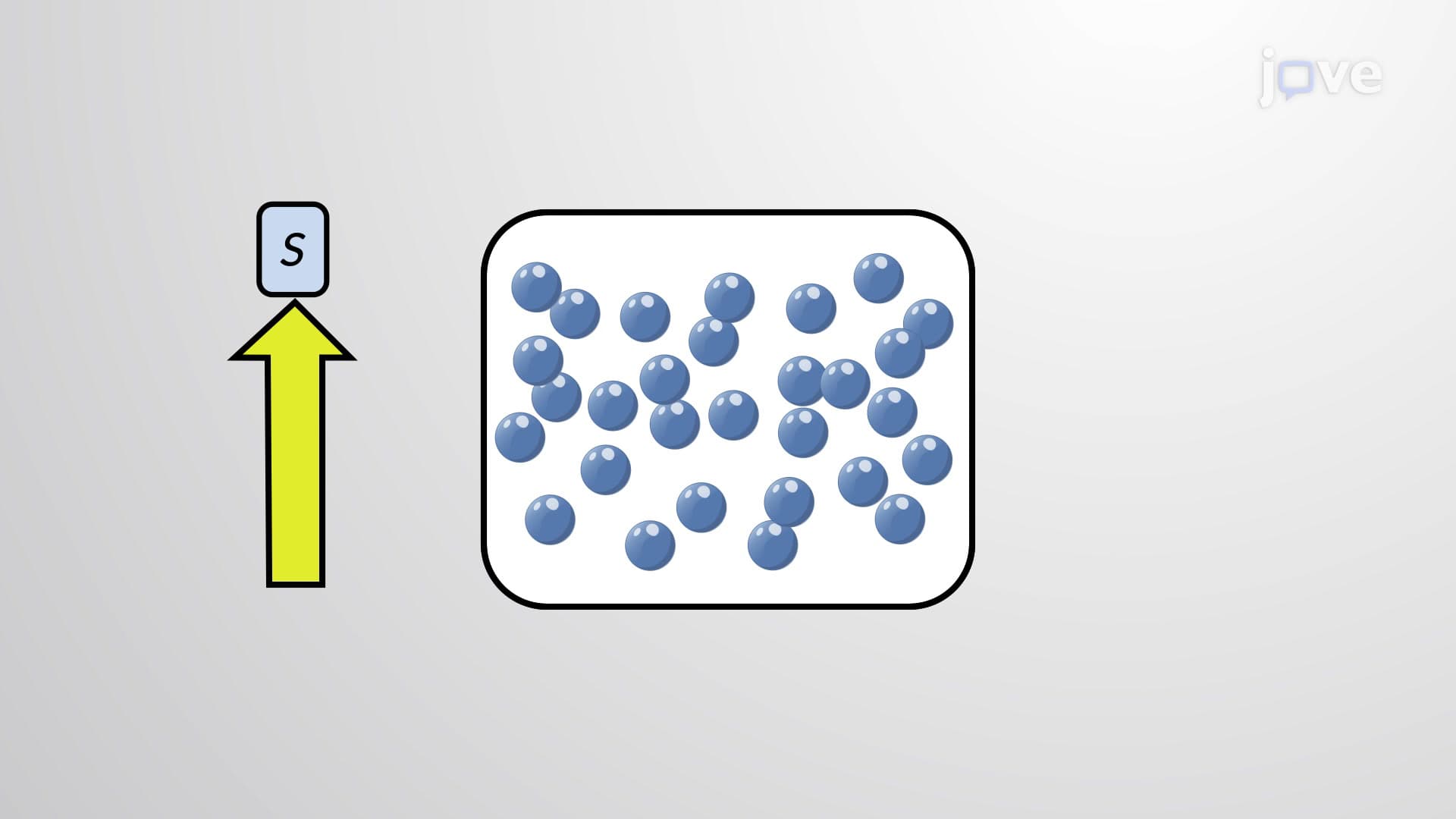
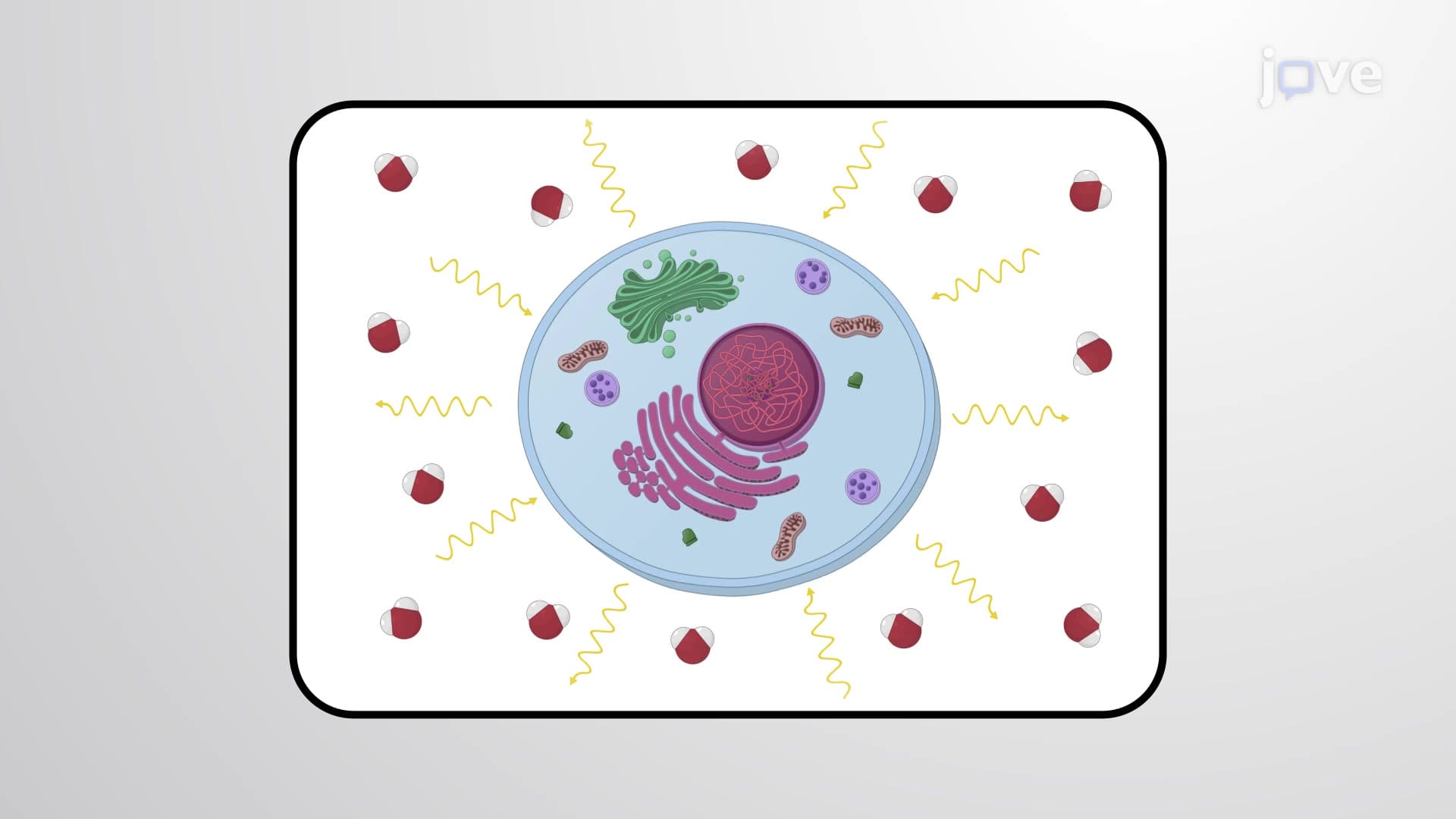
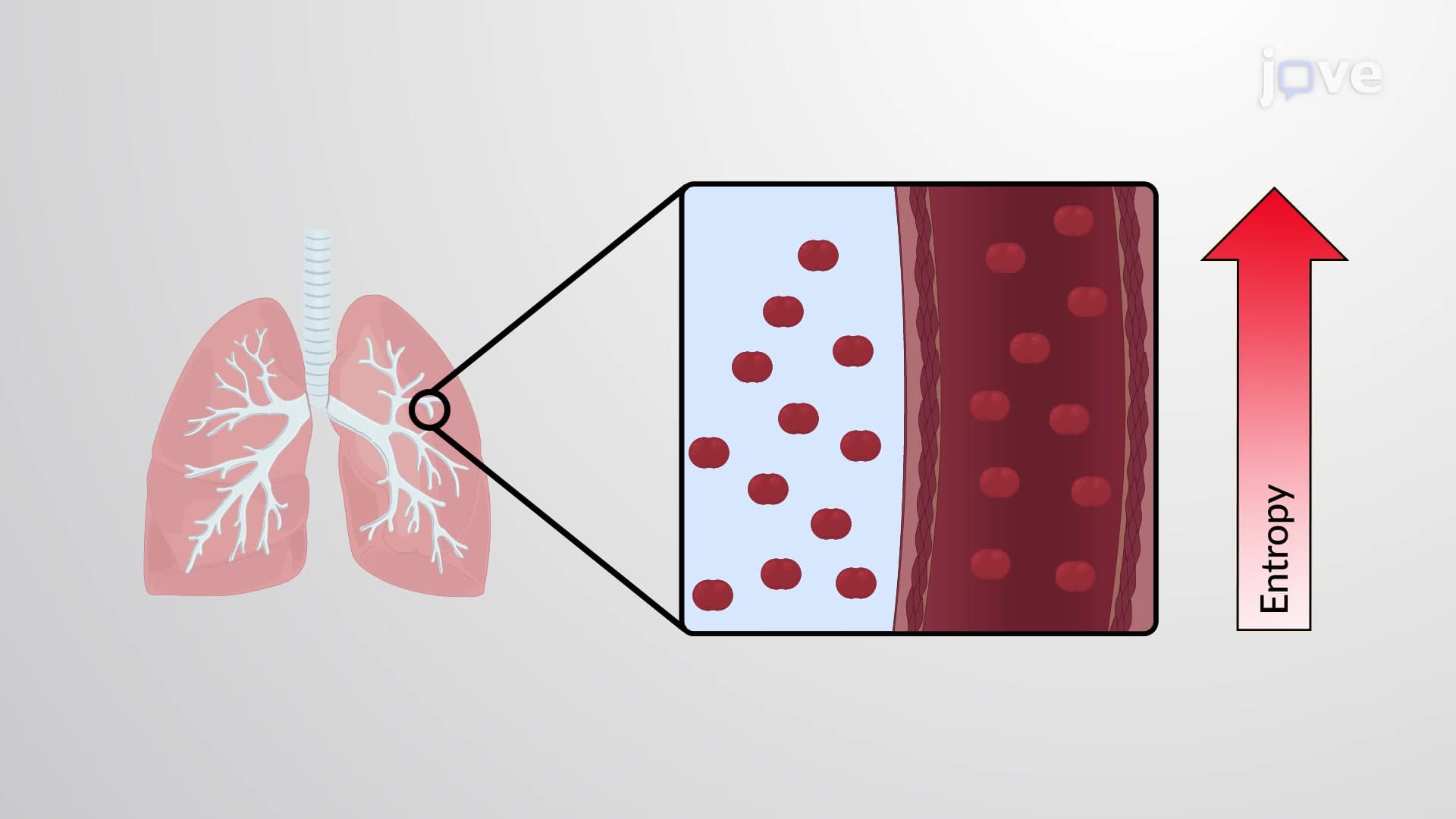
ATP macromolecule synthesis represents one of biology's most elegant solutions to a fundamental thermodynamic challenge. Building large biological molecules from smaller units typically requires energy input because the process decreases entropy and increases molecular organization. Without ATP, cells would be unable to construct the proteins needed for enzyme function, the DNA required for genetic storage, or the complex carbohydrates essential for energy storage and cellular structure.
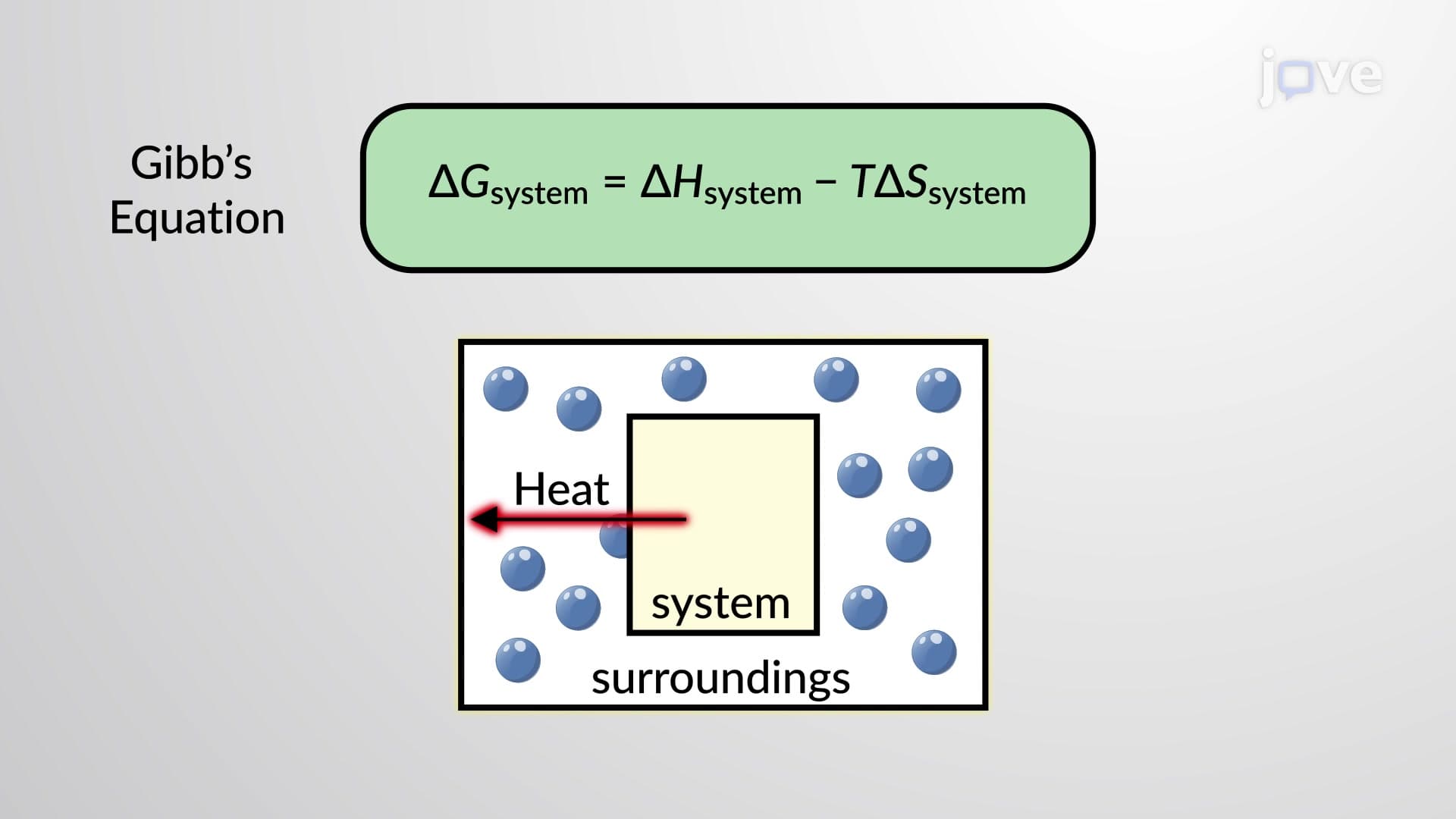
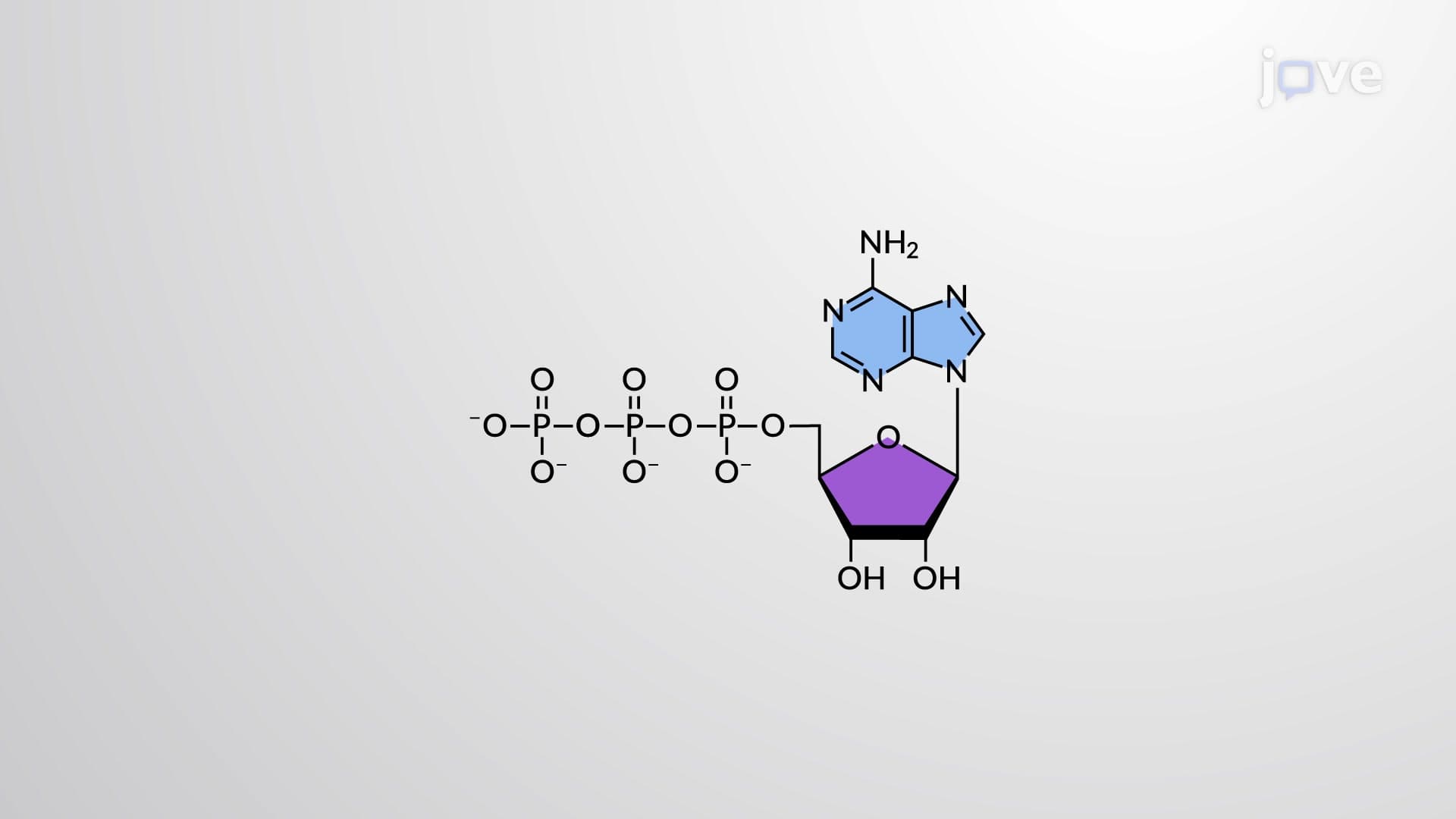
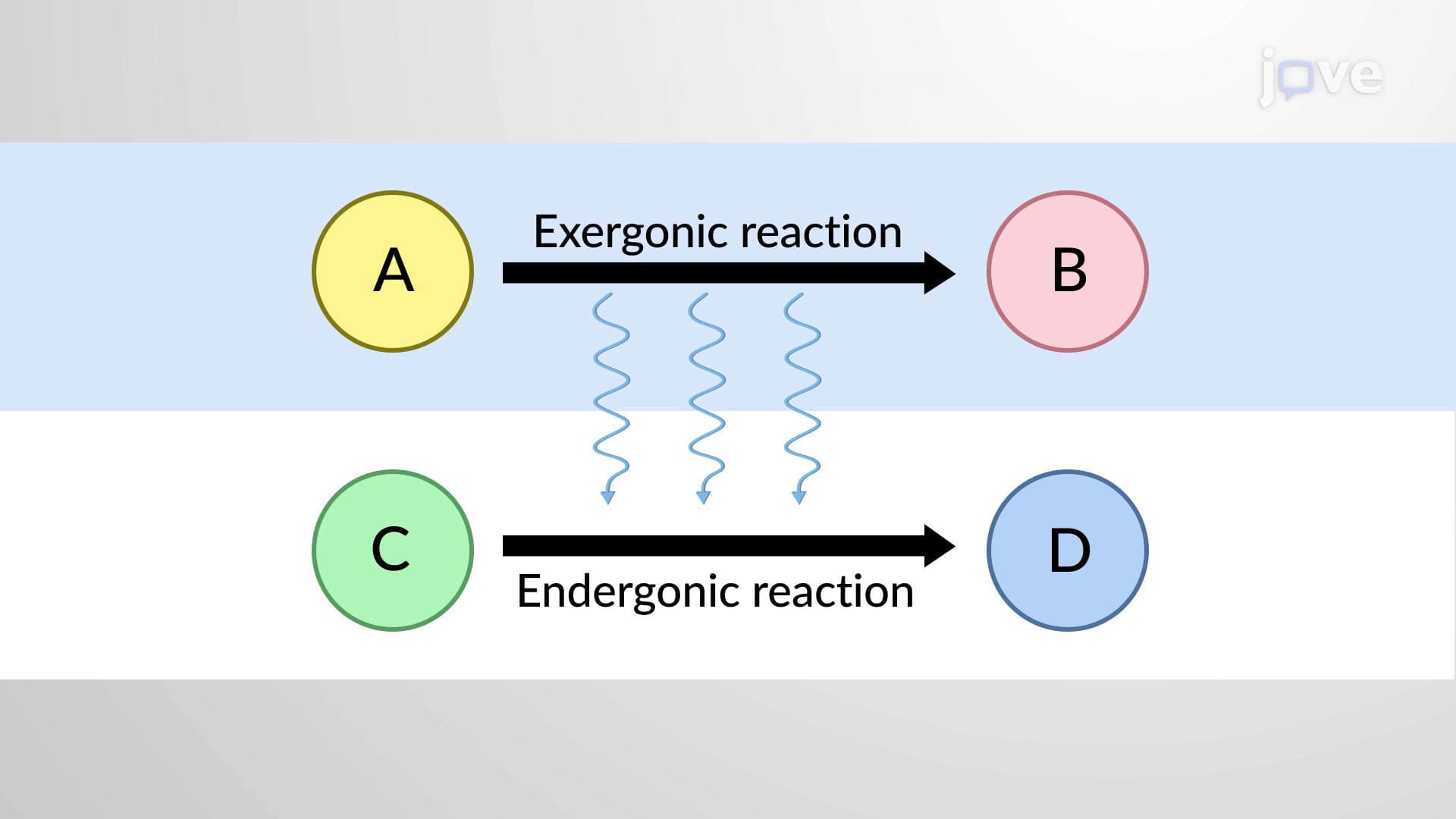
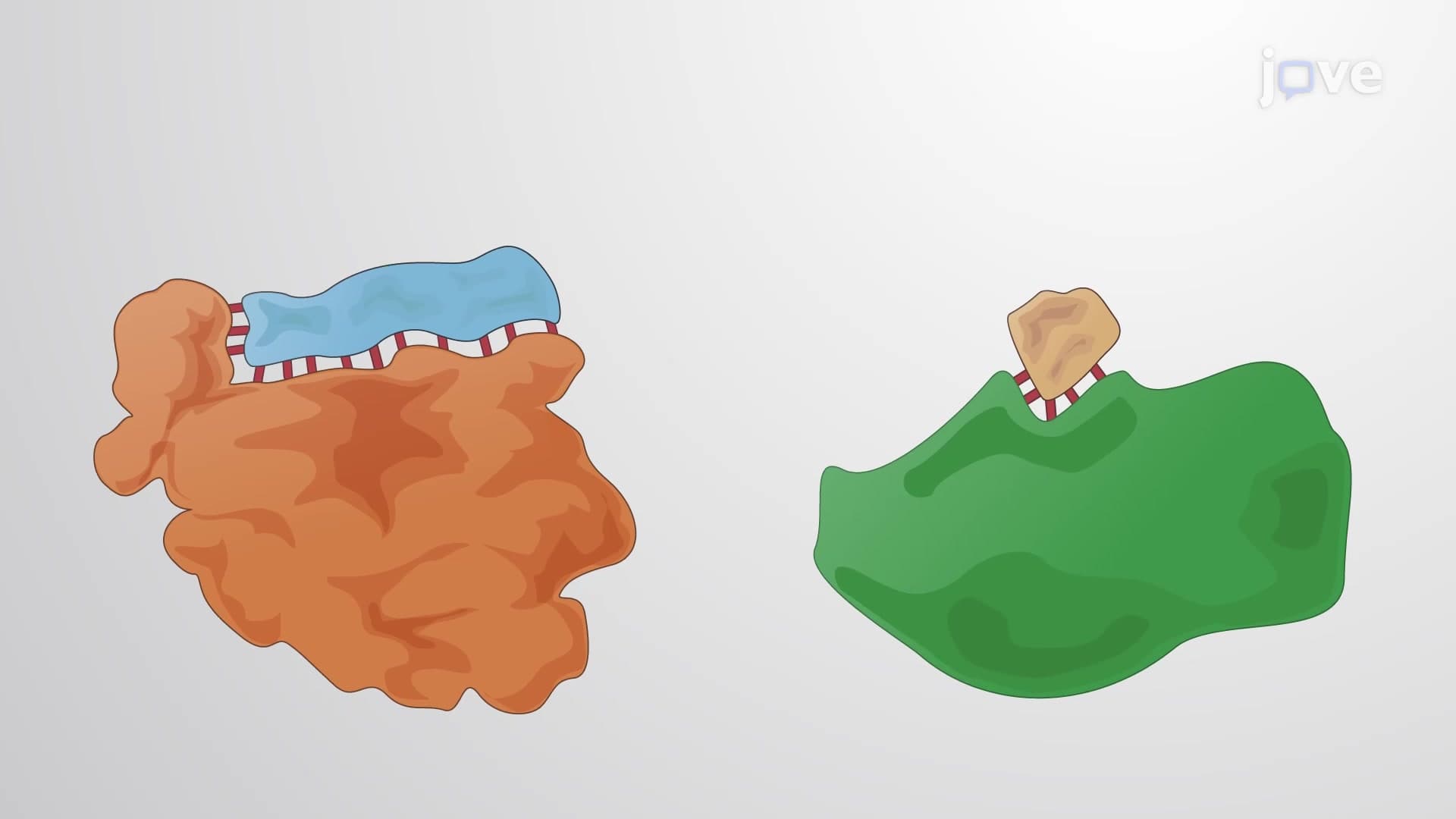
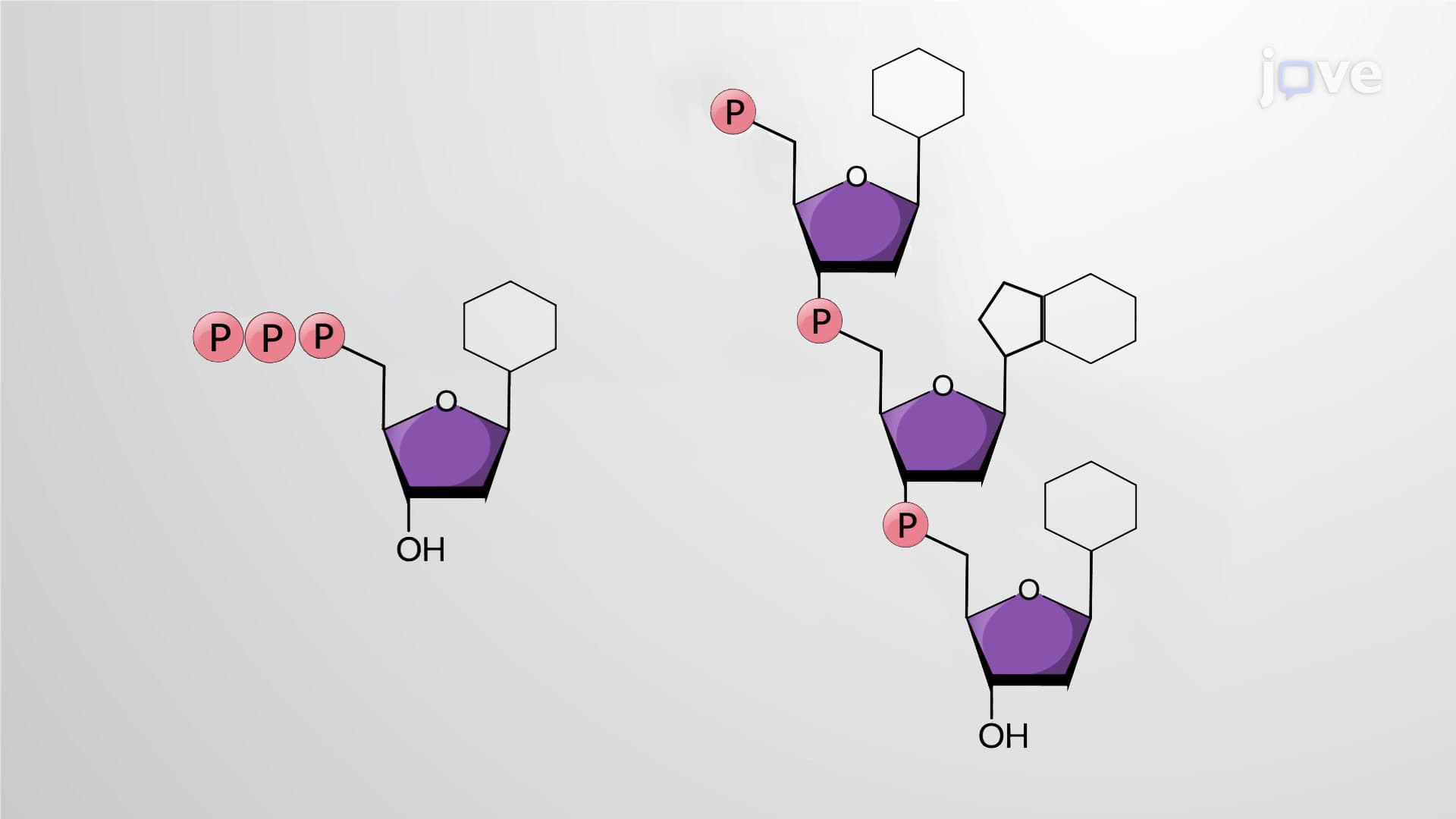
The brilliance of ATP-driven synthesis lies in energy coupling-linking an energetically favorable reaction (ATP hydrolysis, ΔG = -30.5 kJ/mol) with an unfavorable one (polymer bond formation, ΔG = +10 to +25 kJ/mol). This coupling occurs through phosphorylation of intermediate molecules, creating high-energy compounds that readily participate in bond formation. In polynucleotide synthesis, for example, ATP transfers its terminal phosphate groups to nucleoside monophosphates, generating nucleoside triphosphates with sufficient energy to join growing DNA or RNA chains.
This mechanism explains why patients with mitochondrial disorders, which impair ATP production, experience muscle weakness and neurological symptoms-their cells cannot maintain adequate protein and nucleic acid synthesis rates. Medical schools across the US, from Harvard to UCSF, emphasize this connection when teaching cellular energetics in biochemistry courses.
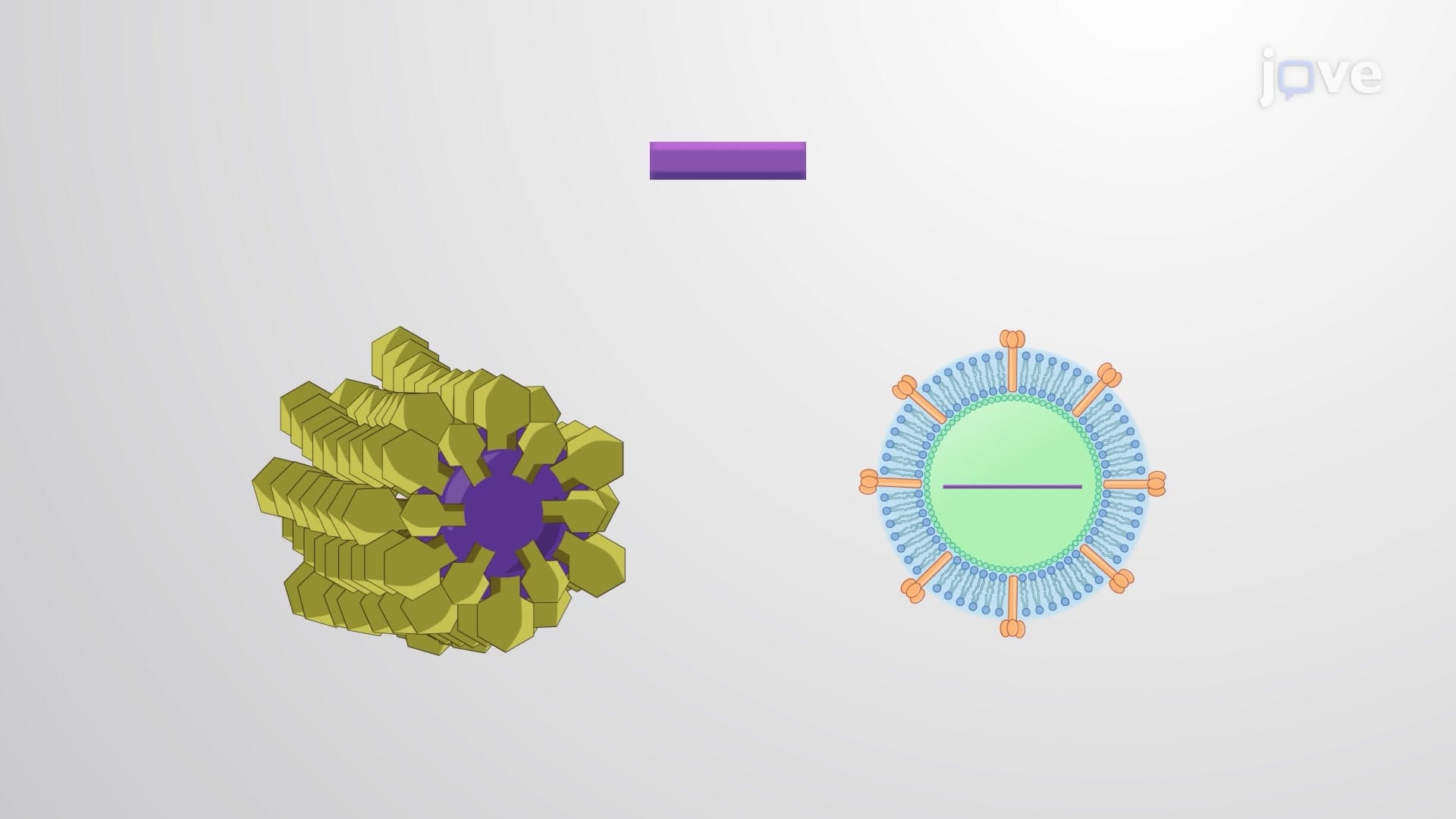
Macromolecule assembly follows two distinct patterns. Head polymerization characterizes protein and lipid synthesis, where each incoming monomer carries the reactive bond needed for the next addition. During protein synthesis at ribosomes, each amino acid arrives attached to tRNA molecules carrying the energy-rich aminoacyl bond required for peptide bond formation.
Tail polymerization governs polynucleotide and carbohydrate assembly. Here, the growing chain maintains a reactive end, while incoming monomers provide their own activation energy. DNA polymerase exemplifies this mechanism-it adds nucleoside triphosphates to the 3'-OH end of growing DNA strands, with each incoming nucleotide contributing the energy for its own incorporation through pyrophosphate release.
Understanding ATP macromolecule synthesis proves crucial for MCAT preparation, particularly in biochemistry and molecular biology sections. The College Board's AP Biology curriculum extensively covers these energy-coupling principles, while medical licensing exams (USMLE Steps 1-3) frequently test knowledge of biosynthetic pathway regulation and metabolic disorders affecting polymer synthesis.
Clinical applications include cancer chemotherapy, where drugs like 5-fluorouracil disrupt nucleotide synthesis by interfering with ATP-dependent DNA and RNA production. Pharmaceutical companies across the US, from Pfizer to Merck, develop treatments targeting these pathways for conditions ranging from autoimmune diseases to metabolic disorders.
Related Micro-courses