Loading subject page…


235,304 views

Video Summary: What Is Enthalpy Within the Cell
Ever wonder why your muscles generate heat during an intense workout at the gym? This heat production demonstrates enthalpy within cell processes at work in your body. When muscle cells break down glucose during exercise, they release energy as heat through exothermic reactions-a perfect example of cellular enthalpy changes. Understanding what is enthalpy within the cell reveals how living systems manage energy transfers that power everything from muscle contractions to protein synthesis. Watch the full video on JoVE Coach to master this concept with expert-led visuals and step-by-step explanations.
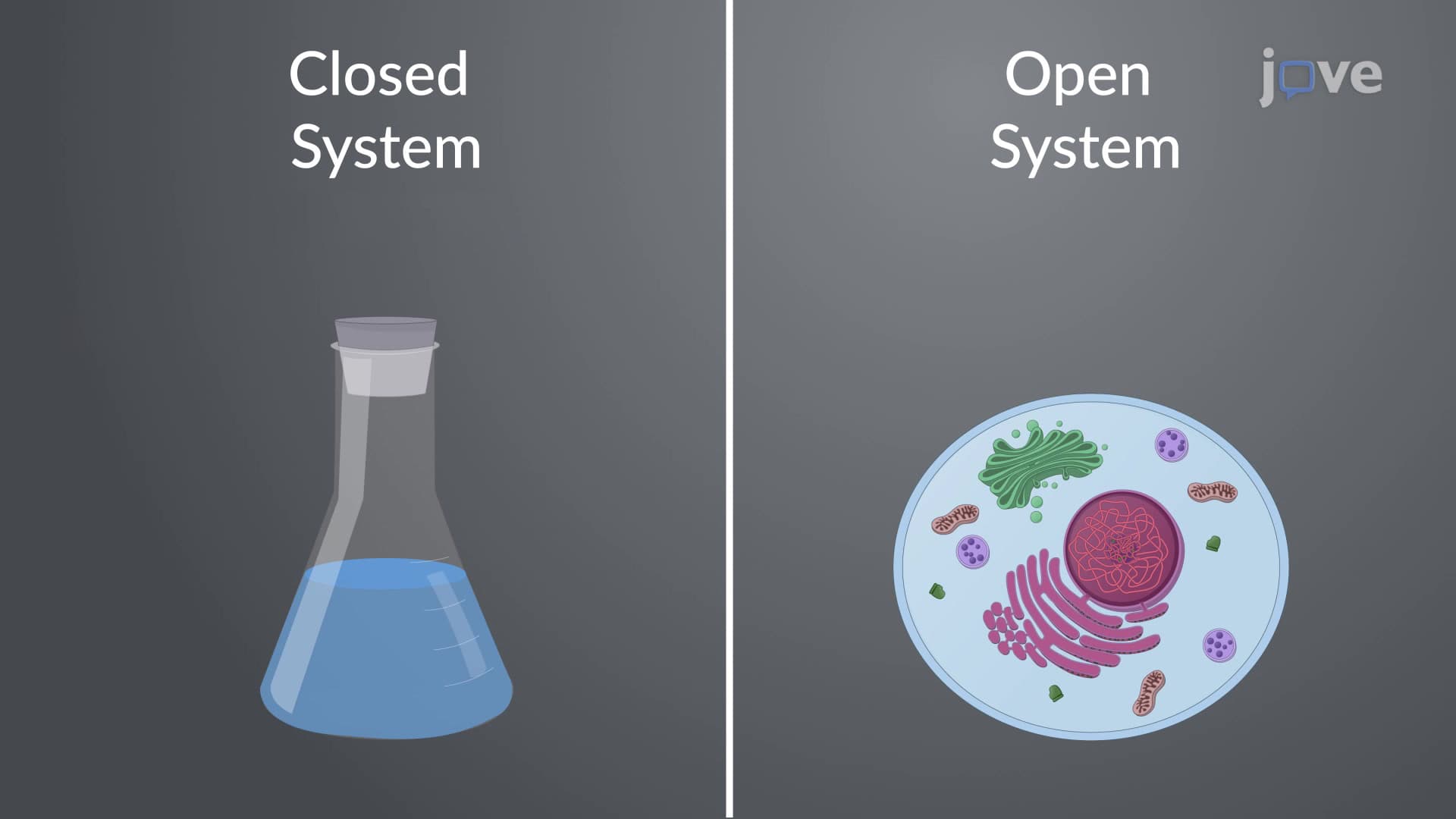
Enthalpy within the cell represents a fundamental thermodynamic property that governs how biological systems manage energy. Unlike simple chemical systems, living cells operate as open systems that continuously exchange both matter and energy with their environment. This makes enthalpy particularly relevant for understanding cellular metabolism.
In biochemical contexts, enthalpy (H) becomes especially important because most cellular reactions occur at constant pressure-the atmospheric pressure surrounding organisms. When cells undergo metabolic processes, the enthalpy change (ΔH) directly reflects the heat absorbed or released during these reactions. This relationship proves crucial for understanding how cells maintain their energy balance.
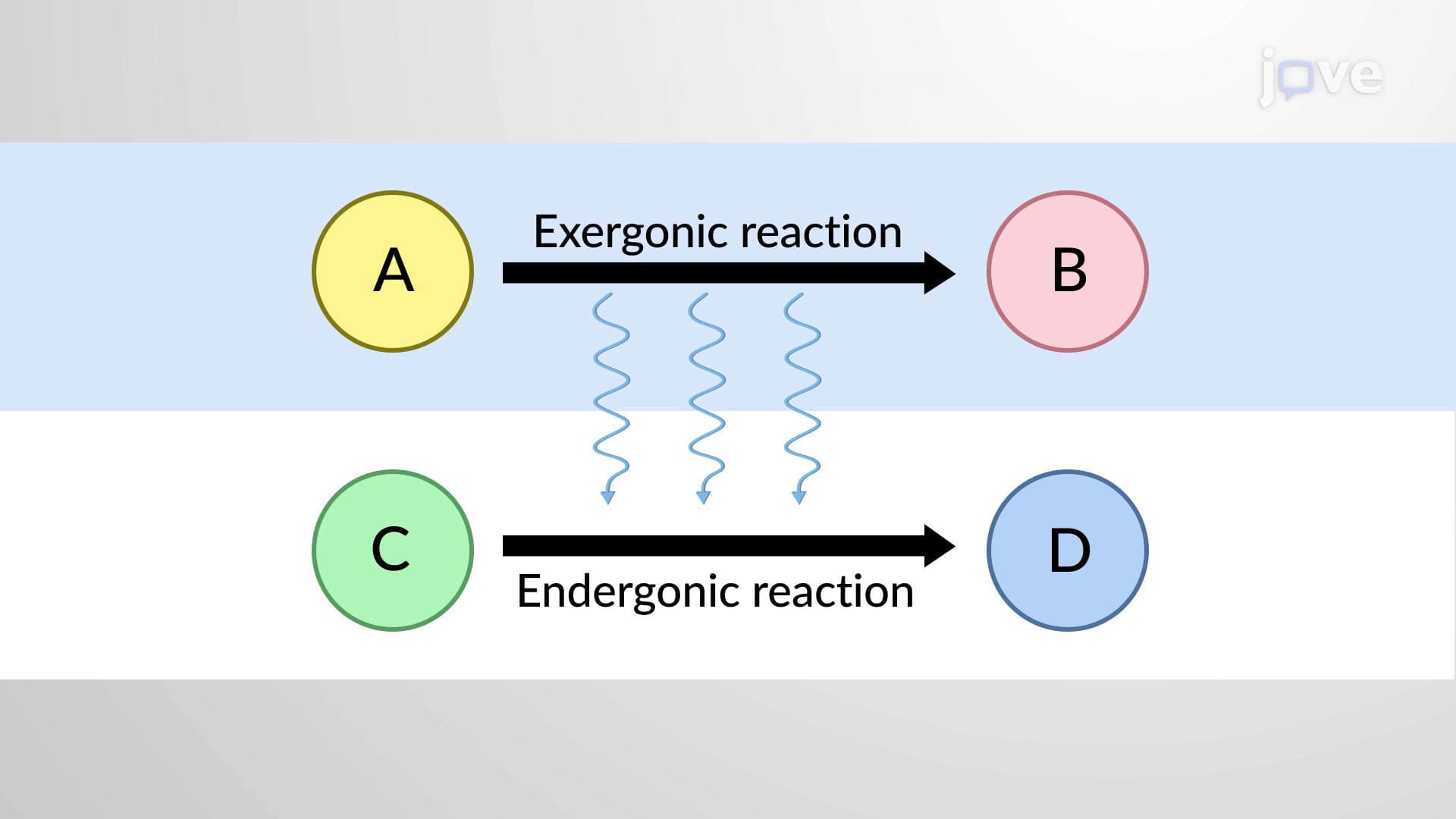
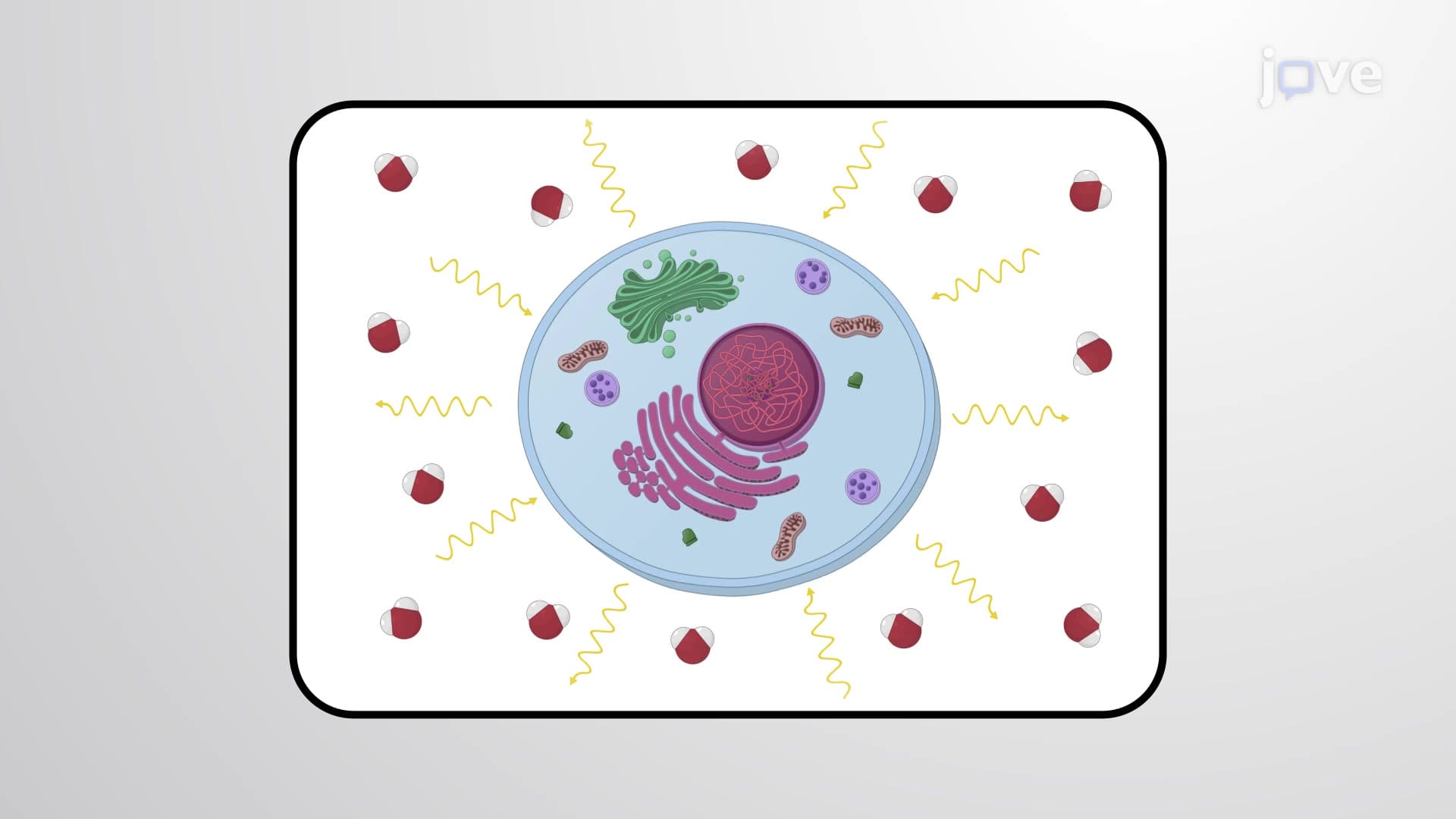
Cellular metabolism involves both exothermic and endothermic processes that work together to sustain life. Exothermic reactions, characterized by negative enthalpy changes (ΔH < 0), release heat to the cell's surroundings. A prime example occurs during cellular respiration when glucose breaks down to produce ATP. This process releases approximately 686 kcal/mol of glucose, generating the heat that helps maintain body temperature in humans.
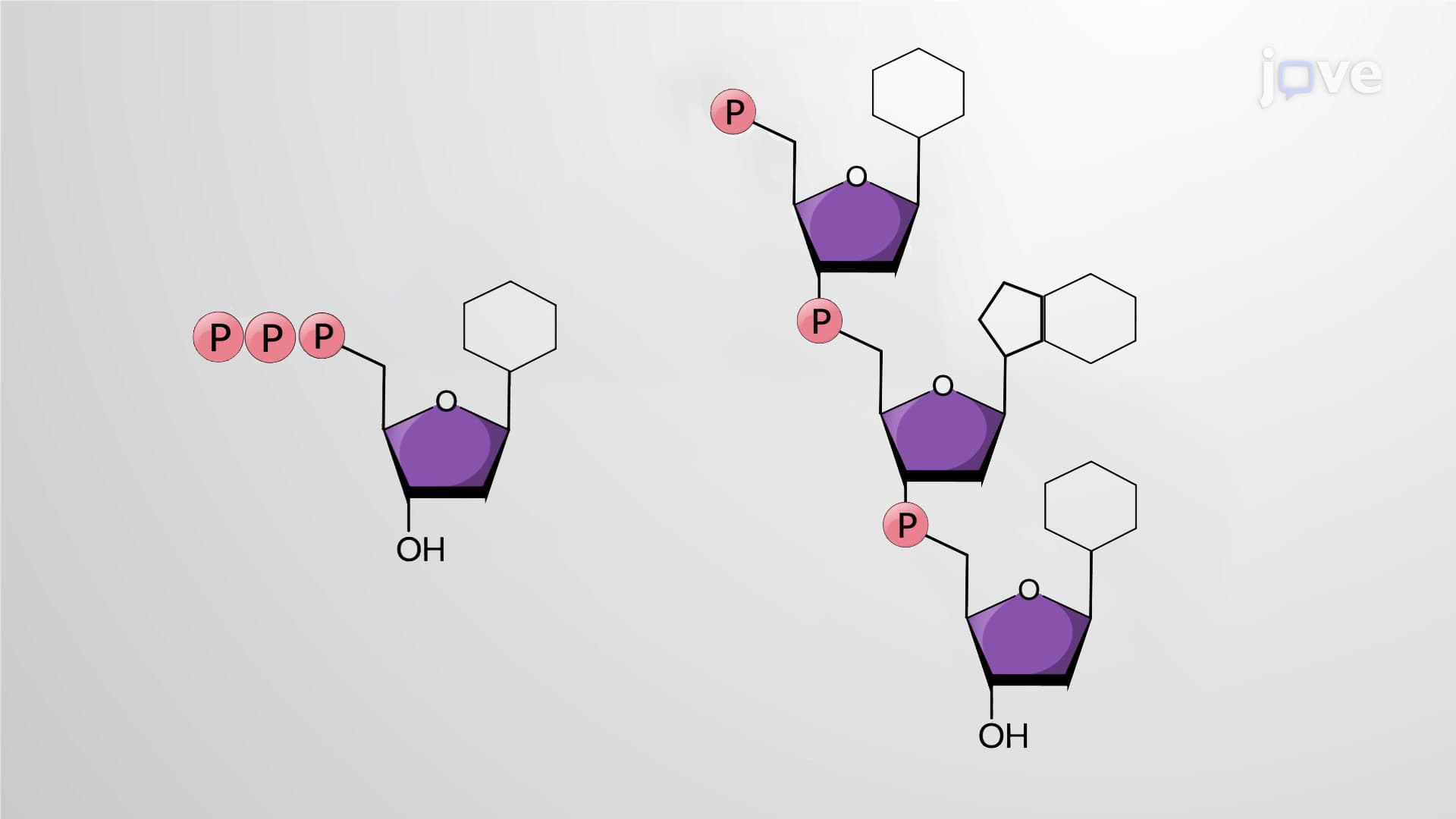
Conversely, endothermic reactions require heat input from surroundings and show positive enthalpy changes (ΔH > 0). Protein synthesis exemplifies this process, as cells must invest energy to form peptide bonds. Similarly, DNA replication requires significant energy input to unwind the double helix and synthesize new strands.
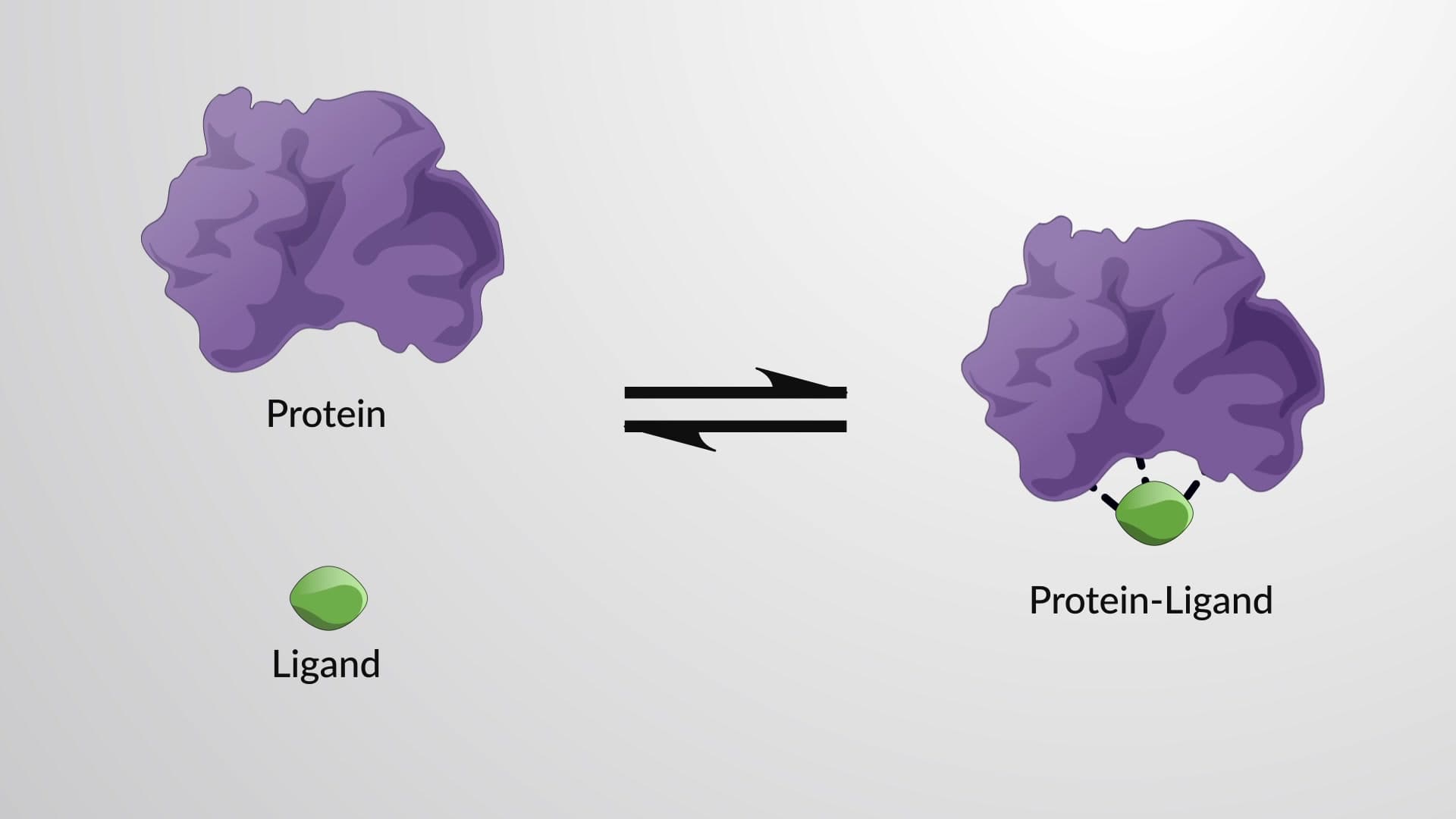
Understanding enthalpy within the cell biology proves essential for medical professionals and researchers across the United States. Pharmaceutical companies use enthalpy measurements to design drugs that interact efficiently with cellular targets. For instance, researchers at the National Institutes of Health study how enthalpy changes affect drug binding to proteins, helping optimize therapeutic effectiveness.
In clinical settings, abnormal cellular enthalpy patterns can indicate disease states. Cancer cells often exhibit altered metabolism with different enthalpy profiles compared to healthy cells, making this concept valuable for diagnostic and treatment strategies.
Students preparing for standardized exams like the MCAT, AP Biology, or college biochemistry courses frequently encounter enthalpy-related questions. These exams typically test understanding of energy transfers in biological systems, requiring students to calculate enthalpy changes and predict reaction outcomes. Success requires mastering the relationship between enthalpy, heat transfer, and the first law of thermodynamics in cellular contexts.
Related Micro-courses