Loading subject page…


235,306 views

Video Summary: What Is Enzymes and Activation Energy
Ever wonder why enzymes activation energy matters when your body digests food in seconds rather than hours? Enzymes dramatically reduce the energy barrier that chemical reactions must overcome, making life-sustaining processes possible at body temperature. Without this enzyme effect on activation energy, even simple reactions like breaking down glucose in your cells would require extreme heat that would destroy living tissue. Watch the full video on JoVE Coach to master this concept with expert-led visuals and step-by-step explanations.
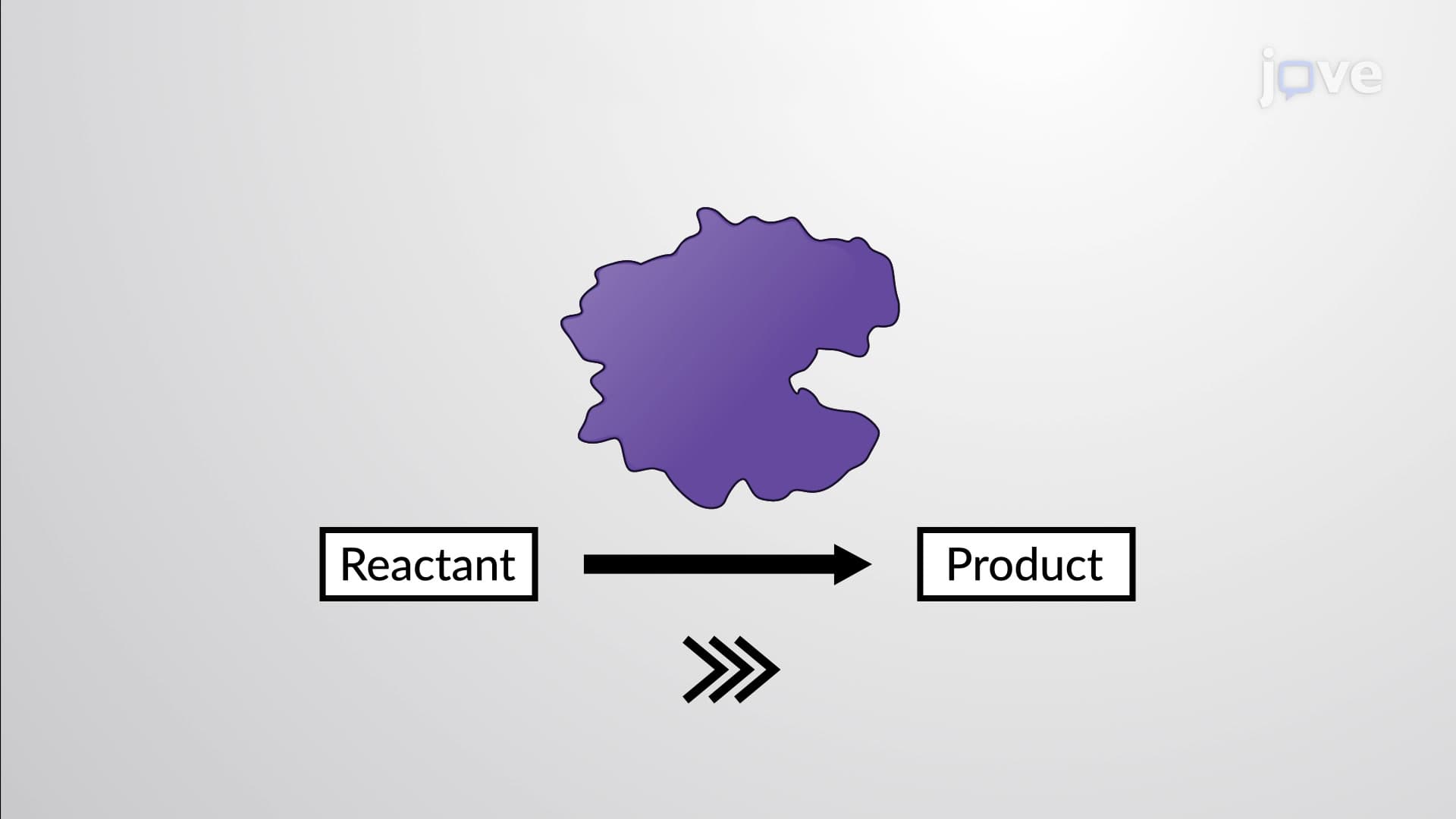
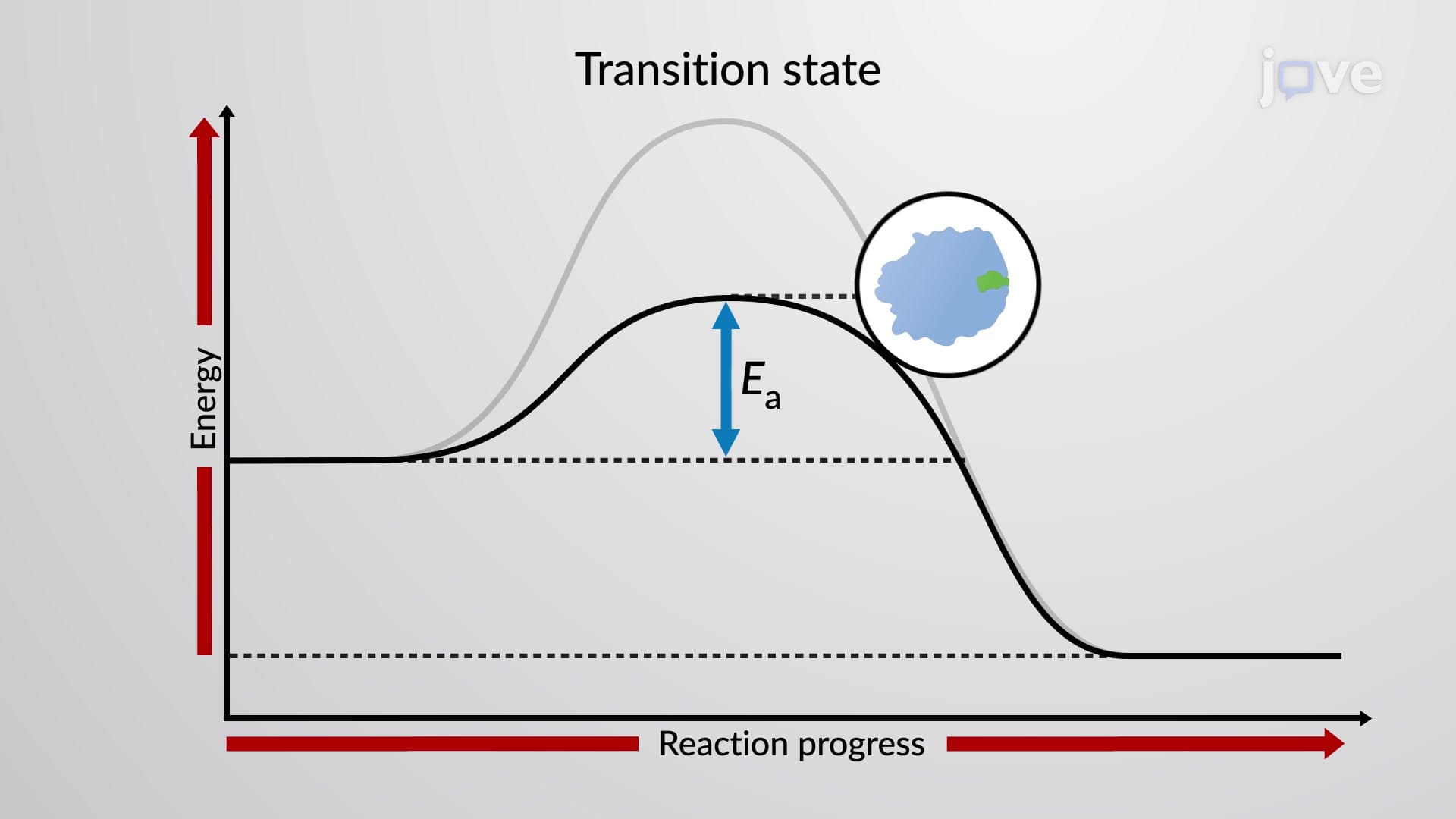
Enzymes and activation energy represent one of biochemistry's most crucial partnerships. Activation energy (Ea) acts as an energy barrier that reactant molecules must overcome to transform into products. Think of it like a hill that molecules must climb-the higher the hill, the fewer molecules have enough energy to reach the top. Enzymes function as biological catalysts that effectively lower this hill, making reactions proceed faster under physiological conditions.
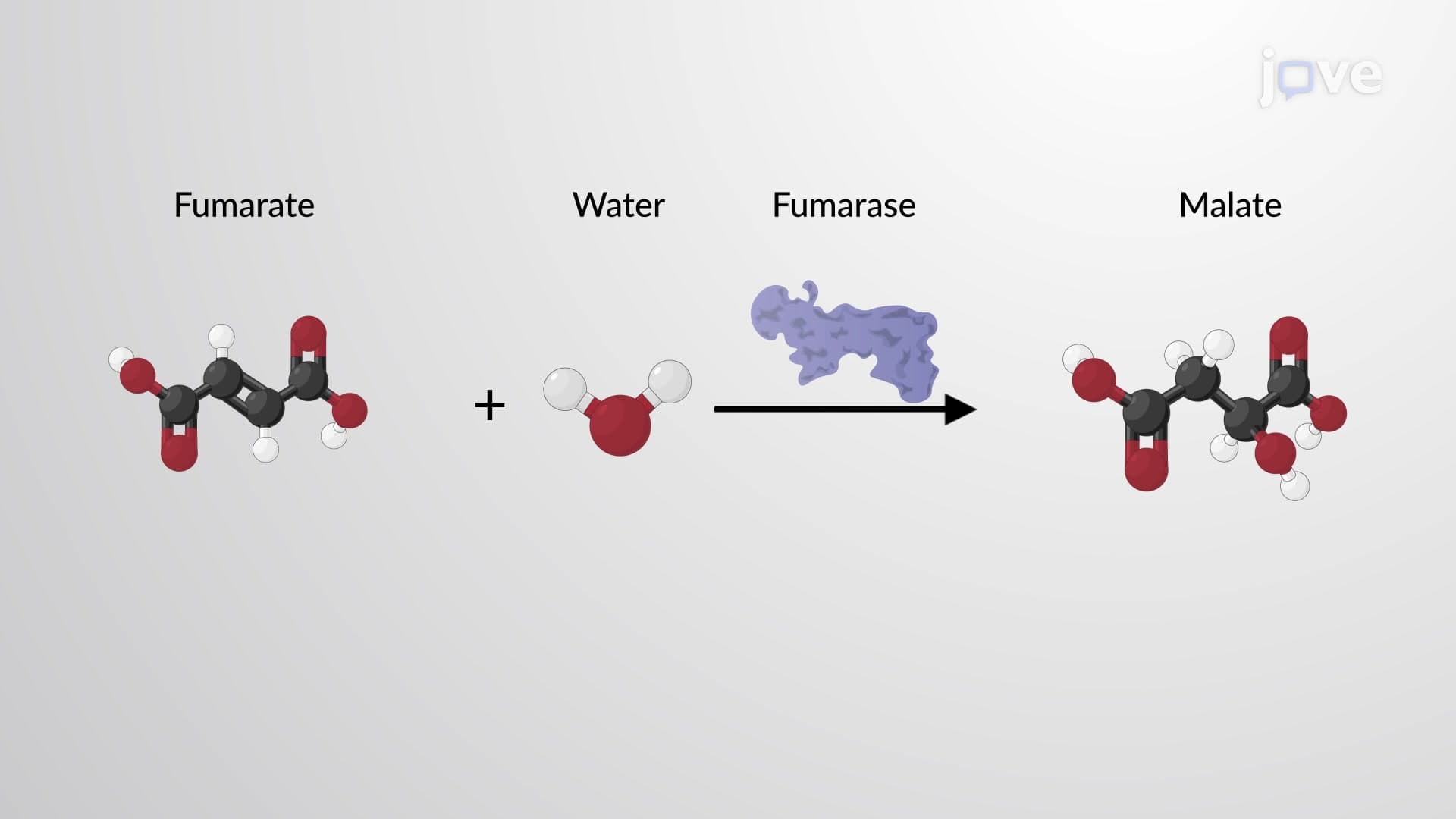
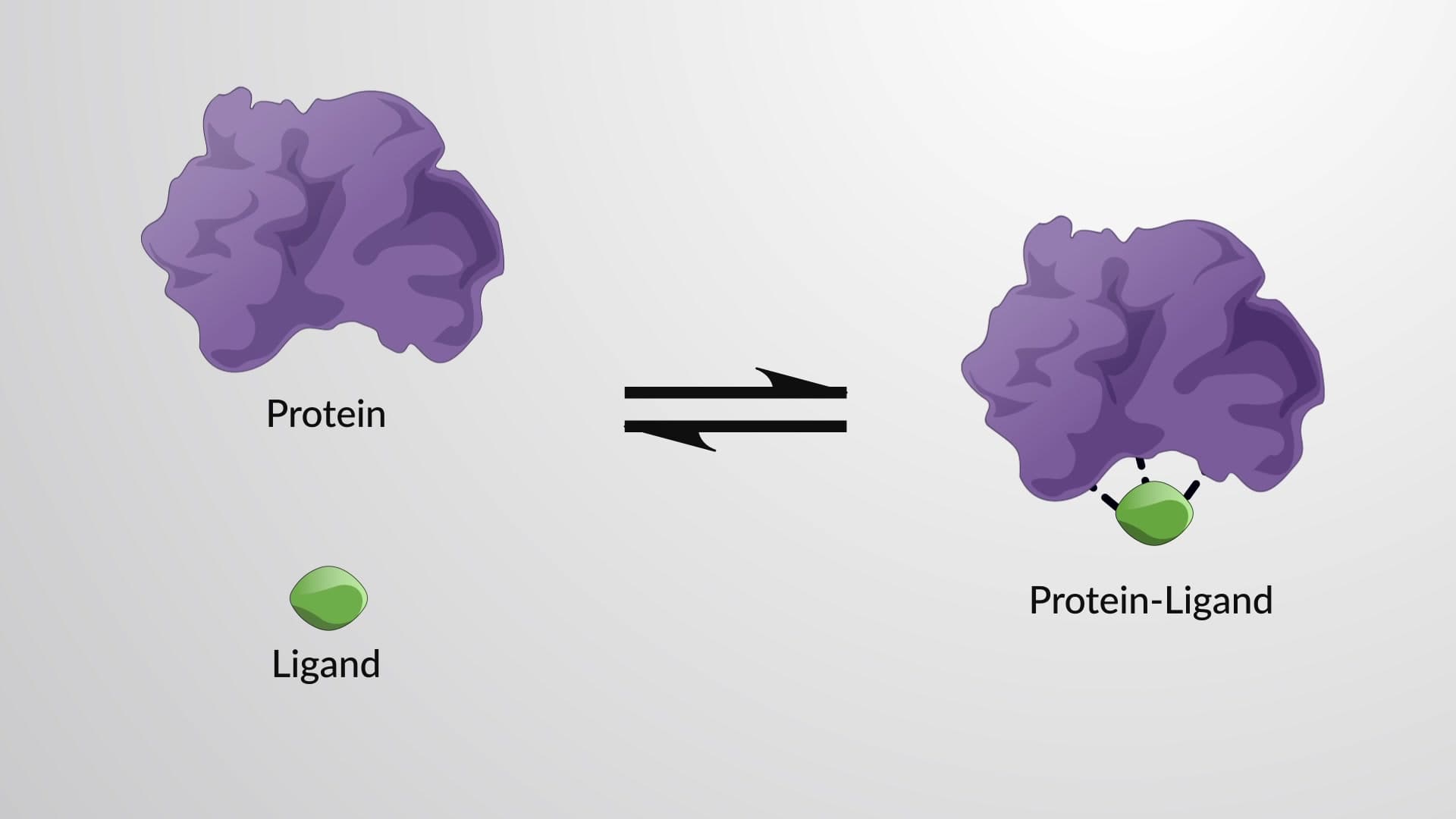
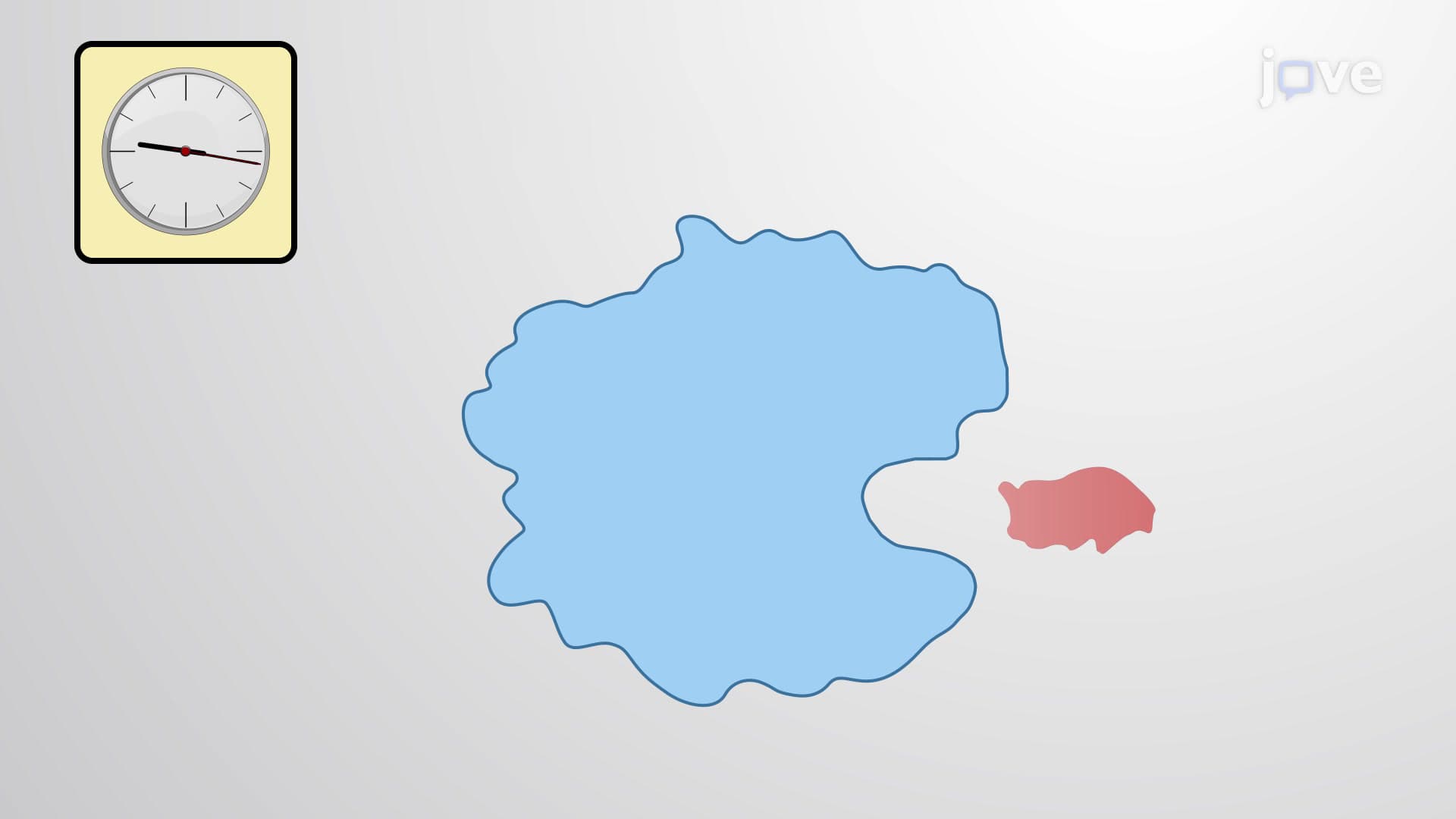
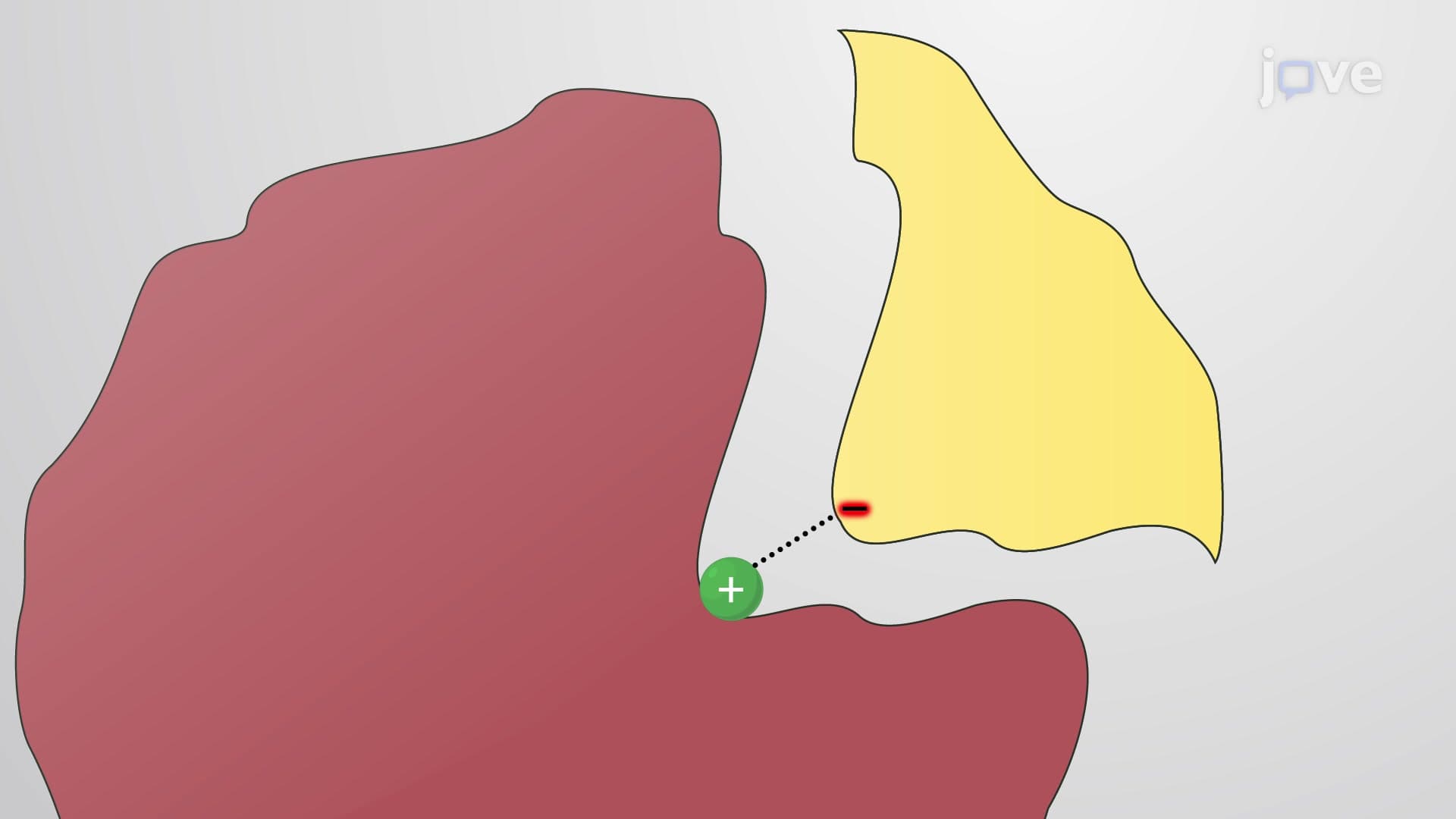
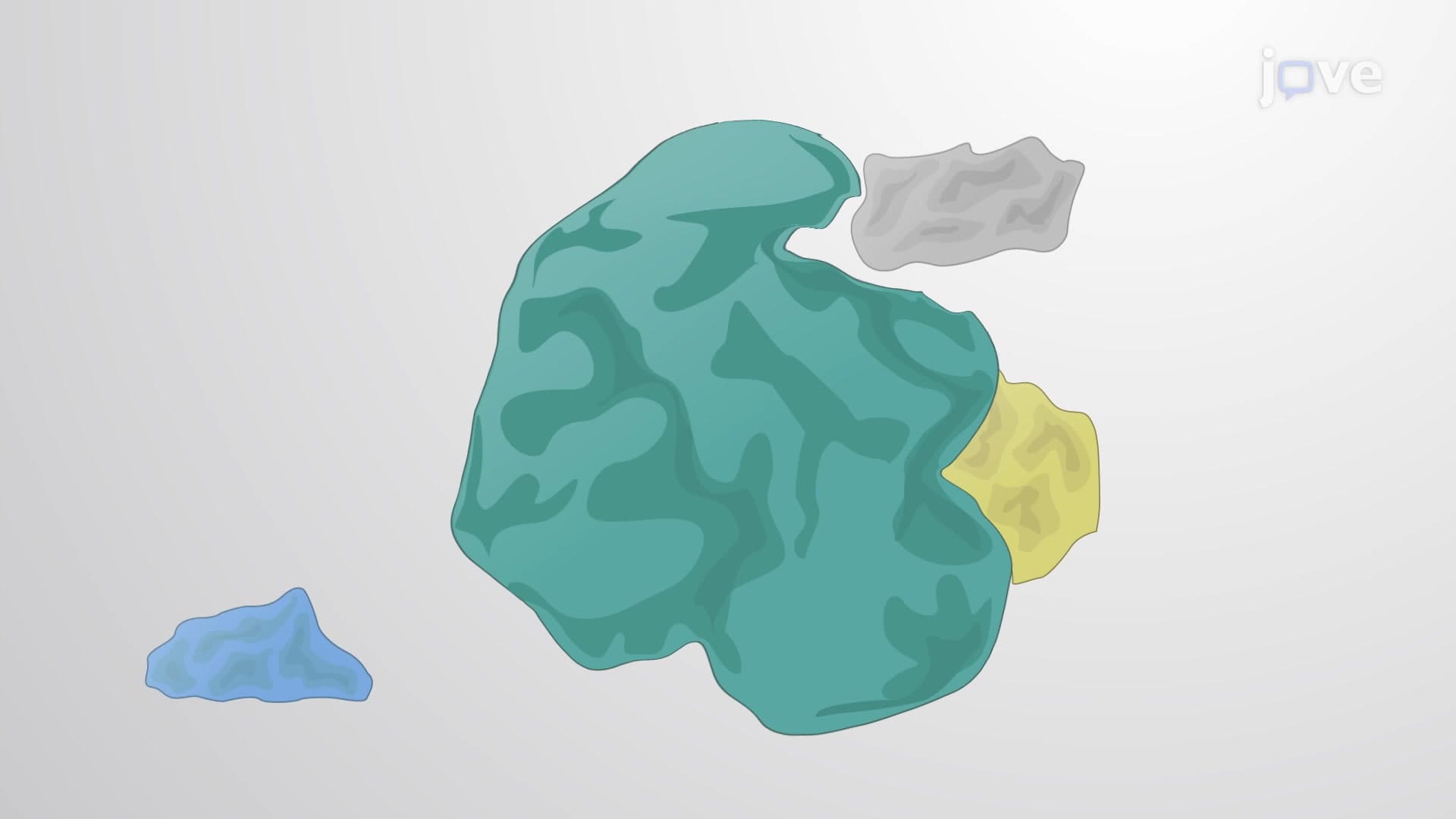
The activation energy barrier enzyme interaction works through precise molecular recognition. When substrates bind to an enzyme's active site, they form an enzyme-substrate complex. This binding stabilizes the transition state-the high-energy intermediate structure that molecules pass through during chemical transformation. By stabilizing this unstable intermediate, enzymes reduce the energy required to reach the transition state, allowing more molecules to successfully complete the reaction at any given moment.
Enzymes employ several sophisticated mechanisms to achieve catalyst activation energy reduction. First, they position substrates in optimal orientations for bond formation or breaking. Second, they create microenvironments with specific pH or charge distributions that favor the transition state. Third, they may strain certain bonds in the substrate, making them easier to break. For example, the digestive enzyme pepsin creates an acidic environment that helps unfold proteins, making peptide bonds more accessible for hydrolysis.
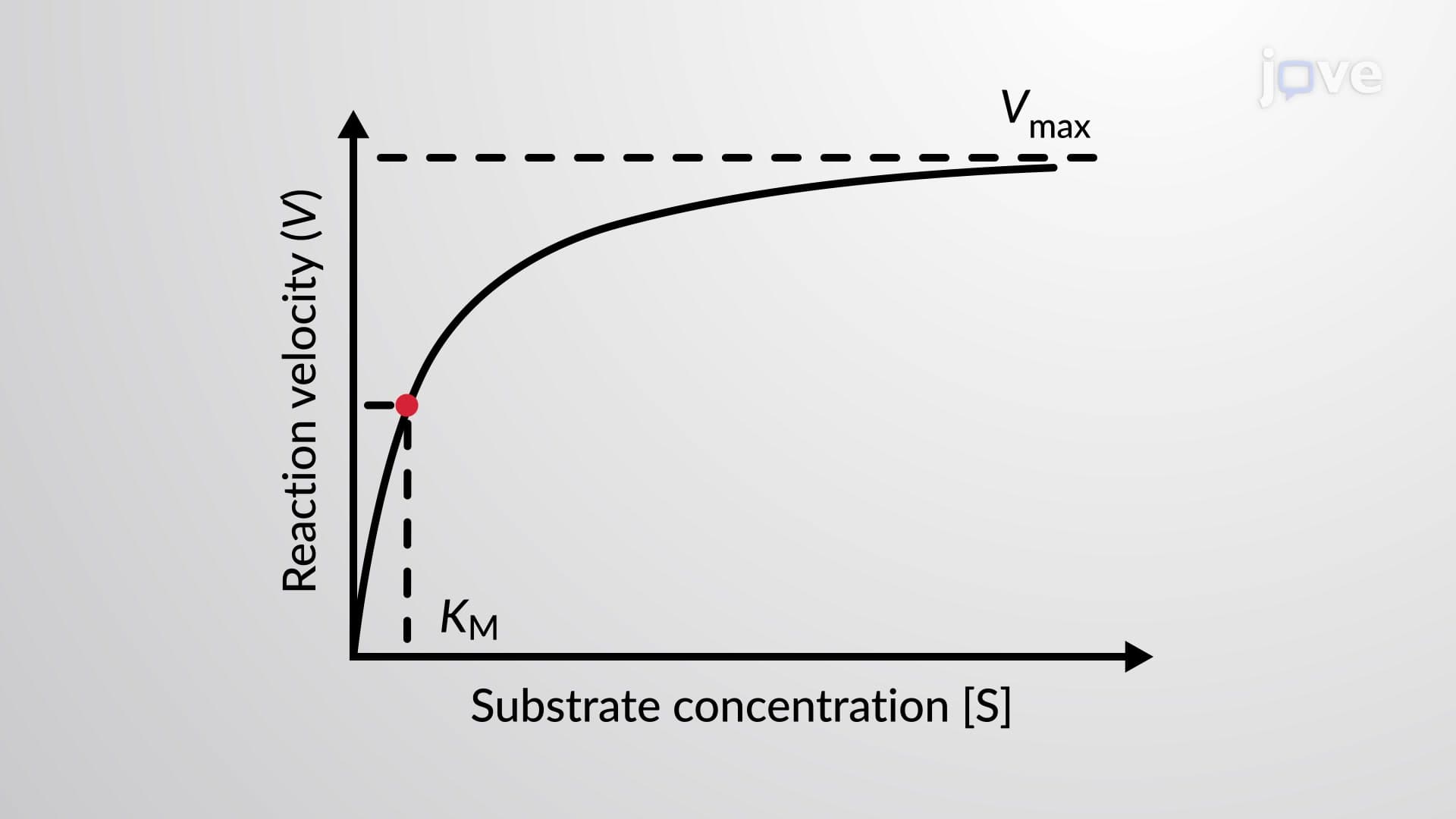
Understanding enzyme reaction rate principles proves essential for success on exams like the AP Biology test, MCAT, and college biochemistry courses. These concepts frequently appear in questions about metabolic pathways, enzyme kinetics, and drug design. In medicine, many pharmaceuticals work as enzyme inhibitors-they bind to enzymes and prevent normal substrate access, effectively raising the activation energy back to inhibitory levels. Statins, commonly prescribed for high cholesterol, inhibit HMG-CoA reductase, the rate-limiting enzyme in cholesterol synthesis. This real-world application demonstrates how manipulating enzyme function through activation energy changes can treat disease.
Related Micro-courses