Loading subject page…


235,306 views

Video Summary: What Is Free Energy and Equilibrium
Ever wonder why some chemical reactions happen spontaneously while others need energy input? Free energy equilibrium determines whether reactions like cellular respiration in your body will proceed forward or backward. In pharmaceutical manufacturing across the US, companies rely on understanding what is free energy and equilibrium to optimize drug production processes and ensure maximum yield. This fundamental concept connects thermodynamics to reaction spontaneity through the relationship between Gibbs free energy changes and equilibrium constants. Watch the full video on JoVE Coach to master this concept with expert-led visuals and step-by-step explanations.
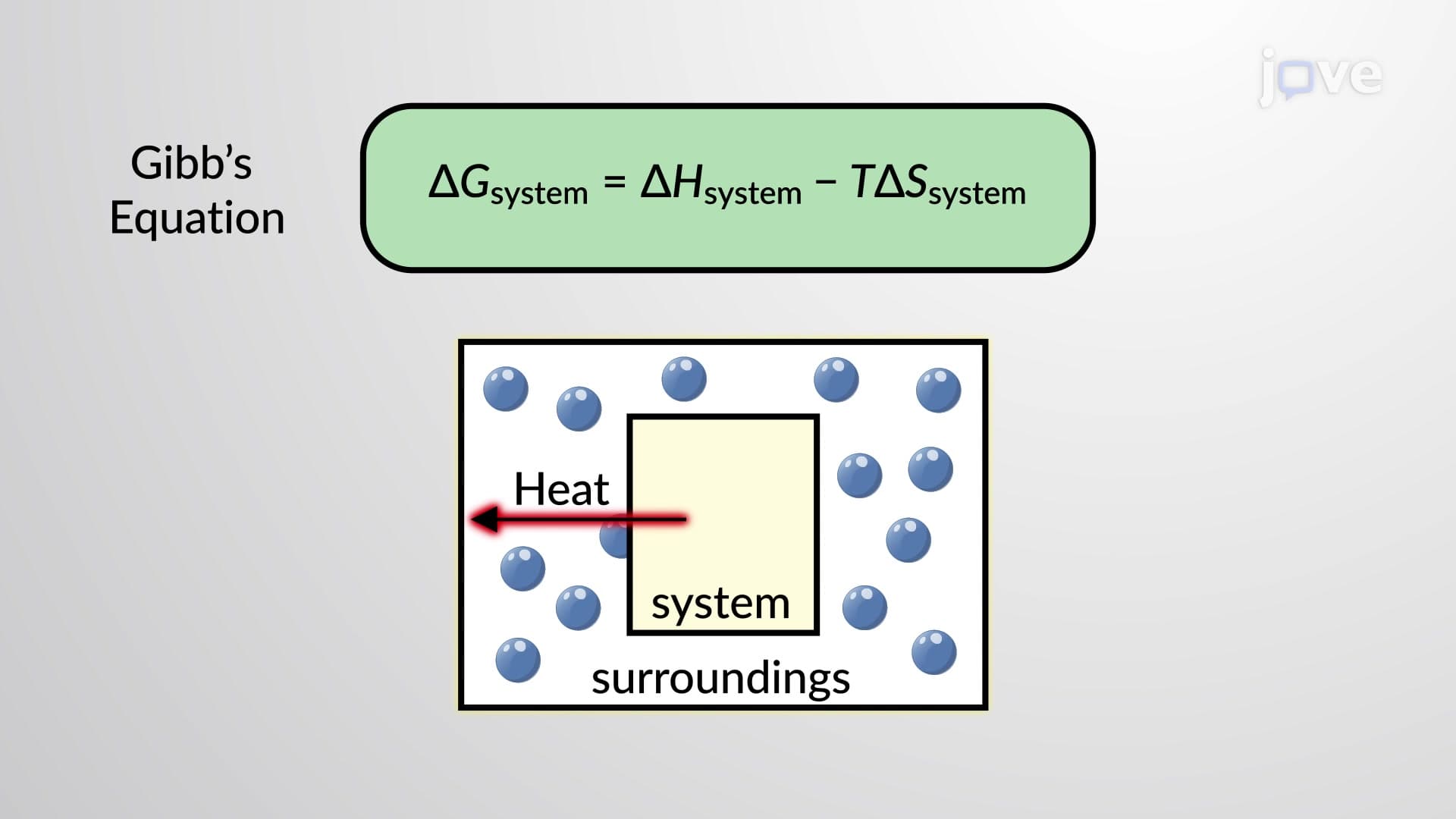
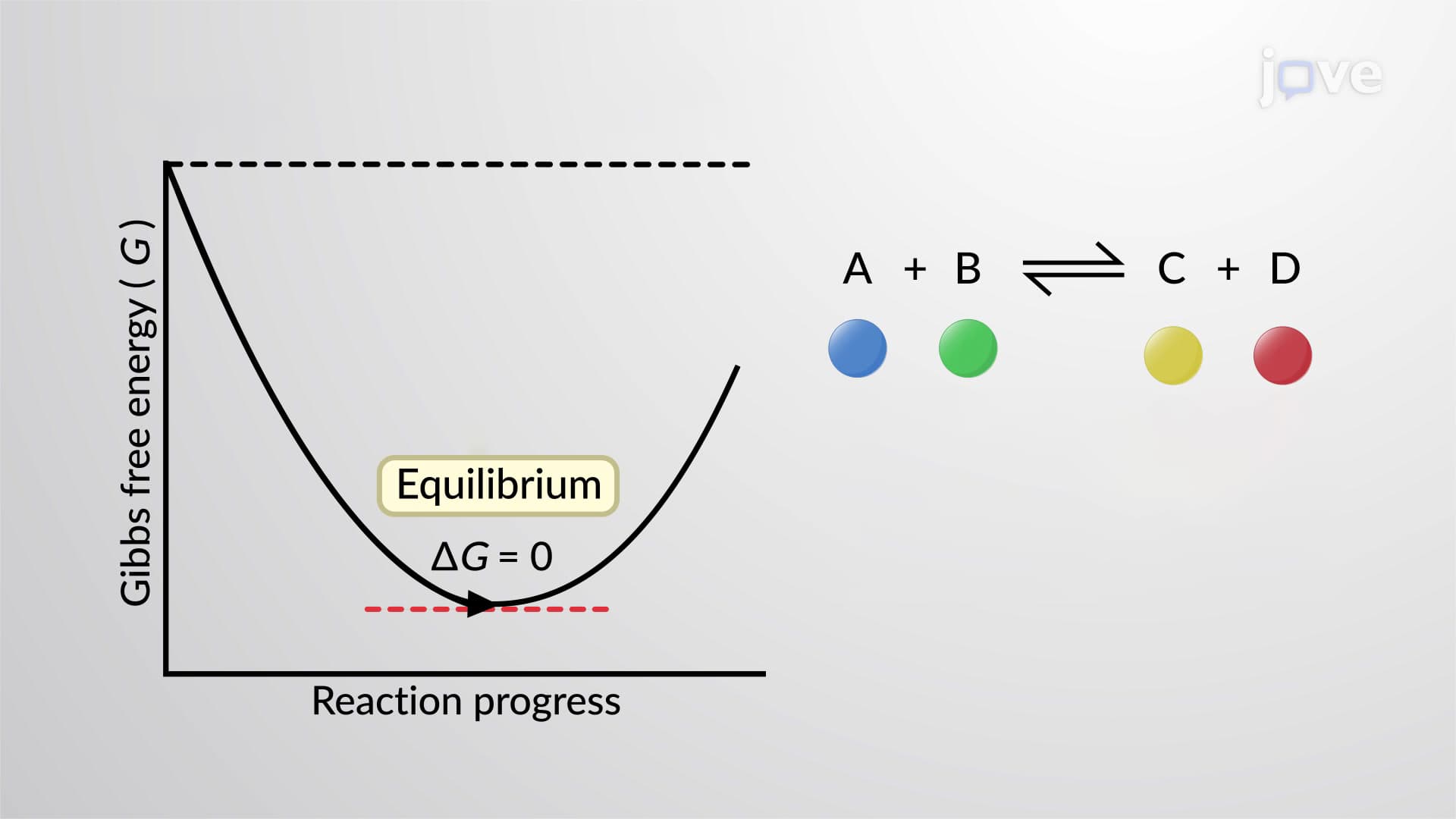
What is free energy and equilibrium represents one of chemistry's most crucial relationships, connecting thermodynamics to reaction behavior. Gibbs free energy (G) serves as nature's decision-maker, determining whether chemical reactions proceed spontaneously or require external energy input. When G is negative, reactions move forward naturally, like water flowing downhill.
The free energy equilibrium definition centers on the equation G = G° + RT ln(Q), where G° represents standard free energy change, R is the gas constant, T is temperature, and Q is the reaction quotient. This equation reveals how actual conditions differ from standard state conditions (25°C, 1 atm pressure, 1 M concentrations). As reactions progress, reactant concentrations decrease while product concentrations increase, causing the ln(Q) term to grow larger and G to become less negative.
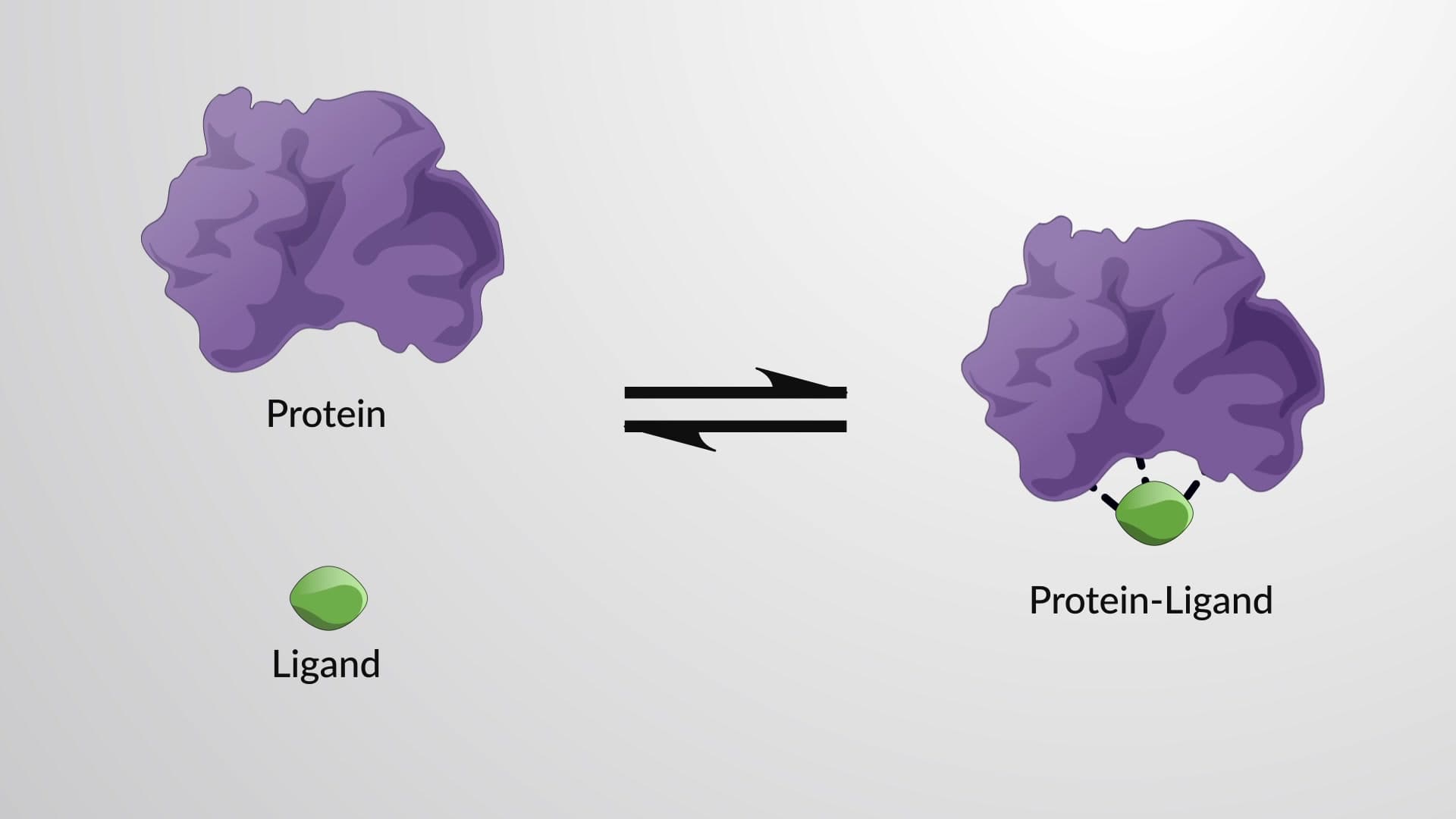
At equilibrium, the free energy and equilibrium concept explained shows G equals exactly zero. This occurs when forward and reverse reaction rates become equal, not when concentrations are equal. The reaction quotient Q transforms into the equilibrium constant K, leading to the fundamental relationship G° = -RT ln(K). This mathematical connection allows chemists to predict equilibrium positions from thermodynamic data.
Understanding free energy equilibrium proves essential for AP Chemistry students and college undergraduates pursuing STEM careers. Pharmaceutical companies like Pfizer and Johnson & Johnson use these principles to optimize drug synthesis reactions. For example, in manufacturing aspirin, chemists manipulate temperature and pressure to shift equilibrium toward maximum product yield. Similarly, environmental engineers apply free energy concepts when designing catalytic converters for automotive emissions control, ensuring pollutant conversion reactions proceed efficiently.
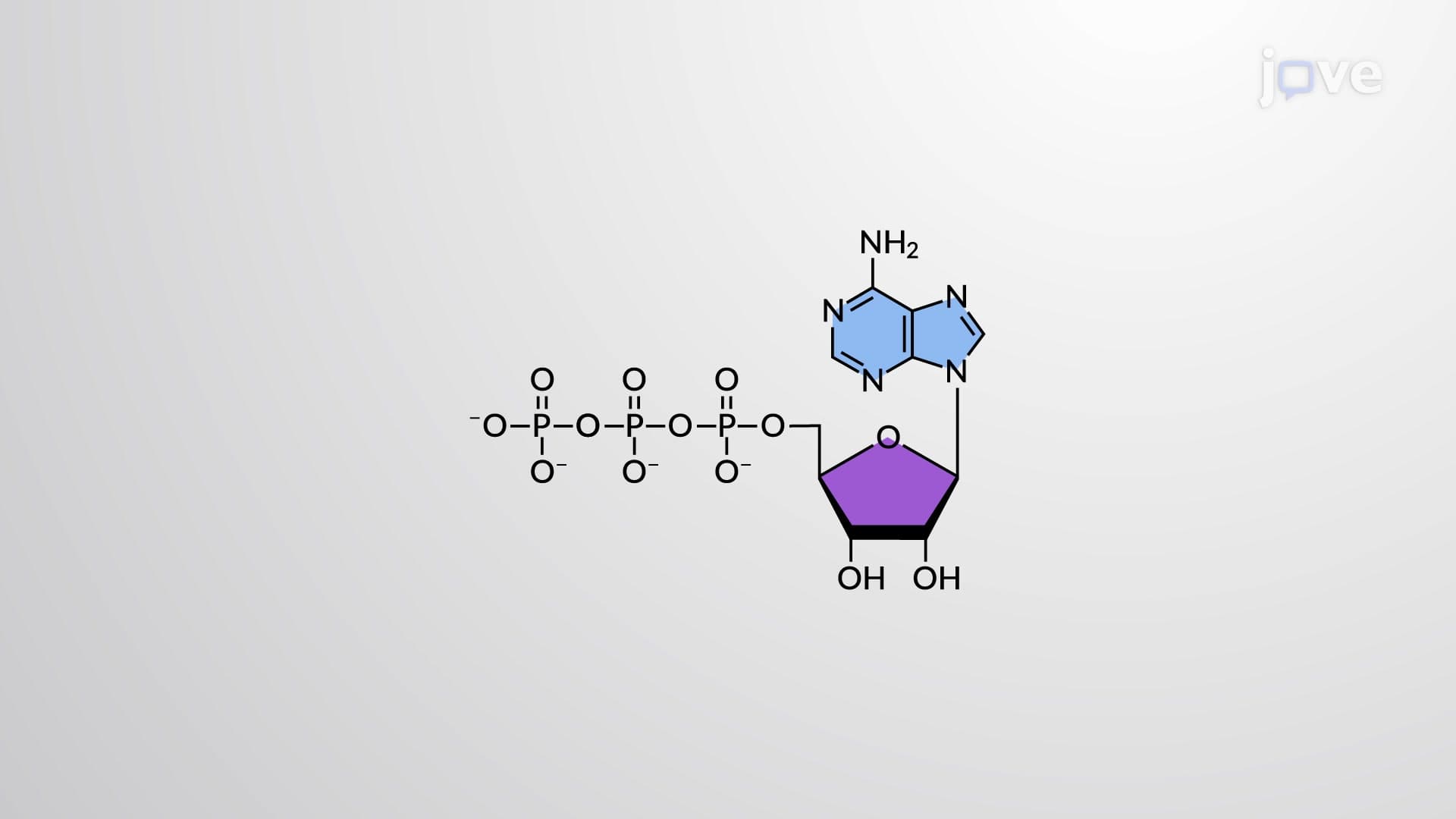
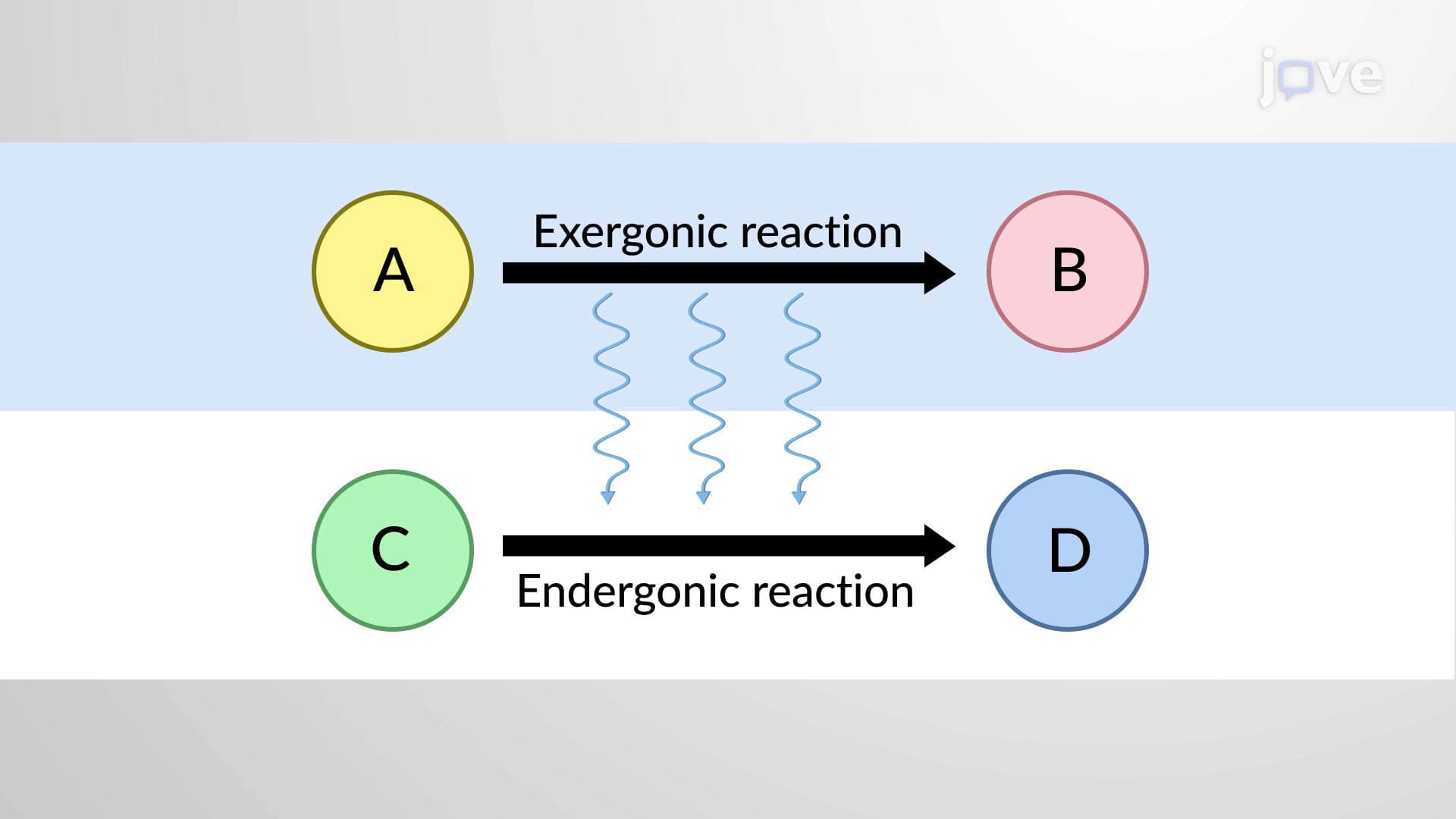
On the MCAT and AP Chemistry exams, free energy questions frequently test students' ability to interpret G° values, predict reaction spontaneity, and calculate equilibrium constants. College chemistry courses expand these concepts to include biochemical systems, where ATP hydrolysis drives cellular processes through coupled reactions with favorable free energy changes.
Related Micro-courses