Loading video…


 14 Concepts
 188.5K views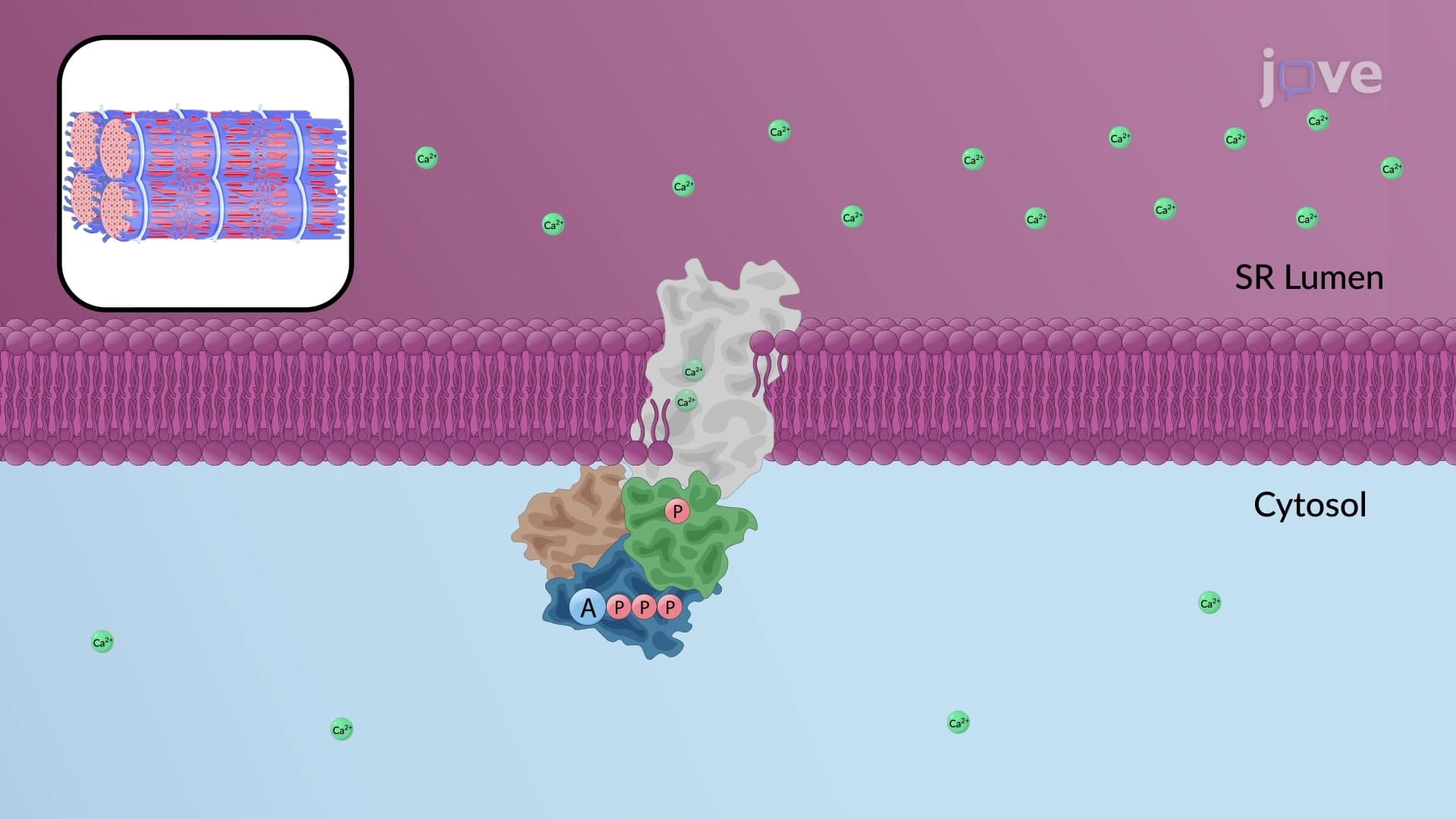

Video Summary: Atp Driven Pumps Ii P Explained
Ever wonder how your muscle cells maintain precise calcium levels during every heartbeat and contraction? P-type ATPase pumps are molecular machines that use energy to move ions against concentration gradients, with the SERCA pump in cardiac muscle cells being a prime example that prevents dangerous calcium buildup. These ATP driven pumps II P explained mechanisms involve a unique phosphorylation cycle that's essential for cellular function. Watch the full video on JoVE Coach to master this concept with expert-led visuals and step-by-step explanations.
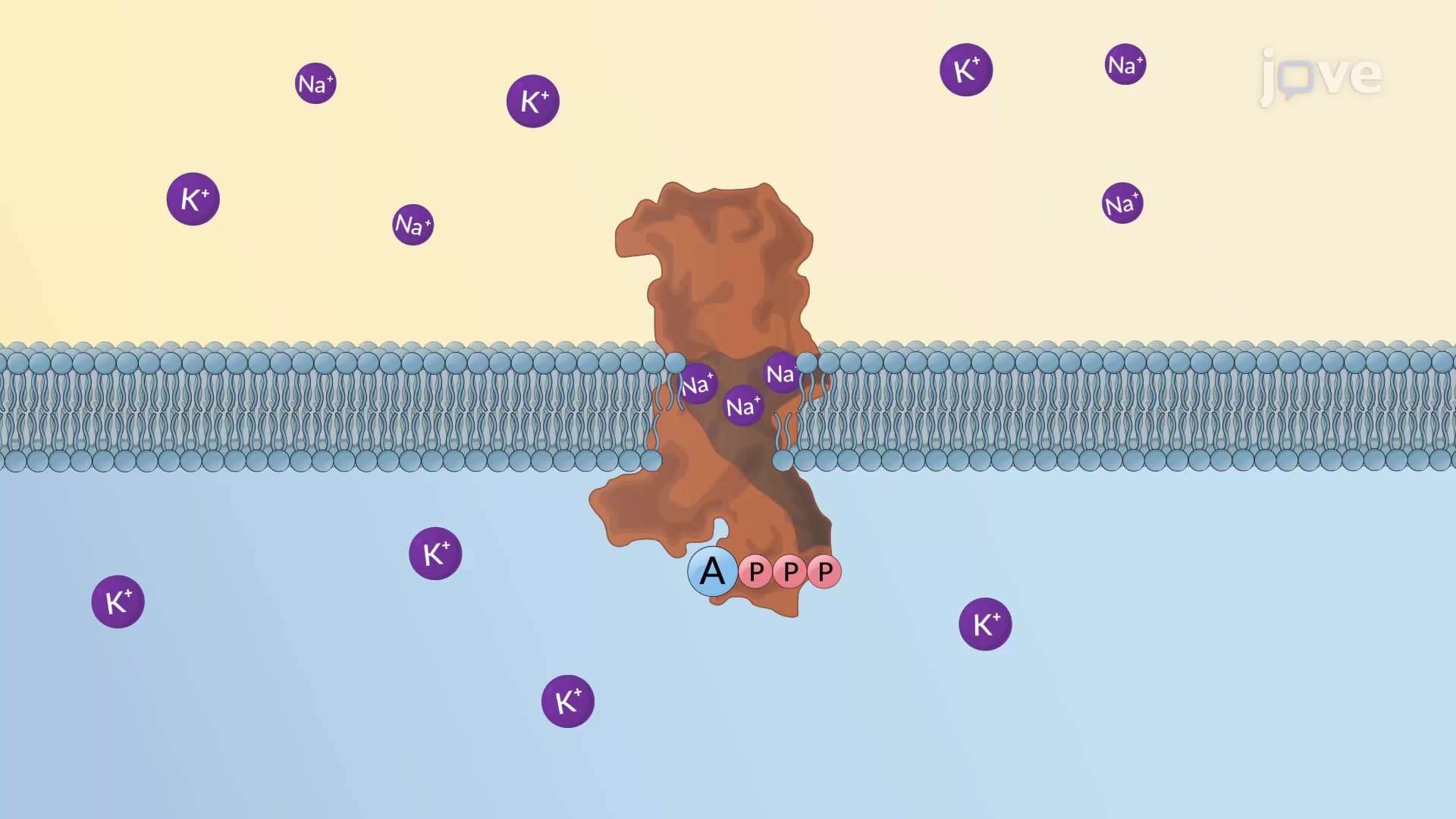
P-type ATPase pumps represent one of nature's most sophisticated transport systems, using ATP energy to move ions against their concentration gradients. These pumps are characterized by their unique phosphorylation mechanism, where an aspartate residue in the P-domain becomes temporarily phosphorylated during the transport cycle. The "P" in P-type specifically refers to this phosphorylated intermediate that drives conformational changes essential for ion transport.
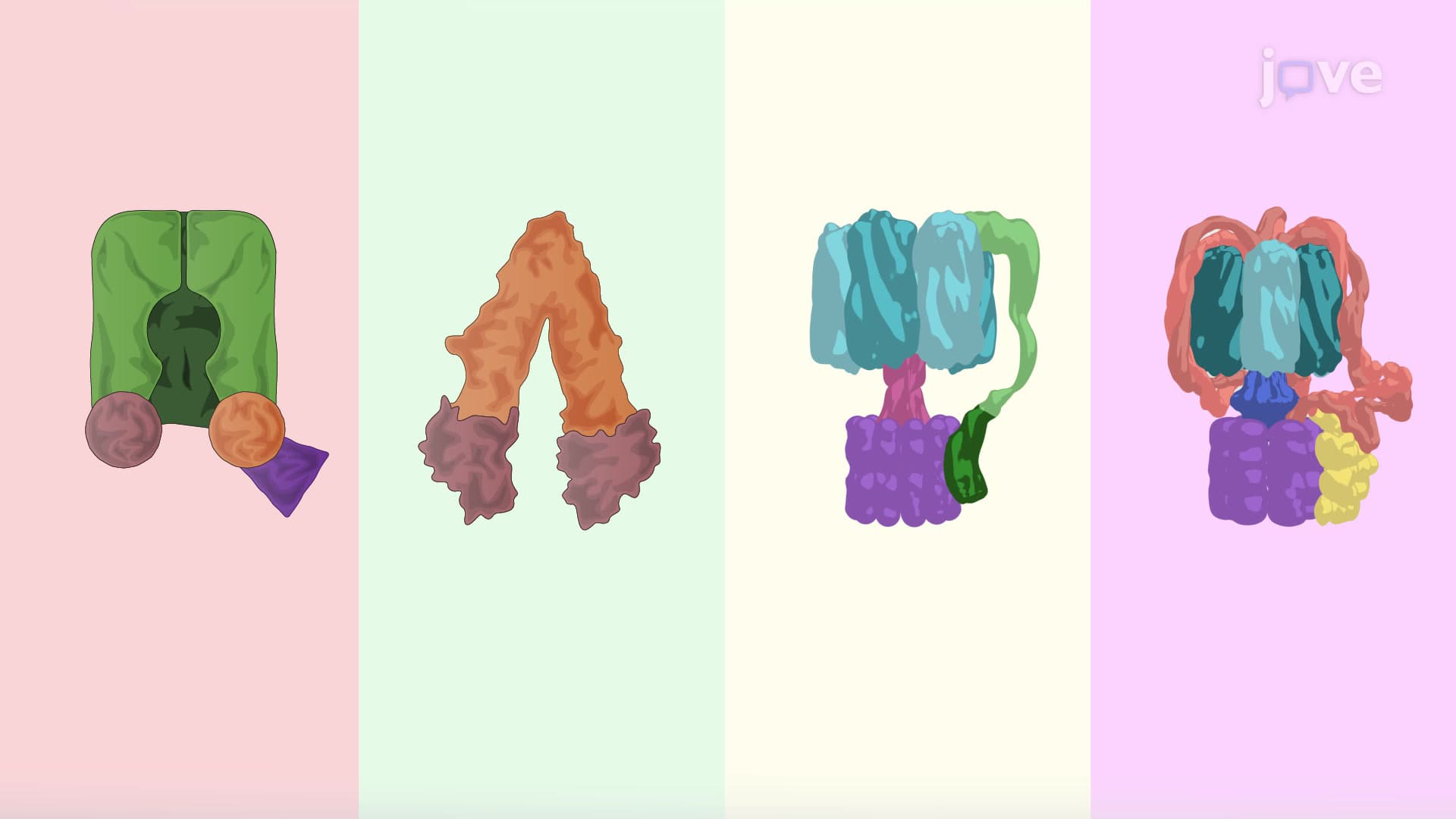
The structural organization of P-type pumps includes three critical cytoplasmic domains working in concert with transmembrane segments. The N-domain binds ATP, the P-domain undergoes phosphorylation, and the A-domain acts as an actuator triggering conformational changes. This modular design allows precise control over ion movement, making these pumps essential for maintaining cellular homeostasis.
The sarco/endoplasmic reticulum Ca-ATPase (SERCA) serves as the classic example studied in AP Biology and college biochemistry courses. In cardiac muscle cells at institutions like Johns Hopkins Medical School, students learn how SERCA pump dysfunction contributes to heart failure. The pump maintains low cytoplasmic calcium levels by actively transporting Ca²⁺ ions into the sarcoplasmic reticulum, enabling proper muscle relaxation between contractions.
MCAT preparation often emphasizes SERCA's role in the excitation-contraction coupling cycle. When cardiac muscle cells contract, calcium floods the cytoplasm, but SERCA pumps must quickly remove this calcium to allow relaxation. Each pump cycle requires one ATP molecule to transport two calcium ions, demonstrating the significant energy investment cells make in maintaining ion gradients.
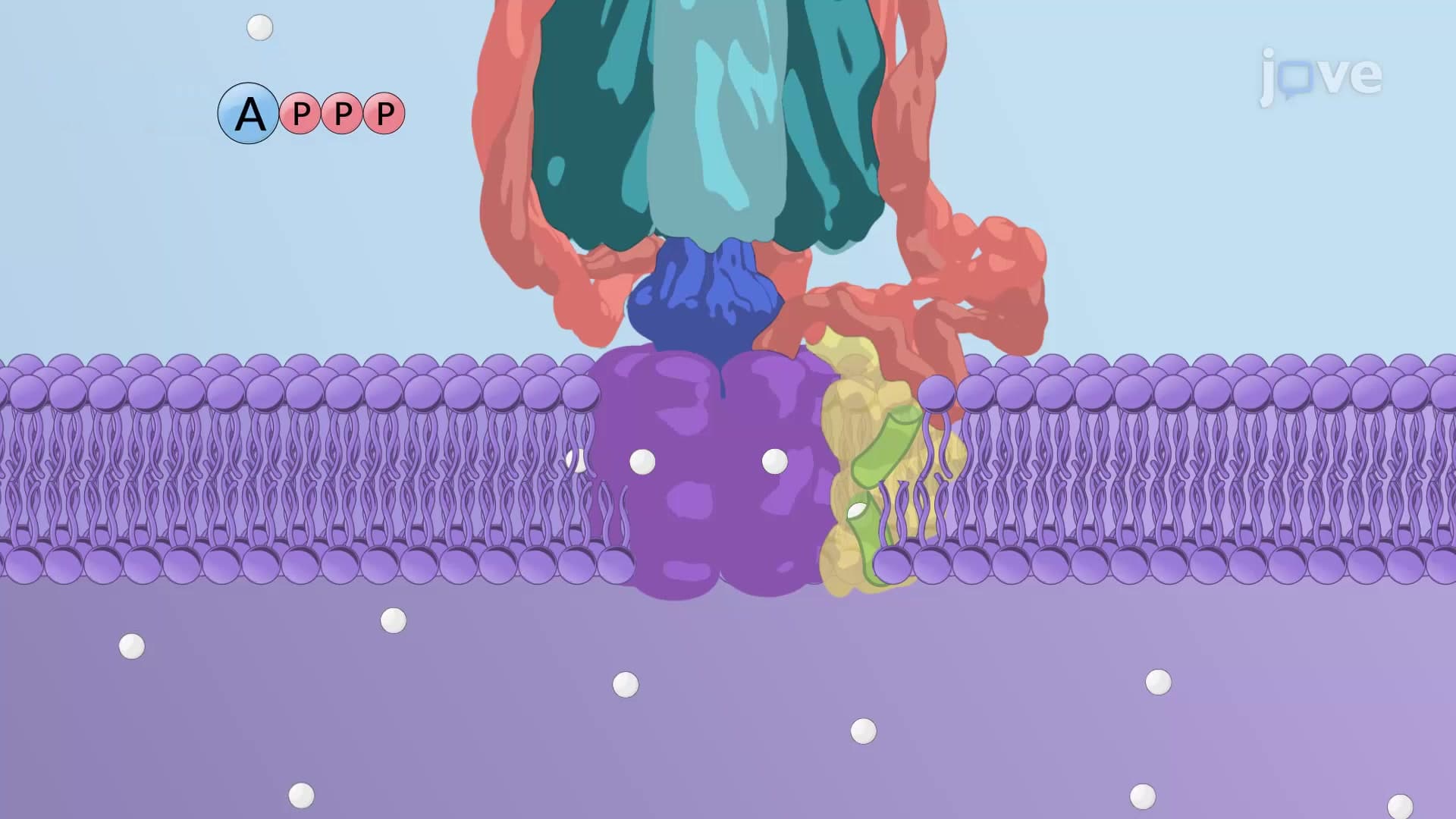
The P-type pump mechanism follows a precise sequence that's frequently tested on college biochemistry exams. Initially, ATP binds to the N-domain while calcium ions bind to sites within the transmembrane domain. ATP hydrolysis releases ADP and transfers phosphate to an aspartate residue in the P-domain, creating the phosphorylated intermediate that gives P-type pumps their name.
This phosphorylation triggers a dramatic conformational change, switching the pump from an inward-facing to an outward-facing state. The calcium-binding sites now face the SR lumen, reducing their affinity for calcium and releasing the ions. The binding of counter-ions (typically H⁺) from the lumen side promotes dephosphorylation and return to the original conformation, completing the cycle.
Understanding P-type ATPase dysfunction has direct clinical implications studied in medical schools across the United States. Mutations in the ATP1A3 gene encoding the Na⁺/K⁺-ATPase cause alternating hemiplegia of childhood, while SERCA pump inhibition by thapsigargin is used in cancer research at the National Cancer Institute. These real-world applications frequently appear in USMLE Step 1 questions, connecting basic science knowledge to clinical practice.
Related Micro-courses