Loading video…


 14 Concepts
 188.5K views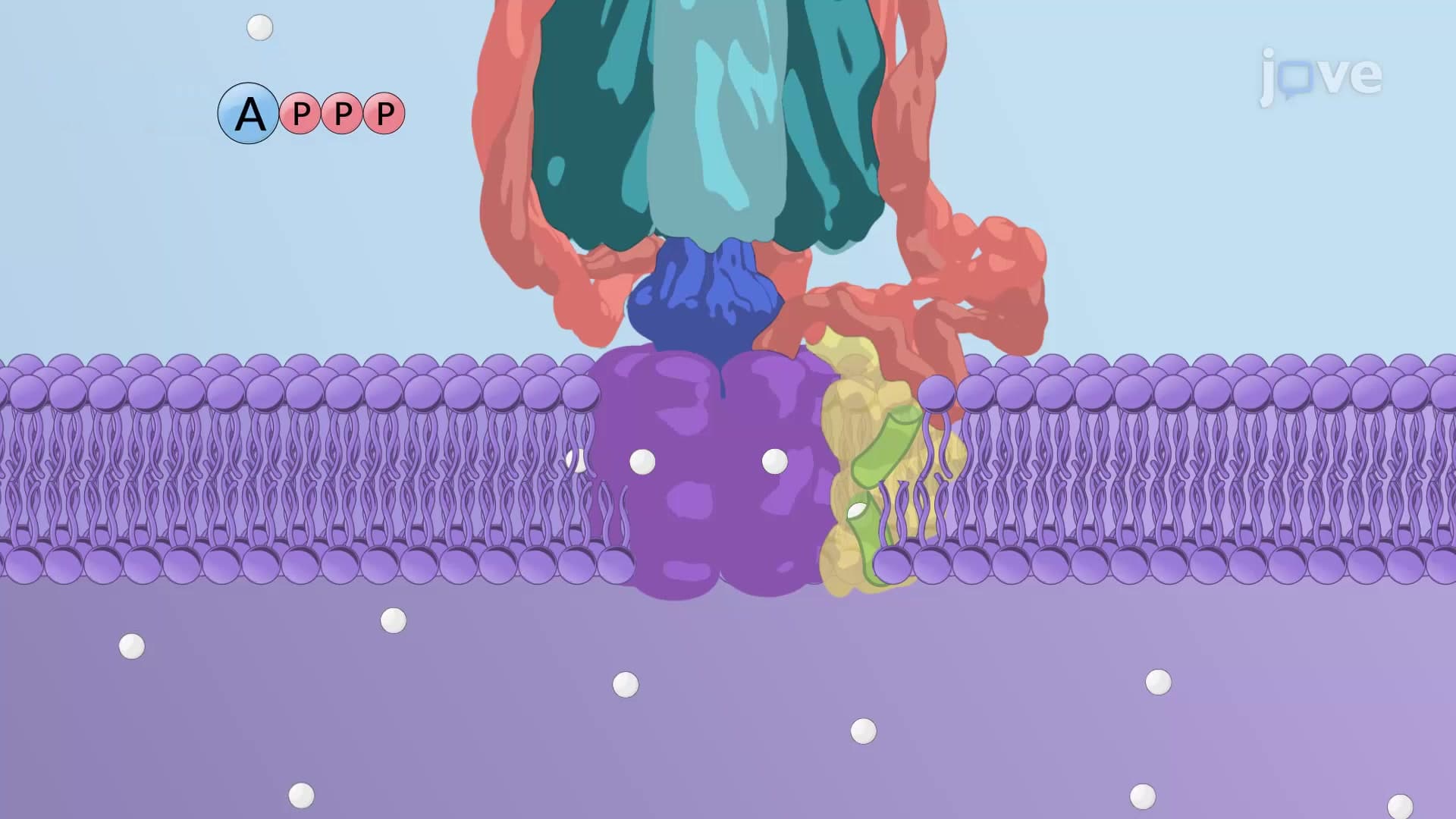

Video Summary: Atp Driven Pumps Iii V Explained
Ever wonder how your cells maintain the perfect acidic environment in lysosomes to break down cellular waste? The V-type ATPase pump acts like a molecular turbine, using ATP energy to transport protons and create essential pH gradients across cellular membranes. In human cells, these pumps are crucial for lysosome function, helping digest worn-out organelles and cellular debris. Watch the full video on JoVE Coach to master this concept with expert-led visuals and step-by-step explanations.
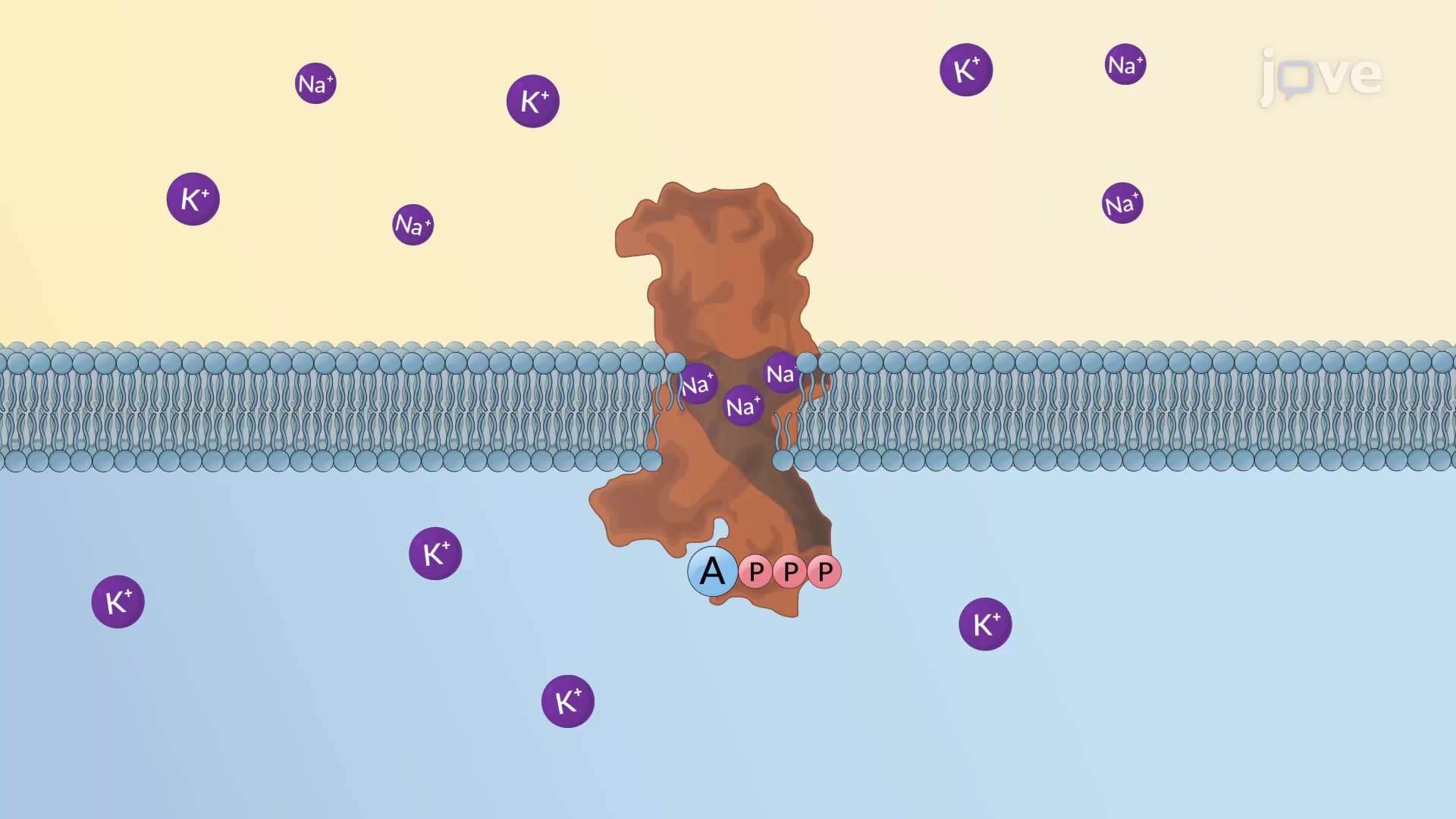
V-type ATPase pumps represent sophisticated molecular machines that harness chemical energy to create electrochemical gradients across cellular membranes. Unlike their plasma membrane counterparts, these vacuolar ATPase V-type proton pumps specifically target intracellular organelles, making them essential for maintaining proper cellular pH homeostasis.
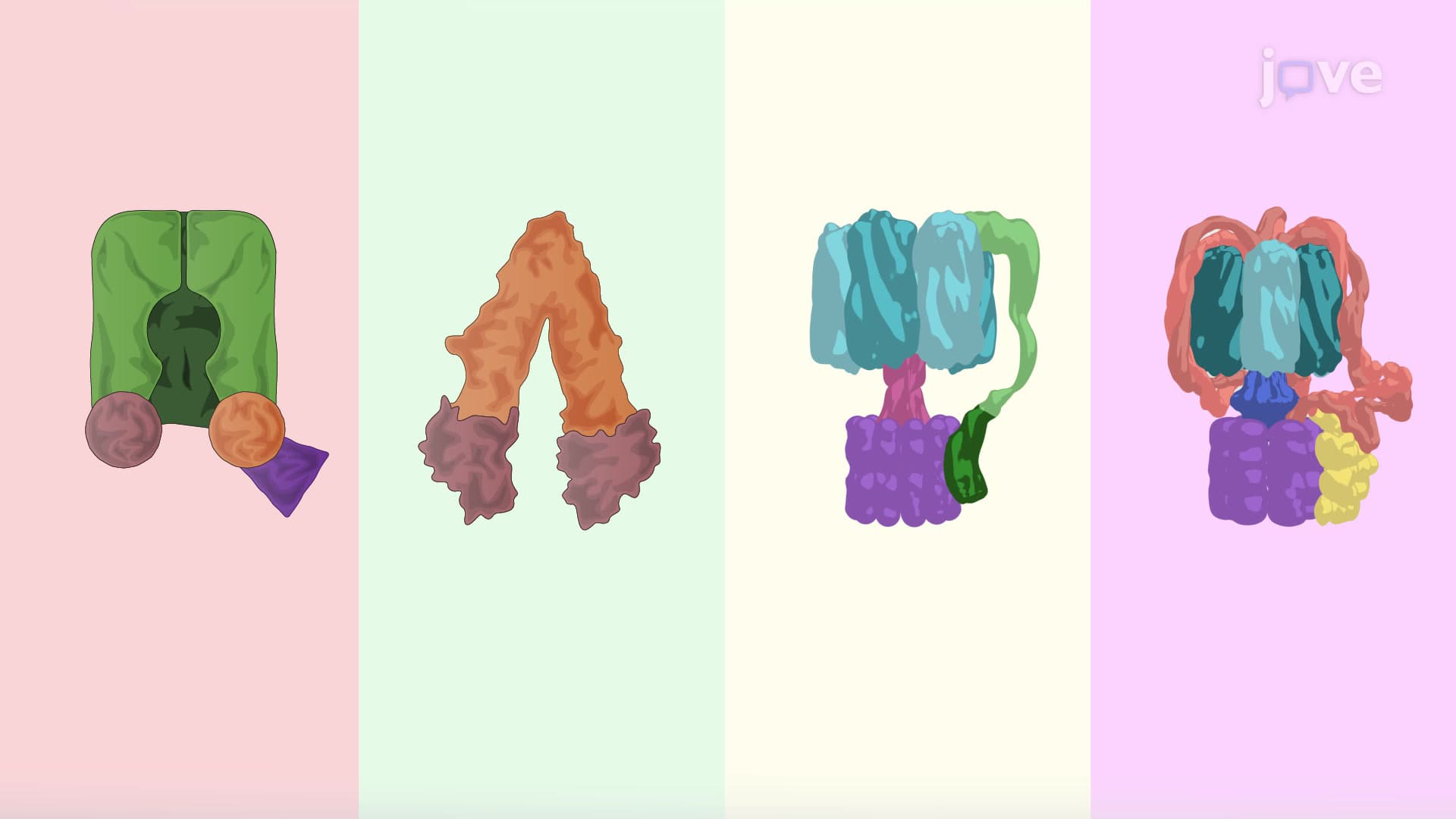
The structural elegance of V-ATPases lies in their two-domain organization. The cytosolic V₁ domain functions as the ATP-binding and hydrolysis center, featuring a hexameric arrangement of alternating A and B subunits that creates three catalytic sites. This hexamer surrounds a central rotor shaft, much like the arrangement in ATP synthase but operating in reverse. The membrane-embedded V₀ domain contains the proton-conducting pathway, with its signature c-ring of 8-14 subunits forming the rotary mechanism that couples ATP hydrolysis to proton transport.
The rotary mechanism V-type pump operates through a fascinating coupling process between chemical and mechanical energy. When ATP binds to the V₁ domain, hydrolysis triggers conformational changes that rotate the central stalk by 120-degree increments. This rotation is transmitted to the c-ring in the V₀ domain, where each c-subunit contains a critical aspartate residue that can bind and release protons.
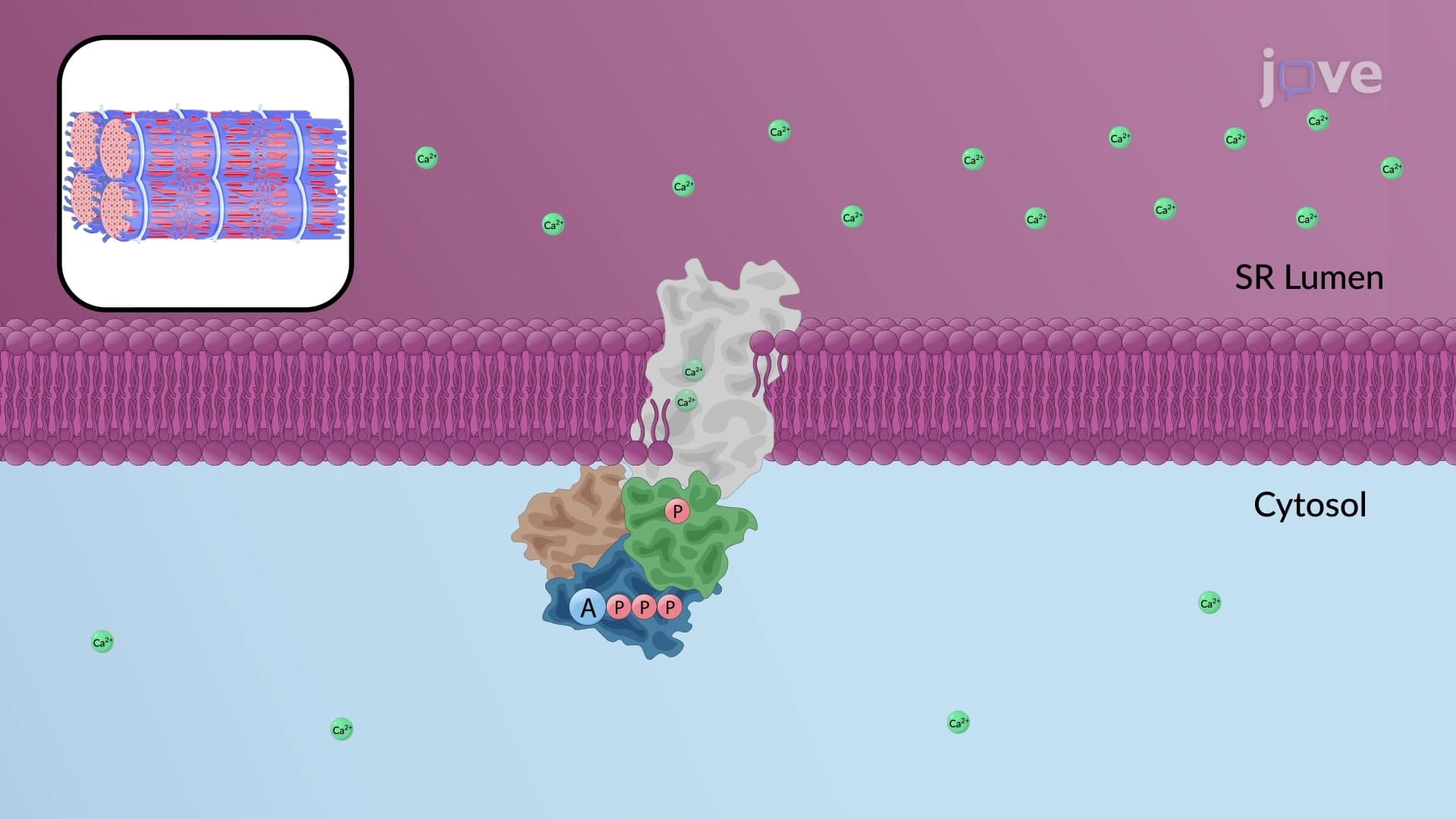
Lysosome acidification V-ATPase exemplifies this process perfectly. As the c-ring rotates, protons from the cytosol (pH ~7.2) enter through channels in the a-subunit, bind to c-subunit aspartates, and are subsequently released into the lysosomal lumen (pH ~4.5-5.0). This creates the acidic environment necessary for optimal hydrolytic enzyme function, enabling efficient protein degradation and cellular recycling.
For students preparing for the MCAT or AP Biology exams, understanding V-ATPase intracellular organelle function connects multiple biological concepts. These pumps are featured prominently in cell biology sections, particularly when discussing organelle specialization and energy metabolism. The proton gradient V-type pump mechanism also appears in biochemistry coursework at institutions like Stanford University and Johns Hopkins University.
Clinically, V-ATPase dysfunction contributes to several human diseases. Defective pumps can impair bone resorption in osteoclasts, leading to osteopetrosis, while altered lysosomal pH affects protein trafficking in neurodegenerative diseases. Understanding these connections helps pre-med students appreciate the clinical relevance of molecular mechanisms they study in undergraduate biochemistry courses.
Related Micro-courses