Loading video…


 14 Concepts
 188.5K views

Video Summary: What Is Secondary Active Transport
Ever wonder how your intestines absorb glucose from a meal even when glucose levels are already high inside your cells? Secondary active transport explained reveals this fascinating cellular process that powers everything from nutrient absorption in your digestive system to kidney function. Unlike passive transport, what is secondary active transport demonstrates how cells use stored ionic energy to move substances uphill against concentration gradients-like how your small intestine extracts every bit of glucose from that slice of pizza. Watch the full video on JoVE Coach to master this concept with expert-led visuals and step-by-step explanations.
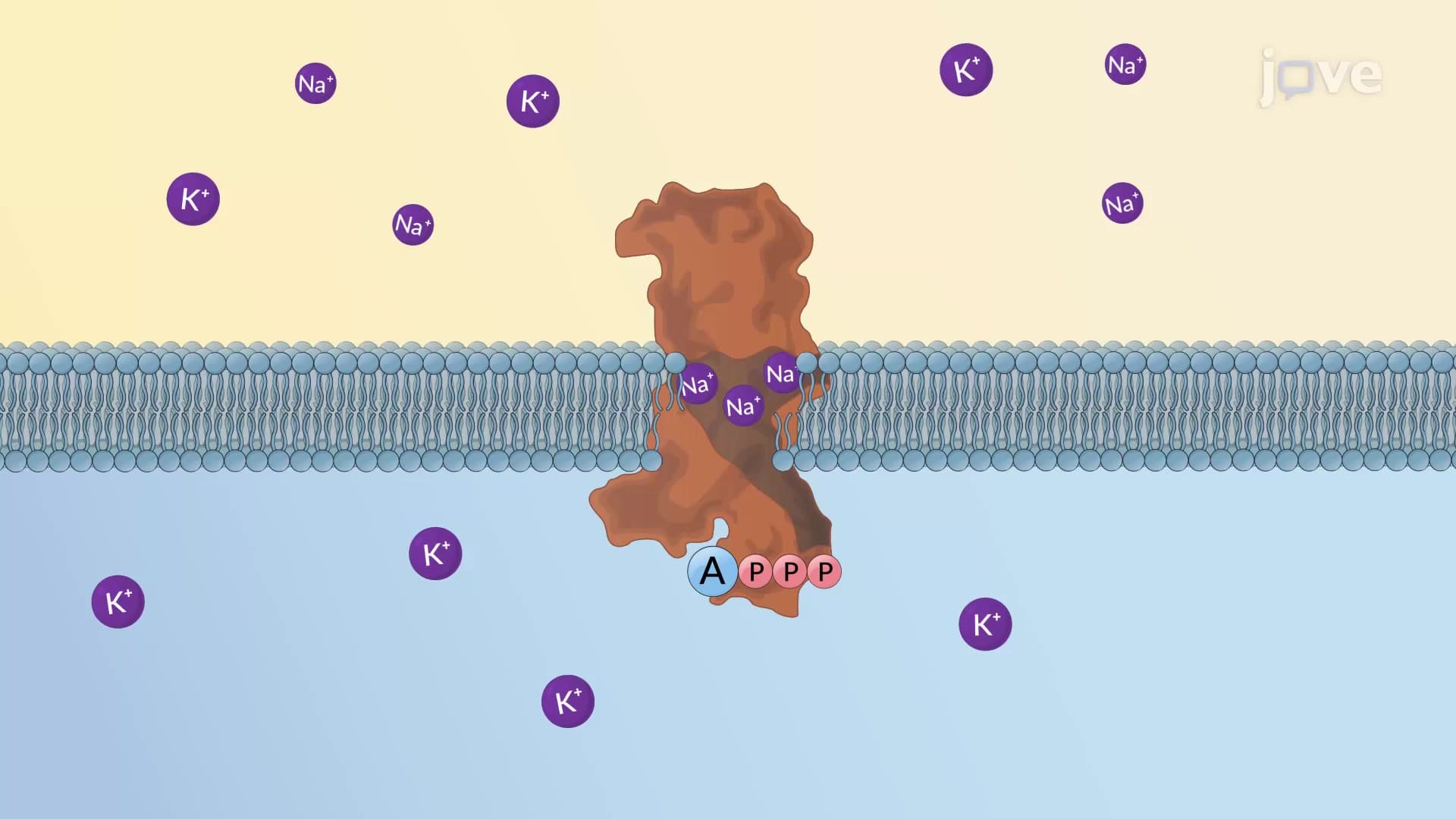
Secondary active transport represents one of biology's most elegant energy-coupling mechanisms. Unlike primary active transport that directly hydrolyzes ATP, this process harnesses the potential energy stored in electrochemical gradients-typically established by primary active transporters like the sodium-potassium pump. Think of it as cellular recycling: the energy invested in creating ion gradients gets reused to power the transport of other essential molecules.
This concept frequently appears on AP Biology exams and college cell biology courses, where students must distinguish between different transport mechanisms. The key insight is that secondary active transport biology demonstrates how cells maximize energy efficiency by coupling favorable ion movements to unfavorable solute transport.
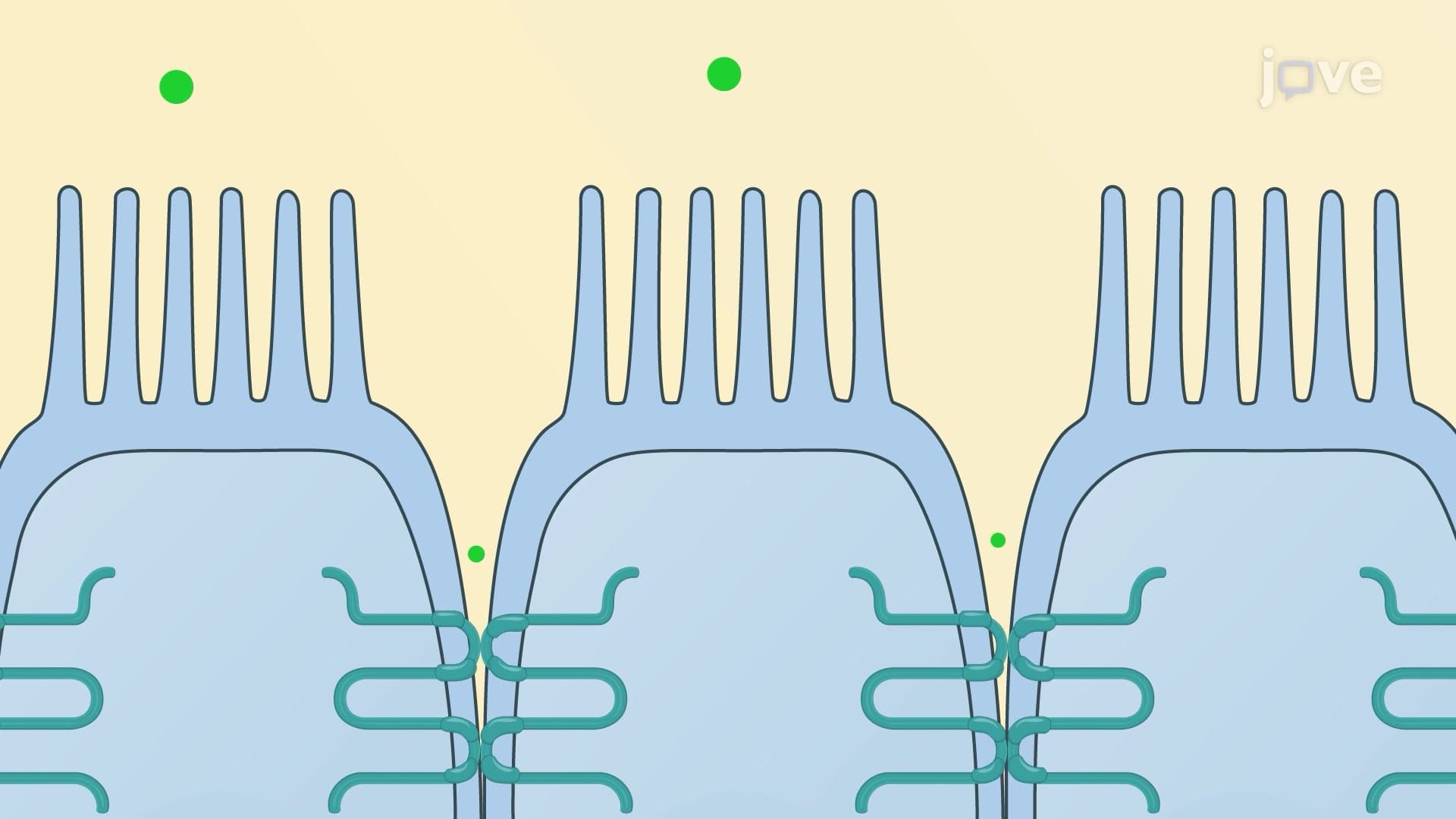
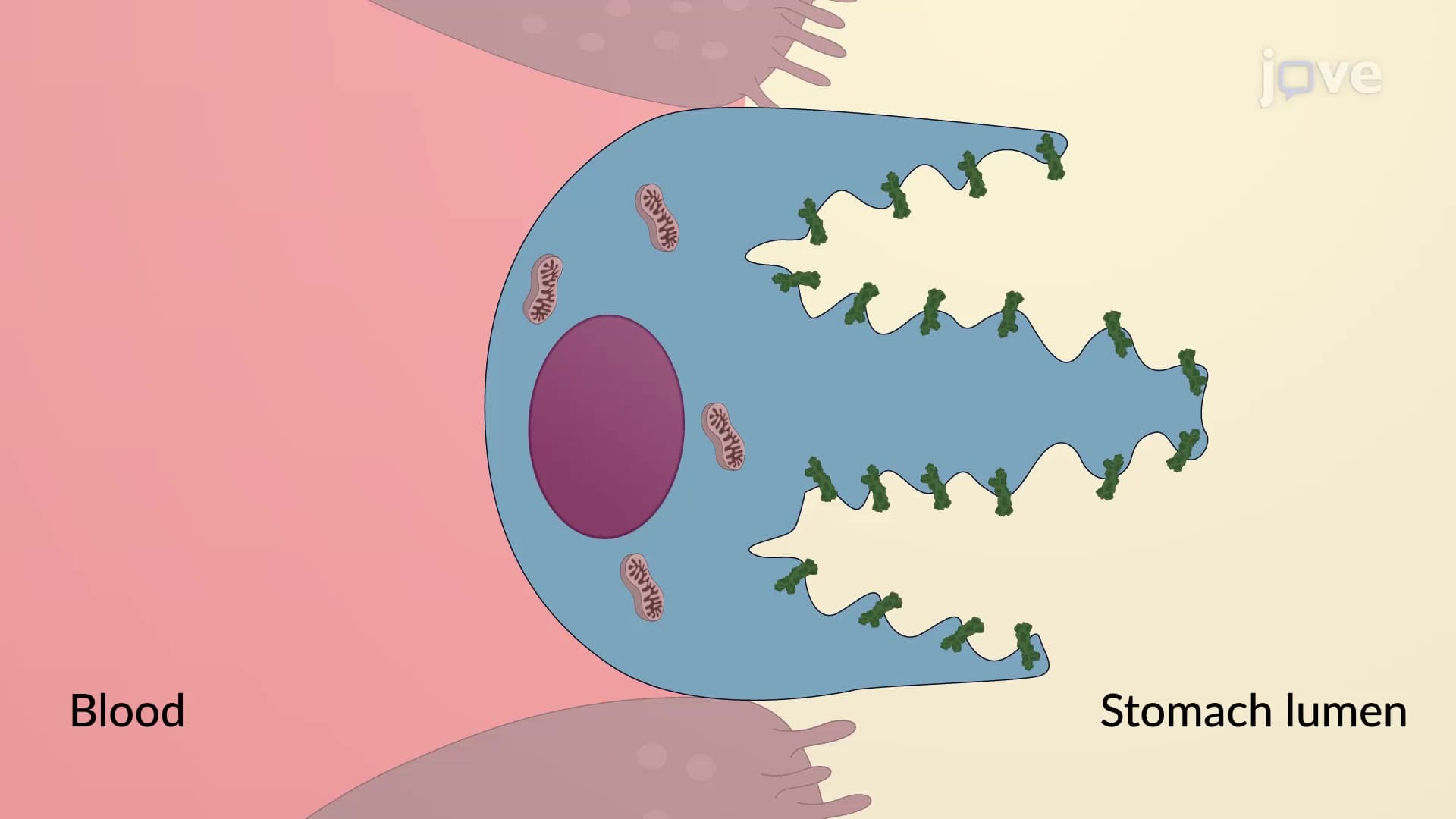
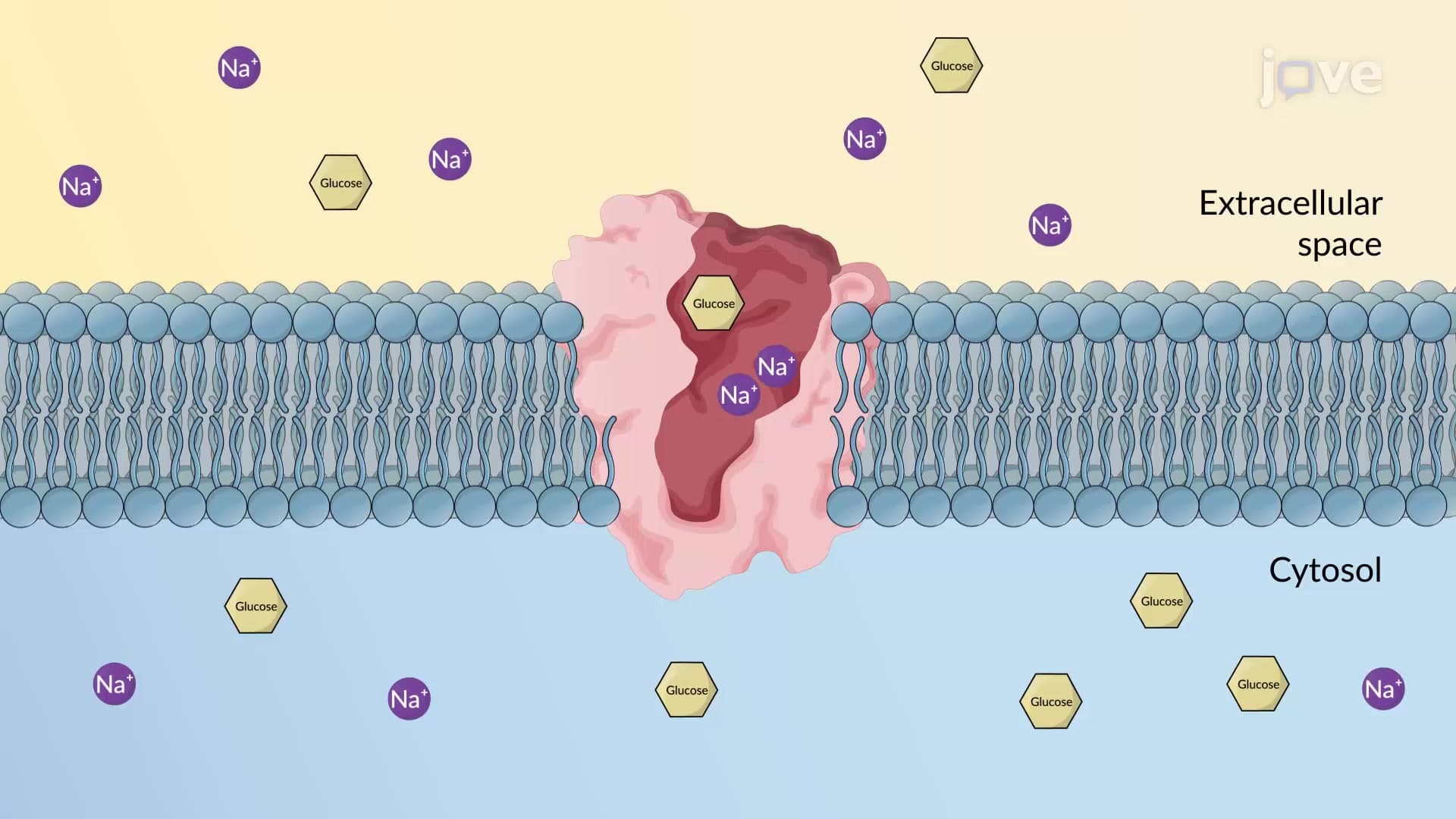
Secondary active transport operates through two main mechanisms: symport (cotransport) and antiport (countertransport). In symport systems like the sodium glucose cotransporter, both substances move in the same direction across the membrane. The sodium-glucose transporter in your intestinal cells exemplifies this perfectly-sodium ions flow down their concentration gradient from the intestinal lumen into the cell, while glucose gets pulled along against its gradient.
Antiport systems work oppositely, with coupled substances moving in opposite directions. The sodium-calcium exchanger in cardiac muscle cells demonstrates this mechanism, expelling calcium ions from the cell while importing sodium. This process is crucial for heart muscle relaxation between contractions, making it a favorite topic for MCAT physiology questions.
The electrochemical gradient secondary transport mechanism depends on both concentration differences and electrical potential across membranes. In the United States healthcare system, understanding this concept proves essential for medical professionals. For instance, kidney diseases often disrupt sodium gradients, affecting glucose reabsorption and leading to glucose appearing in urine-a key diagnostic sign diabetes educators teach patients to recognize.
The coupled transport mechanism involves precise protein conformational changes. When sodium binds to SGLT1, it increases the transporter's affinity for glucose by roughly 50-fold. This binding cooperativity ensures efficient glucose uptake even when extracellular glucose concentrations drop to extremely low levels, as occurs between meals.
Secondary active transport mechanisms are therapeutic targets for numerous medications. SGLT2 inhibitors, prescribed for type 2 diabetes management in the US, block similar transporters in kidney nephrons, causing glucose excretion in urine. This demonstrates how understanding basic transport mechanisms translates directly to medical practice.
College physiology courses emphasize how transport defects cause diseases. Hartnup disease, though rare, results from defective amino acid cotransporters and illustrates the clinical importance of these mechanisms. Students preparing for health science programs should recognize that virtually every organ system relies on secondary active transport for proper function.
Related Micro-courses