Loading subject page…


210,830 views

Video Summary: Fats as Energy Storage Molecules Explained
Did you know that a single pound of body fat contains enough stored energy to power a marathon runner for over 35 miles? Fats energy storage molecules are nature's most efficient fuel tanks, packing twice the energy punch of carbohydrates like glycogen. From the oil-rich sunflower seeds that feed America's bird populations to the adipose tissue that helps Olympic swimmers maintain buoyancy and warmth, fats as energy storage molecules explained reveals how triglycerides function as biological batteries in both plants and animals. Watch the full video on JoVE Coach to master this concept with expert-led visuals and step-by-step explanations.
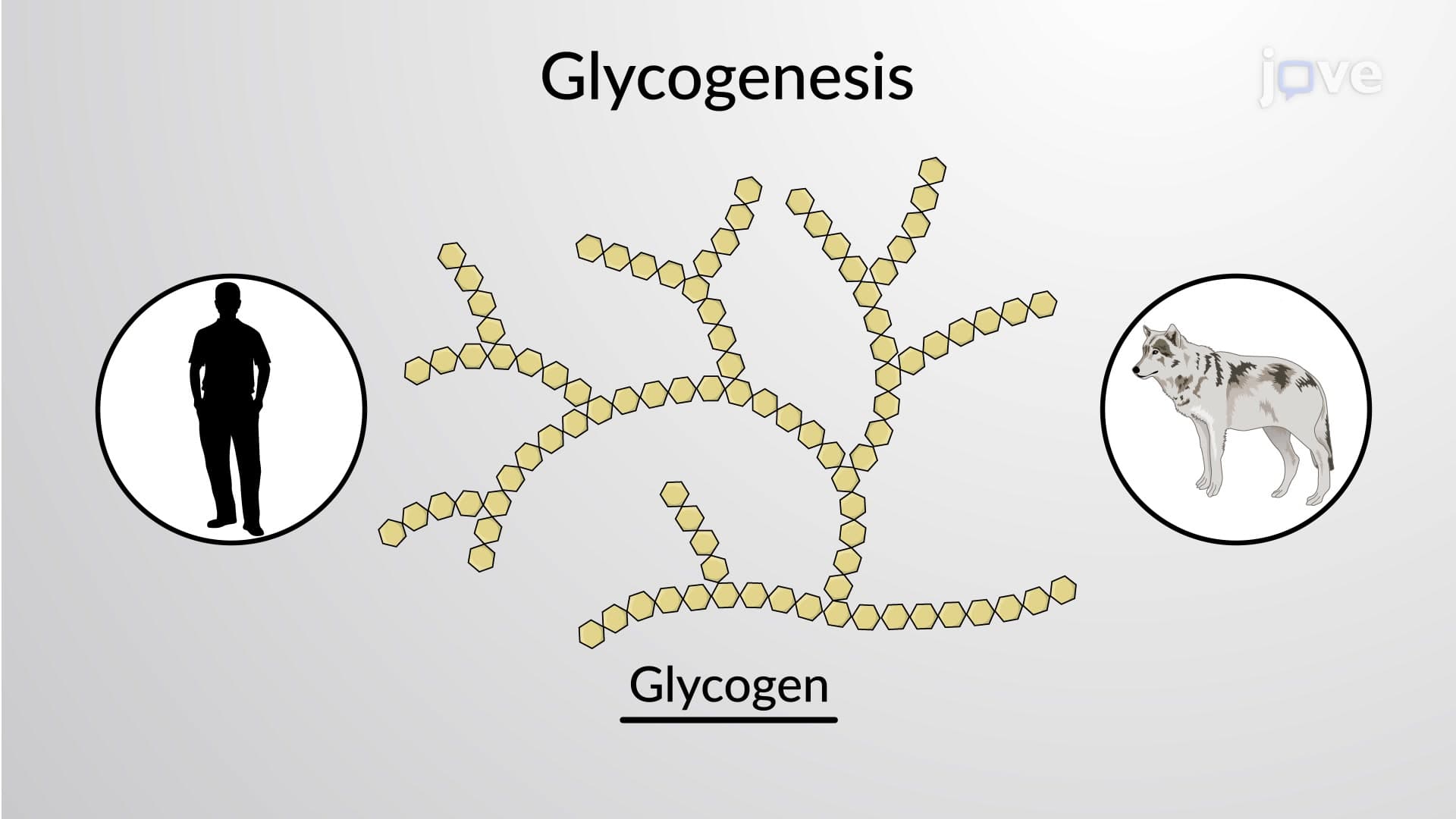
Fats energy storage molecules represent evolution's solution to efficient energy banking. While your body can only store about 1,600 calories worth of carbohydrates as glycogen, an average adult carries 100,000+ calories stored as fat tissue. This massive storage capacity explains why ultra-endurance athletes like those competing in the Ironman World Championship in Hawaii can sustain activity for 8+ hours.
The secret behind fat caloric storage lies in triglyceride molecular structure. Each triglyceride molecule consists of three fatty acid chains attached to a glycerol backbone. This hydrophobic structure allows tight packing without water molecules, unlike glycogen which binds 3-4 grams of water per gram of carbohydrate. When oxidized, fatty acid energy molecules yield approximately 9 calories per gram versus 4 calories per gram from carbohydrates-making fats the body's preferred long-term energy currency.
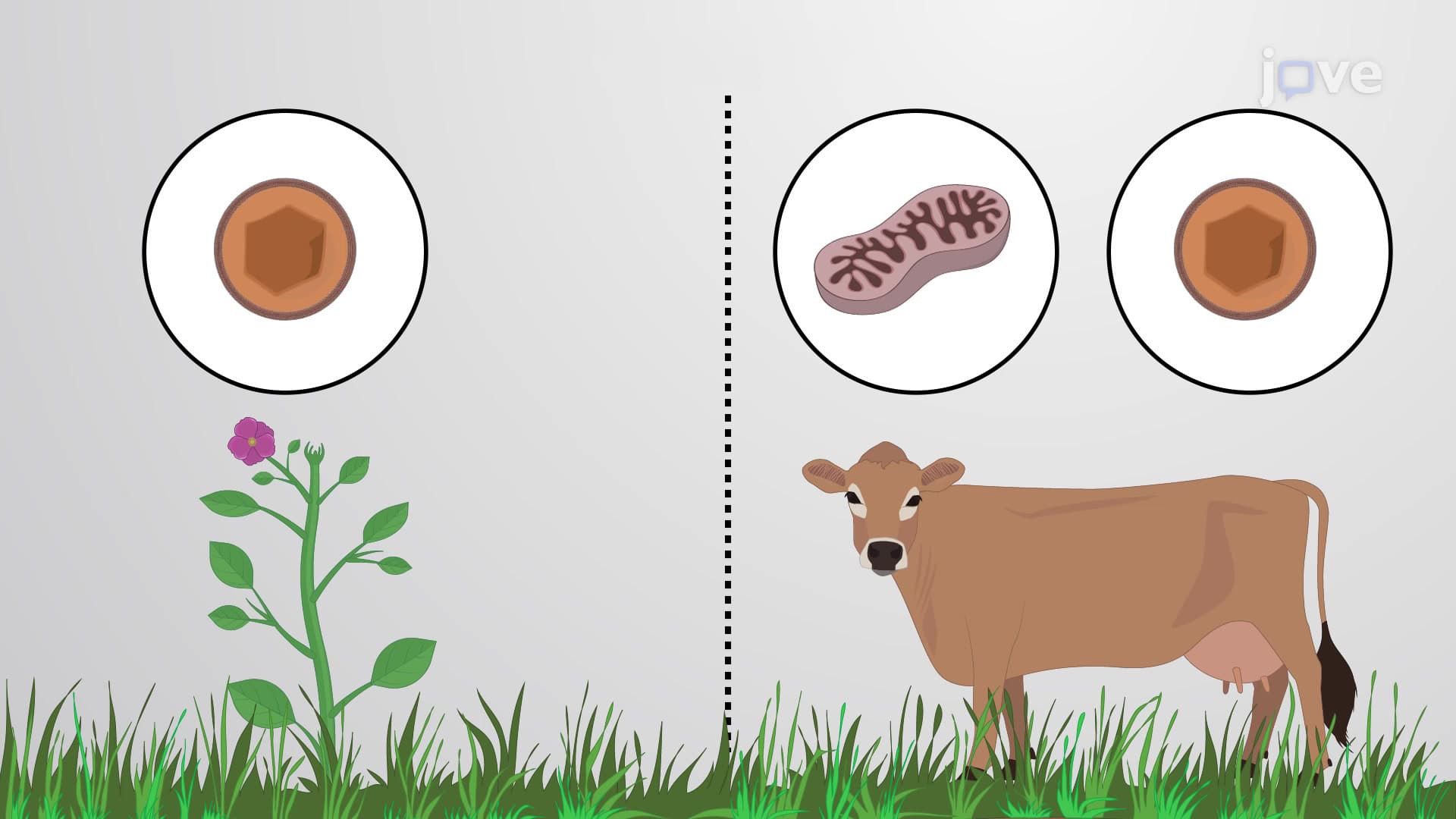
Plants store triglyceride energy storage primarily in seeds, like the oil-rich content found in California almonds or Kansas sunflower crops. These triglycerides concentrate within chloroplasts, providing concentrated nutrition for germinating embryos. In contrast, animals utilize specialized adipose tissue energy cells called adipocytes, which can expand dramatically-some adipocytes in obese patients can grow 50 times larger than normal, as documented in clinical studies at major US medical centers.
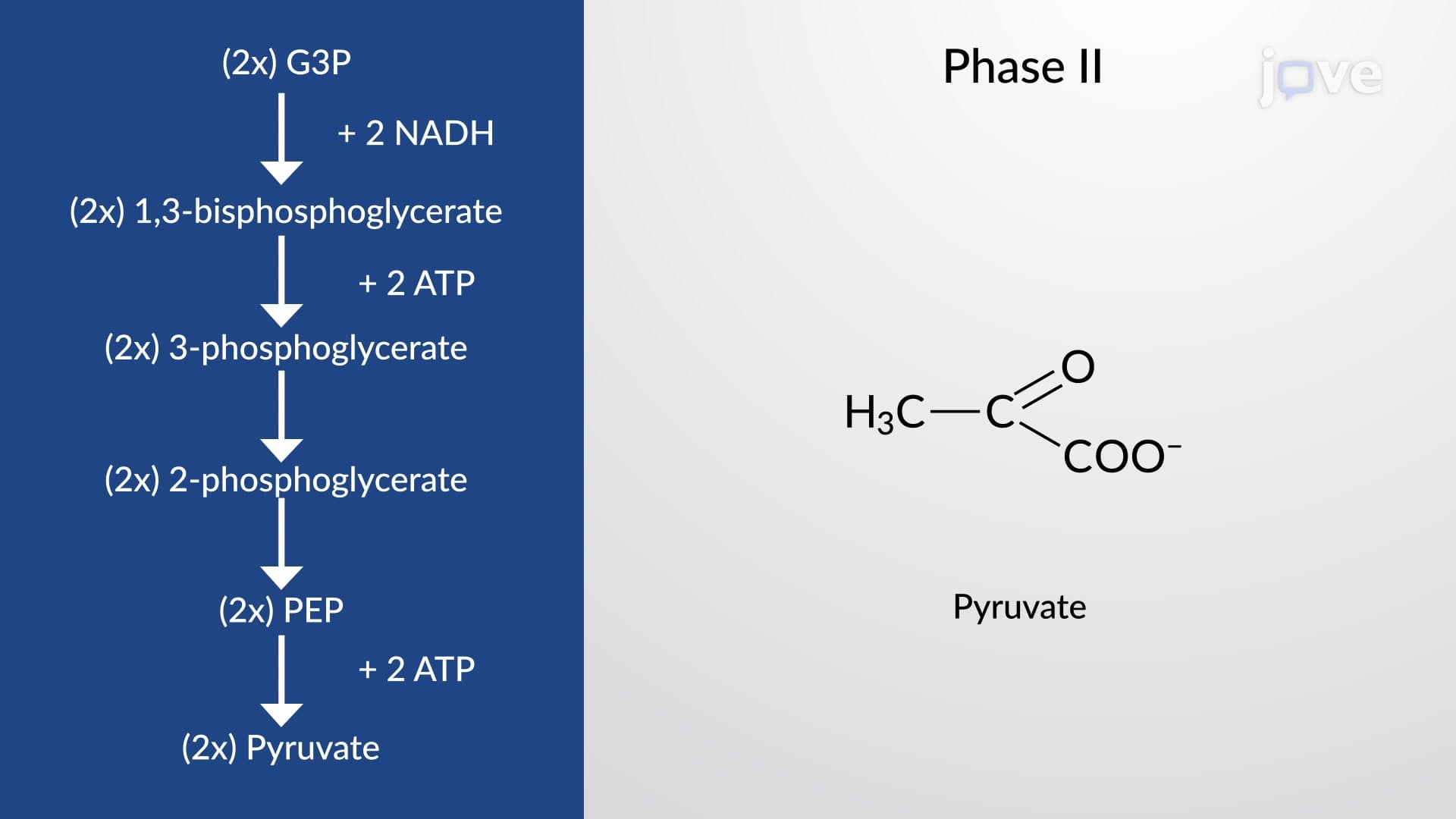
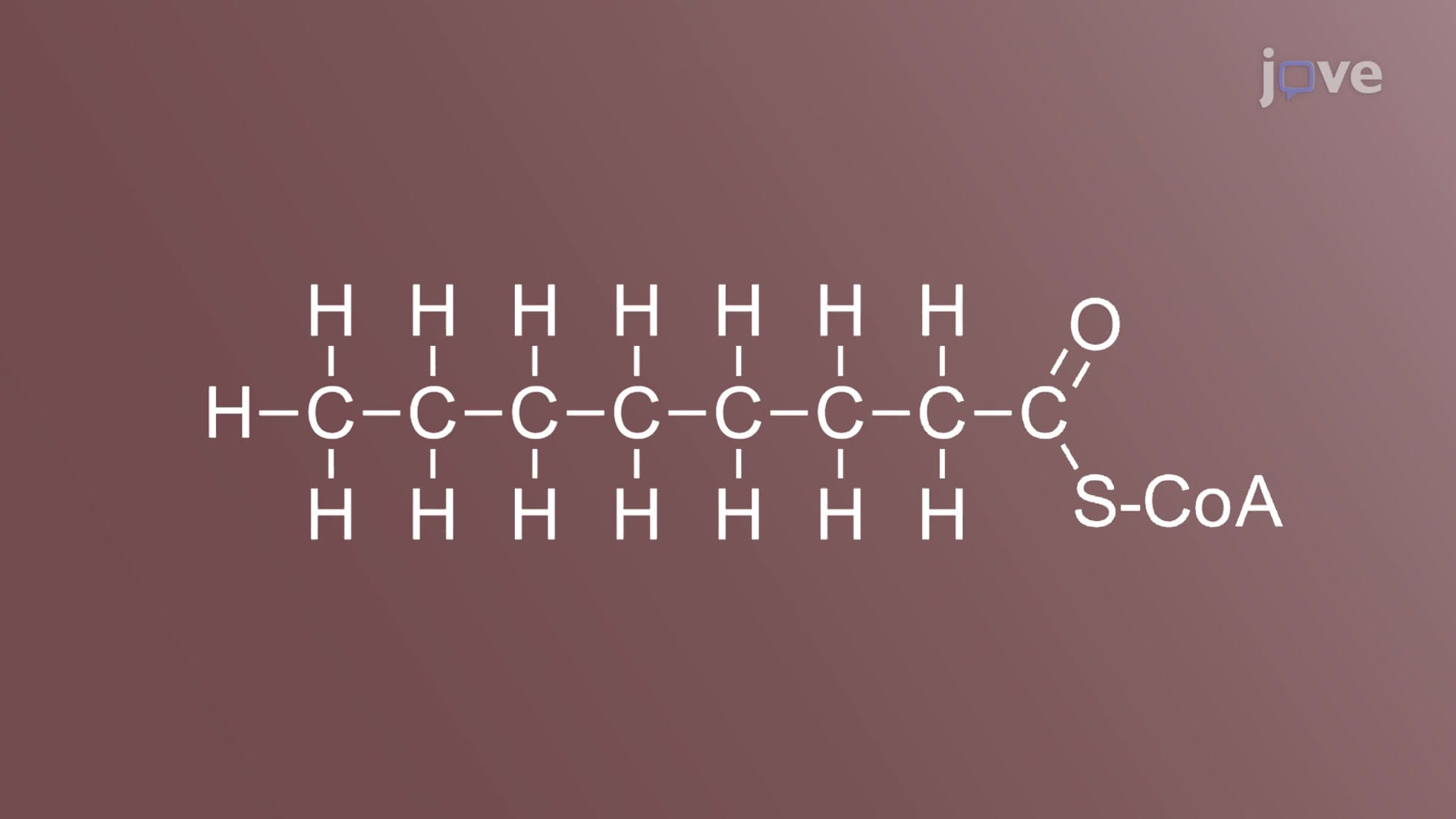
During energy demands-whether you're cramming for AP Biology exams all night or running the Boston Marathon-fat oxidation energy processes activate. Lipolysis breaks triglycerides into glycerol and fatty acids, which then undergo beta-oxidation. This process generates acetyl-CoA molecules that enter the citric acid cycle, ultimately producing ATP. Understanding this pathway proves crucial for MCAT biochemistry sections and college-level metabolism courses, where students must trace energy flow from storage molecules to cellular fuel.
Related Micro-courses