Loading video…


 12 Concepts
 210.8K views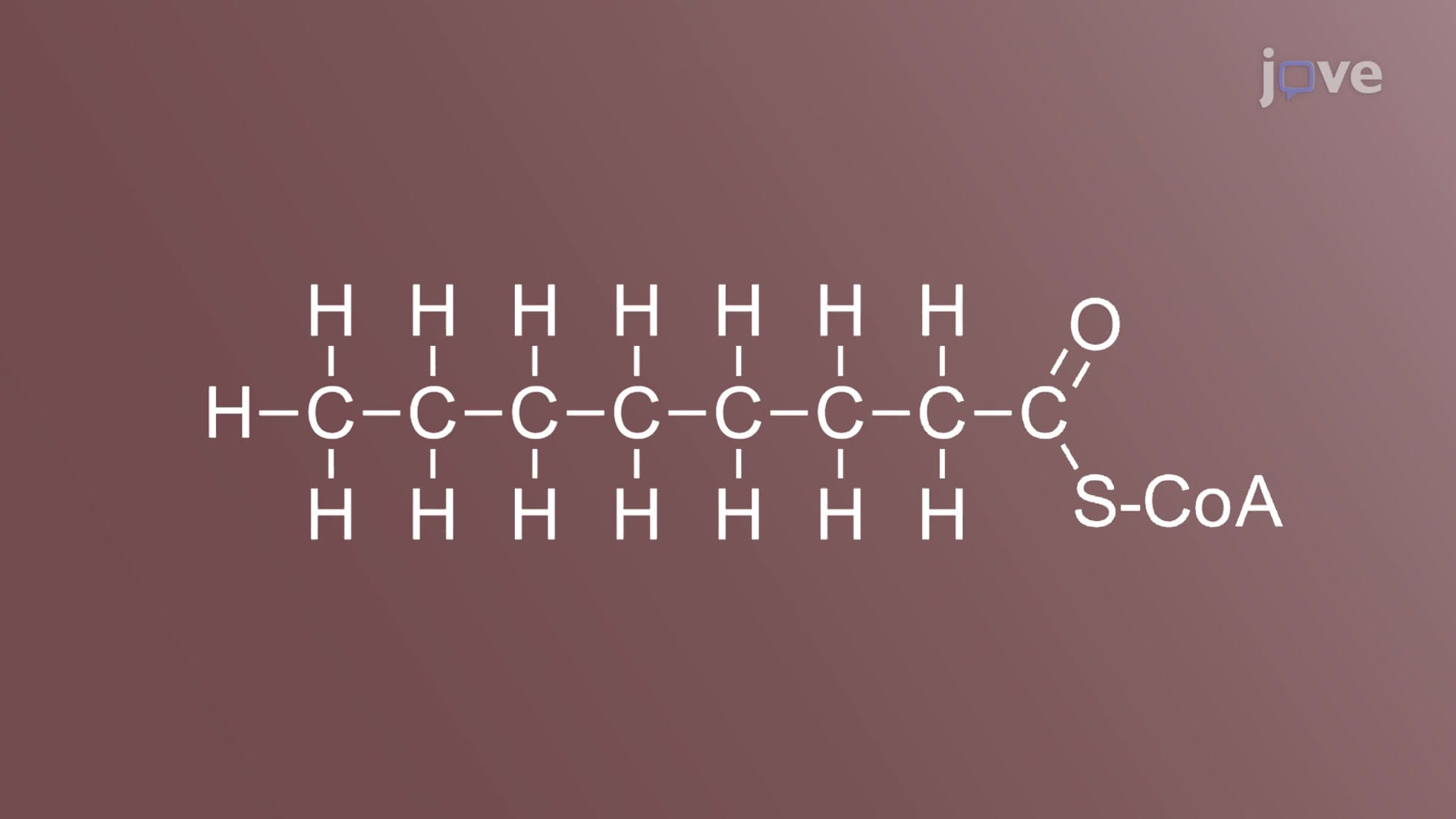

Video Summary: Overview of Fatty Acid Metabolism Explained
Did you know that your body can produce energy from fat stores even when you're sleeping? The overview of fatty acid metabolism reveals how cells break down dietary fats from foods like avocados and olive oil while simultaneously building new fatty acids when needed. During intense exercise, American athletes rely on this metabolic pathway to fuel performance when glucose stores run low. Understanding the Overview of Fatty Acid Metabolism Explained helps students grasp how the body maintains energy balance through coordinated synthesis and breakdown processes. Watch the full video on JoVE Coach to master this concept with expert-led visuals and step-by-step explanations.
Fatty acid metabolism represents one of biochemistry's most elegant examples of metabolic coordination. This complex system allows cells to both harvest energy from stored fats and synthesize new fatty acids when building cellular membranes or storing excess energy. For students preparing for the MCAT or AP Biology exams, mastering these pathways proves essential for understanding cellular energetics.
The breakdown process begins when fatty acids enter cells and undergo activation in the cytoplasm. Consider palmitic acid, a 16-carbon fatty acid common in American diets through sources like meat and dairy products. The fatty acid first combines with coenzyme A to form fatty acyl-CoA, requiring ATP investment-much like paying an entrance fee to access a more valuable service.
Transportation into mitochondria requires the carnitine shuttle system, a critical step often tested on biochemistry exams. Once inside, beta-oxidation systematically removes two-carbon units as acetyl-CoA. Each cycle produces one FADH2, one NADH, and one acetyl-CoA molecule. For palmitic acid, this process yields eight acetyl-CoA molecules, seven NADH molecules, and seven FADH2 molecules before completion.
Synthesis occurs in the cytoplasm using a fundamentally different strategy. The key player, acetyl-CoA carboxylase, converts acetyl-CoA to malonyl-CoA using biotin as a cofactor. This rate-limiting enzyme serves as the primary control point for fatty acid synthesis-when insulin levels rise after meals, this enzyme activates to promote fat storage.
Fatty acid synthase then uses malonyl-CoA as building blocks, adding two carbons at a time through a complex series of reactions. The process requires NADPH as a reducing agent, highlighting the connection between fatty acid synthesis and the pentose phosphate pathway that generates this crucial coenzyme.
The body tightly regulates these opposing pathways through hormonal and allosteric controls. During fasting, glucagon and epinephrine promote fatty acid oxidation while inhibiting synthesis. Conversely, insulin after meals shifts metabolism toward fatty acid synthesis and storage. Understanding this regulation helps explain conditions like diabetes, where dysregulated fatty acid metabolism contributes to metabolic complications commonly seen in American healthcare settings.
Students studying for the USMLE or nursing exams should recognize that fatty acid metabolism disorders, such as medium-chain acyl-CoA dehydrogenase deficiency, can cause serious clinical problems including hypoglycemia and sudden infant death syndrome.
Related Micro-courses