Loading subject page…

- Cell Biology
- Introduction to Metabolism
- Positive and Negative Feedback Loops
Micro-course: Introduction to Metabolism
210,830 views
Learn key concepts and earn your certificate.


Positive and Negative Feedback Loops

00:00
01:18
Video Summary: Positive and Negative Feedback Loops Explained
Did you know that your body uses the same clotting mechanism that saved someone's life in a car accident to heal a simple paper cut? Positive and negative feedback loops control everything from blood clotting at Massachusetts General Hospital emergency rooms to insulin regulation in diabetic patients across America. These biological control systems either amplify responses (positive feedback) or maintain stability (negative feedback), making Positive And Negative Feedback Loops Explained essential for understanding how life functions. Watch the full video on JoVE Coach to master this concept with expert-led visuals and step-by-step explanations.
- Understand the fundamental principles behind Positive And Negative Feedback Loops Explained and distinguish between amplifying and stabilizing biological responses
- Identify real-world examples of positive feedback loops, including blood clotting cascades and oxytocin release during childbirth in US medical settings
- Analyze negative feedback mechanisms such as blood glucose regulation through insulin and glucagon pathways studied in AP Biology
- Compare the contrasting roles of positive feedback (amplification) versus negative feedback (homeostasis) in maintaining physiological balance
- Evaluate how feedback loop disruptions contribute to diseases like diabetes mellitus and bleeding disorders commonly seen in American healthcare
- Apply feedback loop concepts to predict outcomes in metabolic pathways and hormonal regulation systems
- Recognize feedback loops in non-biological systems, from economic markets to climate change patterns affecting US environmental policy
- Explore the molecular mechanisms underlying feedback control in cell signaling pathways and gene expression regulation
Understanding Positive And Negative Feedback Loops Explained
Biological systems rely on sophisticated control mechanisms to maintain proper function and respond to changing conditions. Positive and negative feedback loops serve as the fundamental regulatory circuits that either amplify biological responses or maintain stable internal conditions. These mechanisms operate at every level of biological organization, from molecular pathways within individual cells to complex physiological processes governing entire organ systems.
Positive Feedback Loops: Amplification and Acceleration
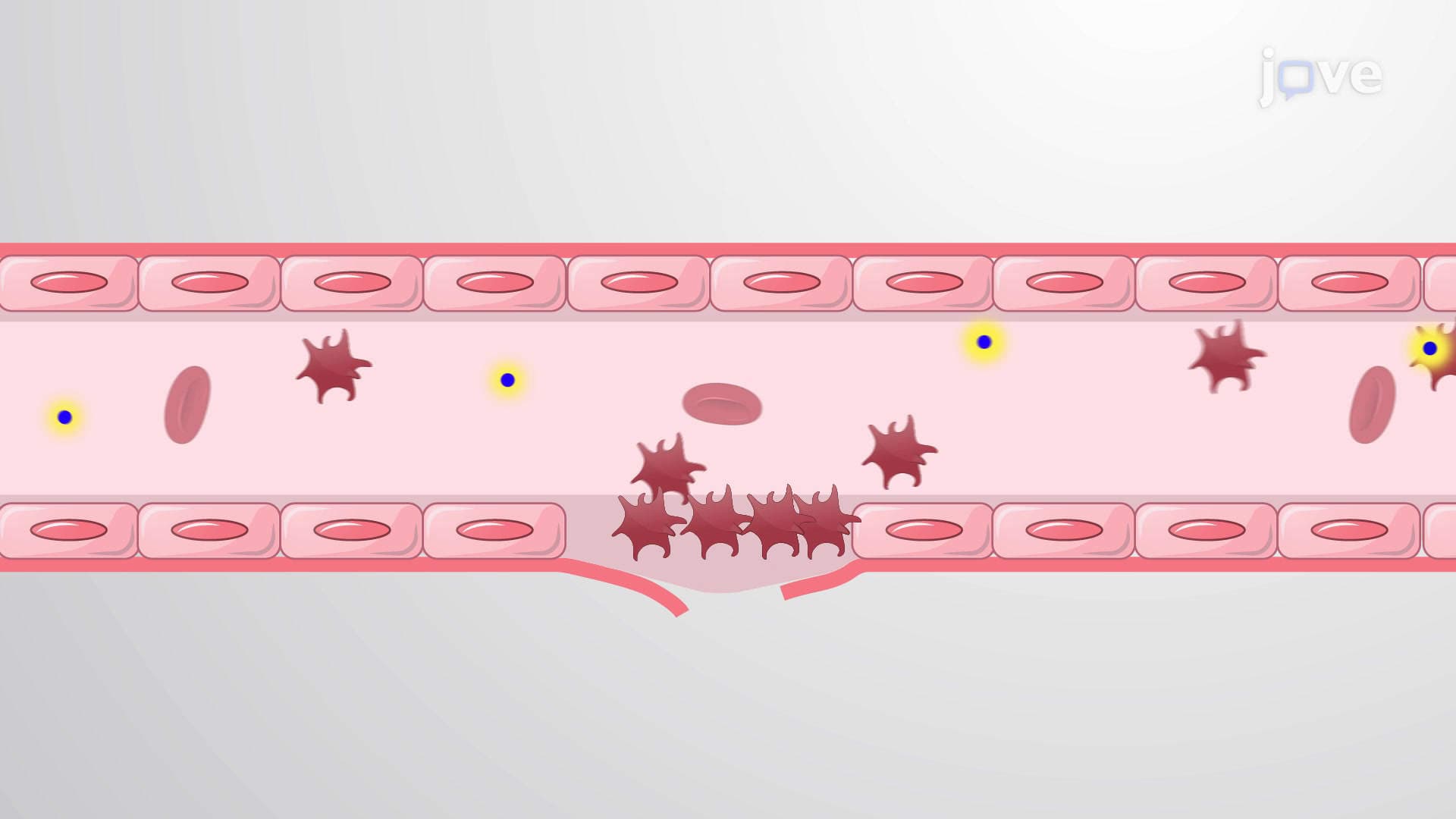
Positive feedback loops create a self-reinforcing cycle where the output of a process enhances the original stimulus, leading to exponential amplification. In the classic example of blood clotting, a vascular injury triggers platelet aggregation at the wound site. These initial platelets release chemical signals that attract additional platelets, which in turn release more signals, creating a cascading effect that rapidly forms a stable clot. This mechanism proves crucial in American trauma centers, where rapid clot formation can mean the difference between life and death for accident victims.
Another vital positive feedback example occurs during childbirth through oxytocin release. As labor contractions begin, the hormone oxytocin stimulates stronger contractions, which trigger even more oxytocin release. This amplification continues until delivery is complete. Students studying for the MCAT or AP Biology exam should recognize that positive feedback loops typically have built-in termination mechanisms to prevent dangerous overactivation.
Negative Feedback Loops: Homeostasis and Stability
Negative feedback loops function as biological thermostats, detecting changes from optimal conditions and initiating corrective responses. The regulation of blood glucose provides an excellent illustration studied extensively in American medical schools. When blood glucose rises after a meal, pancreatic beta cells detect this increase and secrete insulin. Insulin facilitates glucose uptake by liver and muscle cells, lowering blood glucose back toward normal levels. As glucose normalizes, insulin secretion decreases, preventing dangerous hypoglycemia.
This same principle governs body temperature regulation through the hypothalamus, thyroid hormone control via the hypothalamic-pituitary-thyroid axis, and blood pressure maintenance through the renin-angiotensin-aldosterone system. College students preparing for the USMLE or nursing exams like NCLEX should understand that most physiological processes rely on negative feedback for stability.
Clinical Applications and Exam Relevance
Understanding feedback loops proves essential for interpreting pathophysiology in American healthcare settings. Diabetes mellitus Type 1 results from impaired negative feedback when insulin-producing cells are destroyed, while Type 2 involves insulin resistance disrupting normal glucose regulation. Similarly, positive feedback dysfunction contributes to bleeding disorders like hemophilia, where clotting cascade amplification fails.
These concepts frequently appear on standardized exams, from AP Biology free-response questions to MCAT biological sciences sections, making mastery crucial for academic success.
Frequently Asked Questions
Positive and negative feedback loops are biological control systems that regulate body functions. Positive feedback amplifies or increases a response (like blood clotting), while negative feedback reduces or opposes changes to maintain stability (like blood sugar control). Think of positive feedback as a snowball effect and negative feedback as a thermostat keeping things balanced.
The AP Biology exam frequently tests feedback loops through multiple-choice questions about homeostasis and free-response questions requiring students to analyze regulatory mechanisms. You'll need to identify feedback types, predict system responses to disruptions, and connect molecular processes to organism-level regulation. Practice with College Board released exams focusing on endocrine and nervous system regulation.
MCAT biological sciences sections emphasize feedback loops in endocrine regulation, cardiovascular physiology, and renal function. Expect passage-based questions analyzing hormone cascades, blood pressure regulation, and metabolic control. Focus on understanding mechanism disruptions and their physiological consequences. Khan Academy MCAT prep materials provide excellent practice problems for these concepts.
In US emergency departments, doctors rely on understanding both feedback types daily. When treating diabetic ketoacidosis at hospitals like Johns Hopkins, physicians must understand how disrupted negative feedback (insulin regulation) leads to dangerous glucose elevation. They also utilize positive feedback when administering oxytocin to enhance labor contractions during deliveries at maternity wards nationwide.
Feedback loops are actually quite intuitive once you connect them to everyday experiences you already understand. Most high school biology students grasp these concepts quickly by relating them to familiar systems like home heating (negative feedback) or viral social media posts (positive feedback). The key is practicing with concrete biological examples rather than memorizing abstract definitions.
Create concept maps connecting specific examples to feedback types, then practice identifying feedback mechanisms in new scenarios. Use active recall by covering answers and explaining each example aloud. Focus on understanding the "why" behind each mechanism rather than memorizing lists. Form study groups to discuss clinical applications and quiz each other on regulation disruptions.
Build on feedback loop knowledge by exploring enzyme regulation and allosteric control mechanisms, which use similar principles. Study hormonal cascade systems like the hypothalamic-pituitary axes, and investigate how feedback loops integrate with nervous system regulation. These concepts connect directly to advanced topics in cell biology, physiology, and biochemistry courses.
Related Micro-courses