Loading video…


 12 Concepts
 210.8K views

Video Summary: Role of Reduced Coenzymes Nadh Fadh Explained
Ever wonder how your morning coffee transforms into cellular energy? The role of reduced coenzymes NADH and FADH₂ is like having specialized delivery trucks that transport energy-rich electrons throughout your cells. Just as Amazon drivers collect packages from warehouses and deliver them to your door, these coenzymes pick up electrons during glucose breakdown and shuttle them to cellular "power plants" where ATP is manufactured. Watch the full video on JoVE Coach to master this concept with expert-led visuals and step-by-step explanations.
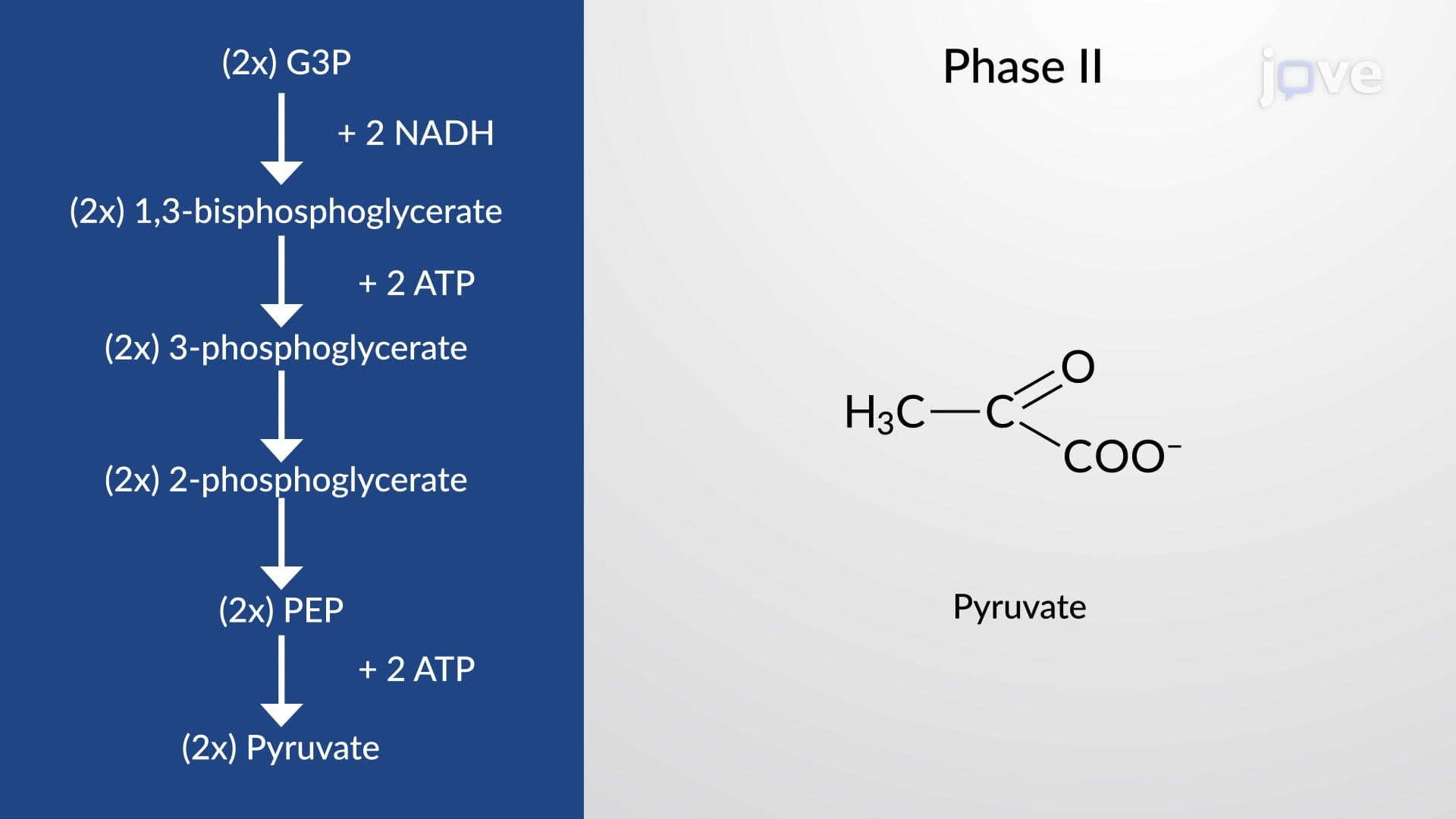
Reduced coenzymes function as the cellular economy's currency exchange system, converting chemical energy from food into a form cells can actually use. Think of NAD⁺ and FAD as rechargeable batteries-when they accept electrons during oxidation reactions, they become "charged" as NADH and FADH₂, storing energy for later use.
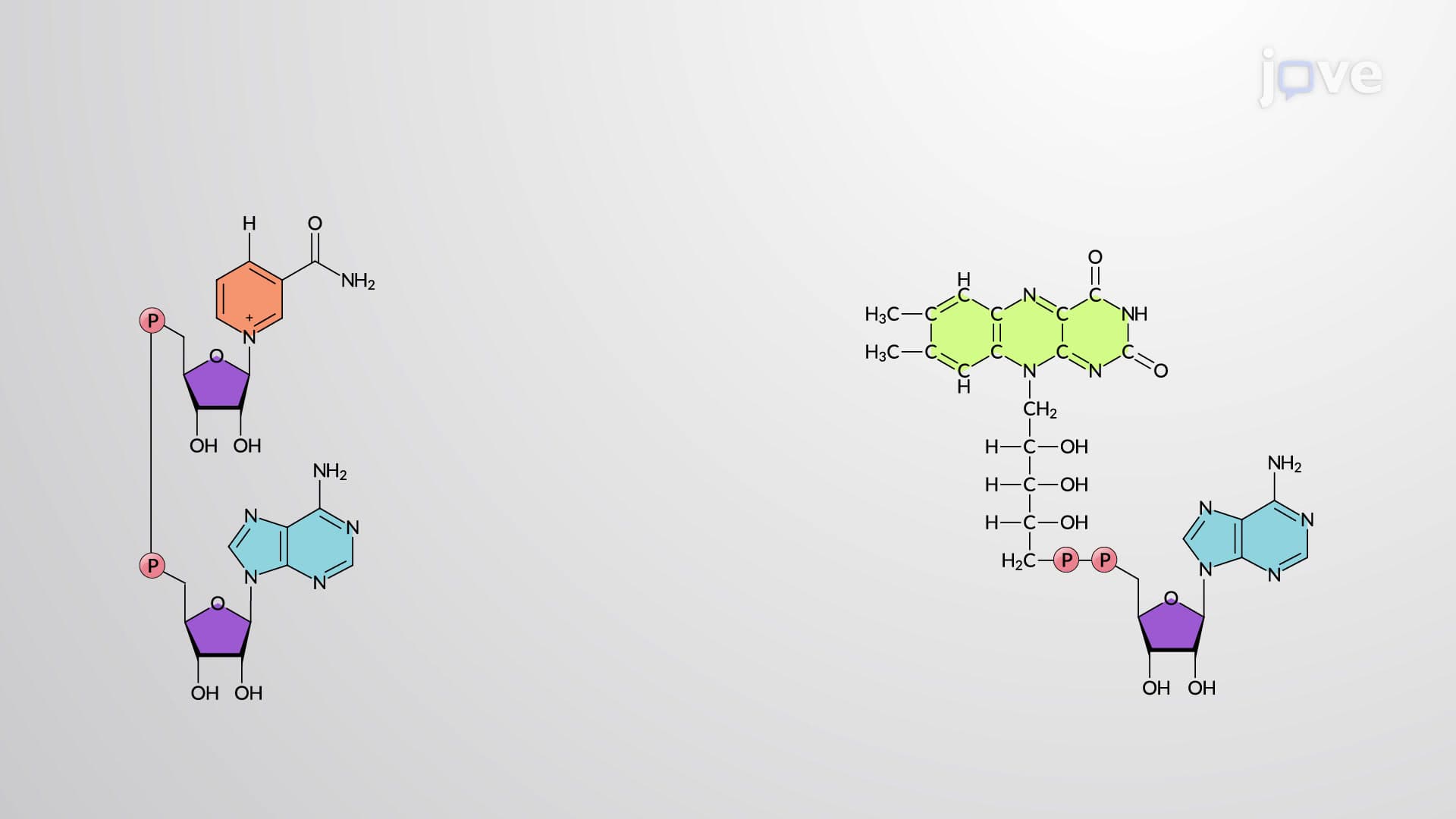
NAD⁺ (nicotinamide adenine dinucleotide) contains a nicotinamide ring that can accept two electrons and one proton to form NADH. This reduction increases the molecule's energy content significantly. FAD (flavin adenine dinucleotide) features a flavin ring system that accommodates two electrons and two protons, creating FADH₂. These structural differences explain why NADH typically yields about 2.5 ATP molecules while FADH₂ produces approximately 1.5 ATP molecules when processed through the electron transport chain.
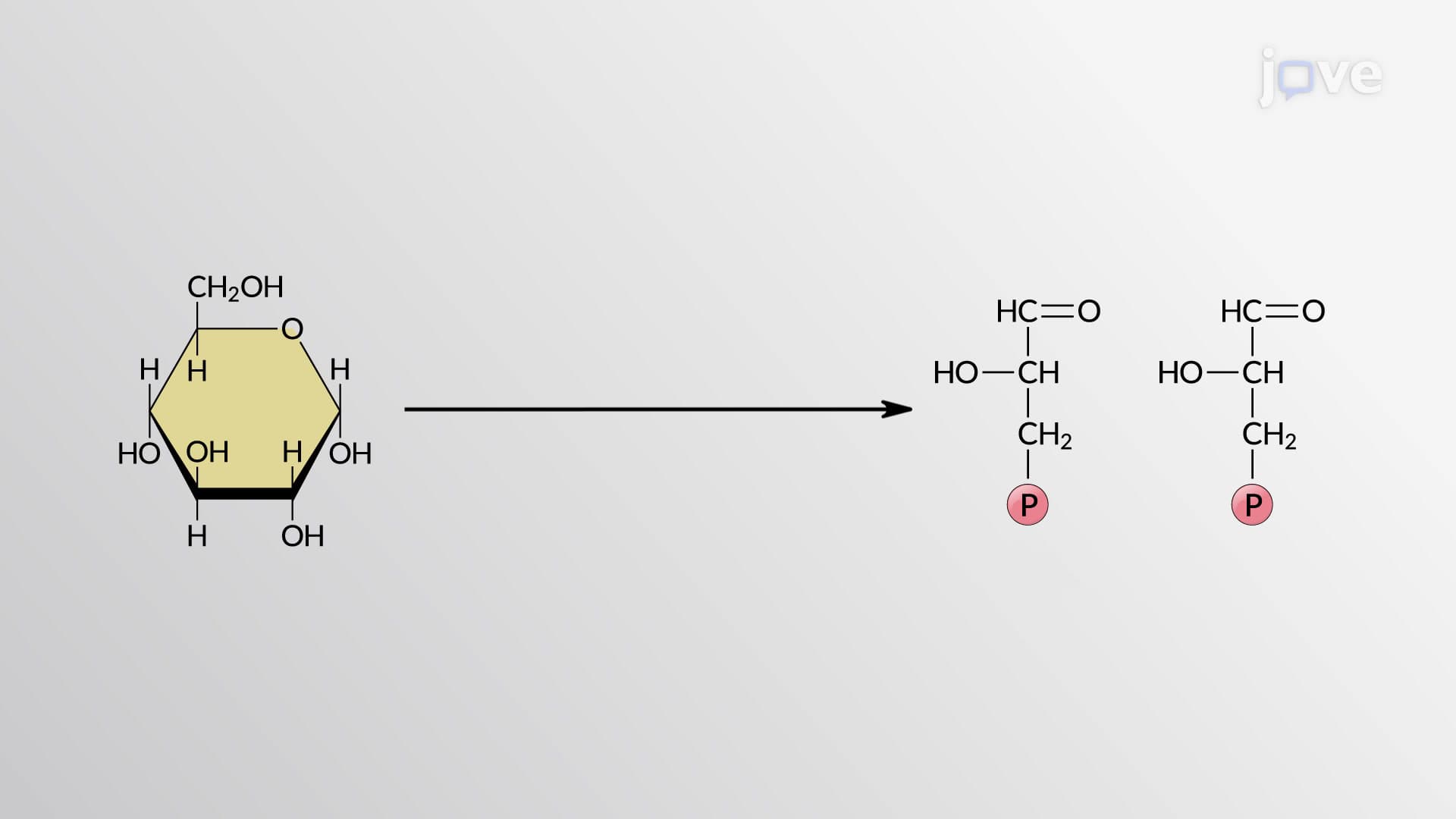
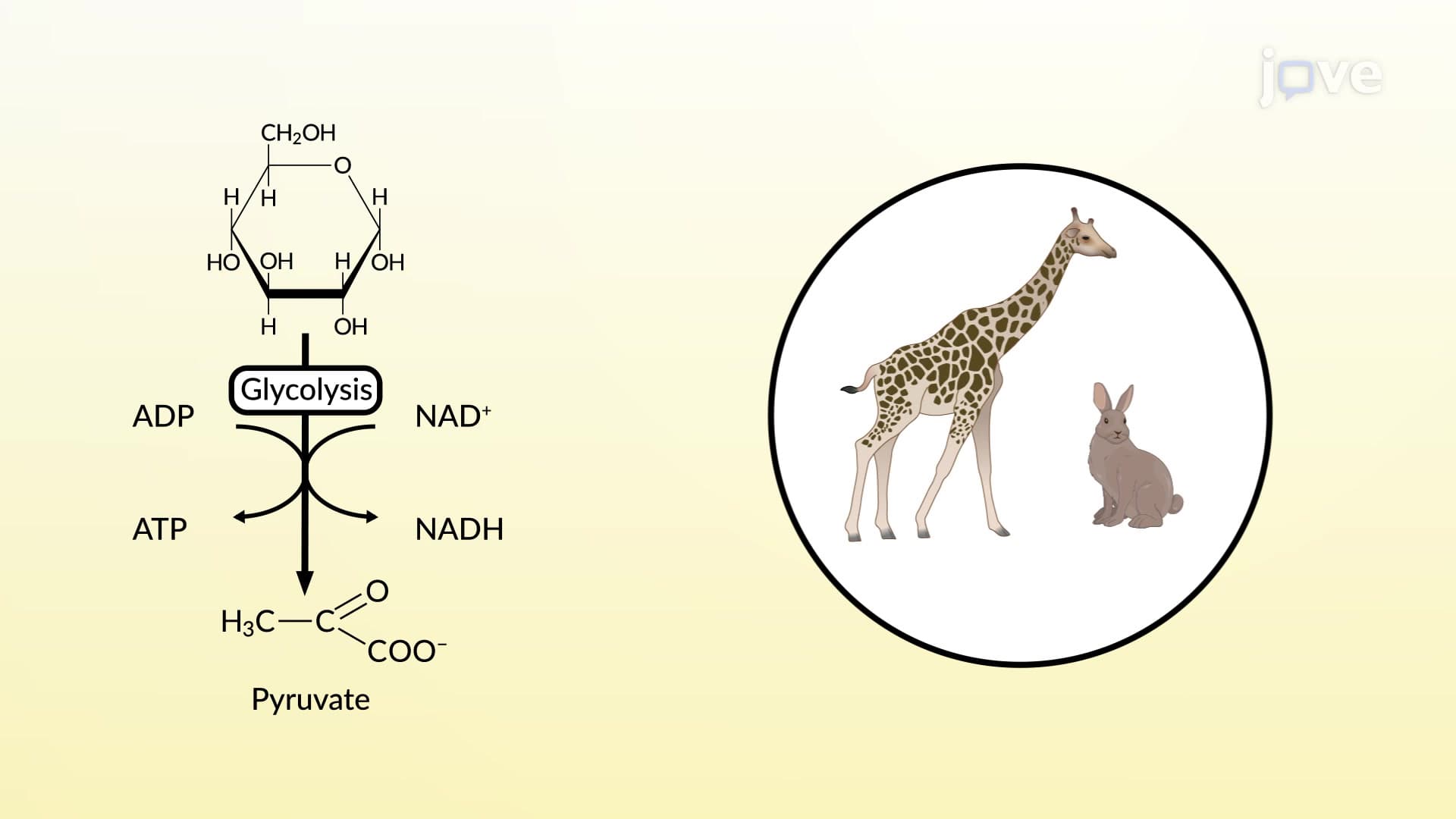
During glycolysis in muscle cells, glucose oxidation generates NADH in the cytoplasm, but mitochondrial membranes block direct NADH entry. This creates a logistical problem similar to having valuable cargo trapped outside a secure facility. The malate-aspartate shuttle (predominant in heart and liver) and glycerol phosphate shuttle (active in skeletal muscle and brain) solve this by transferring electrons across membranes, though with different efficiency rates that affect overall ATP yield.
Understanding coenzyme function proves essential for MCAT biochemistry sections and AP Biology cellular respiration units. Medical students studying diabetes learn how insulin resistance disrupts normal coenzyme cycling, while nutrition students examine how B-vitamin deficiencies (niacin for NAD⁺, riboflavin for FAD) impair cellular energy production. These concepts frequently appear in college biochemistry exams as calculation problems involving ATP yield from different substrates.
Related Micro-courses