Loading subject page…


210,830 views

Video Summary: Sugars as Energy Storage Molecules Explained
Ever wonder why marathon runners "carb-load" before a big race? Sugars energy storage molecules like glycogen in your muscles provide the sustained energy needed for endurance activities. When you eat a bowl of pasta, your body converts those simple sugars into complex storage forms that can be rapidly accessed when needed. Understanding sugars as energy storage molecules explained reveals how organisms efficiently manage energy resources through sophisticated biochemical processes. Watch the full video on JoVE Coach to master this concept with expert-led visuals and step-by-step explanations.
The conversion of simple sugars into complex storage molecules represents one of biology's most elegant solutions to energy management. While glucose serves as the universal cellular fuel, storing large quantities of free glucose would create osmotic problems and cellular damage. Instead, organisms have evolved sophisticated systems to polymerize glucose into storage forms that remain osmotically neutral while providing rapid access to energy when needed.
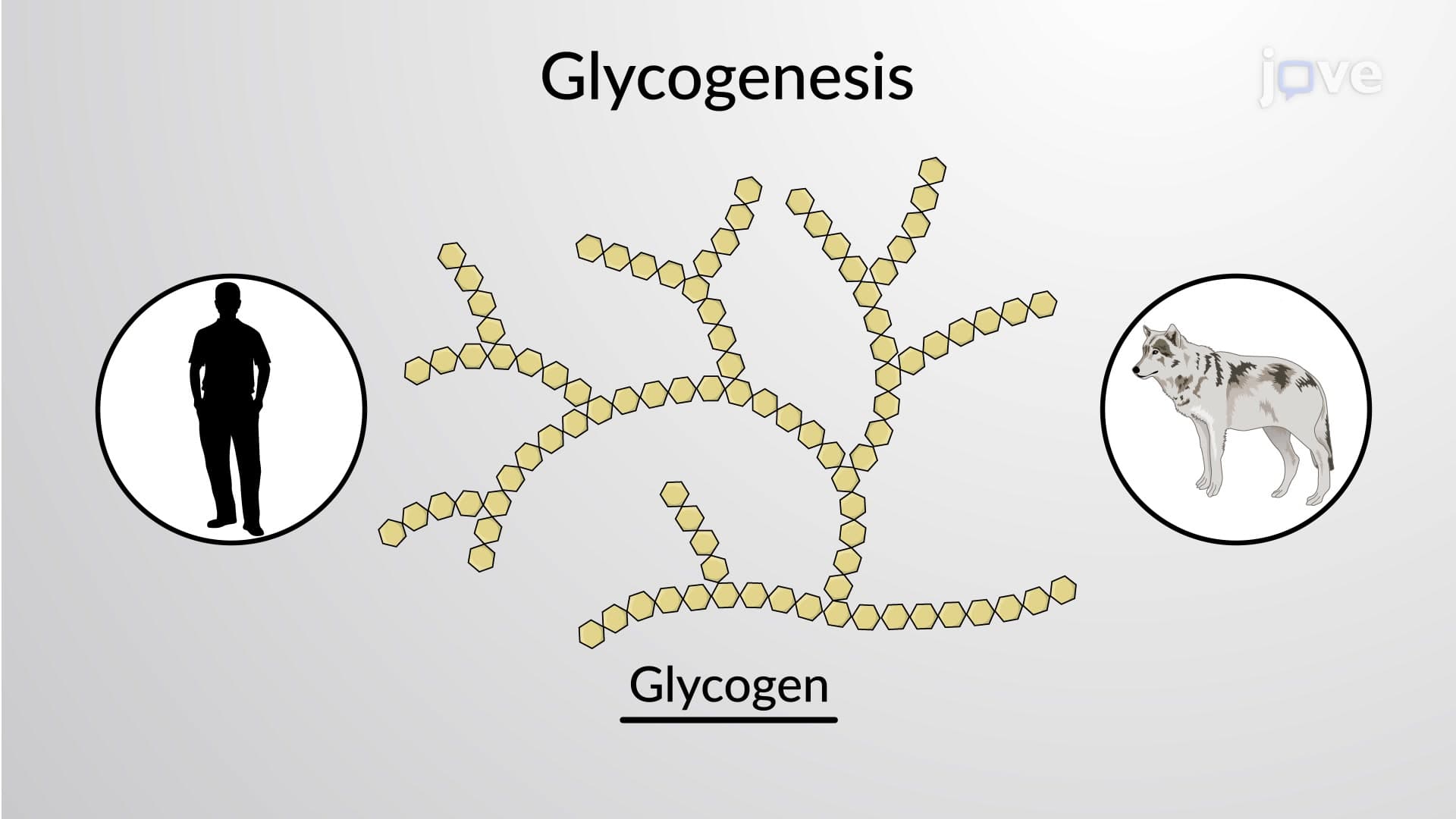
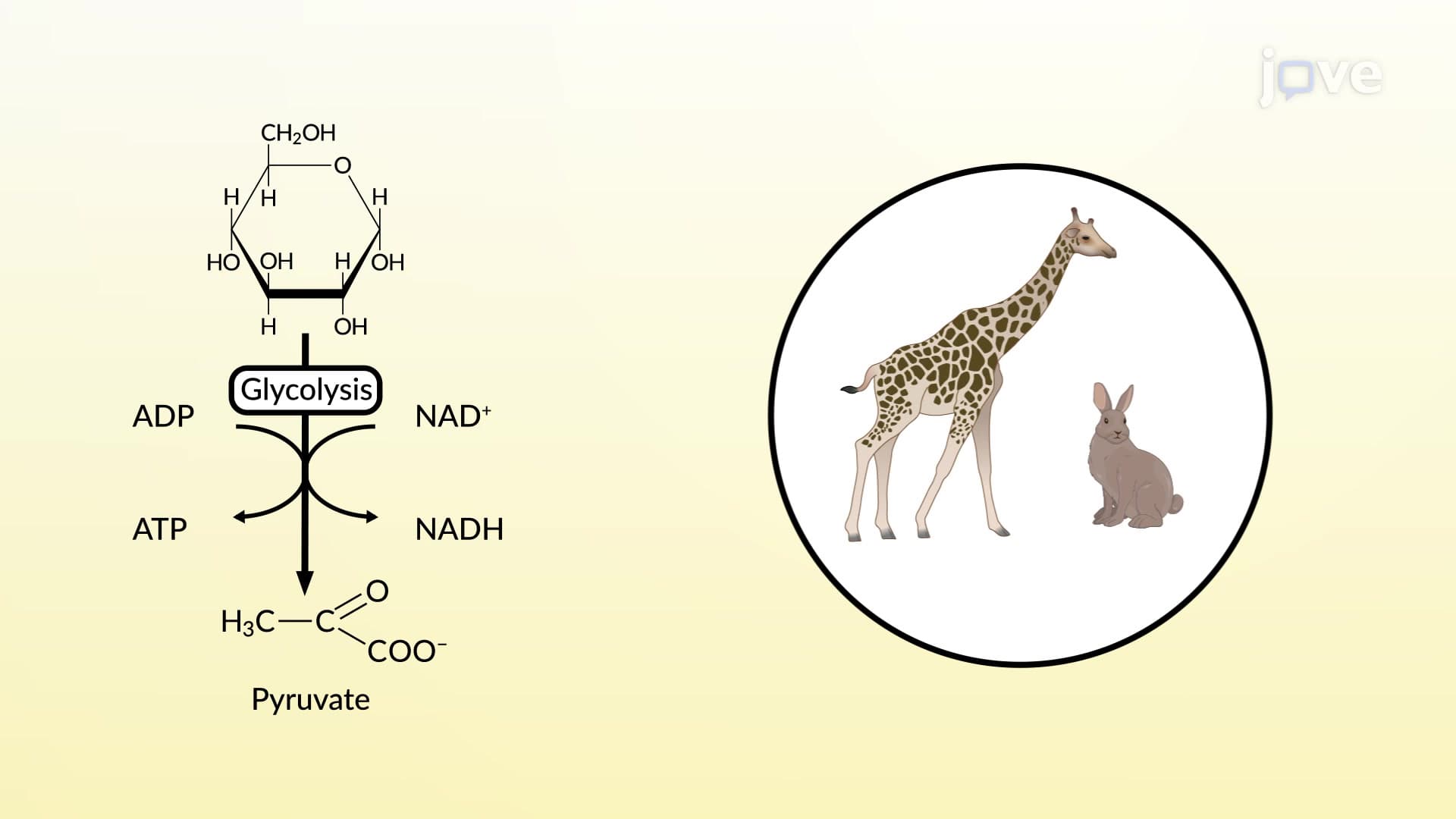
Glucose functions as the primary building block for all major energy storage molecules. This six-carbon sugar provides approximately 4 calories per gram and serves as the preferred fuel source for brain tissue, which consumes about 20% of the body's total energy. During the fed state, excess glucose undergoes enzymatic conversion through glycogenesis, where glucose-1-phosphate units link together via α-1,4-glycosidic bonds to form the branched glycogen polymer.
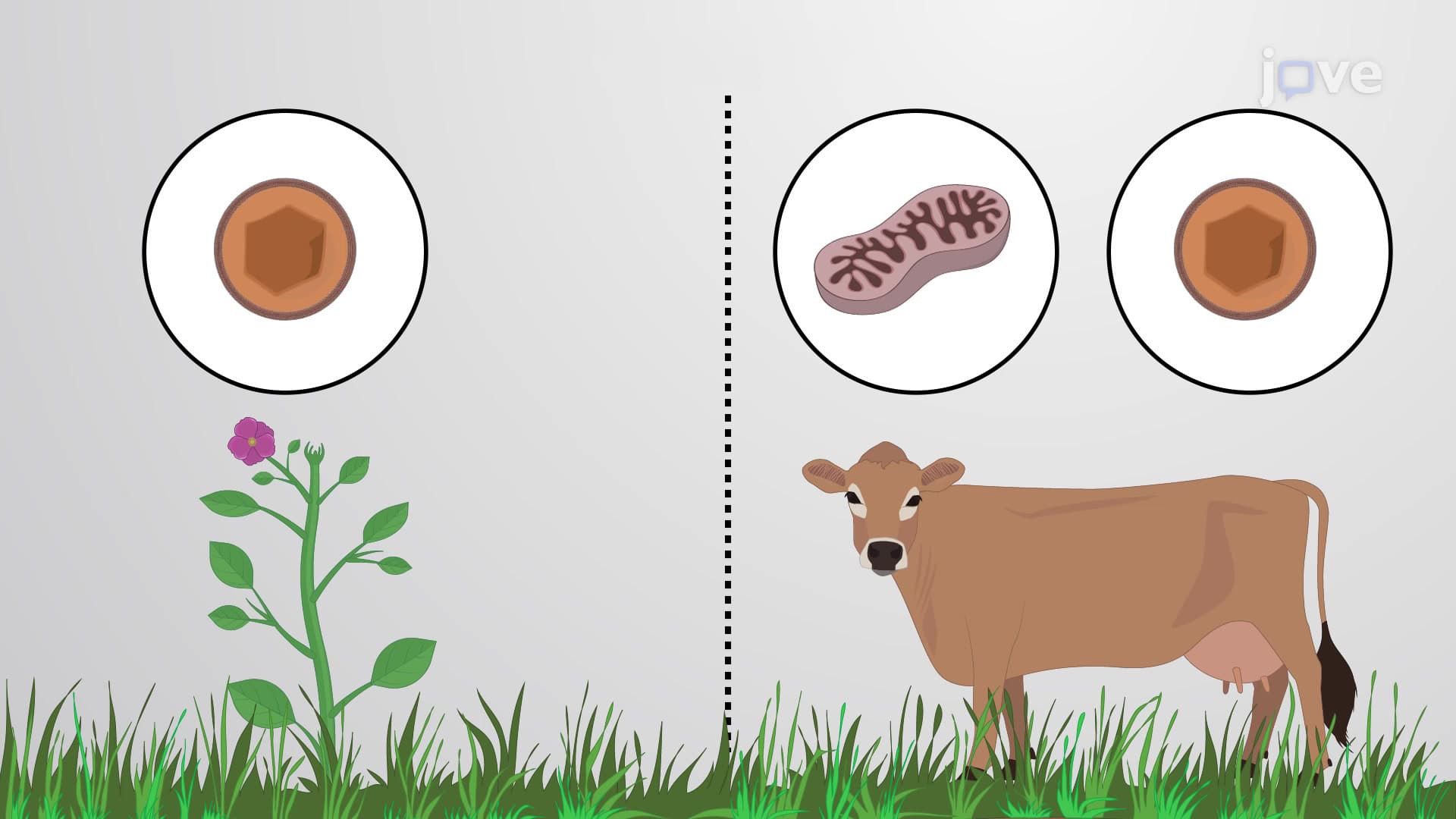
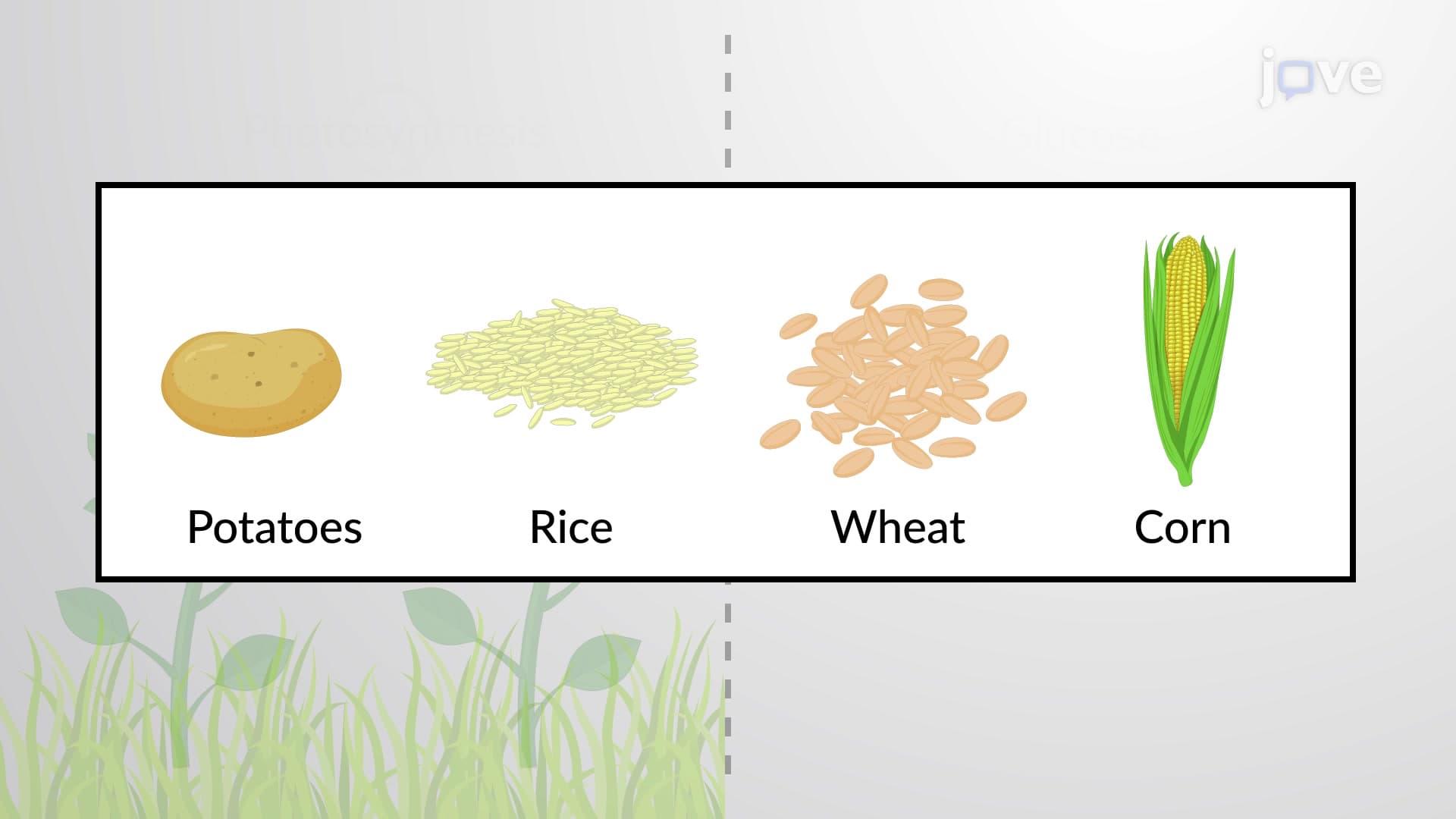
Plants utilize starch as their primary energy reserve, storing it in specialized organelles called amyloplasts. Starch consists of two components: amylose (linear chains) and amylopectin (branched chains). Major US agricultural crops demonstrate this principle effectively-a single corn kernel contains approximately 70% starch by weight, while a medium baked potato provides about 37 grams of stored starch energy. This storage strategy allows plants to survive periods of reduced photosynthesis, such as during winter dormancy or extended cloudy periods.
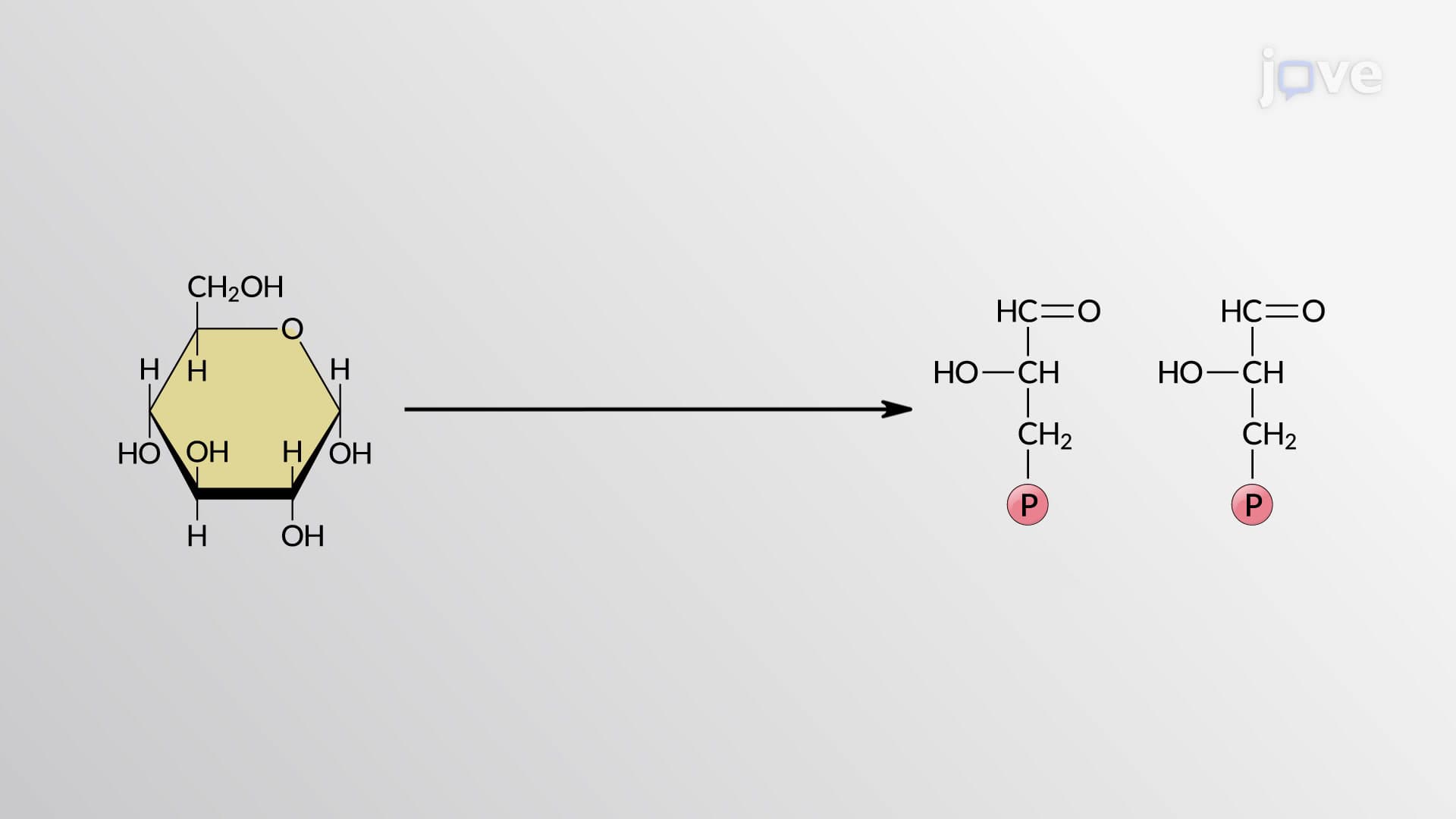
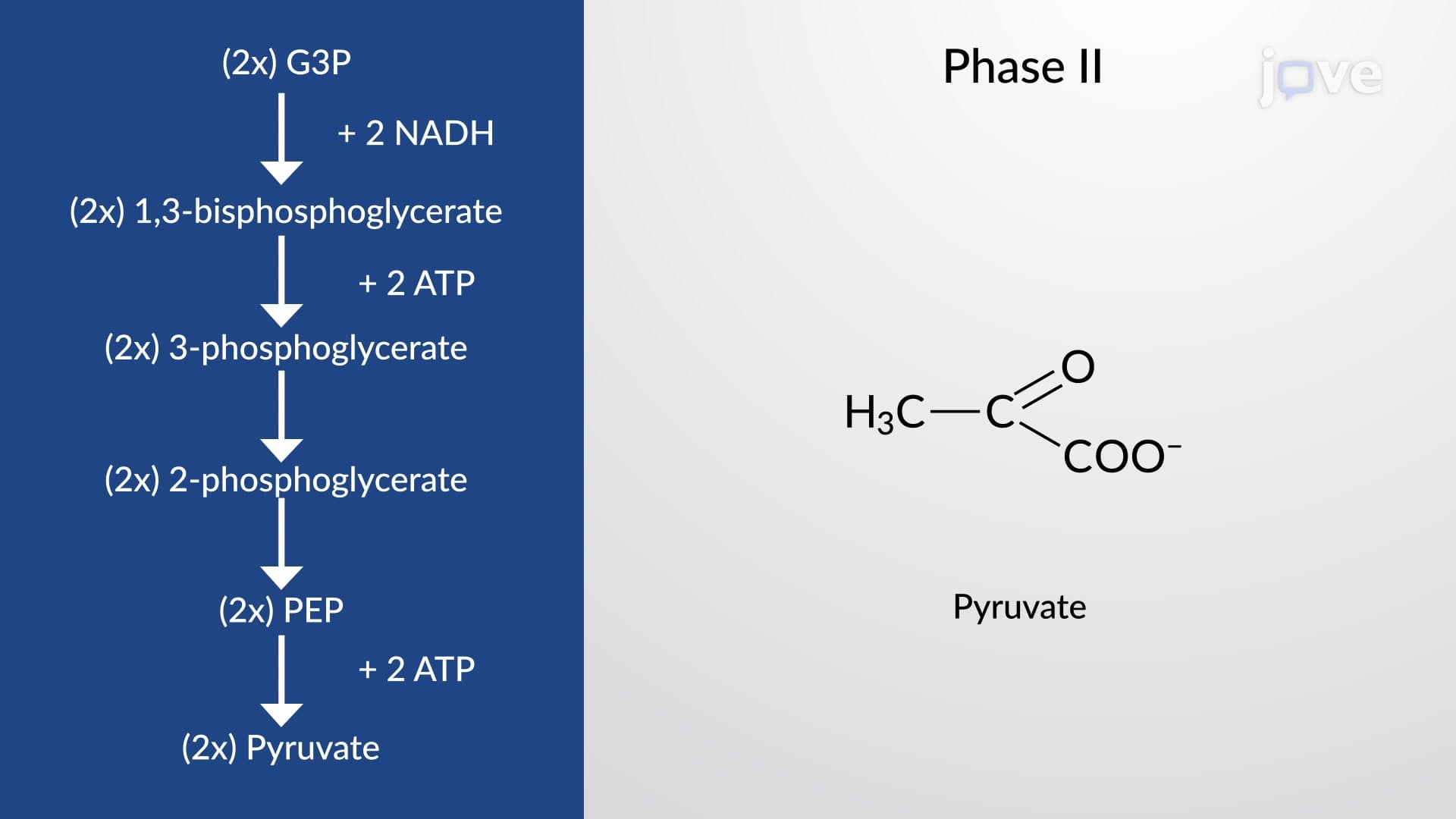
Human glycogen storage operates as a sophisticated energy buffer system. The liver stores approximately 100-120 grams of glycogen, serving as the body's glucose homeostasis center, while skeletal muscles contain 300-600 grams for local energy demands. During high-intensity exercise, muscle glycogen can be mobilized within seconds through glycogenolysis, breaking α-1,4 bonds to release glucose-1-phosphate directly into the glycolytic pathway. This explains why athletes experience "hitting the wall" after 90-120 minutes of intense exercise-the point when glycogen stores become depleted.
Understanding sugar energy storage proves essential for MCAT biochemistry sections, AP Biology cellular energetics units, and college-level metabolism courses. Medical students studying glycogen storage diseases (GSDs) must grasp these concepts to understand conditions like Pompe disease or McArdle syndrome. Additionally, this knowledge applies directly to diabetes management, where insulin facilitates glucose uptake and glycogen synthesis, while glucagon promotes glycogen breakdown during fasting states.
Related Micro-courses