Loading subject page…


210,833 views

Video Summary: What Is Carbohydrate Metabolism
Did you know that within minutes of eating a slice of pizza, your body transforms complex starches into cellular energy through an intricate biochemical dance? Carbohydrate metabolism explained begins the moment food hits your saliva, where enzymes start breaking down starches from sources like bread and pasta. This process continues through your digestive system, converting complex carbohydrates into simple sugars like glucose, which cells then use to produce ATP energy through glycolysis. Watch the full video on JoVE Coach to master this concept with expert-led visuals and step-by-step explanations.
Metabolism of carbohydrates biochemistry represents one of the most fundamental energy-conversion processes in human physiology. This complex system transforms the carbohydrates we consume-from morning cereal to evening pasta-into the ATP molecules that power every cellular function. For students preparing for AP Biology or college biochemistry courses, mastering this pathway is essential for understanding broader metabolic concepts.
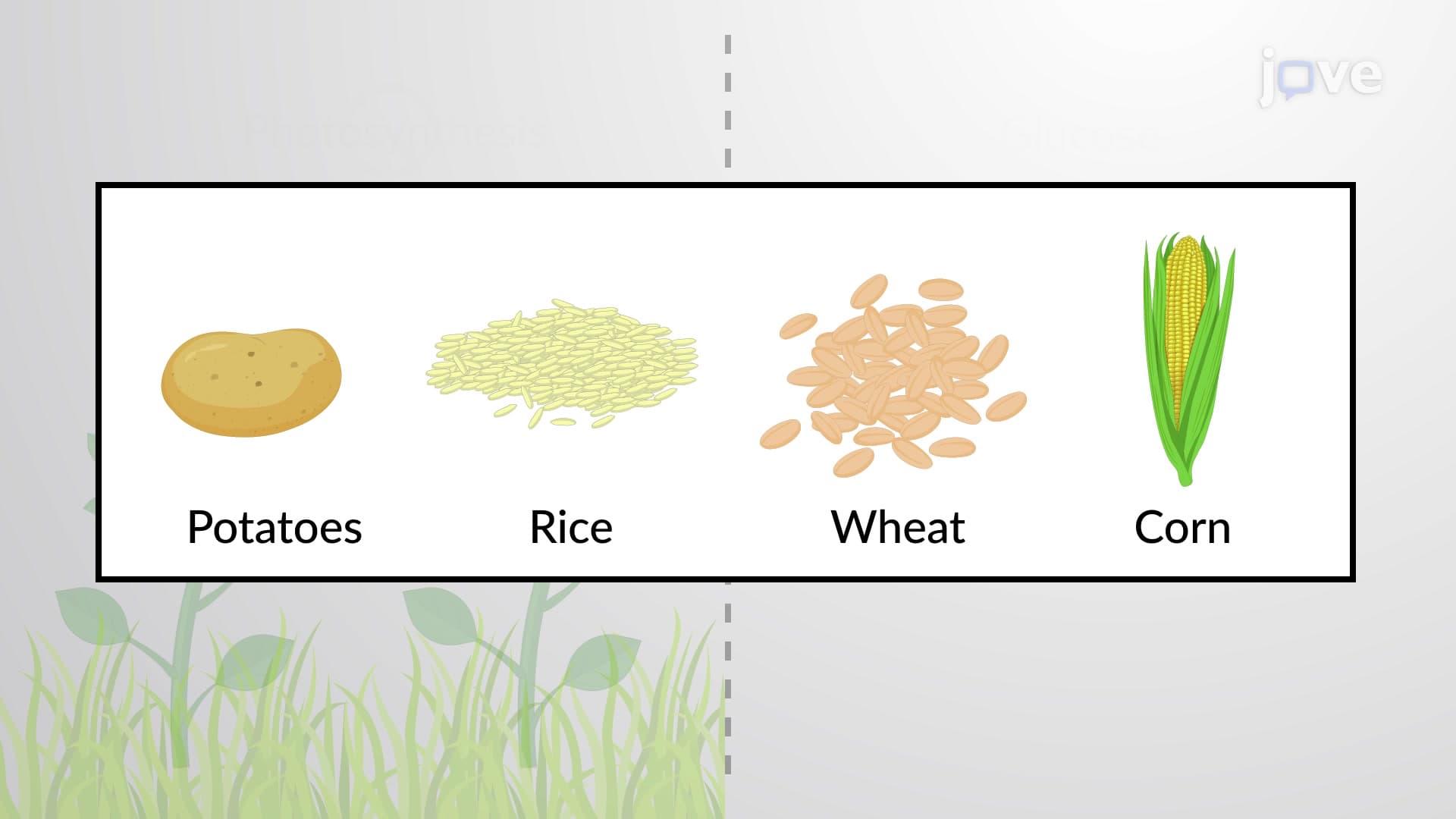
The carbohydrate breakdown pathway begins before you even swallow your food. Salivary amylase, produced by your parotid glands, immediately attacks starch molecules in foods like bread, potatoes, and rice. This enzyme cleaves the α-1,4-glycosidic bonds in starch, producing shorter glucose chains called dextrins.
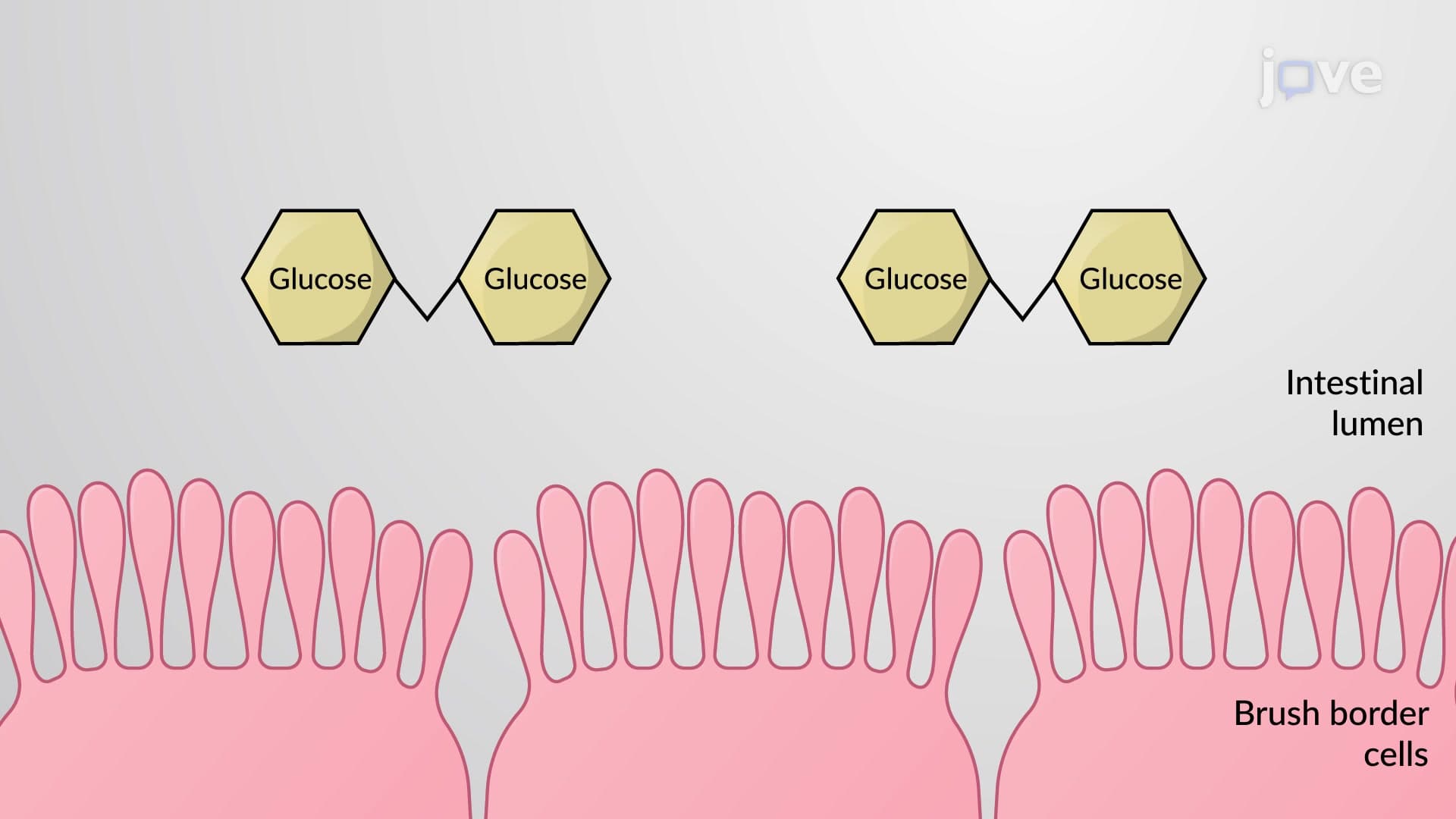
As food moves through your digestive system, pancreatic amylase continues this process in the small intestine, generating disaccharides like maltose. The final digestive step occurs at the brush border of intestinal cells, where specific enzymes complete the breakdown: maltase converts maltose to glucose, lactase breaks down milk sugar lactose into glucose and galactose, and sucrase splits table sugar sucrose into glucose and fructose.
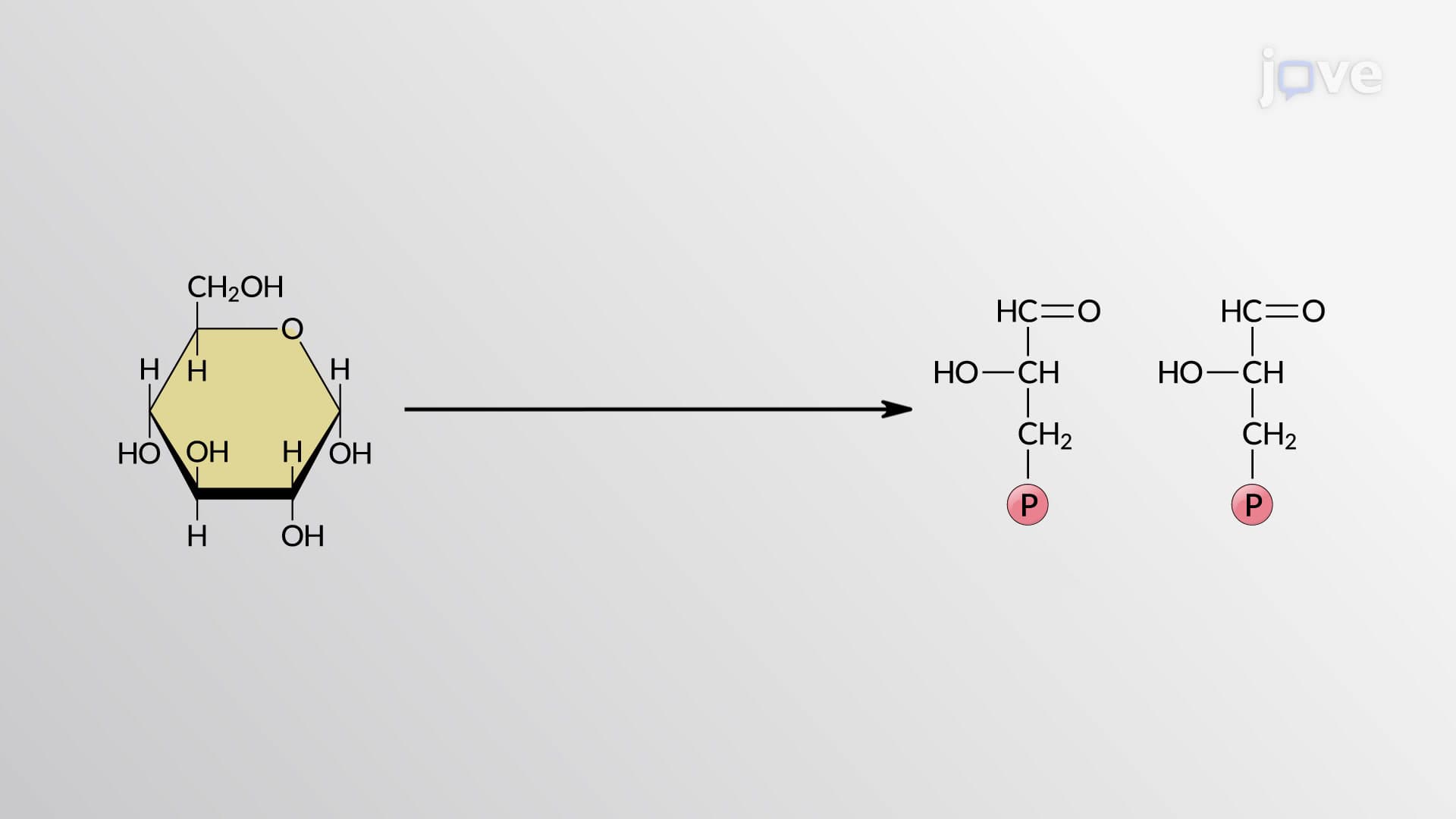
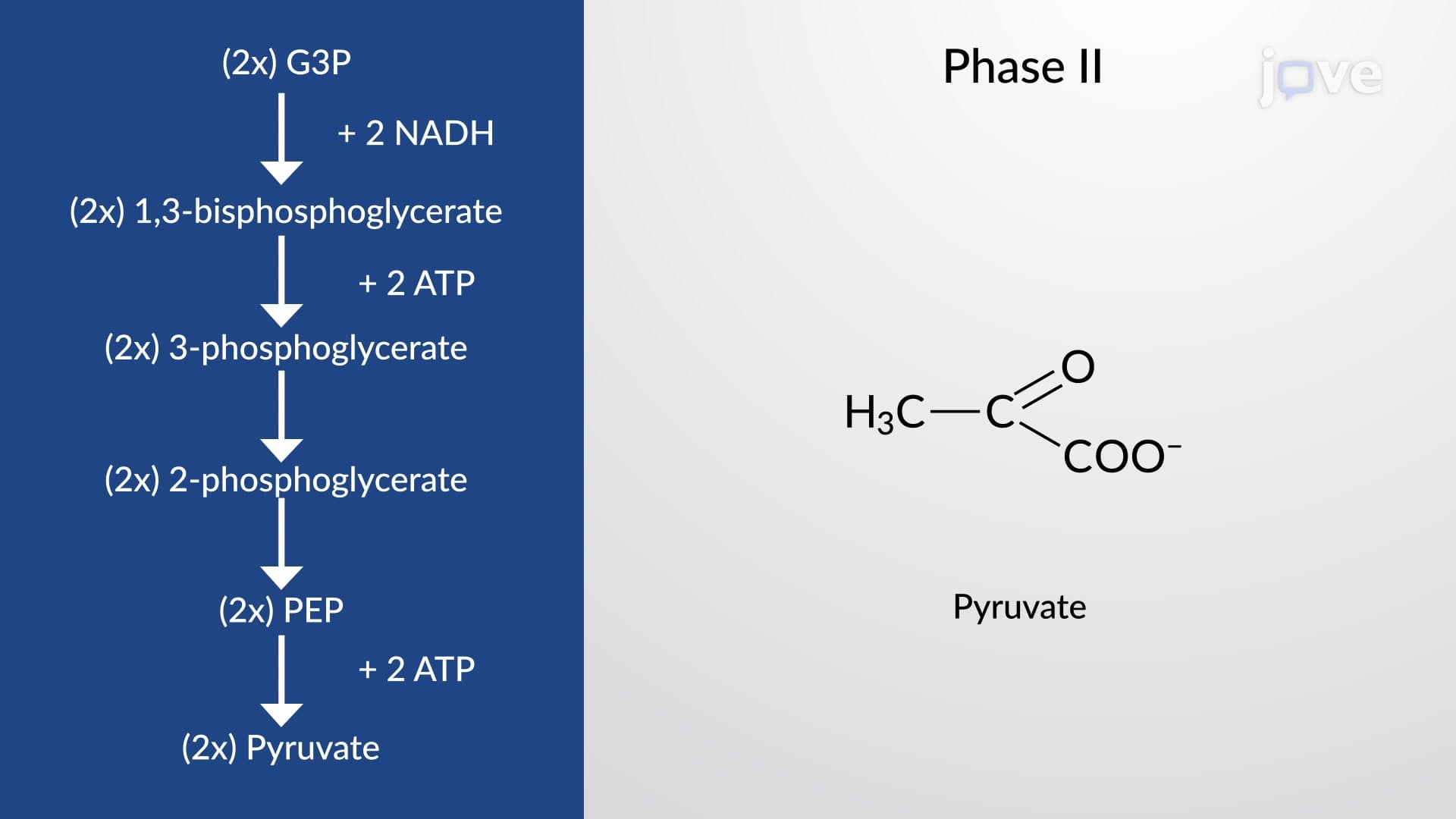
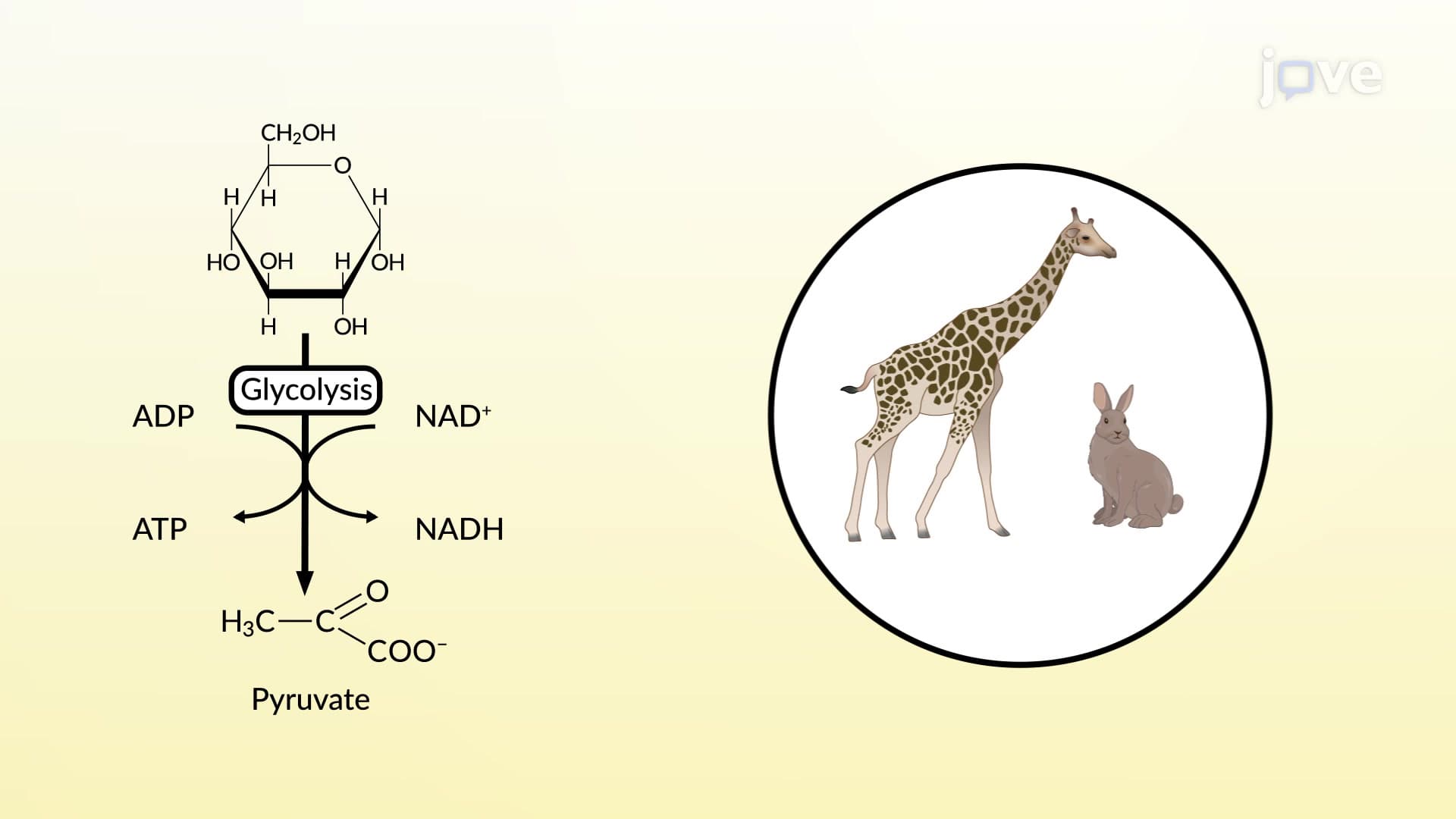
Once absorbed into the bloodstream, these monosaccharides enter cells through glucose transporters (GLUTs). Glycolysis carbohydrate metabolism then takes center stage, converting glucose into pyruvate through a ten-step enzymatic pathway that occurs in the cell's cytoplasm. This process yields a net gain of 2 ATP molecules and 2 NADH molecules per glucose molecule-crucial information for MCAT biochemistry sections.
Galactose and fructose don't follow identical paths but ultimately converge with glucose metabolism. Galactose undergoes the Leloir pathway to form glucose-1-phosphate, while fructose can enter glycolysis at different points depending on the tissue type-liver cells process it differently than muscle cells.
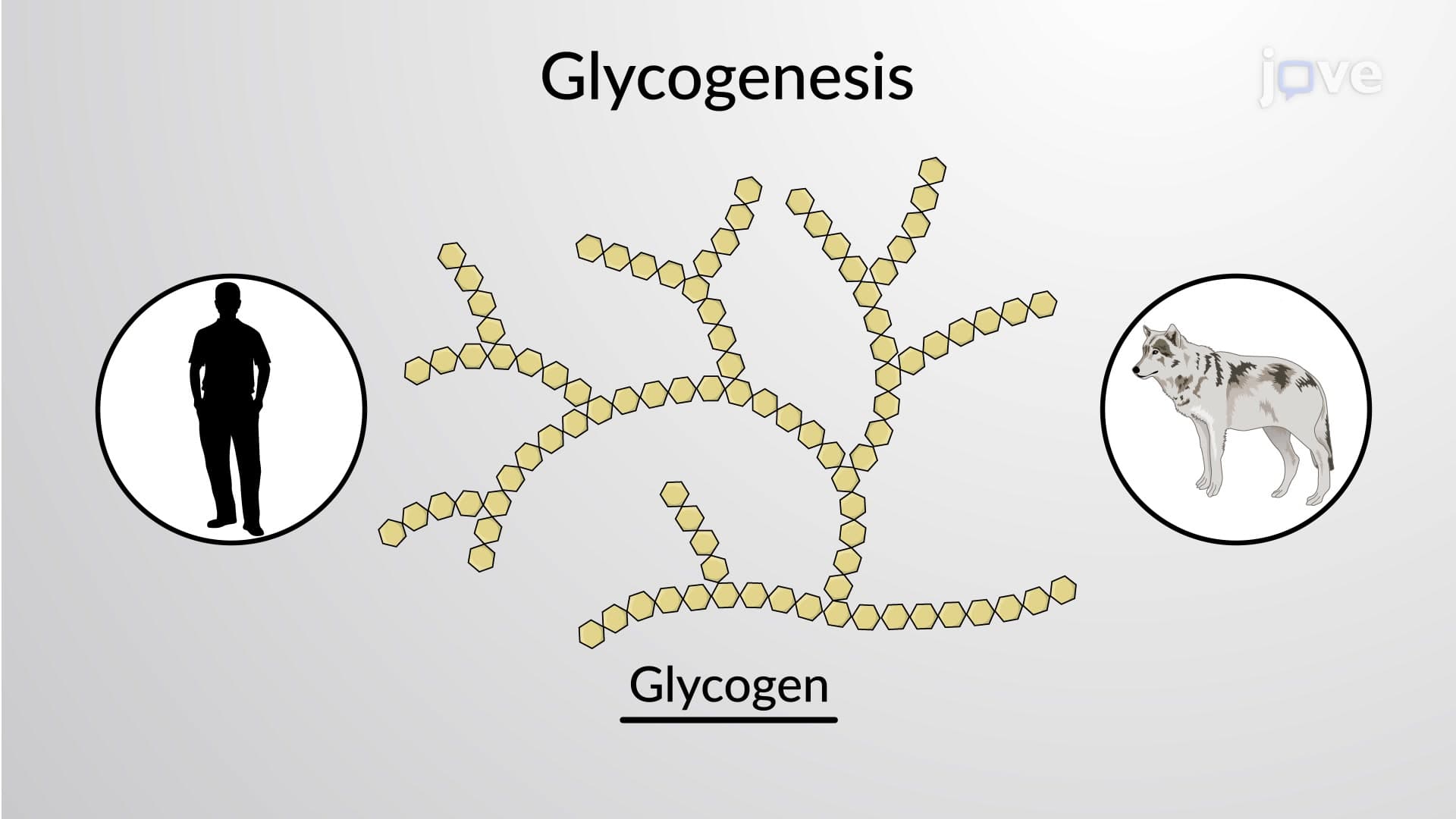
Understanding what is carbohydrate metabolism in biochemistry proves essential for various academic and professional pursuits. Pre-med students encounter detailed carbohydrate metabolism questions on the MCAT biochemistry section, while nursing students apply this knowledge when learning about diabetes management and blood glucose regulation. The metabolic pathway glucose follows also connects to advanced topics like gluconeogenesis and glycogen metabolism, making it a foundational concept for upper-level biochemistry courses.
Related Micro-courses