Loading video…


 12 Concepts
 210.8K views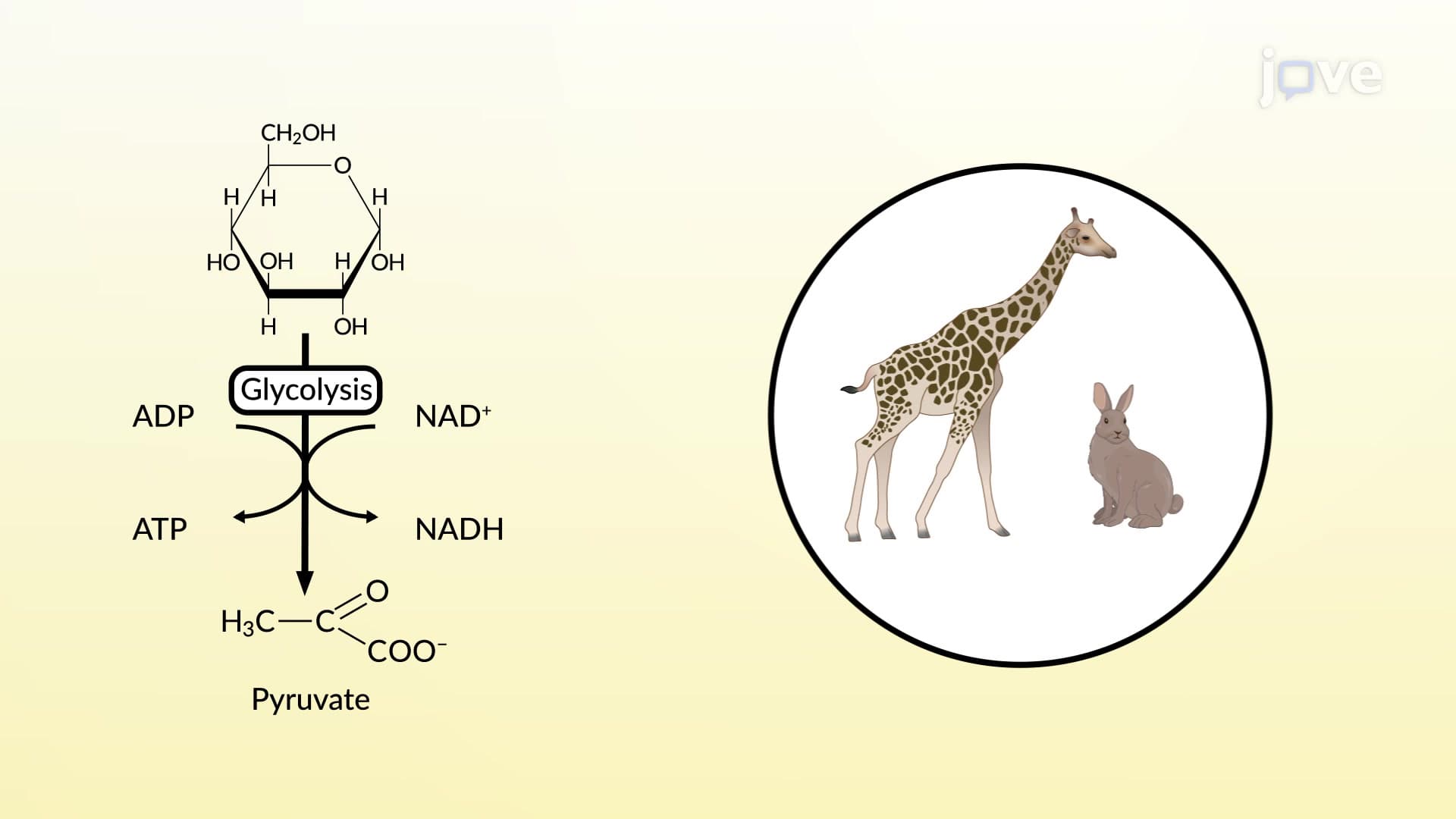

Video Summary: What Is Fates of Pyruvate
Ever wonder why your muscles burn during intense exercise? The fates of pyruvate determine whether your cells produce energy efficiently or switch to emergency backup systems. When marathon runners hit "the wall" around mile 20, their muscle cells are desperately converting pyruvate to lactate as oxygen becomes scarce. What is Fates of Pyruvate explores how this crucial three-carbon molecule can follow multiple metabolic pathways-from powering cellular respiration to enabling fermentation in brewing beer. Watch the full video on JoVE Coach to master this concept with expert-led visuals and step-by-step explanations.
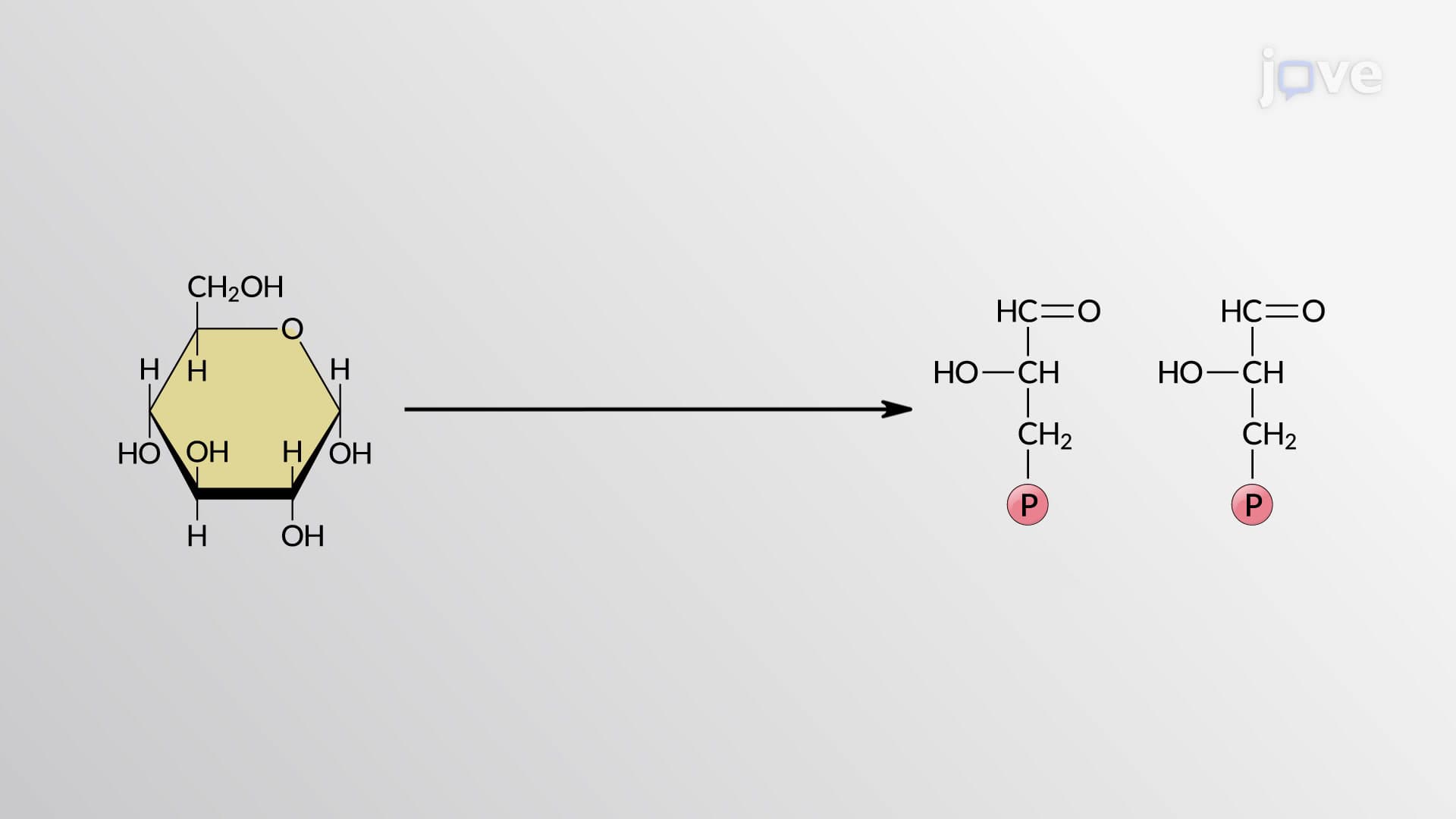
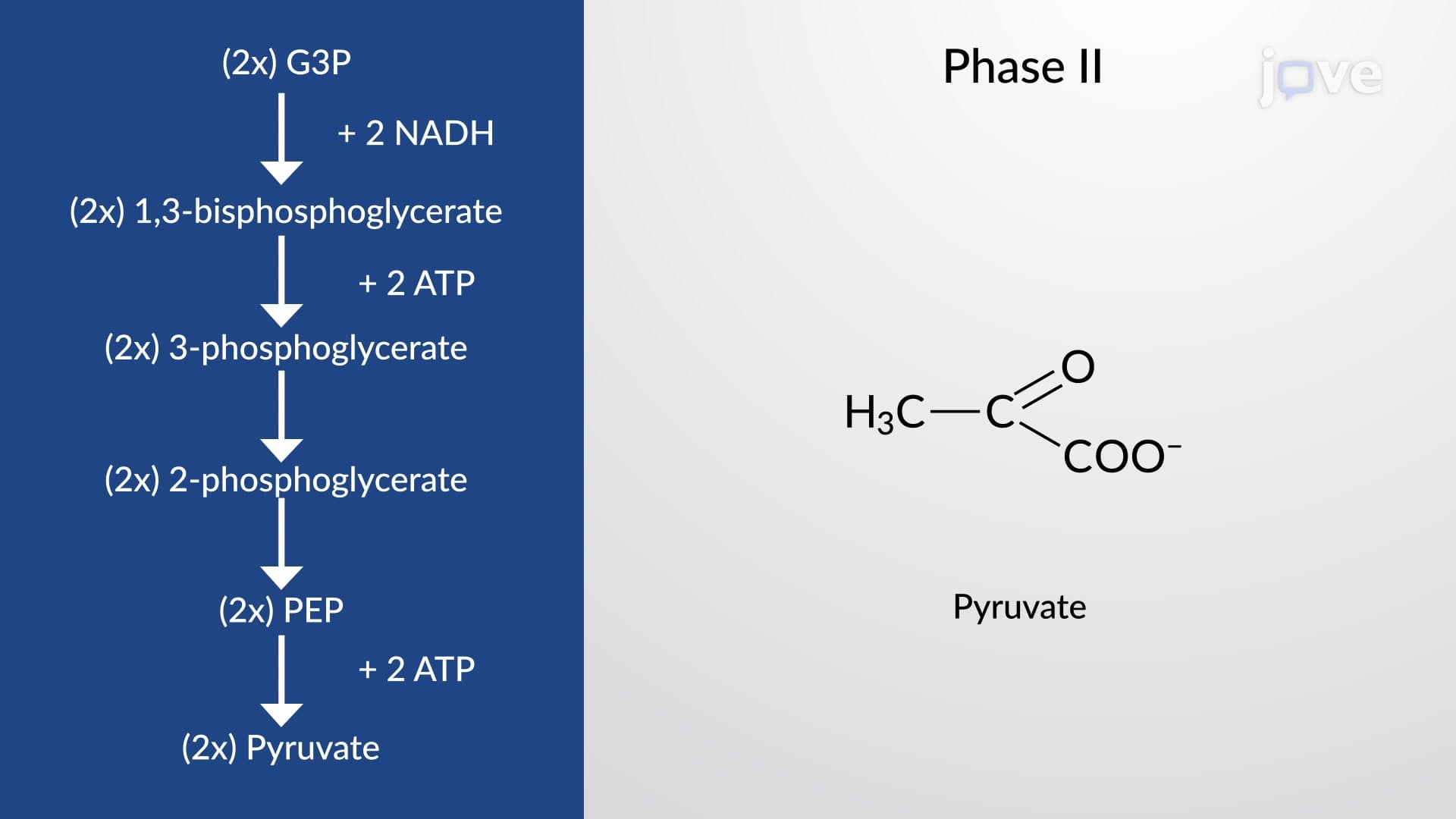
Pyruvate stands at one of biochemistry's most important decision points. This three-carbon molecule, produced at the end of glycolysis, can follow dramatically different pathways depending on your body's immediate needs. Understanding these fates of pyruvate is crucial for grasping how cells maintain energy production under varying conditions-knowledge that appears frequently on AP Biology exams and college biochemistry courses.
Under normal oxygen conditions, pyruvate's primary fate involves conversion to acetyl-CoA by the pyruvate dehydrogenase complex. This acetyl-CoA then enters the citric acid cycle (Krebs cycle), ultimately producing approximately 30-32 ATP molecules per glucose through oxidative phosphorylation. This pathway dominates in well-oxygenated tissues like the heart and brain, which have high energy demands and rich blood supply.
When oxygen becomes limiting, cells must regenerate NAD+ to keep glycolysis running. In human muscle cells during intense exercise-like sprinting or heavy weightlifting-pyruvate converts to lactate through lactate dehydrogenase. This process explains the muscle fatigue and "burning" sensation athletes experience during high-intensity workouts. The lactate can later be converted back to pyruvate when oxygen availability improves, a process utilized in the Cori cycle between muscle and liver.
Alternatively, microorganisms like Saccharomyces cerevisiae (baker's yeast) convert pyruvate to ethanol and CO2. This fermentation process is essential to American industries-from Budweiser's brewing operations to the rising bread in commercial bakeries across the country.
During fasting states or low-carbohydrate diets, pyruvate can reverse course through gluconeogenesis, ultimately producing glucose to maintain blood sugar levels. This pathway is particularly important for brain function, as neurons primarily rely on glucose for energy. Medical professionals monitor this process in diabetic patients, where dysregulated gluconeogenesis contributes to elevated blood glucose levels.
Understanding these metabolic fates helps explain clinical conditions and appears regularly on MCAT biochemistry sections, making this concept essential for pre-med students.
Related Micro-courses