Loading subject page…


210,833 views

Video Summary: What Is Glycolysis Pay Off Phase
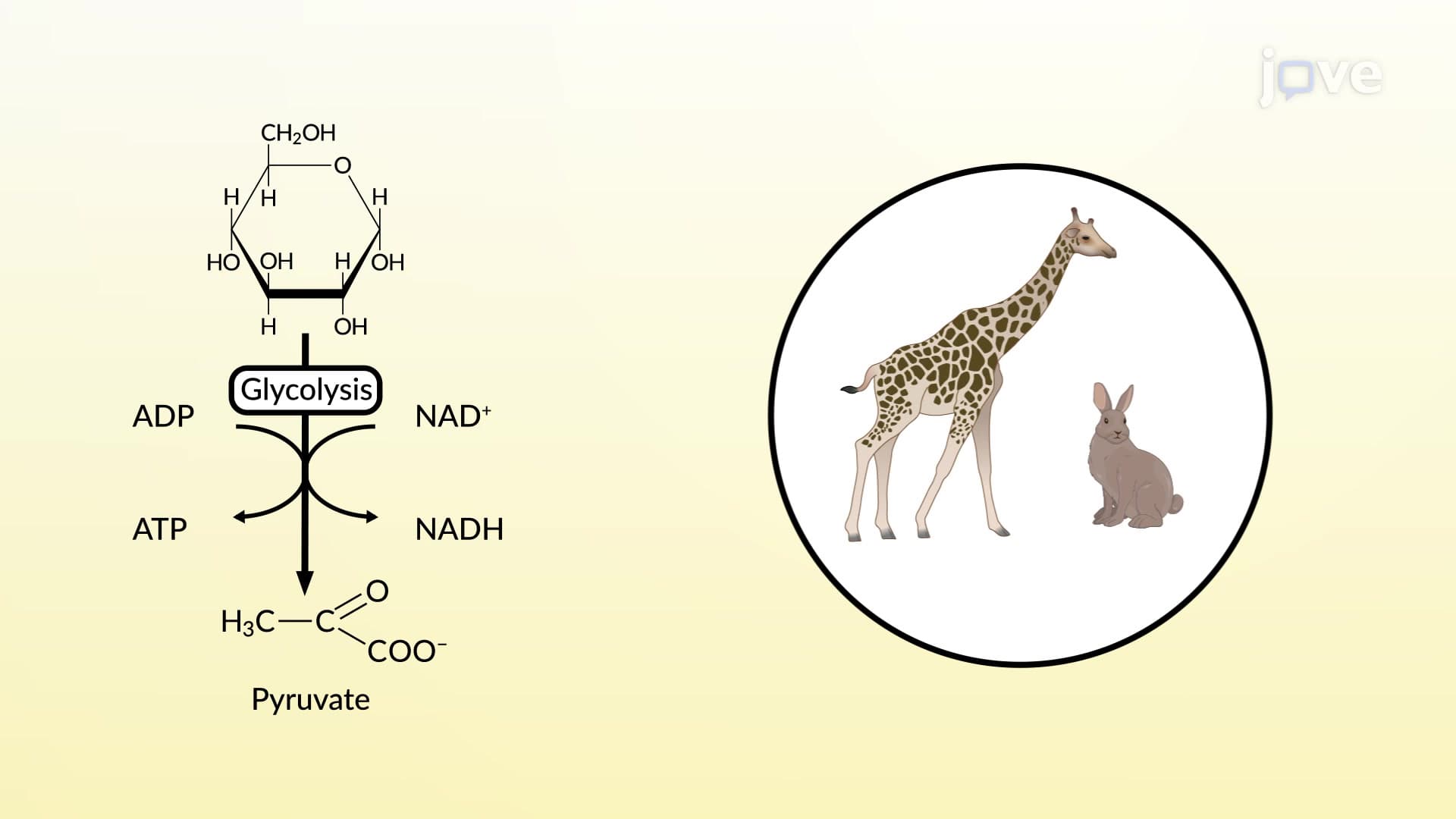
Ever wondered how your muscle cells generate energy during a sprint at track practice? The glycolysis pay off phase is the crucial second half of cellular respiration where cells actually produce usable energy. During this phase, each glucose molecule yields a net gain of 2 ATP molecules and 2 NADH molecules, powering everything from brain function to muscle contractions in American athletes competing in the Olympics. Watch the full video on JoVE Coach to master this concept with expert-led visuals and step-by-step explanations.
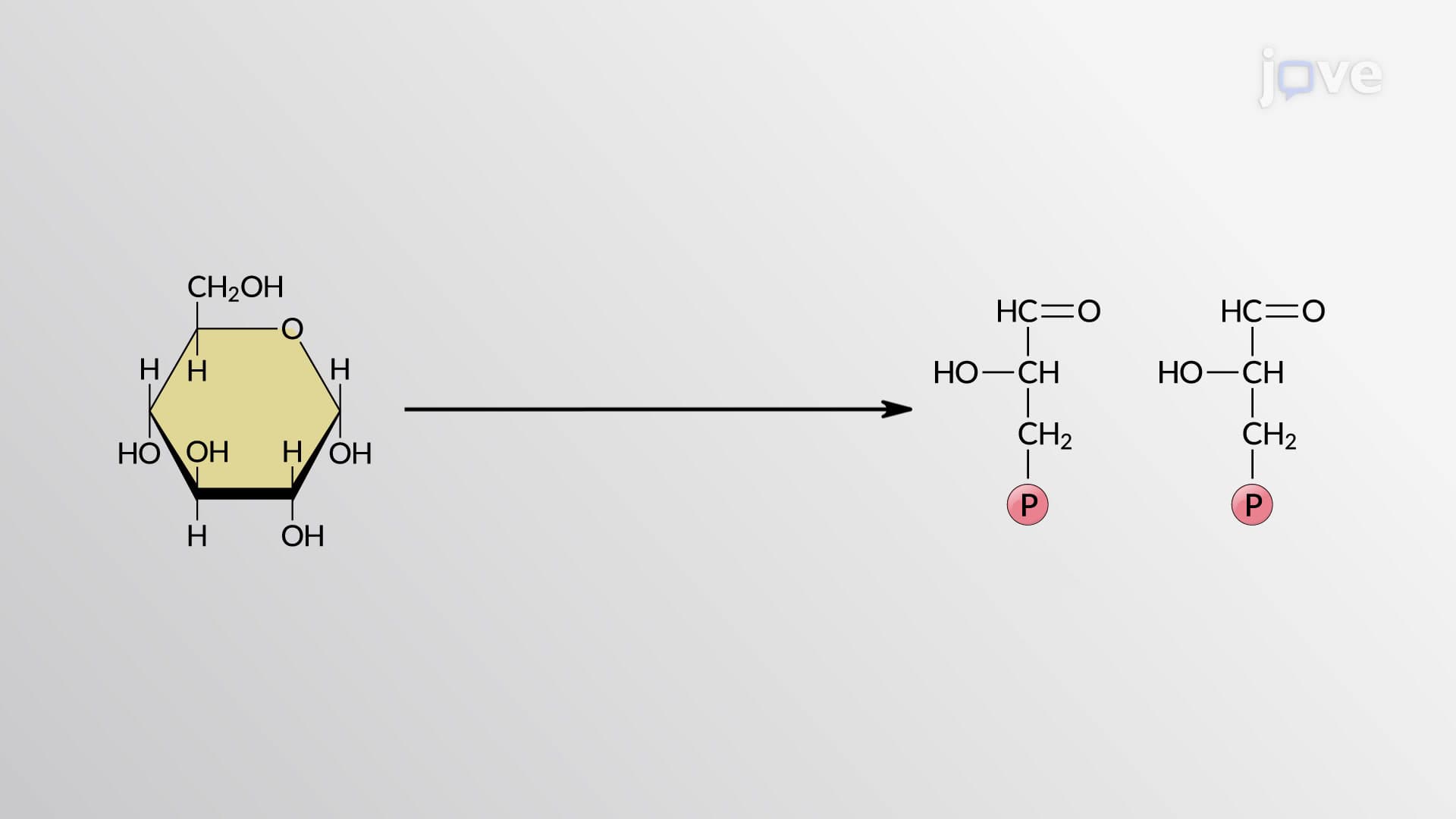
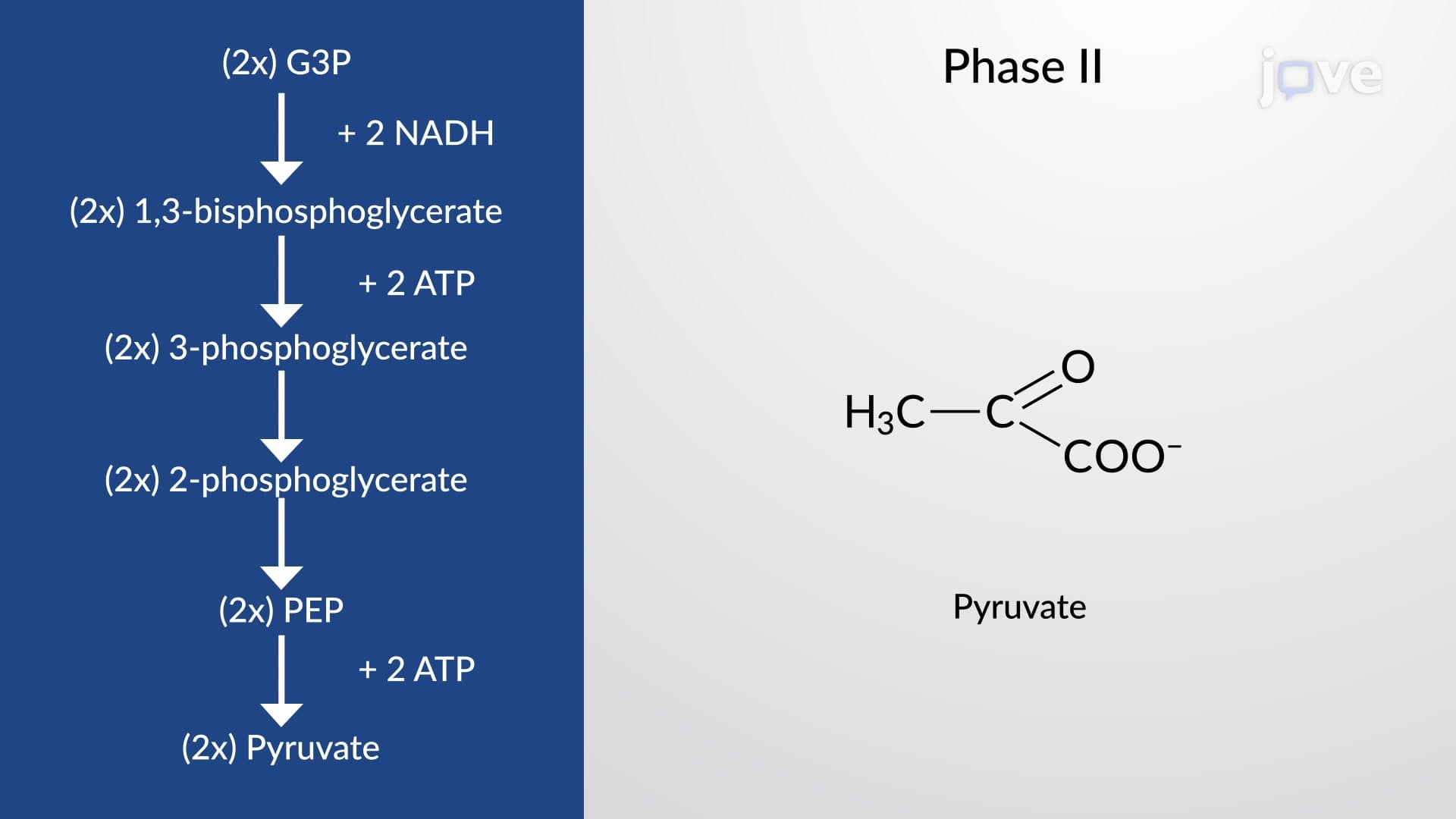
The glycolysis pay off phase represents the energy-harvesting portion of glucose metabolism, transforming the 3-carbon intermediates from the preparatory phase into usable cellular energy. Unlike the initial investment phase that consumes 2 ATP molecules, this second phase generates 4 ATP molecules and 2 NADH molecules, creating the net energy gain that makes glycolysis profitable for cells.
This biochemical pathway is fundamental to AP Biology curricula and appears frequently on college biochemistry exams, including the MCAT. Students at institutions like UCLA and Johns Hopkins study this process as the foundation for understanding cellular metabolism.
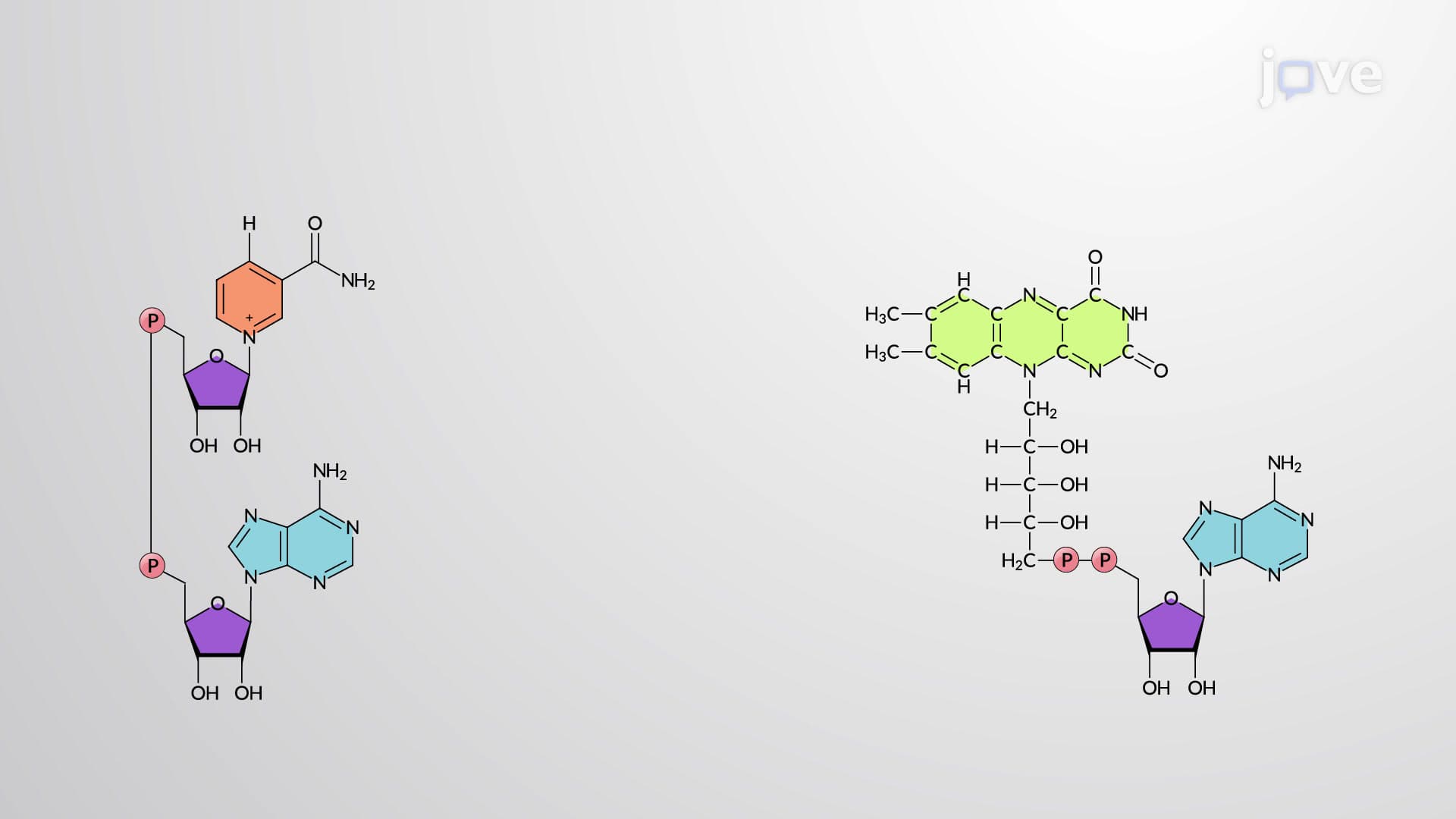
The pay off phase begins with glyceraldehyde-3-phosphate (G3P) undergoing oxidation by glyceraldehyde phosphate dehydrogenase. This critical reaction simultaneously reduces NAD+ to NADH while phosphorylating the substrate to form 1,3-bisphosphoglycerate. The high-energy phosphate bonds in this intermediate represent stored chemical energy that cells can harvest.
Phosphoglycerate kinase then catalyzes the first ATP-generating step through substrate-level phosphorylation, converting 1,3-bisphosphoglycerate to 3-phosphoglycerate while transferring a phosphate group directly to ADP. This mechanism differs from oxidative phosphorylation occurring later in mitochondria, making it particularly important for cells lacking oxygen access, such as red blood cells or muscle fibers during intense exercise.
The remaining enzymatic steps fine-tune the carbon skeleton for optimal energy extraction. Phosphoglycerate mutase relocates the phosphate group from carbon 3 to carbon 2, creating 2-phosphoglycerate. Subsequently, enolase eliminates water to form phosphoenolpyruvate (PEP), one of the highest-energy phosphate compounds in cellular metabolism.
The final reaction, catalyzed by pyruvate kinase, represents another substrate-level phosphorylation event. PEP's extremely high phosphate transfer potential drives ATP synthesis while generating pyruvate, the three-carbon product that serves as the gateway to aerobic respiration in mitochondria or anaerobic fermentation in the cytoplasm.
Understanding this pathway proves essential for healthcare professionals treating metabolic disorders. For instance, pyruvate kinase deficiency, a genetic condition affecting approximately 1 in 20,000 Americans, disrupts the final step of glycolysis, leading to hemolytic anemia. Medical students preparing for the USMLE encounter numerous questions about glycolytic regulation and its role in diseases like diabetes, where glucose metabolism becomes dysregulated.
Related Micro-courses