Loading video…


 12 Concepts
 210.8K views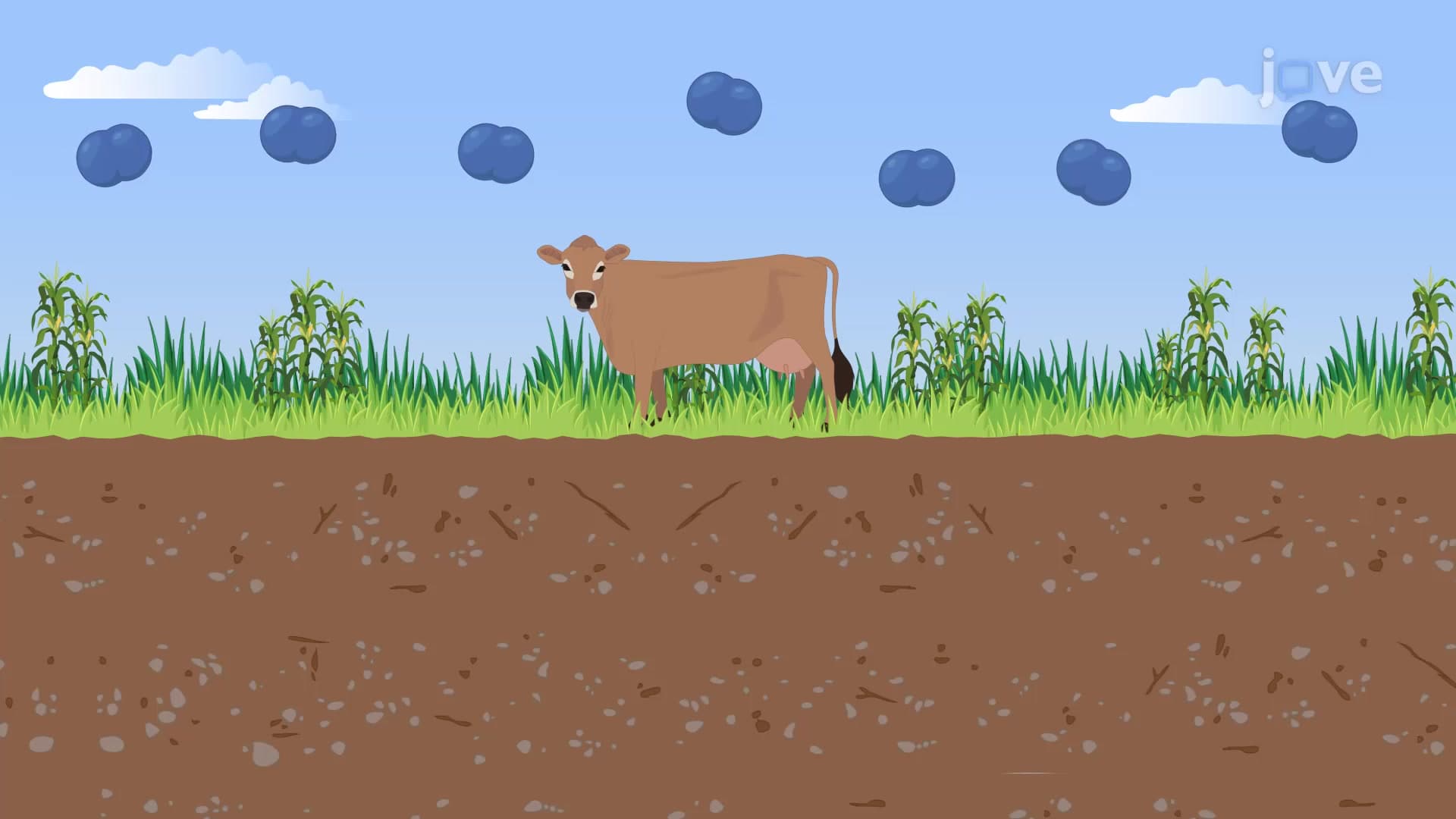

Video Summary: What Is Overview of Nitrogen Metabolism
Did you know that 78% of Earth's atmosphere is nitrogen, yet most living things can't use it directly? The overview of nitrogen metabolism reveals how this essential element cycles through ecosystems, from soil bacteria in Iowa cornfields converting atmospheric nitrogen into plant-usable ammonia, to the urea cycle in your own body breaking down proteins after a meal. This fundamental biological process connects atmospheric chemistry to cellular biochemistry, showing how nitrogen flows from air to soil to plants to animals and back again. Watch the full video on JoVE Coach to master this concept with expert-led visuals and step-by-step explanations.
The overview of nitrogen metabolism encompasses one of nature's most critical biogeochemical cycles, fundamental to all life on Earth. This process demonstrates how organisms have evolved sophisticated mechanisms to access and utilize nitrogen, despite its abundance in an unusable atmospheric form. The cycle represents a perfect example of biological cooperation, where different organisms specialize in specific nitrogen transformations that benefit the entire ecosystem.
Atmospheric nitrogen's triple bond (N≡N) requires enormous energy to break-approximately 945 kJ/mol. Nitrogen-fixing bacteria, including *Rhizobium* species found in legume root nodules across American farmland, use the enzyme nitrogenase to catalyze this reaction. This process occurs in anaerobic conditions within specialized cell structures called bacteroids. The reaction converts N₂ + 8H⁺ + 8e⁻ + 16ATP → 2NH₃ + H₂ + 16ADP + 16Pi, demonstrating the high energy cost of biological nitrogen fixation.
Industrial nitrogen fixation via the Haber-Bosch process produces millions of tons of ammonia annually for fertilizers used throughout the US agricultural system. This artificial process mirrors biological nitrogen fixation but requires extreme temperatures and pressures, highlighting the remarkable efficiency of bacterial enzymes.
Once ammonia enters plant cells, it rapidly combines with glutamate through glutamine synthetase to form glutamine. This reaction serves as the primary entry point for nitrogen into organic compounds. Glutamine then participates in transamination reactions, creating the full spectrum of amino acids necessary for protein synthesis and nucleotide formation.
This process is particularly evident in crop plants like corn and soybeans grown across the Midwest, where nitrogen availability directly correlates with yield and protein content. AP Biology students often encounter this concept when studying plant nutrition and the role of essential nutrients in agricultural systems.
Animals cannot store excess amino acids like they store fats or carbohydrates. Instead, amino acids undergo deamination, removing the amino group and converting it to ammonia. Since ammonia is highly toxic, mammals convert it to urea through the ornithine cycle in liver cells. This five-step process requires significant energy investment but produces a less toxic, water-soluble waste product suitable for excretion.
The urea cycle becomes clinically significant in conditions like liver disease, where impaired urea synthesis leads to hyperammonemia-a topic frequently tested on the MCAT and relevant to pre-med students studying biochemistry.
Related Micro-courses