Loading video…


 19 Concepts
 78.1K views

Video Summary: What are Drugs That Stabilize Microtubules
Did you know that the same cellular structures responsible for cell division are also the target of powerful cancer drugs? Drugs that stabilize microtubules like taxol (paclitaxel) work by disrupting the normal function of these essential cellular components, preventing cancer cells from dividing properly. The FDA-approved drug paclitaxel, originally derived from Pacific yew trees, has revolutionized cancer treatment by targeting the microtubule network that cells need for division. Watch the full video on JoVE Coach to master this concept with expert-led visuals and step-by-step explanations.
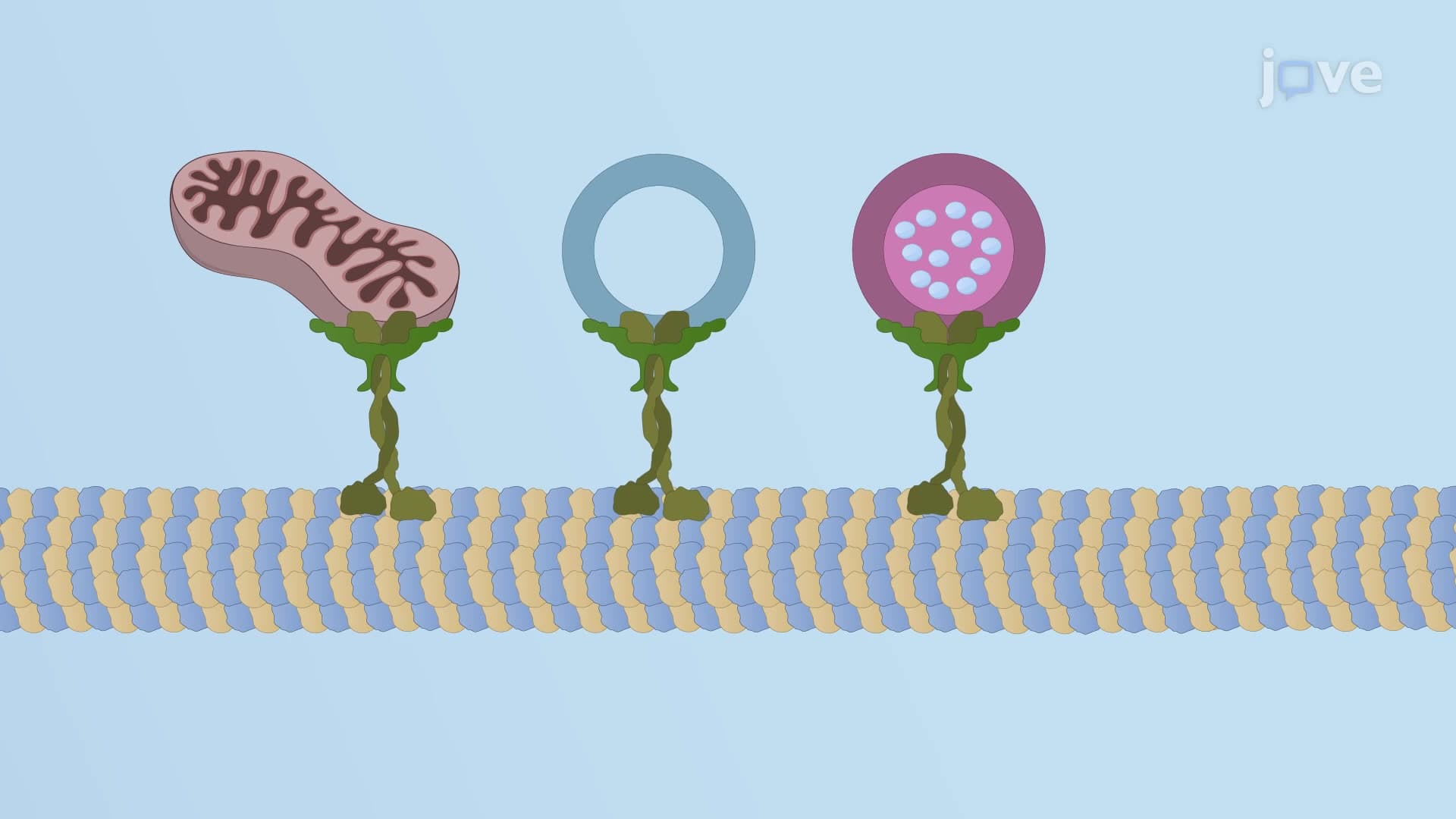
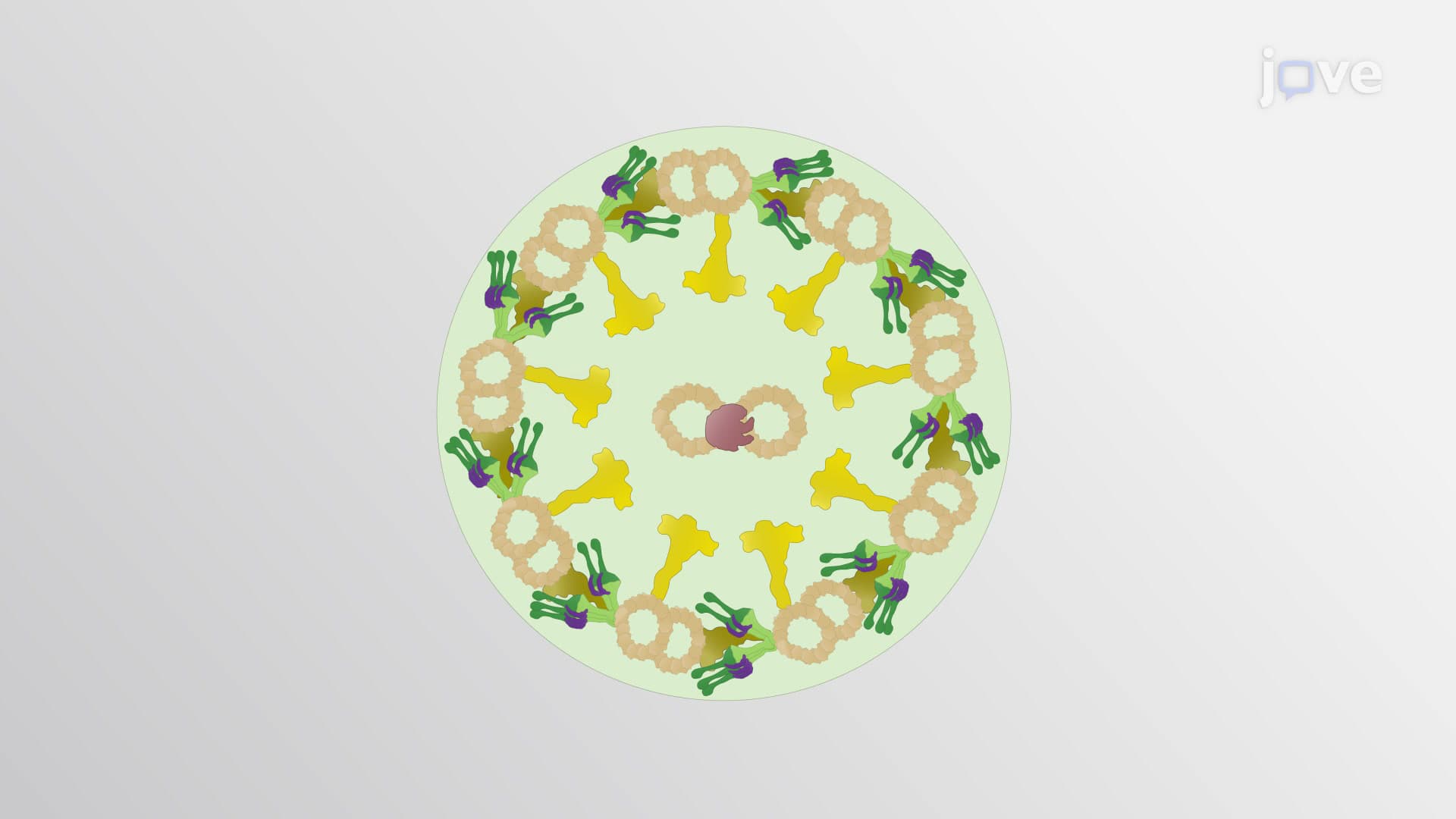
Drugs that stabilize microtubules represent a crucial class of therapeutic agents that interfere with one of the most fundamental cellular processes: the dynamic assembly and disassembly of microtubules. These protein structures form the cellular "skeleton" and are essential for maintaining cell shape, organizing organelles, and most importantly, facilitating cell division through the formation of the mitotic spindle.
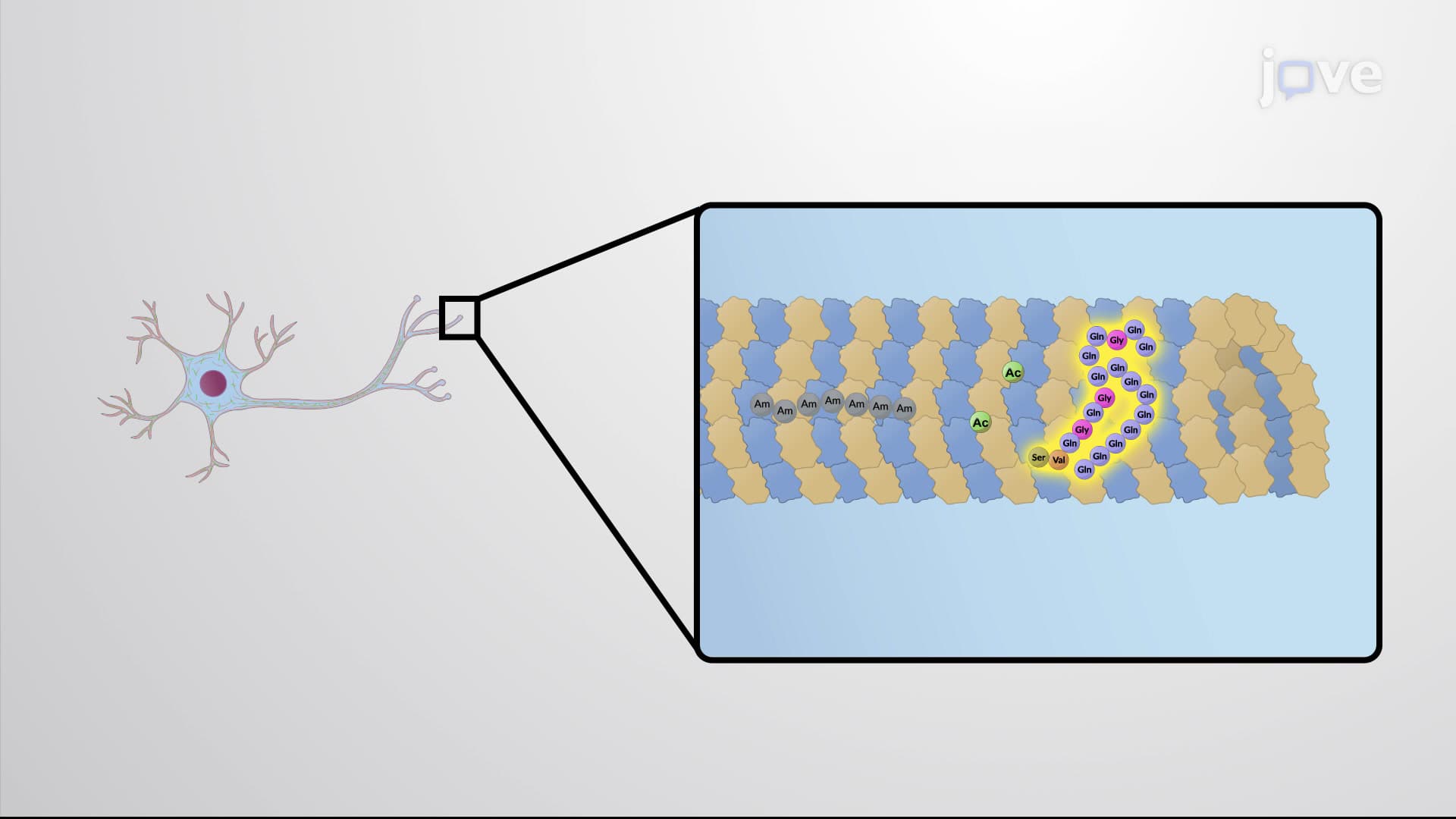
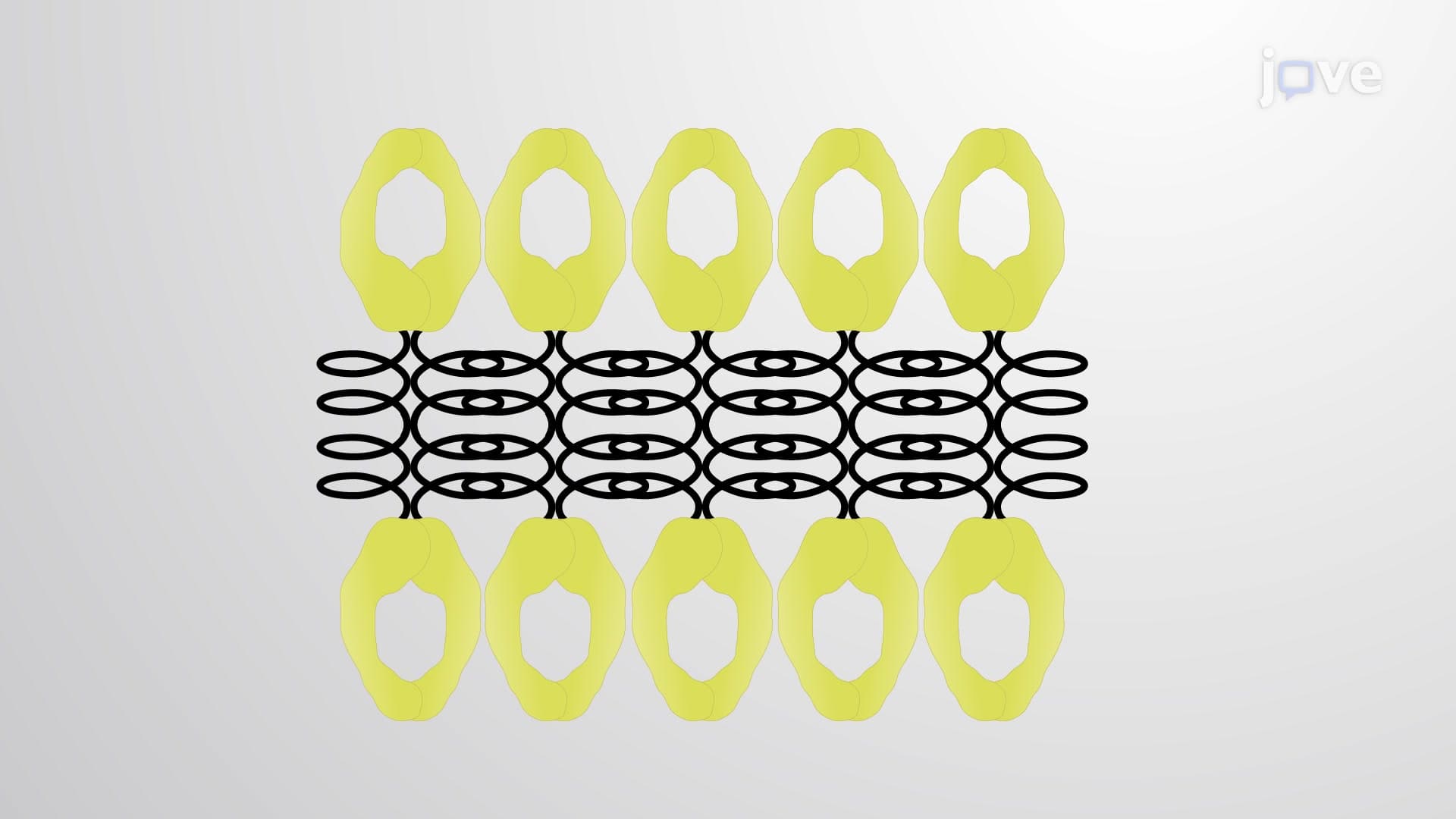
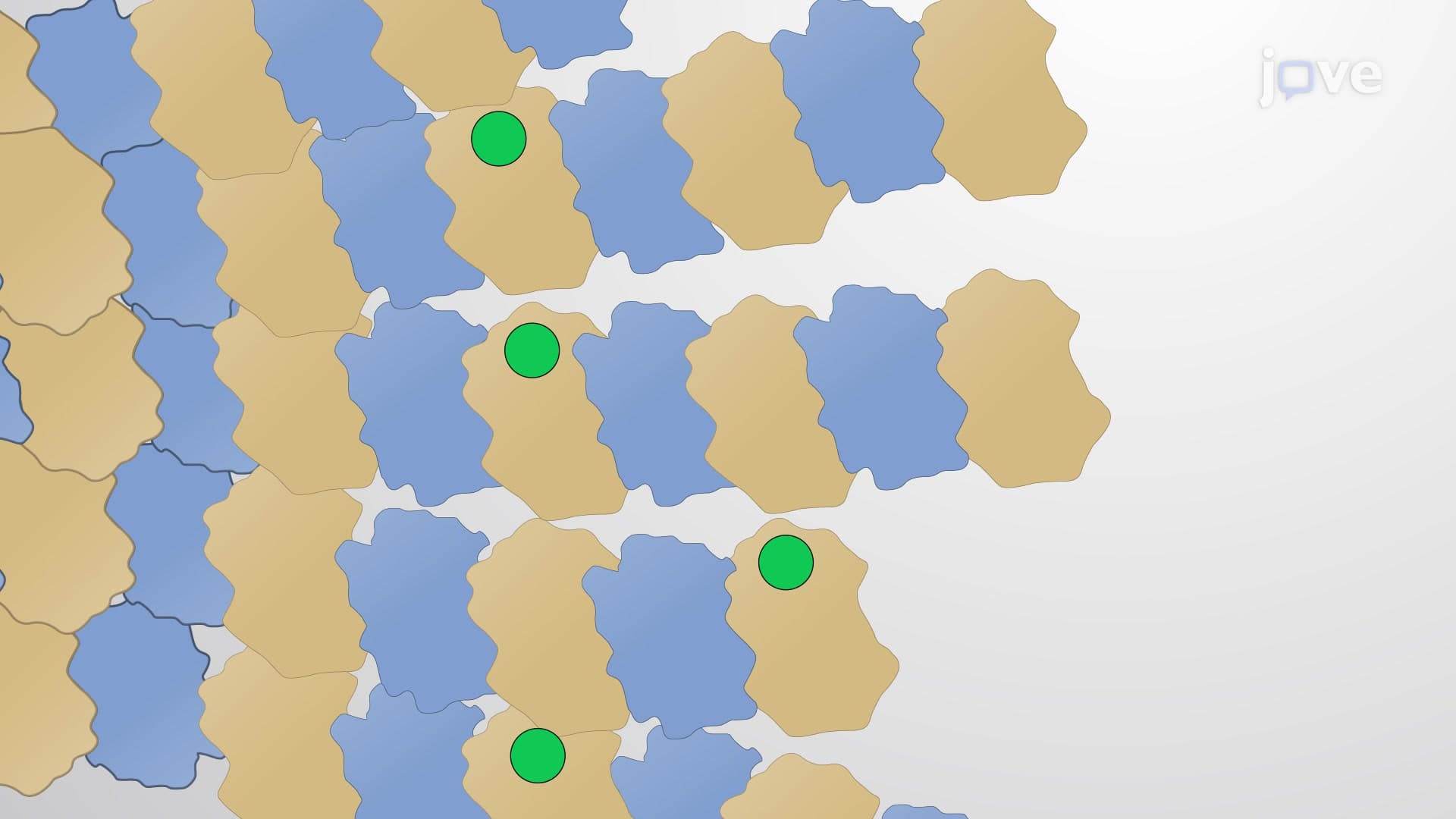
The primary mechanism involves binding to specific sites on tubulin subunits, fundamentally altering the protein's behavior. Taxol (paclitaxel), the most well-known example, binds to hydrophobic regions called taxane pockets located at the N-terminal domain of β-tubulin subunits. This binding triggers a conformational change that dramatically increases the lateral affinity between protofilaments-the building blocks of microtubules.
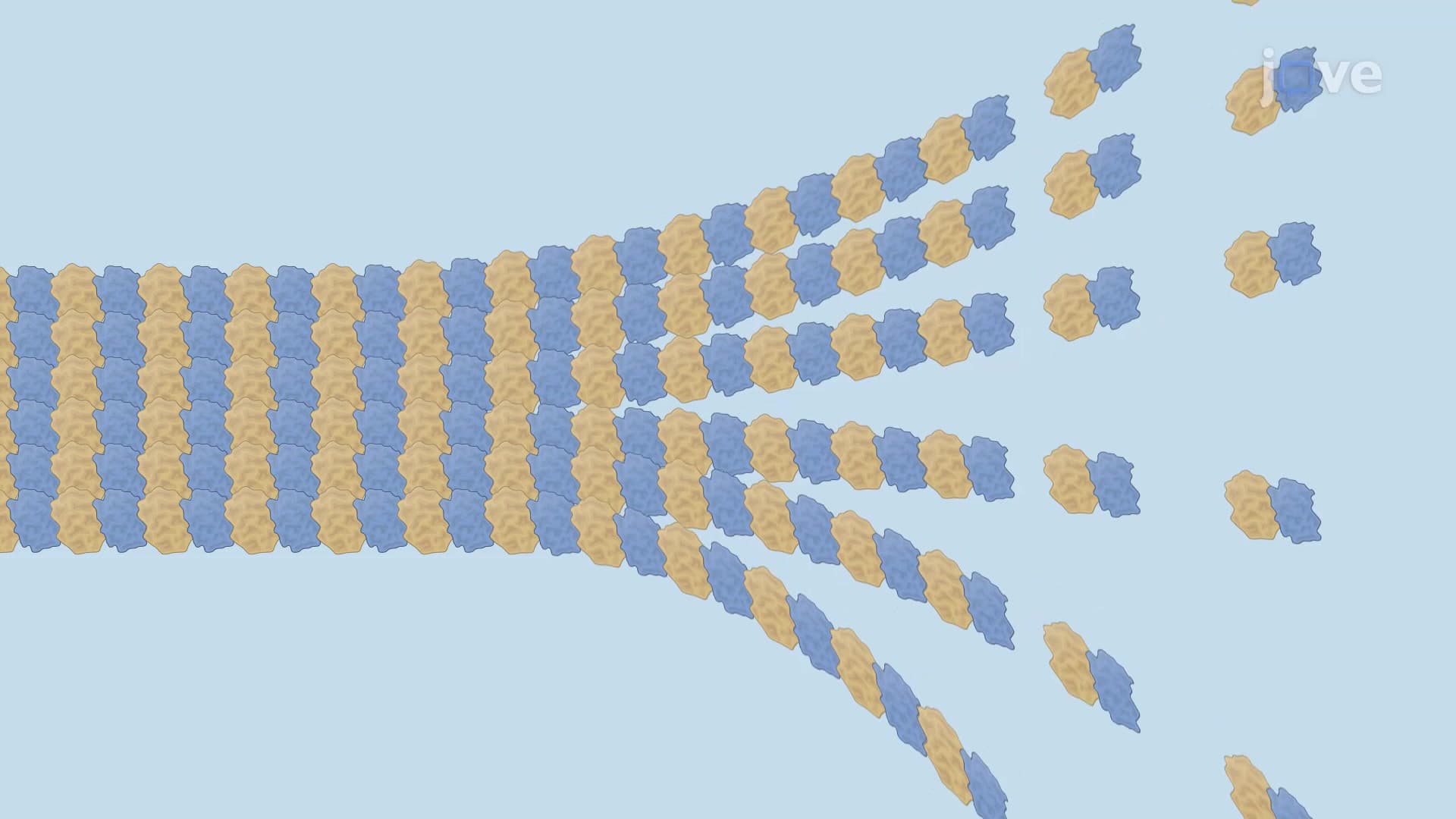
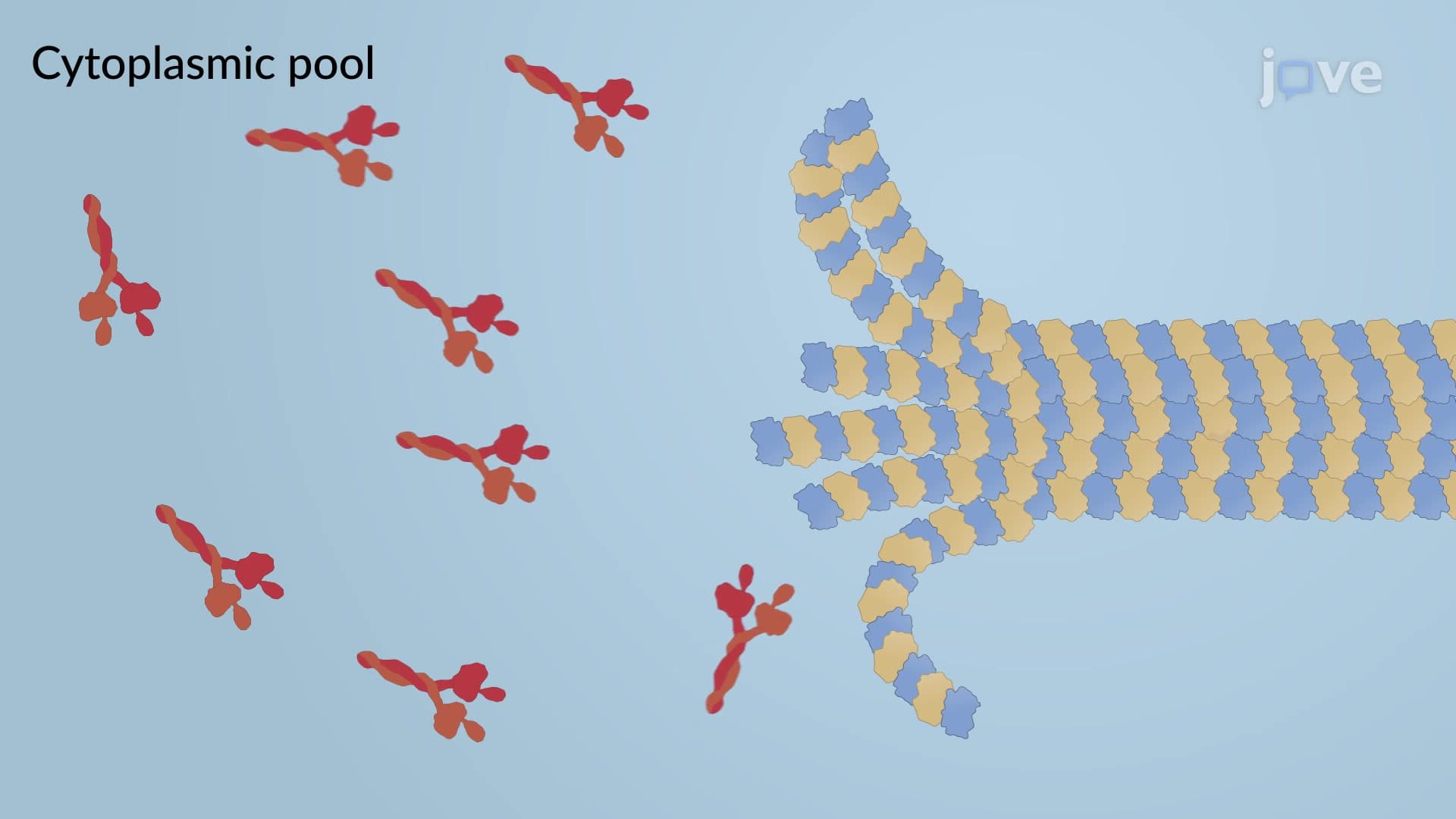
Under normal circumstances, microtubules exist in a state of "dynamic instability," constantly growing and shrinking as cells respond to various signals. This dynamic behavior is essential for processes like chromosome segregation during mitosis. However, when stabilizing drugs are present, this natural flexibility is lost, creating abnormally stable structures that cannot perform their intended functions.
The therapeutic value of microtubule-stabilizing drugs becomes apparent in cancer treatment scenarios. When cancer cells attempt to divide, the presence of drugs like taxol prevents proper spindle fiber function. The stabilized microtubules cannot segregate chromosomes to opposite poles of the cell, resulting in mitotic arrest-essentially freezing the cell in the middle of division.
This mechanism has made paclitaxel a cornerstone treatment for various cancers including breast, ovarian, and lung cancers in the United States. The drug received FDA approval in 1992 and has since been used to treat hundreds of thousands of patients. Other drugs in this class, such as docetaxel (Taxotere), work through similar mechanisms and are equally important in modern oncology.
Students preparing for the MCAT will encounter questions about microtubule dynamics and drug mechanisms, while AP Biology students study these concepts in the context of cell cycle regulation. Understanding how these drugs work provides insight into both normal cellular function and therapeutic intervention strategies, making it a high-yield topic for various standardized exams.
Related Micro-courses