Loading video…


 19 Concepts
 78.1K views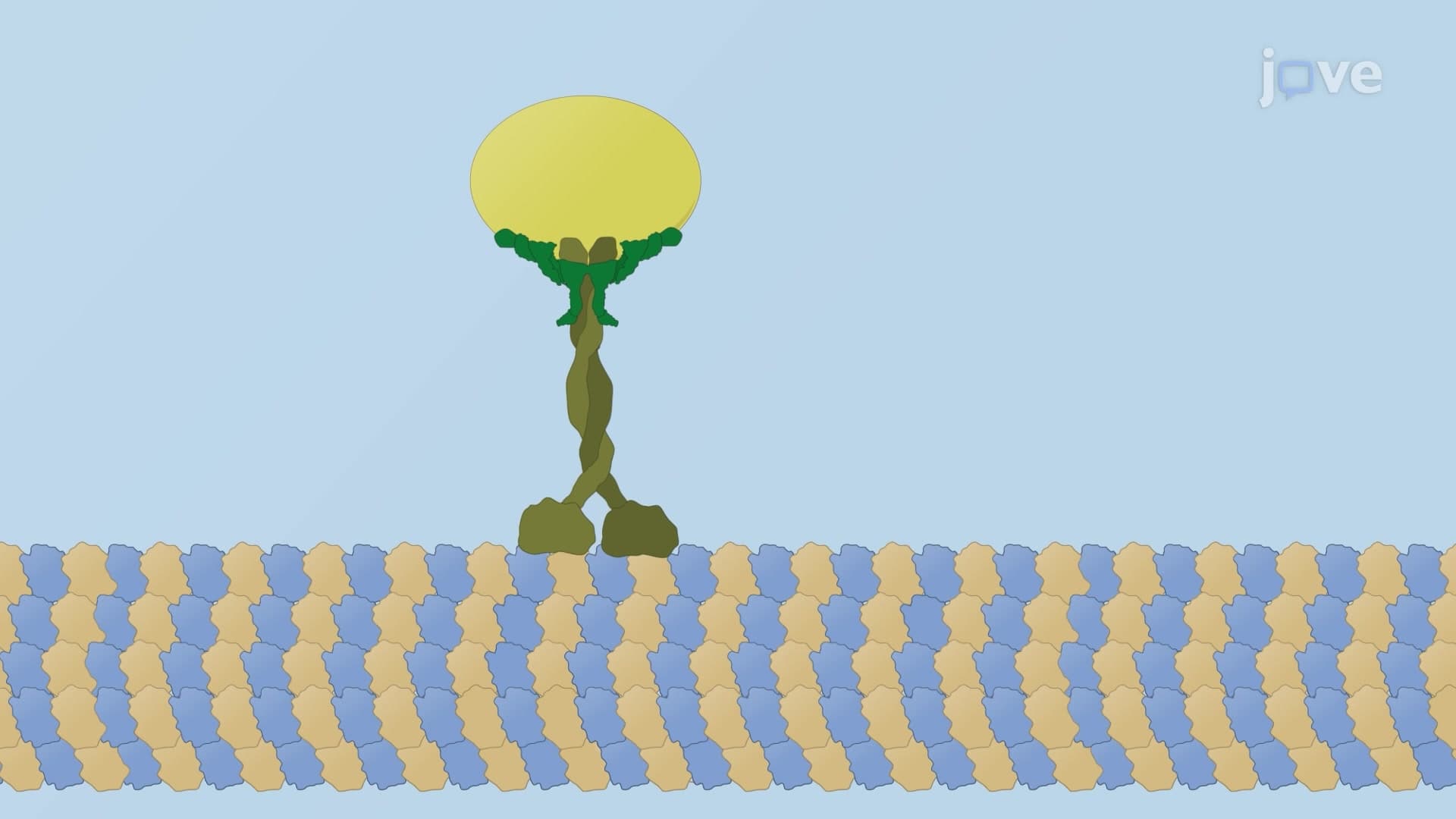

Video Summary: What are Microtubule Associated Motor Proteins
Ever wonder how your nerve cells transport materials from your brain all the way to your fingertips? Microtubule associated motor proteins are the cellular "delivery trucks" that make this incredible journey possible, moving essential cargo throughout eukaryotic cells with remarkable precision. These specialized proteins work like miniature transportation systems in conditions ranging from Alzheimer's disease research at Johns Hopkins to cancer treatment studies at MD Anderson. Watch the full video on JoVE Coach to master this concept with expert-led visuals and step-by-step explanations.
What are microtubule associated motor proteins? These remarkable molecular machines represent one of biology's most sophisticated transport systems, functioning as the primary cargo carriers within eukaryotic cells. Unlike simple diffusion, these proteins provide directed, energy-dependent movement that's essential for cellular organization and survival.
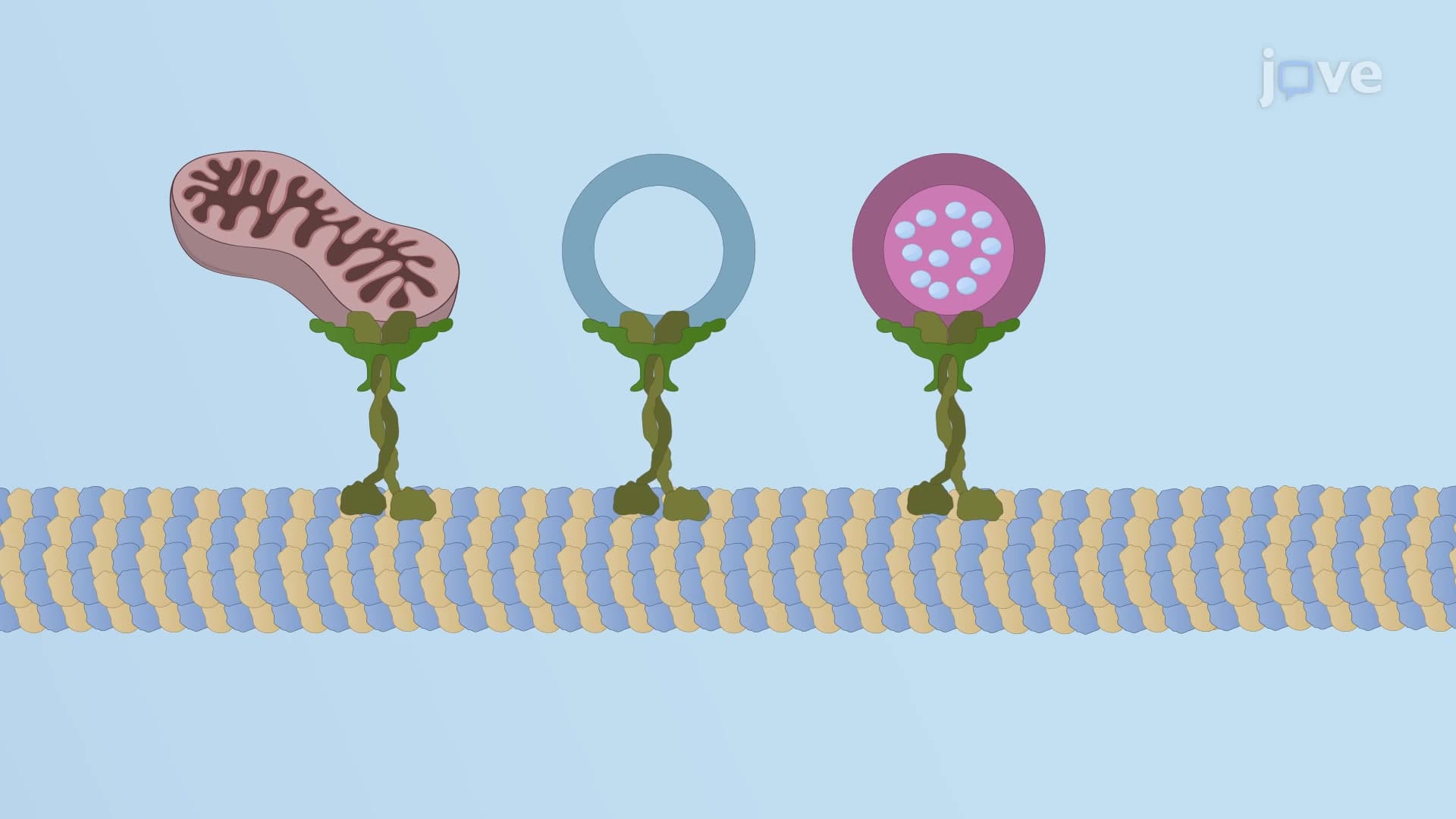
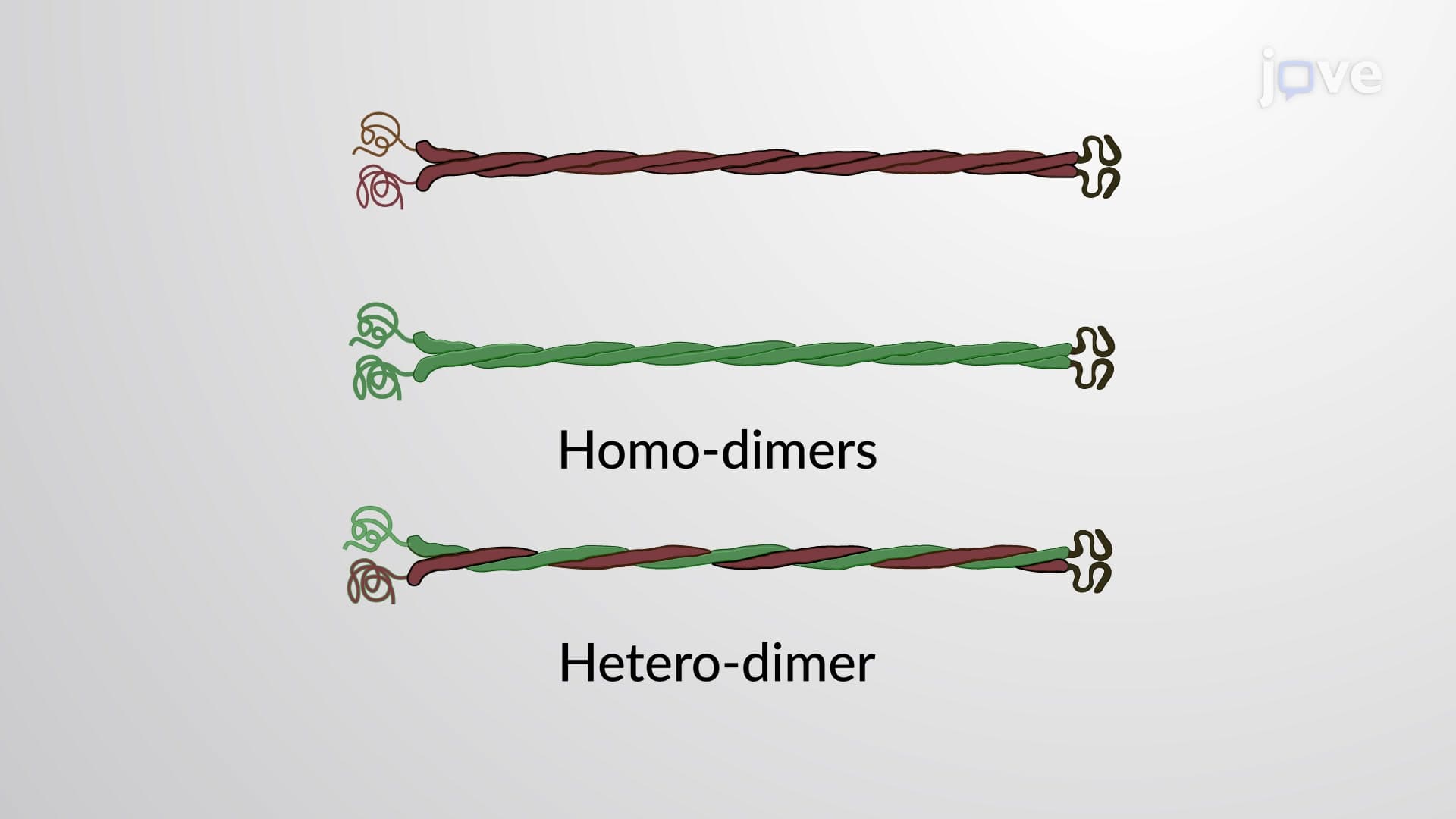
Kinesins represent the cellular equivalent of outbound delivery trucks, consistently transporting materials from the cell center toward the periphery. Their unique structural design features globular ATP-hydrolyzing heads connected to rod-like stalks, which terminate in fan-shaped cargo receptors. This architecture enables their signature "hand-over-hand" walking mechanism along microtubule tracks.
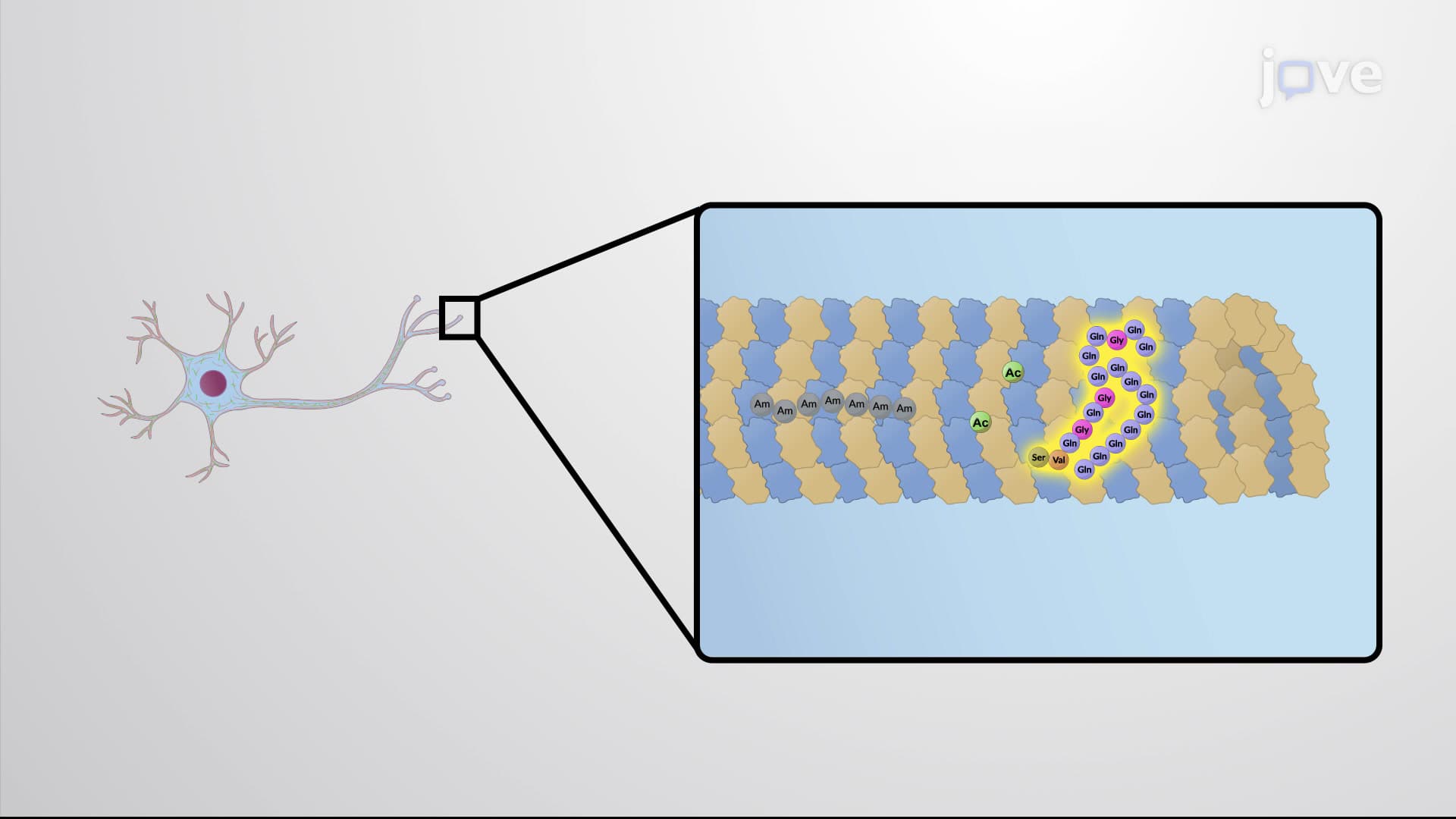
The energy requirements for kinesin function become particularly relevant in high-energy cells like neurons. Research conducted at institutions such as Harvard Medical School demonstrates how kinesin defects contribute to neurodegenerative conditions, making this topic crucial for pre-med students preparing for the MCAT or students in AP Biology courses studying cellular transport mechanisms.
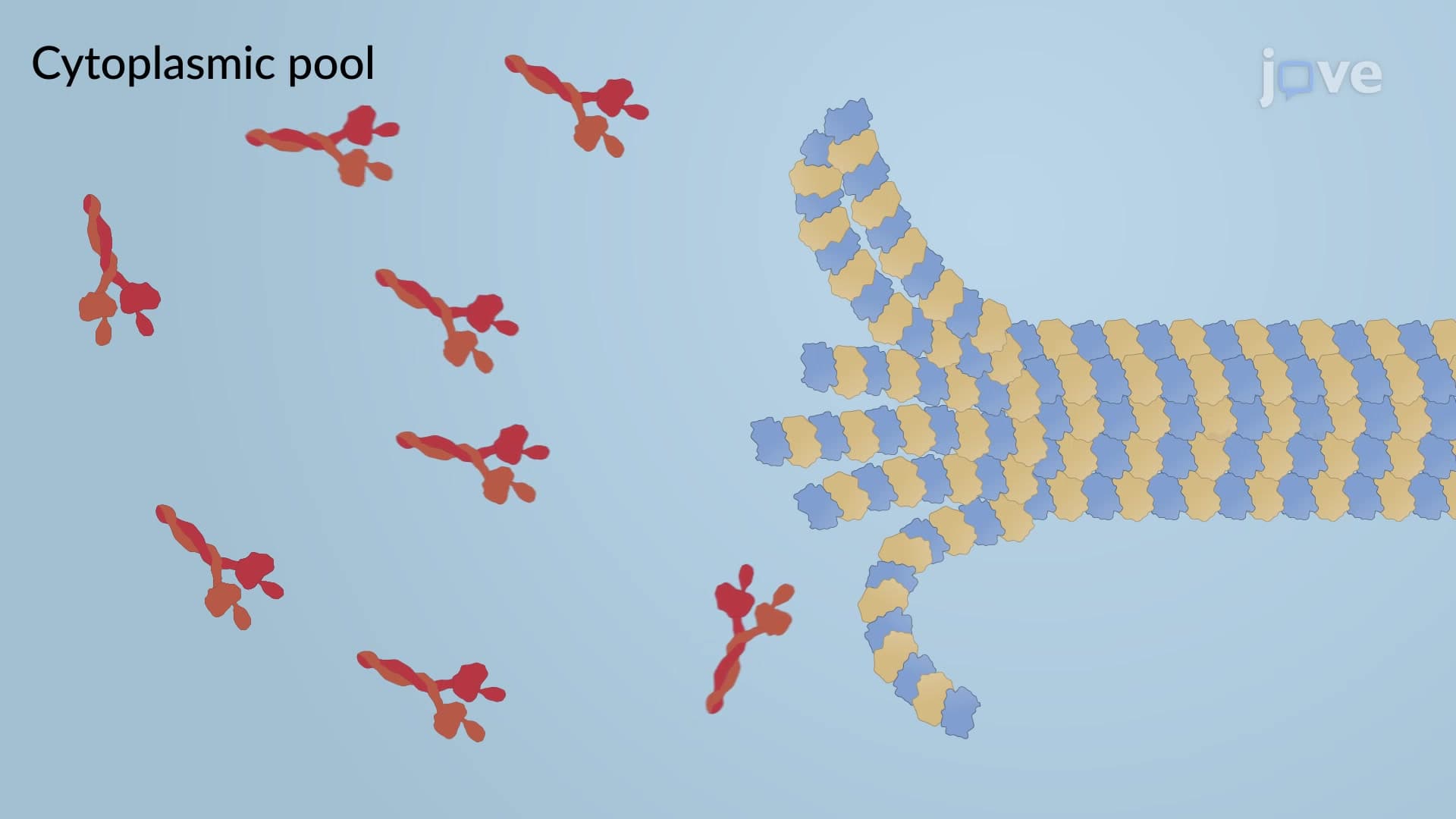
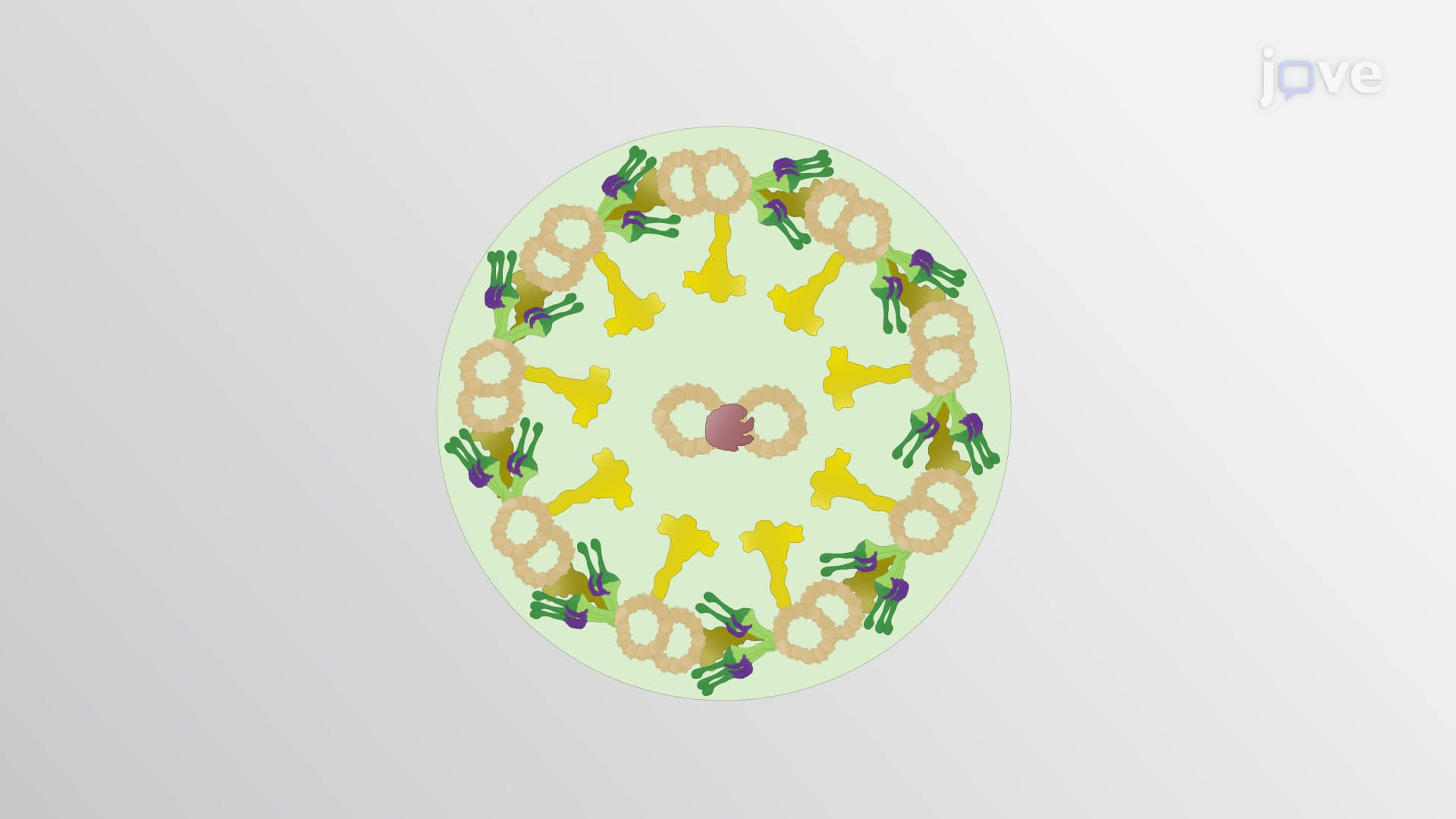
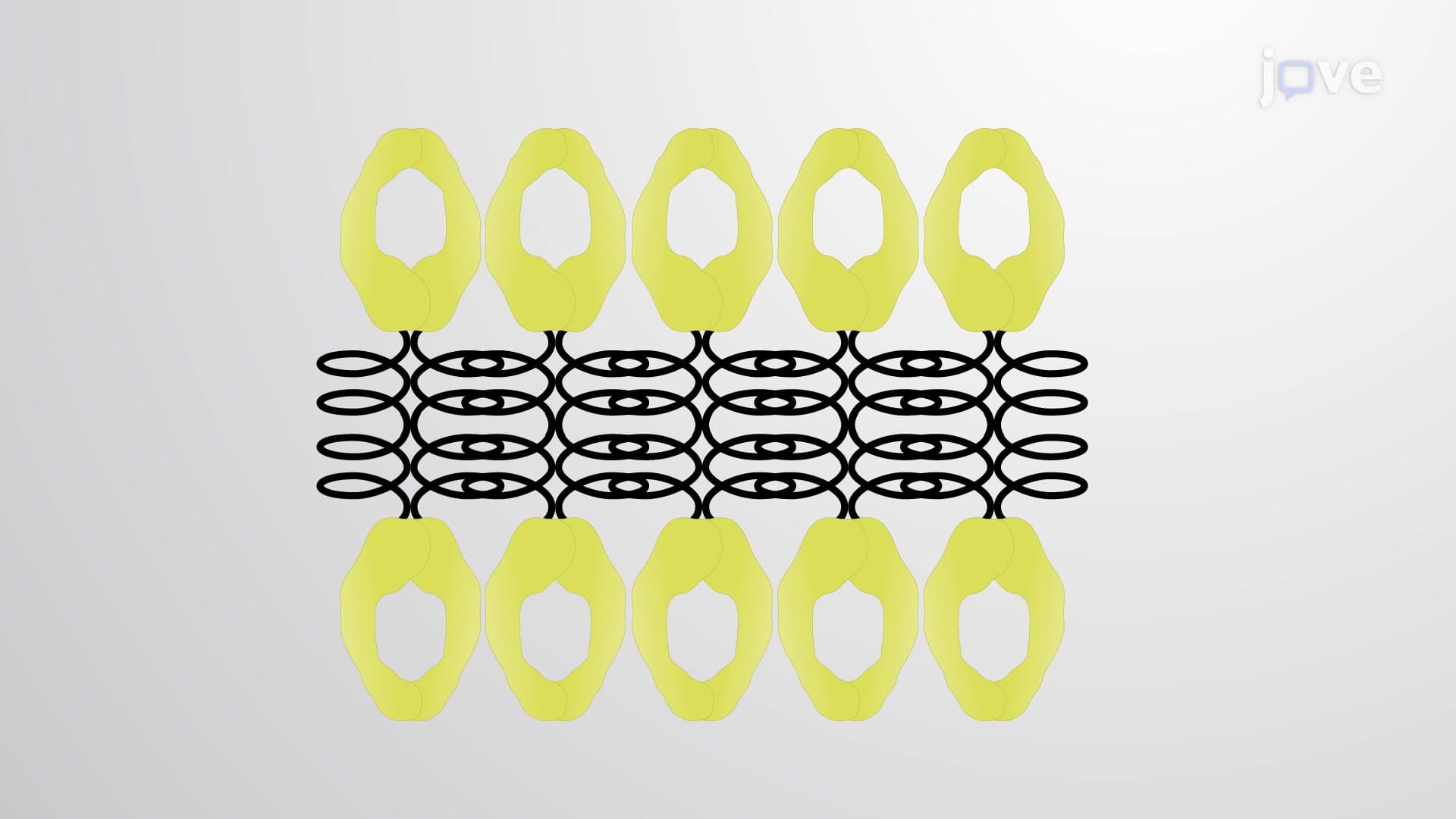
Cytoplasmic dyneins operate as the cellular "return shipping" system, moving materials toward the microtubule minus-end near the cell center. These complex motors consist of heavy chains containing both globular heads for energy generation and stalks for microtubule binding. The sophistication increases through associations with large accessory proteins like dynactin, which enhance cargo recognition and binding specificity.
Understanding these motor proteins proves essential for students pursuing healthcare careers. Medical schools including Stanford and UCLA emphasize motor protein dysfunction in courses covering neurological disorders. For instance, mutations affecting dynein function contribute to conditions like lissencephaly, while kinesin defects link to certain forms of spastic paraplegia.
Students preparing for standardized exams should focus on the directional differences: kinesins move plus-end-directed (outward), while dyneins move minus-end-directed (inward). This concept frequently appears on college biology exams and forms foundational knowledge for advanced cell biology courses.
Related Micro-courses