Loading subject page…


78,050 views

Video Summary: What are Septins
Did you know that your cells contain a "fourth cytoskeleton" that scientists only recently discovered? Septins are specialized proteins that form unique ring and cage-like structures, acting like molecular scaffolding during cell division. These remarkable proteins help compartmentalize cell membranes and coordinate with other cytoskeletal components, playing crucial roles in processes studied at institutions like Johns Hopkins University. Watch the full video on JoVE Coach to master this concept with expert-led visuals and step-by-step explanations.
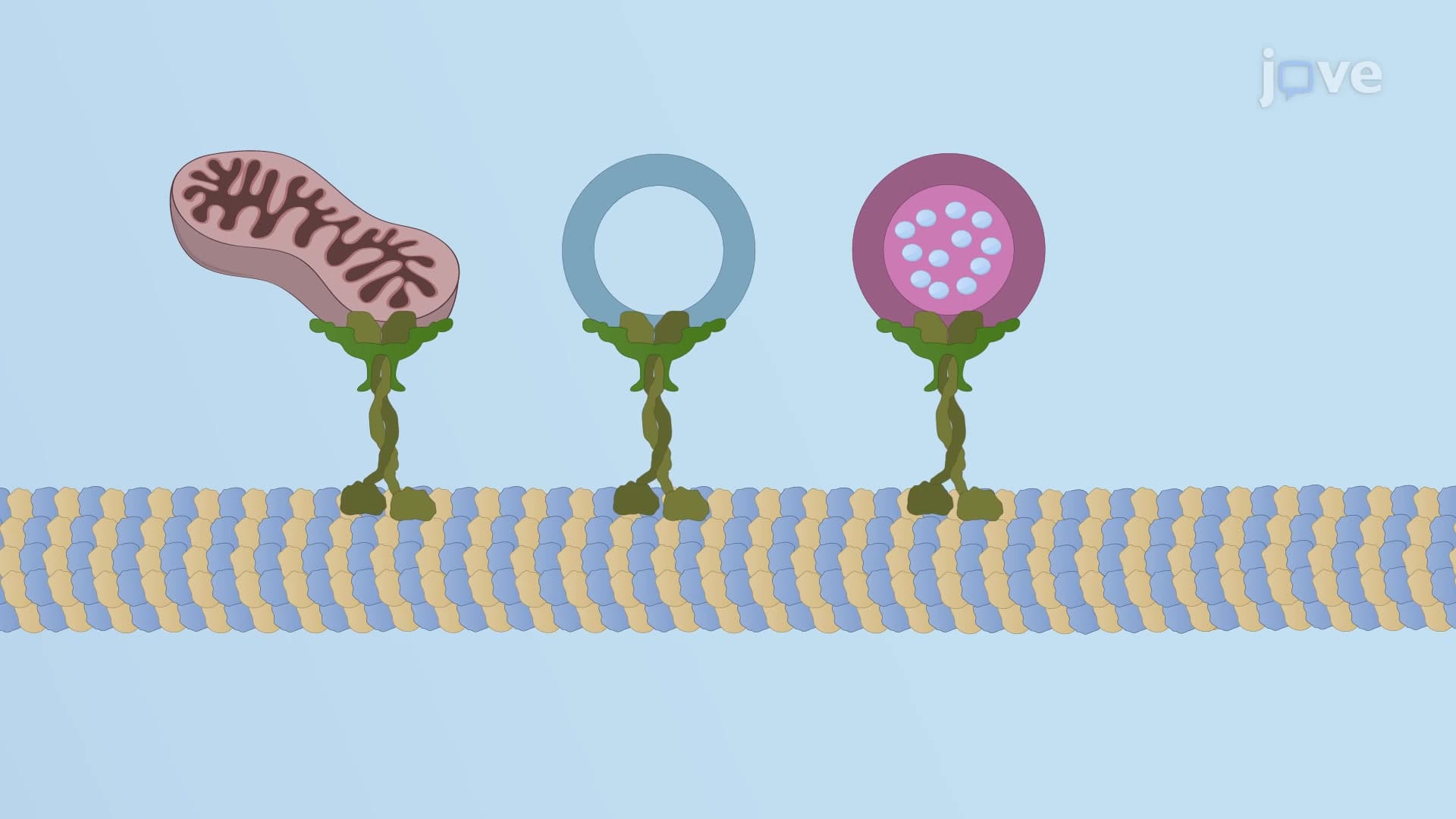
Septins represent a fascinating class of cytoskeletal proteins that have revolutionized our understanding of cellular architecture. Unlike the well-known trio of actin filaments, microtubules, and intermediate filaments, septins form the recently recognized fourth component of the cytoskeleton. These proteins demonstrate remarkable versatility by self-assembling into diverse structures that serve as molecular organizers within cells.
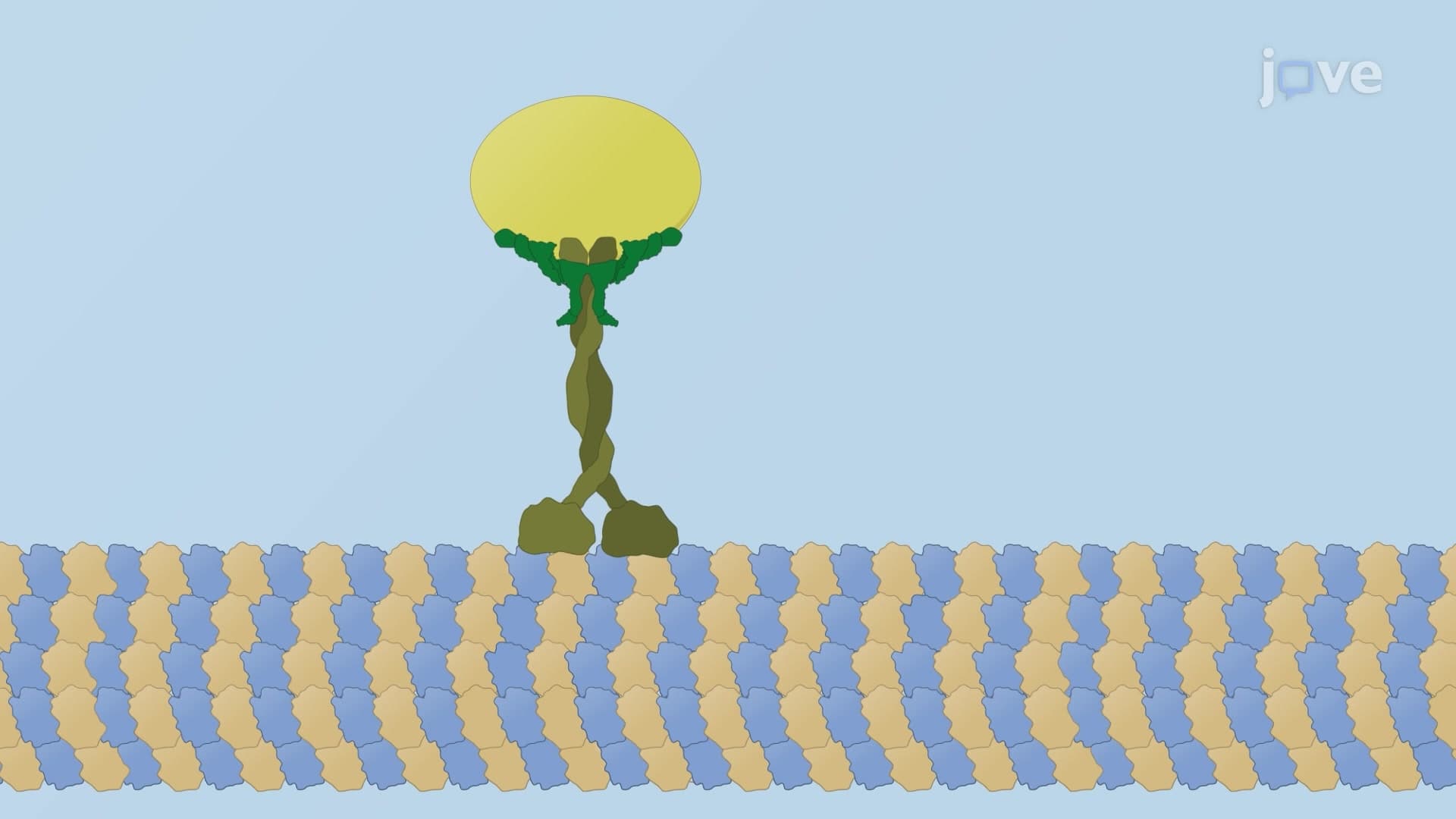
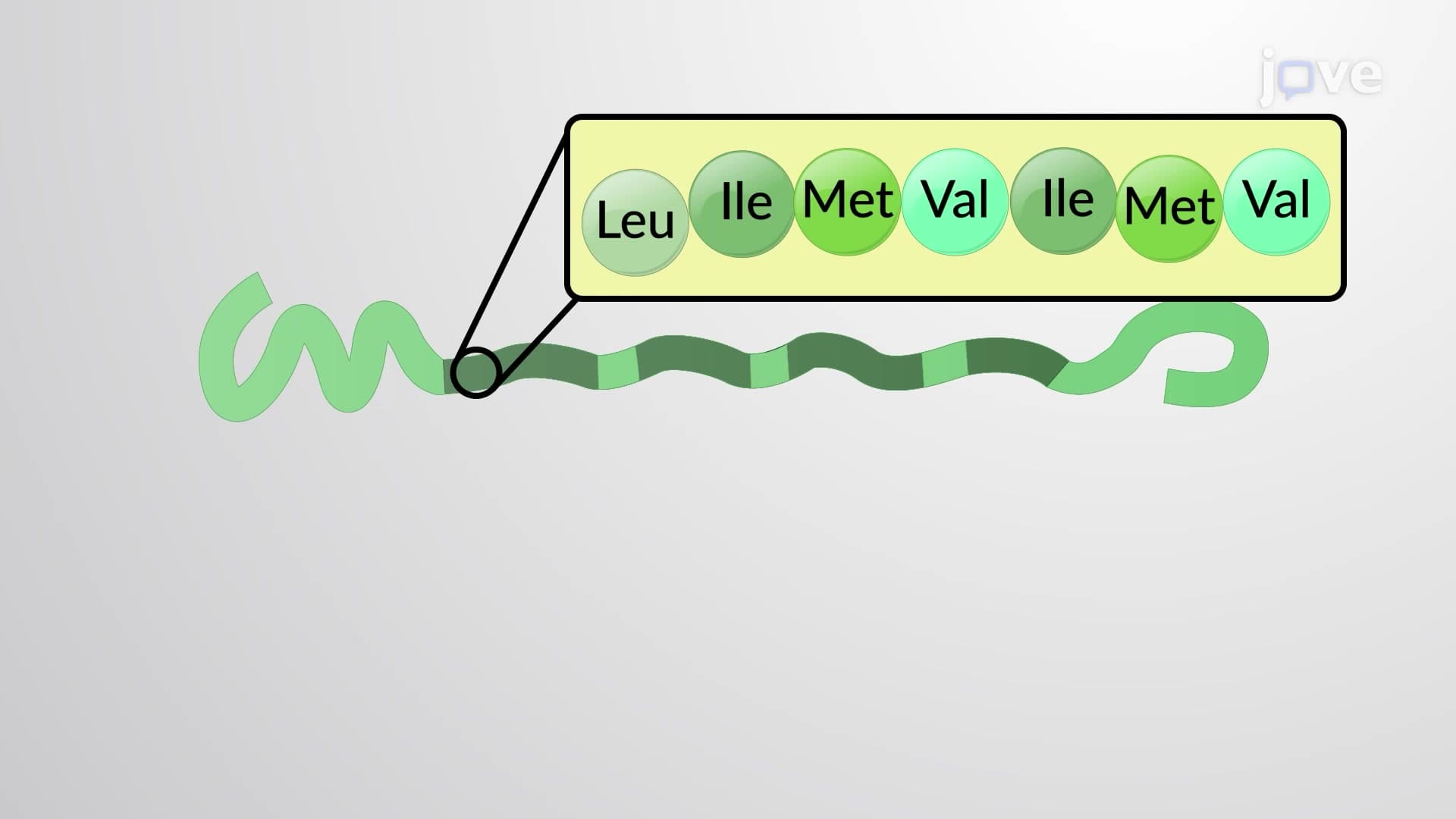
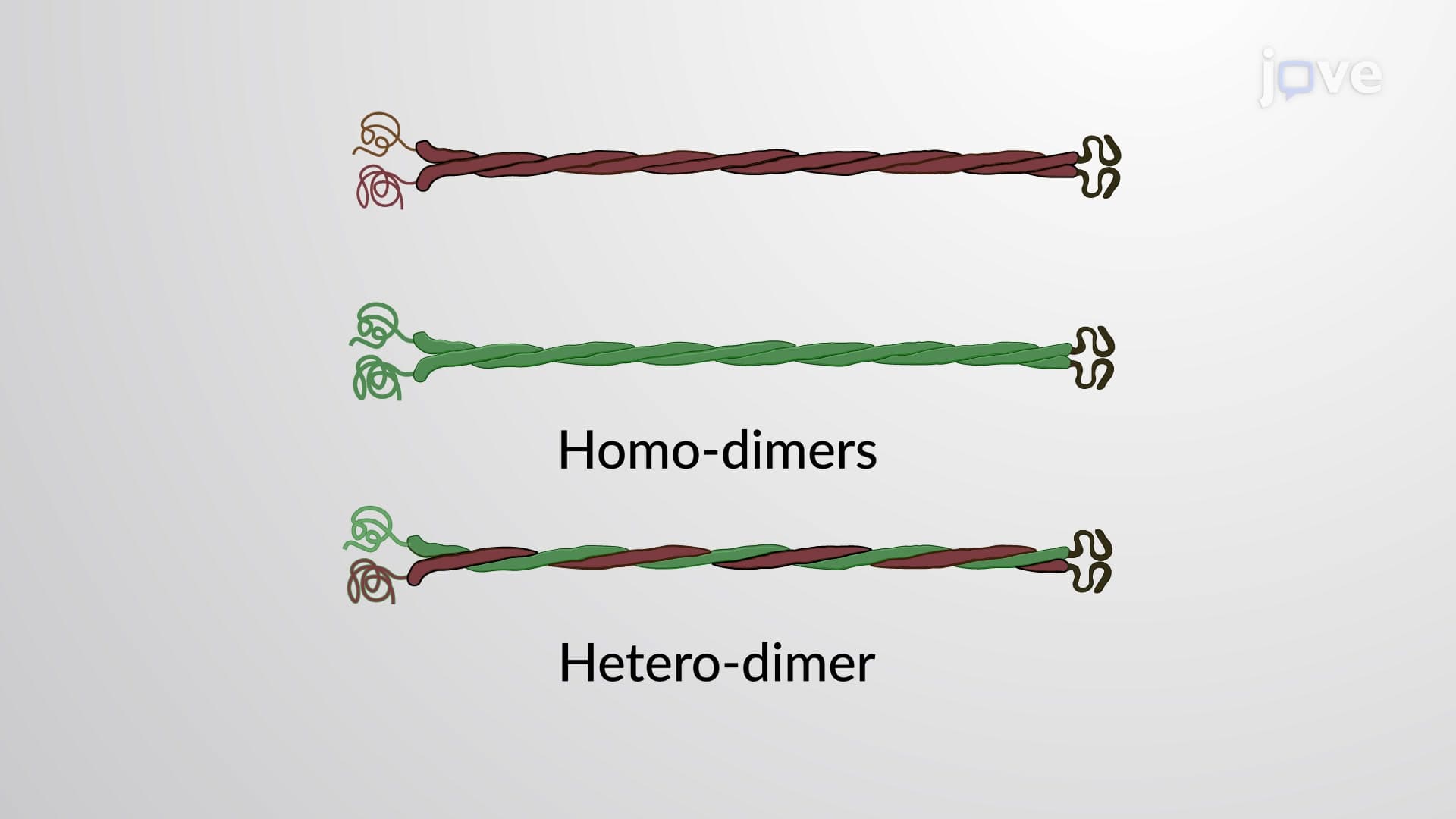
The types of septins are characterized by their unique three-domain architecture. Each septin protein contains a variable N-terminal head region, a highly conserved central GTP-binding domain, and a coiled-coil C-terminal tail. This modular design enables septins to perform multiple functions simultaneously. The N-terminal domain features either a lipid-binding polybasic region or an alpha-helix region that specifically interacts with phosphoinositides-specialized lipid molecules embedded in cell membranes. This interaction is crucial for anchoring septin structures to specific membrane locations.
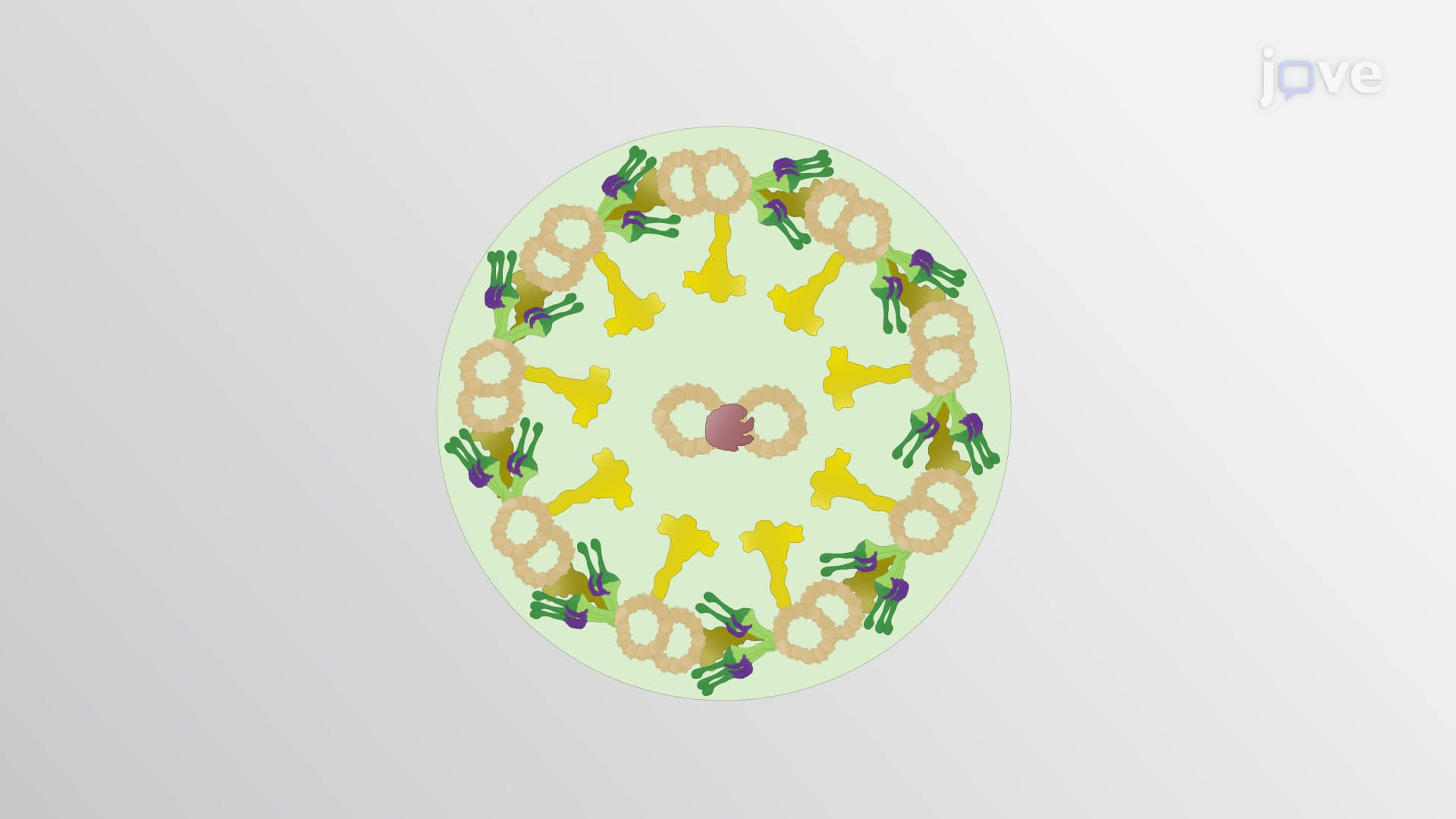
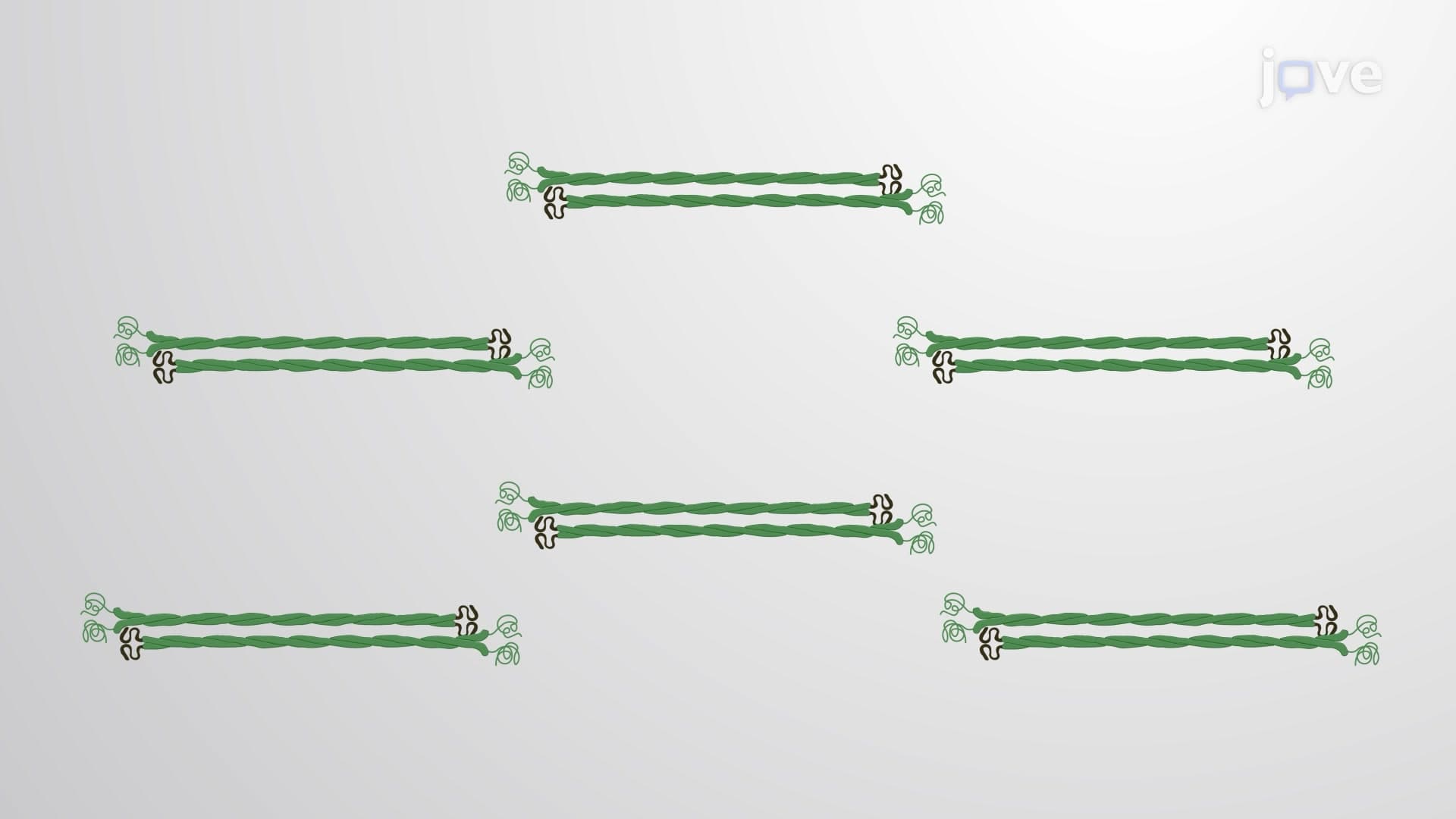
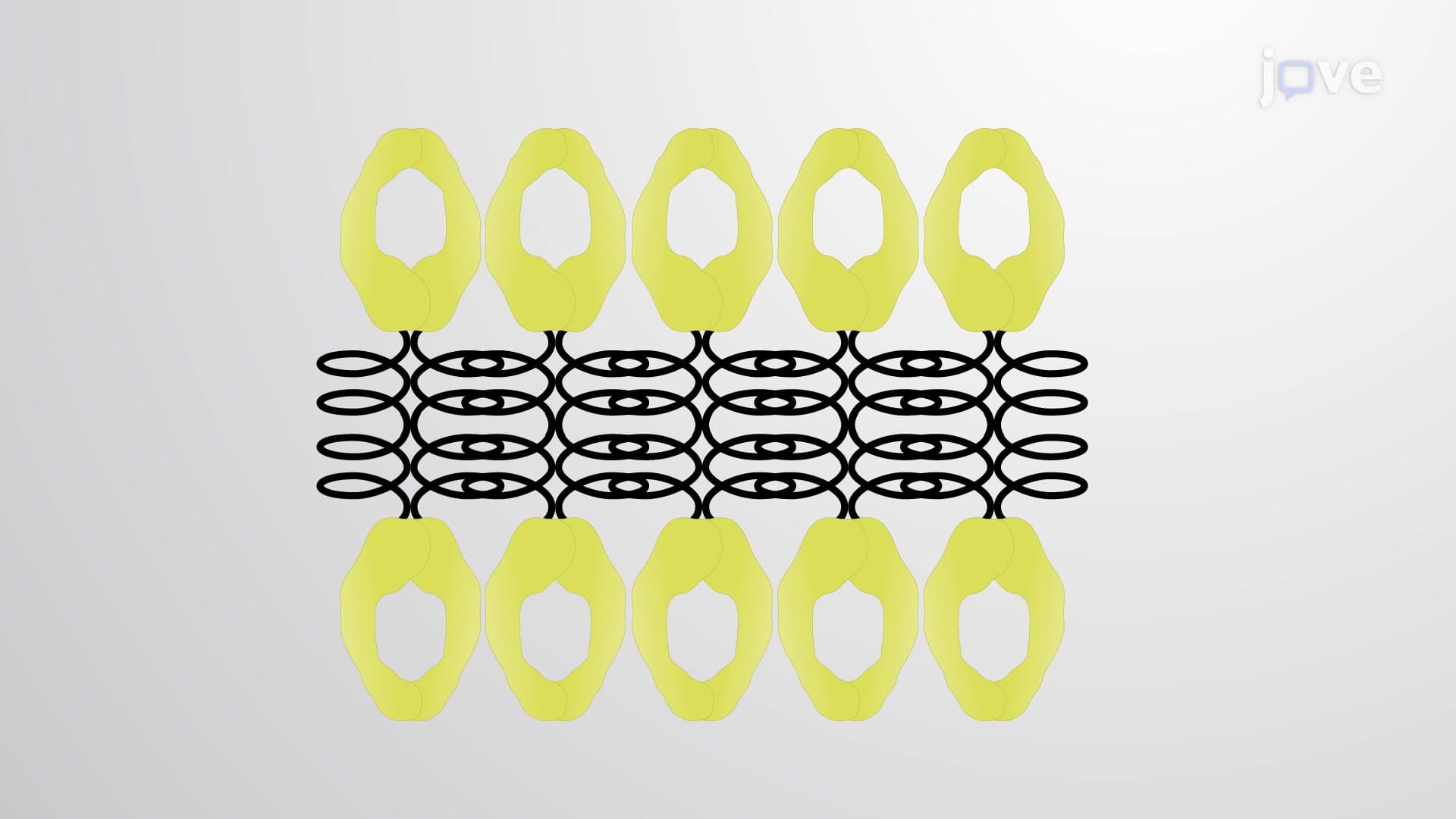
The assembly process of septins involves sophisticated molecular choreography. The central GTP-binding domain serves as the engine for septin organization. When GTP binds to this domain, it triggers rapid hydrolysis, leading to the formation of septin dimers. These GDP-bound dimers then polymerize into linear filaments, creating the basic building blocks of more complex septin structures. The C-terminal coiled-coil tails facilitate higher-order assembly by forming inter-filament bridges, allowing multiple septin filaments to interconnect into elaborate networks.
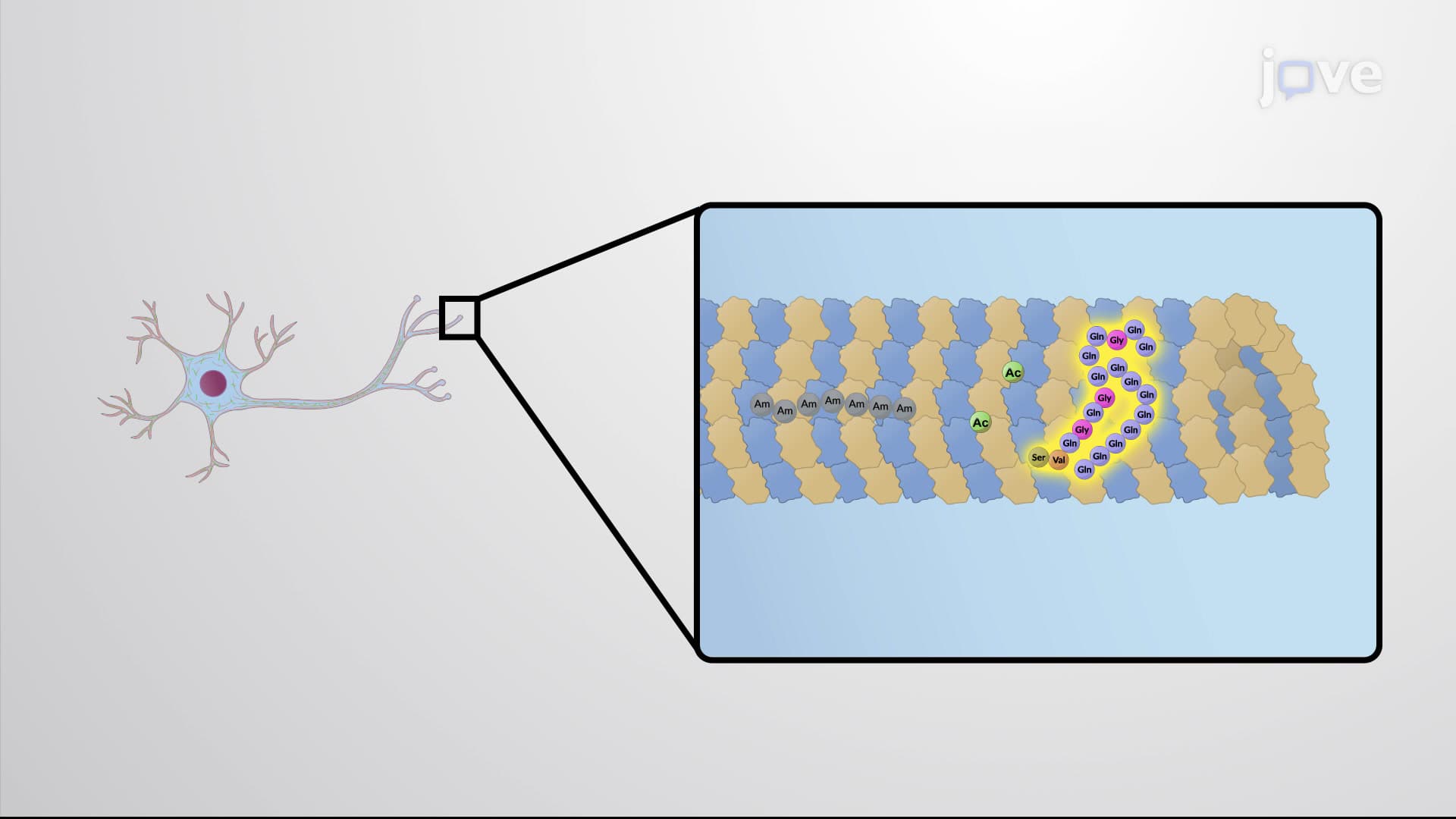
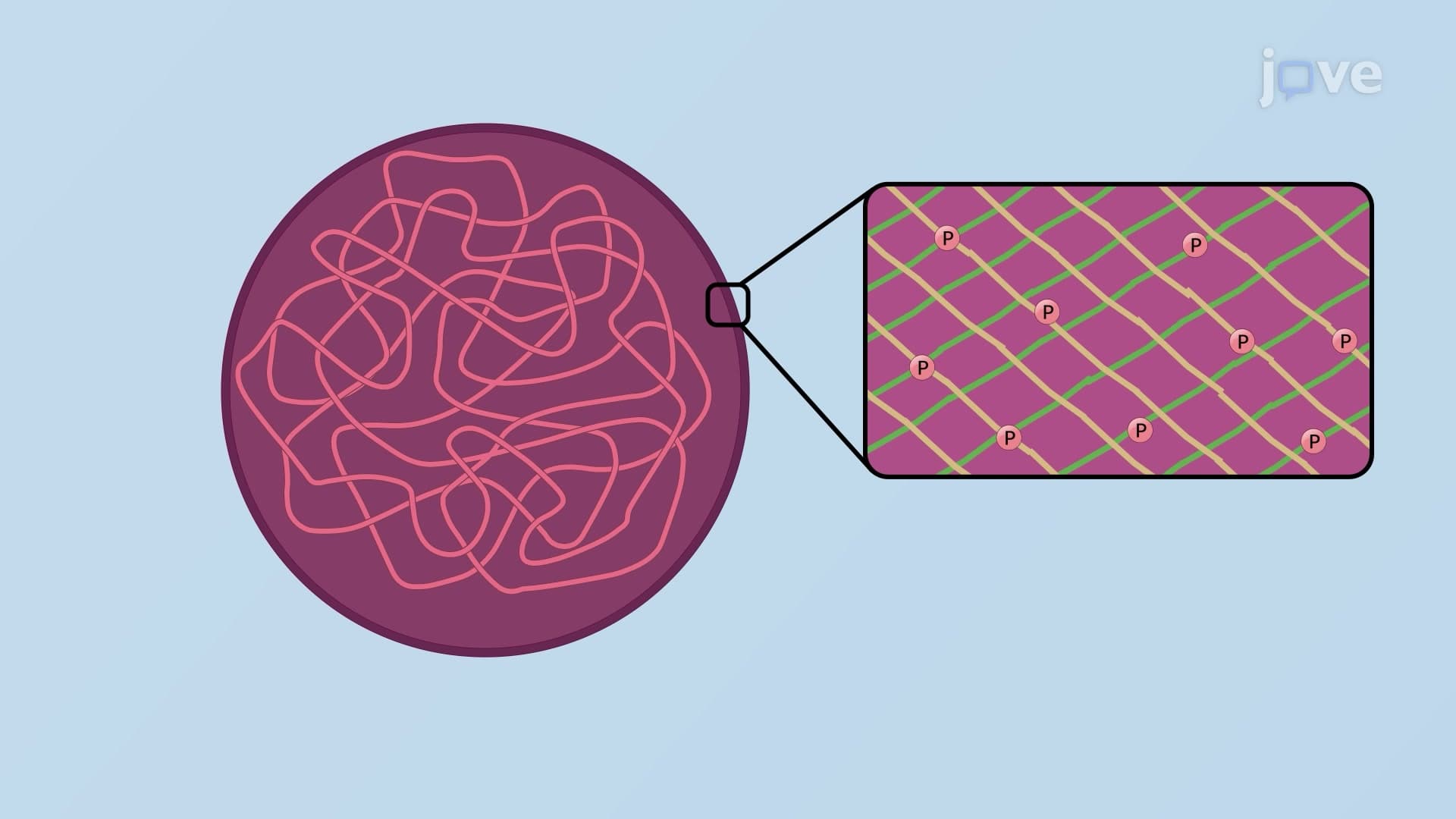
Septins play critical roles in cellular processes that are frequently tested on exams like the MCAT and AP Biology. They create ring-like and cage-like scaffolds that are essential for proper cell division, particularly during cytokinesis. Research at institutions like Harvard Medical School and Stanford University has revealed that septin dysfunction is associated with various diseases, including neurodegenerative disorders and cancer. Understanding septin biology is becoming increasingly important for pre-med students, as these proteins represent potential therapeutic targets in clinical medicine.
Related Micro-courses