Loading video…


 19 Concepts
 78.1K views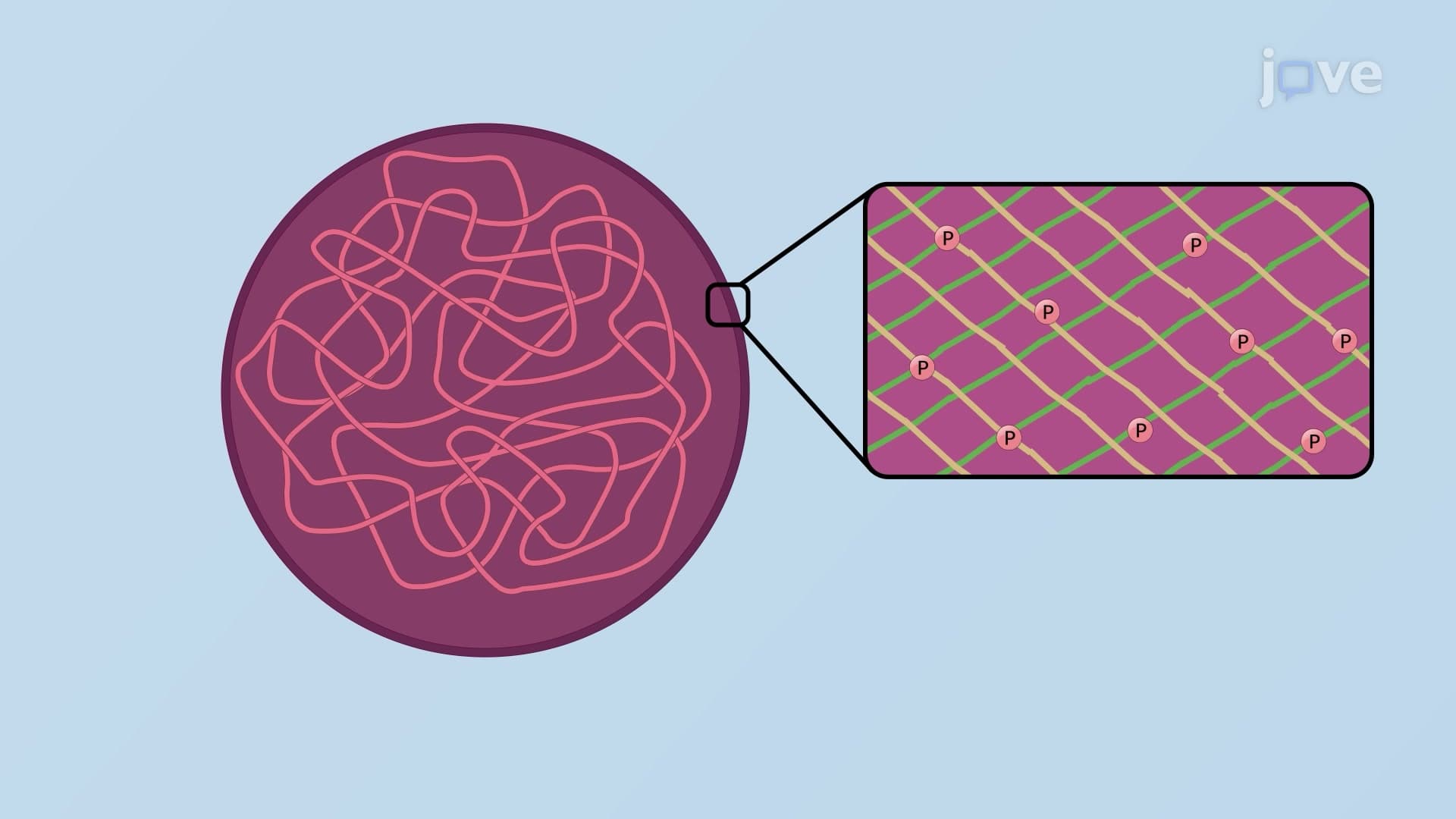

Video Summary: What Is Disassembly of Intermediate Filaments
Ever wonder how your cells reorganize their internal scaffolding during division? The disassembly of intermediate filaments is a precisely controlled process where cells break down their structural proteins through phosphorylation, allowing critical events like nuclear membrane breakdown during mitosis. At Johns Hopkins University, researchers study how cancer cells exploit this process to metastasize throughout the body. Watch the full video on JoVE Coach to master this concept with expert-led visuals and step-by-step explanations.
The disassembly of intermediate filaments represents one of the most sophisticated regulatory mechanisms in cell biology. Unlike microtubules or actin filaments, intermediate filaments form incredibly stable structures that require specific molecular signals to break down. This process is essential for cellular reorganization during mitosis, wound healing, and tissue remodeling.
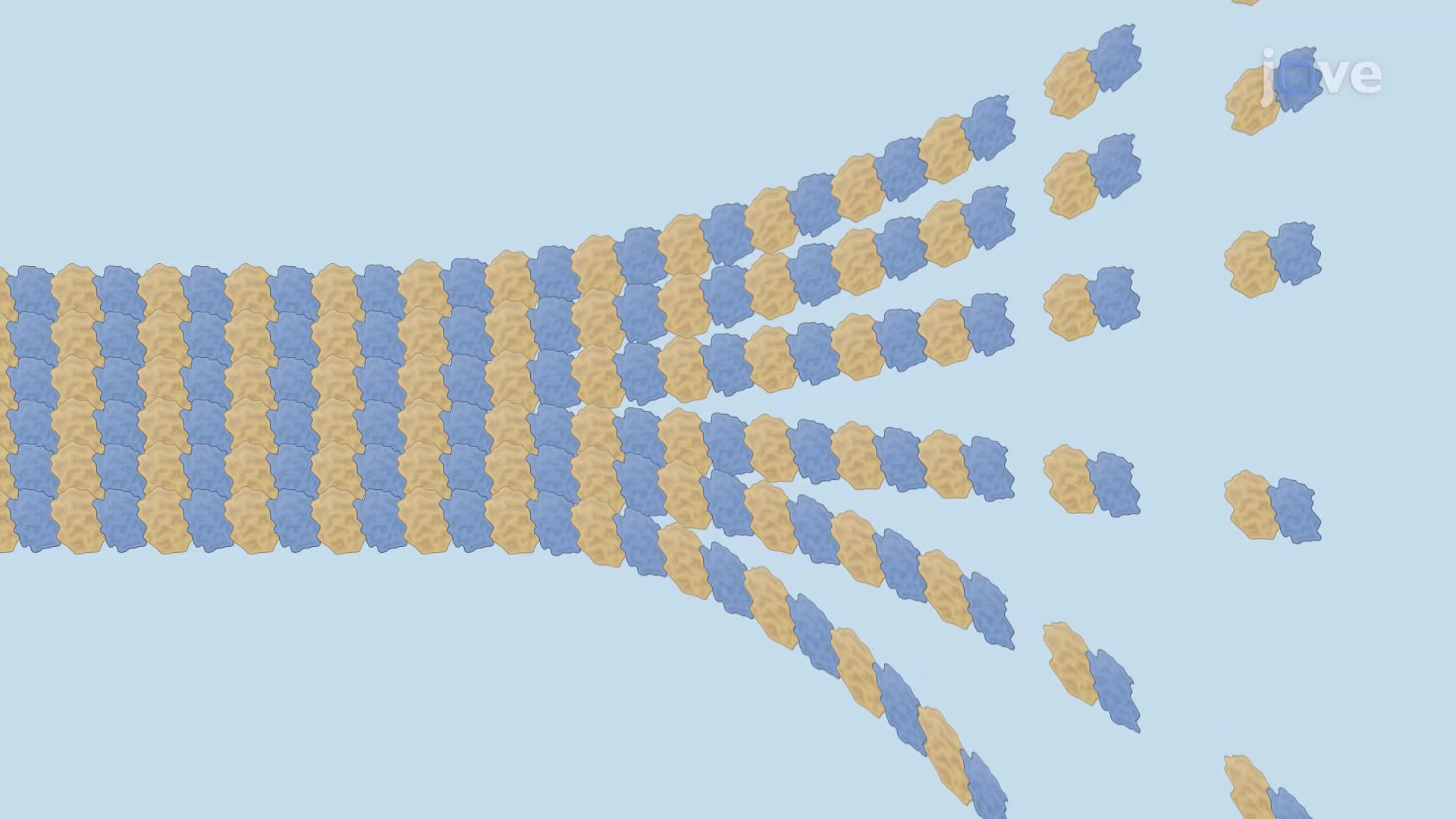
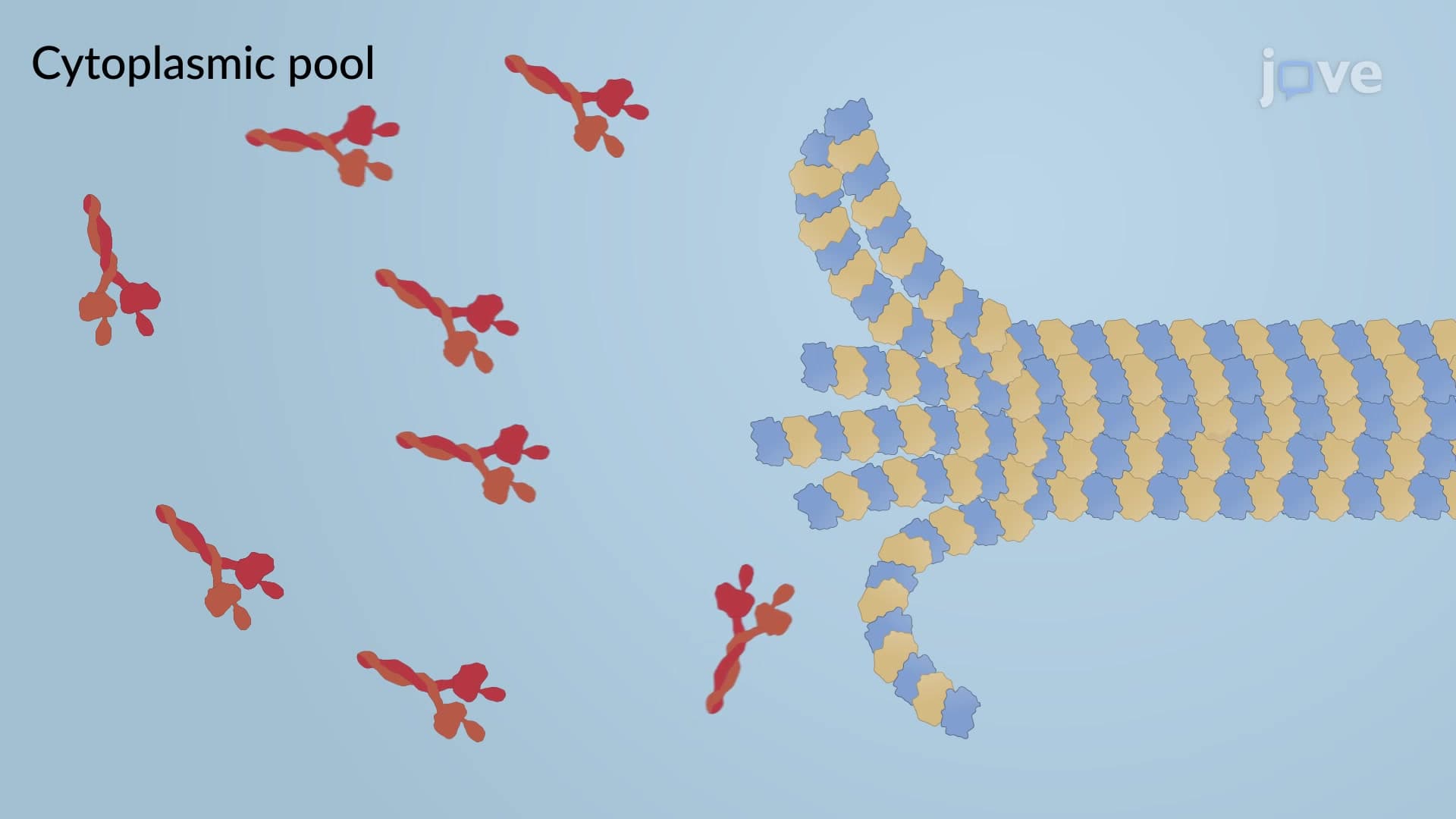
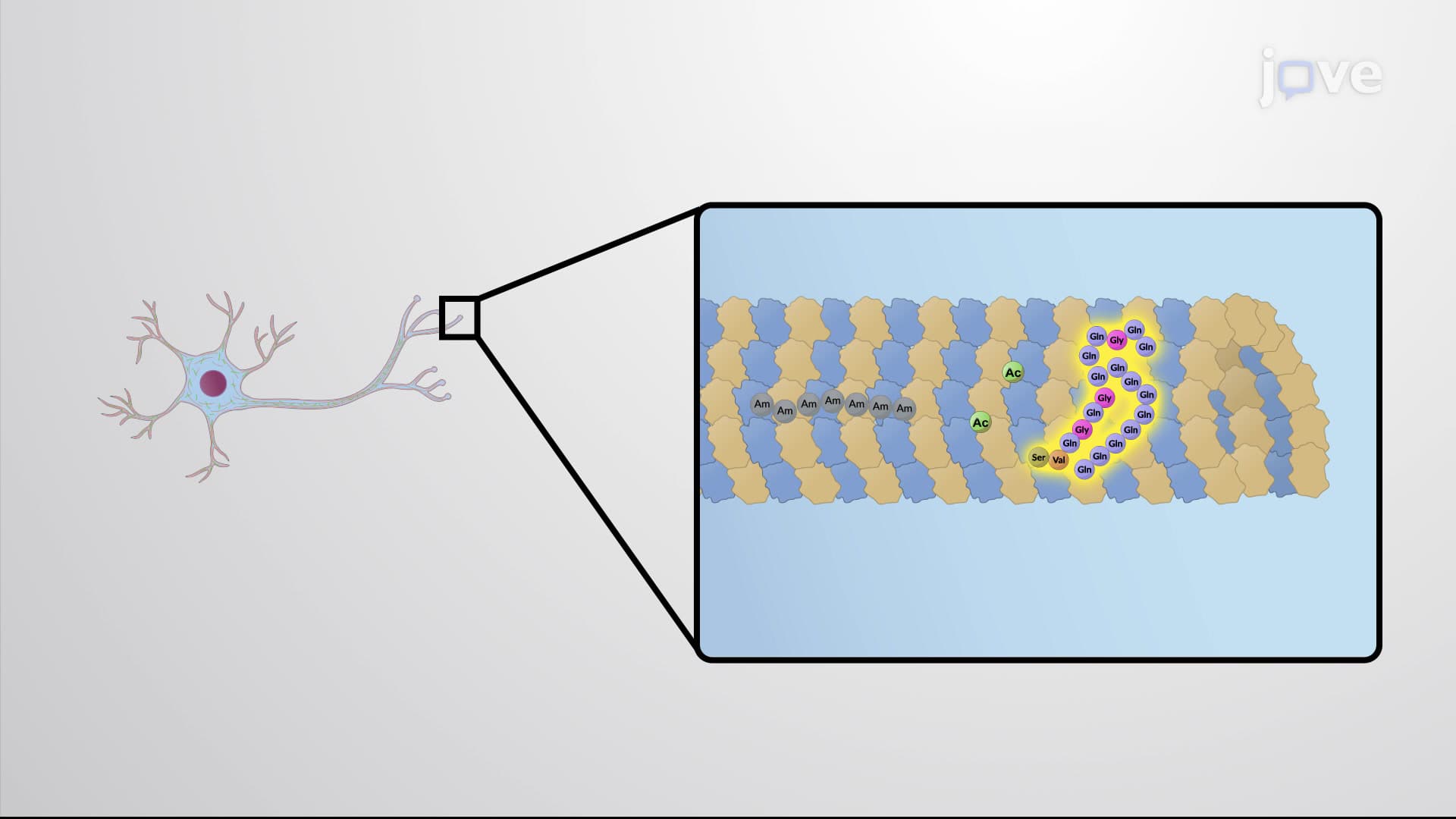
The primary driver of intermediate filament disassembly is site-specific phosphorylation by protein kinases. When kinases add phosphate groups to serine residues in the N-terminal head domain, they fundamentally alter the protein's conformation. This conformational change weakens the protein-protein interactions that hold filaments together, leading to their breakdown. Students preparing for the AP Biology exam should note that this represents a classic example of post-translational modification affecting protein function.
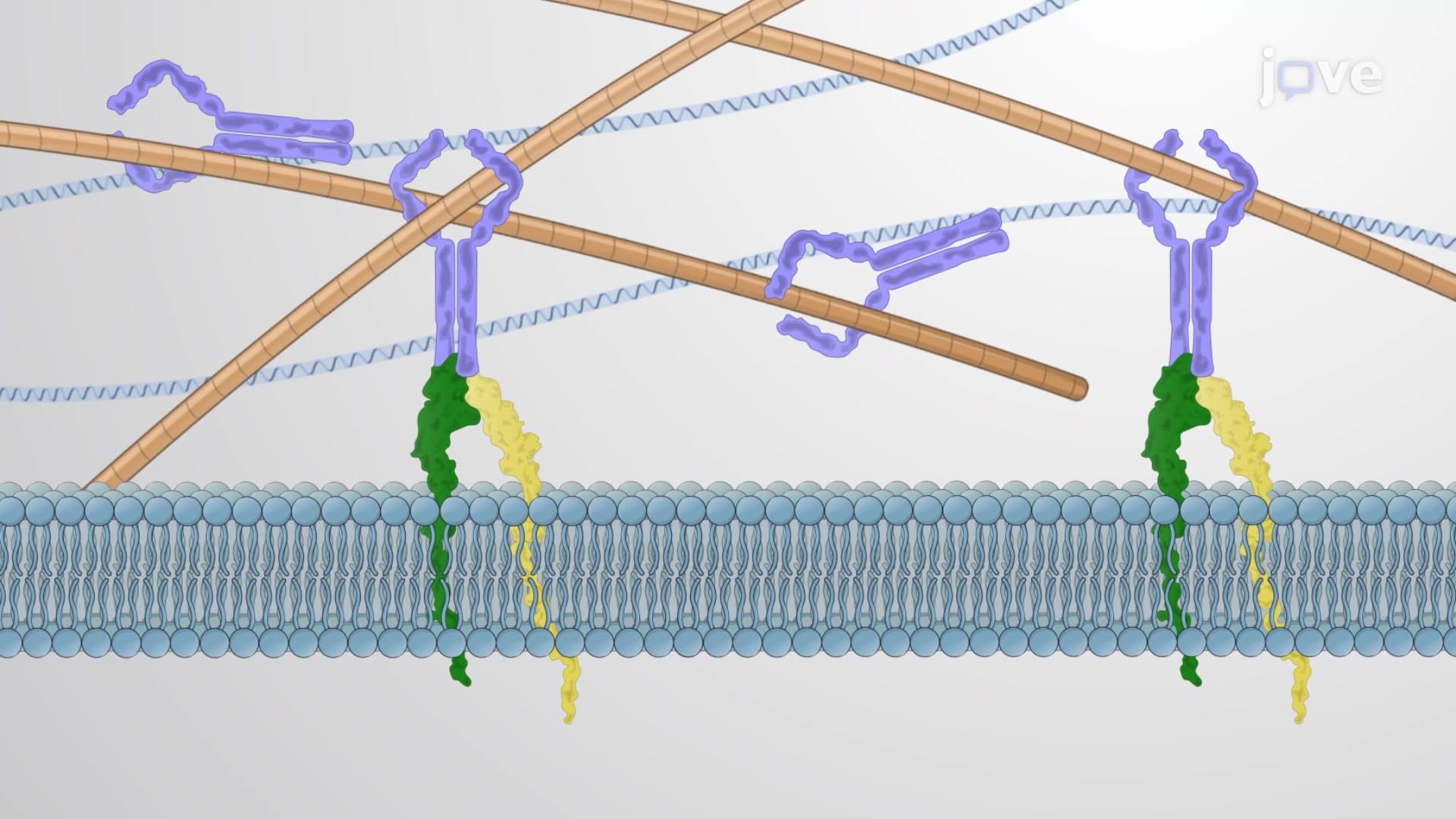
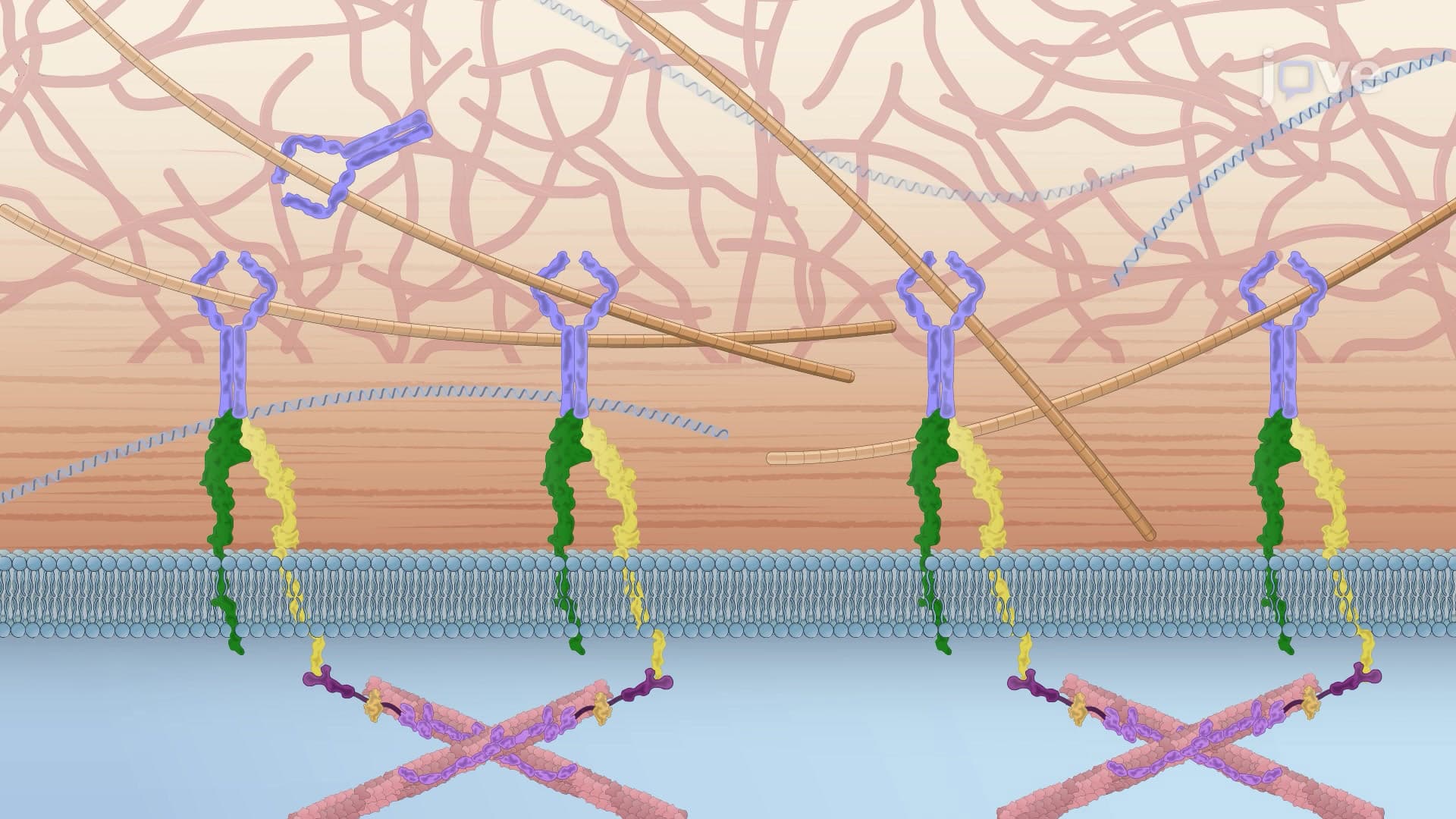
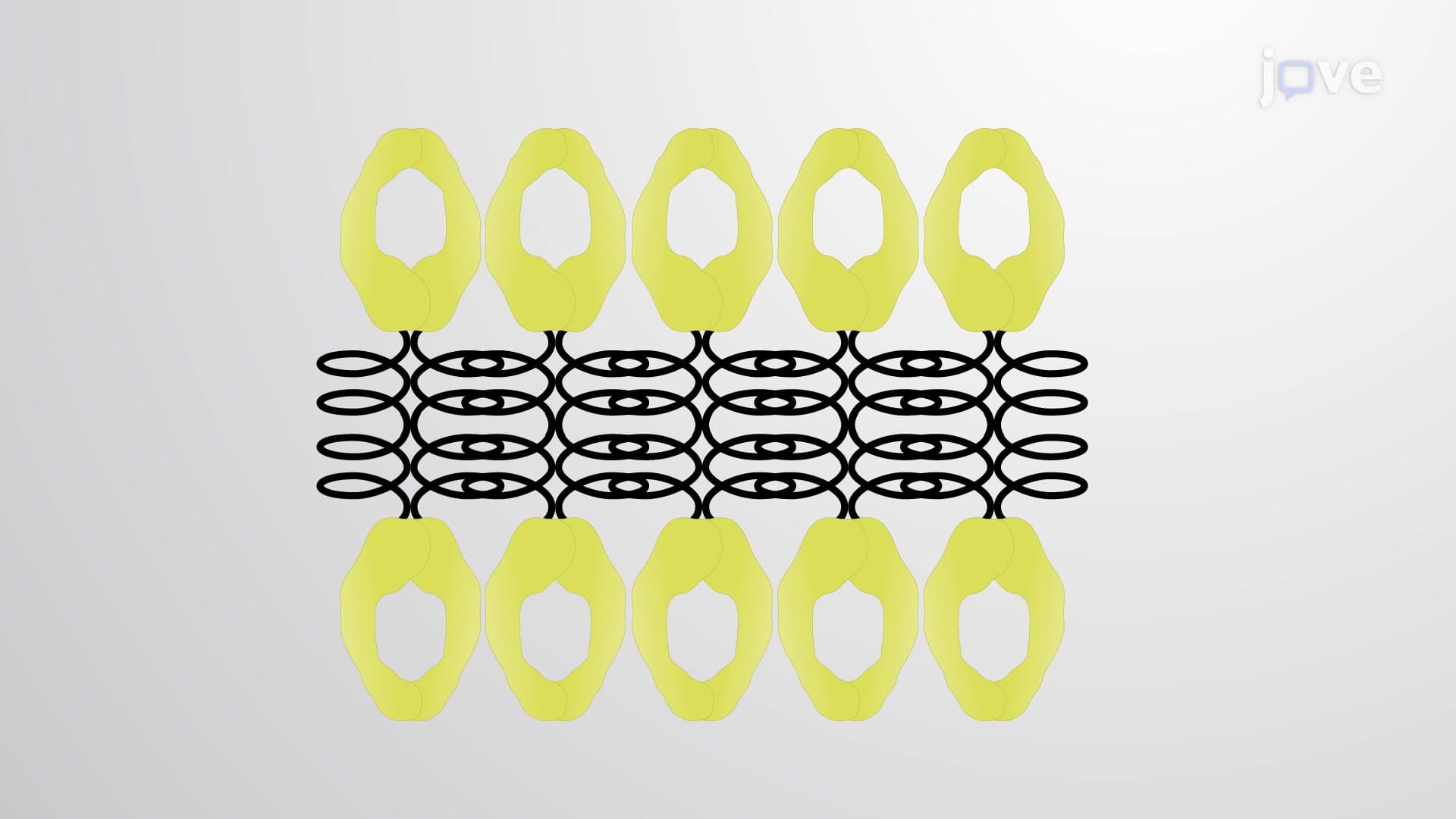
A particularly elegant aspect of this system involves kinase cross-activation within the dense cytoskeletal network. When intermediate filaments are tightly packed, kinases positioned on adjacent filaments can activate each other, creating a positive feedback loop. This amplification mechanism ensures rapid and coordinated disassembly when needed. Medical students studying for the MCAT will recognize this as an example of cooperative binding and allosteric regulation.
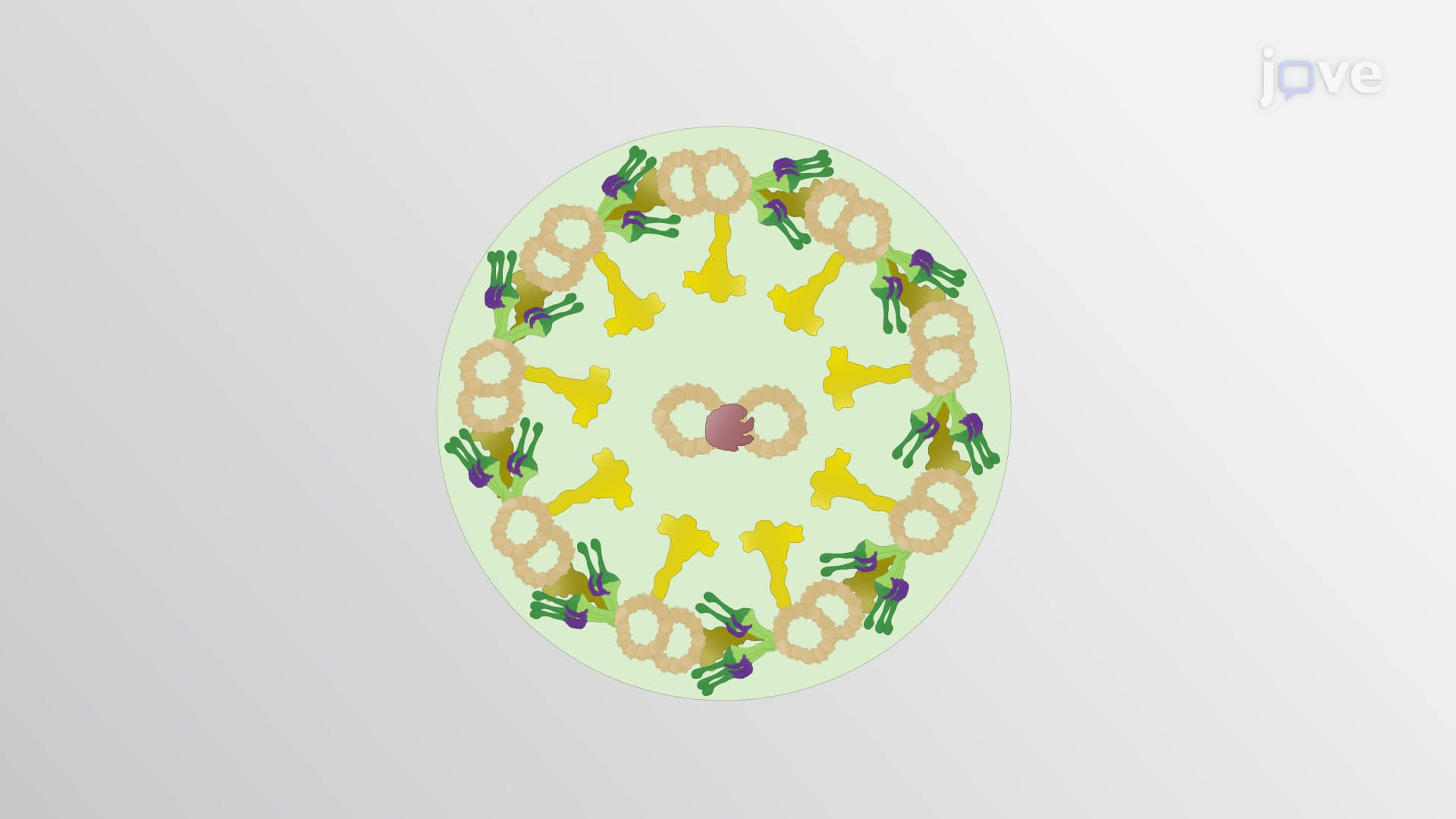
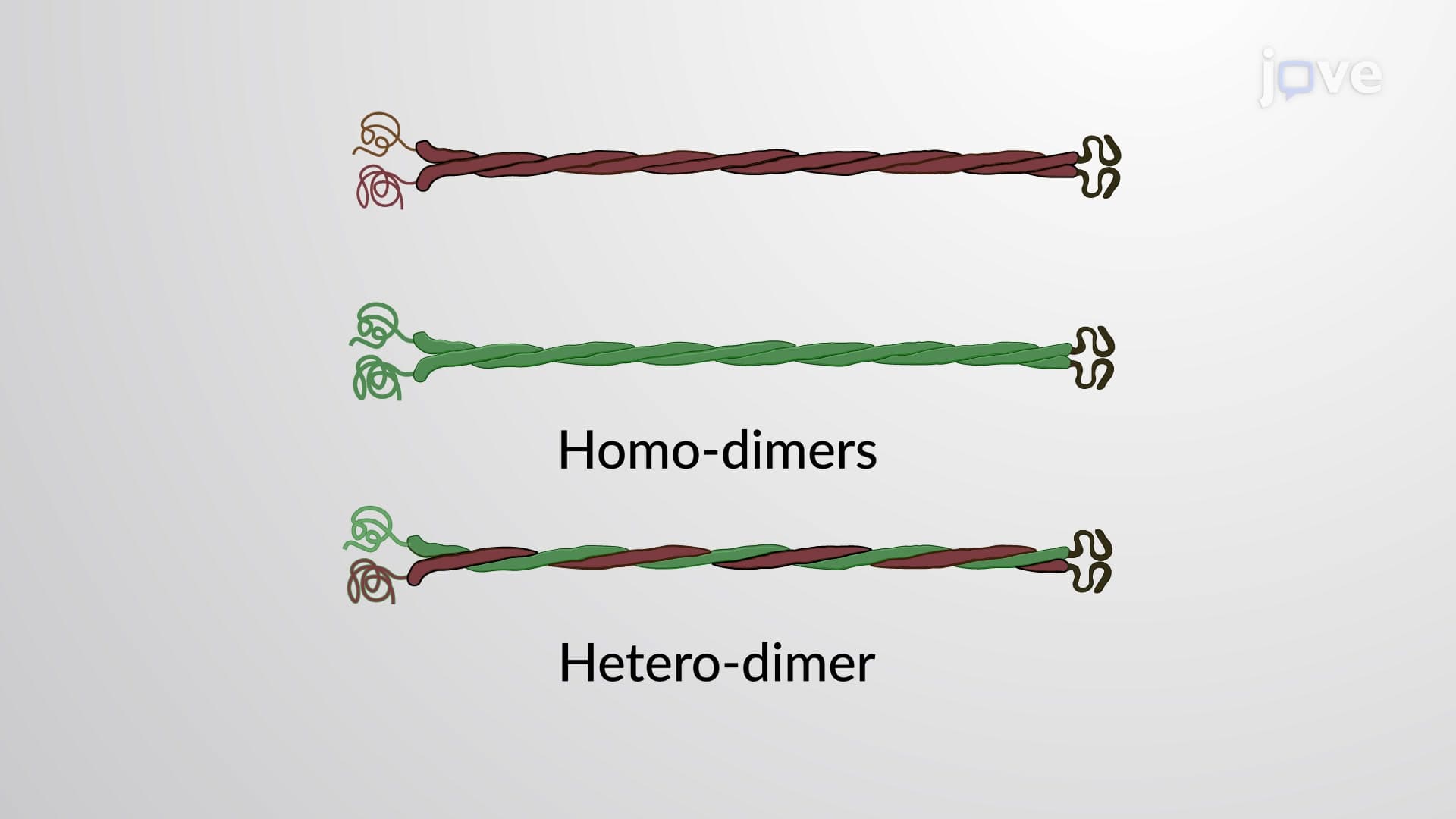
During mitosis, two specific types of intermediate filaments play crucial roles: vimentin and nuclear lamins. Vimentin filaments in the cytoplasm undergo phosphorylation at their N-terminal domains, while nuclear lamins are phosphorylated on both sides of their central rod domain. This coordinated disassembly is essential for nuclear envelope breakdown, allowing chromosome segregation. Research at Stanford University has shown that defects in this process contribute to various genetic disorders and cancer progression.
The beauty of this system lies in its reversibility. As cells progress through telophase, phosphatases remove the phosphate groups from lamins, allowing nuclear envelope reassembly in daughter cells. The prenyl groups that keep lamin dimers anchored to membrane fragments ensure proper reformation of nuclear architecture.
Related Micro-courses