Loading video…


 19 Concepts
 78.1K views

Video Summary: What Is Mechanism of Ciliary Motion
Ever wonder how sperm cells swim upstream or how your respiratory tract clears mucus? The ciliary motion mechanism powers these vital processes through a sophisticated molecular machine. Consider how patients with primary ciliary dyskinesia-a genetic condition affecting about 1 in 15,000 Americans-experience chronic respiratory infections because their cilia can't beat properly. Understanding what is mechanism of ciliary motion reveals how microscopic protein motors create the whip-like movements essential for cellular transport and motility. Watch the full video on JoVE Coach to master this concept with expert-led visuals and step-by-step explanations.
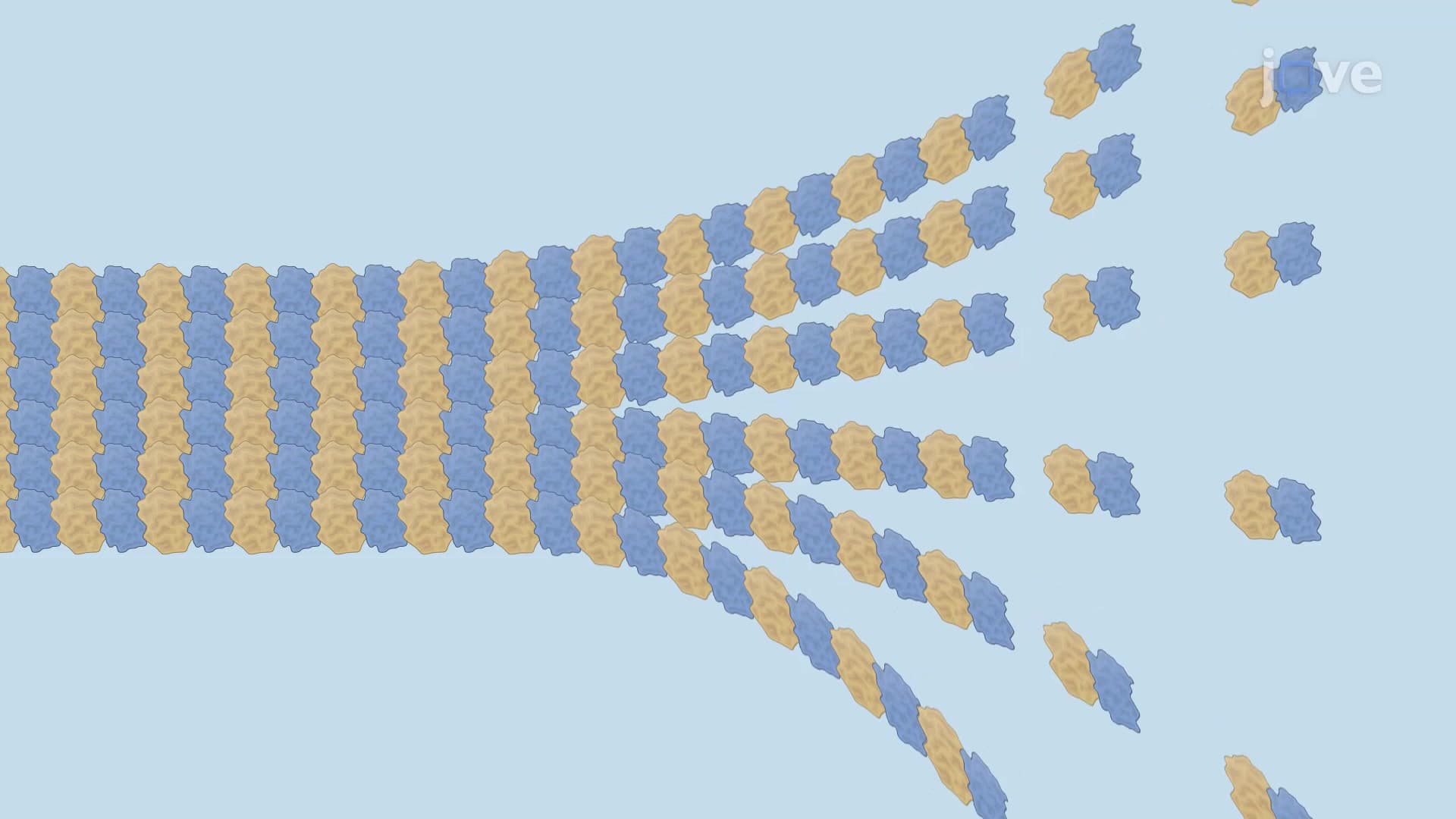
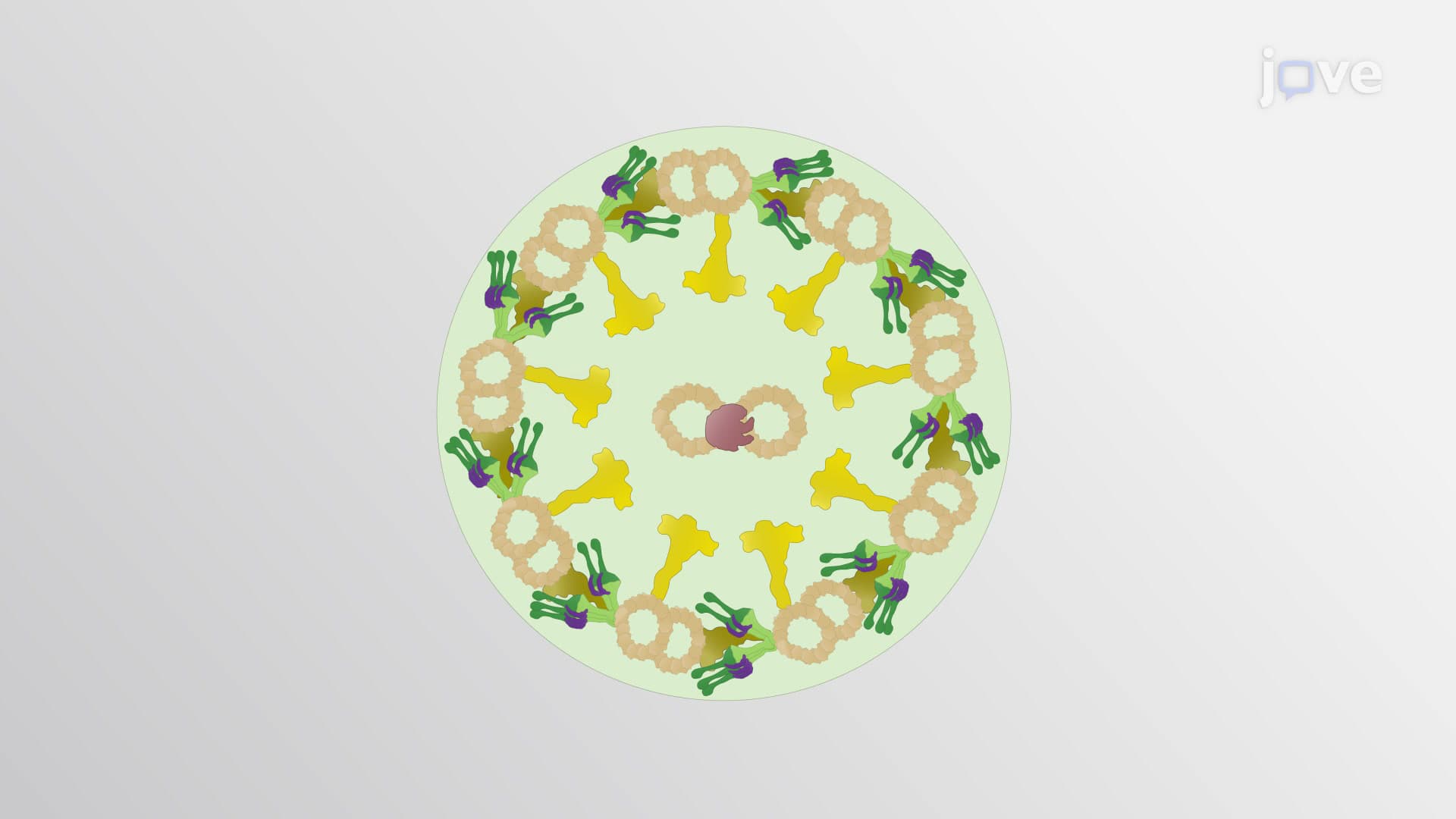
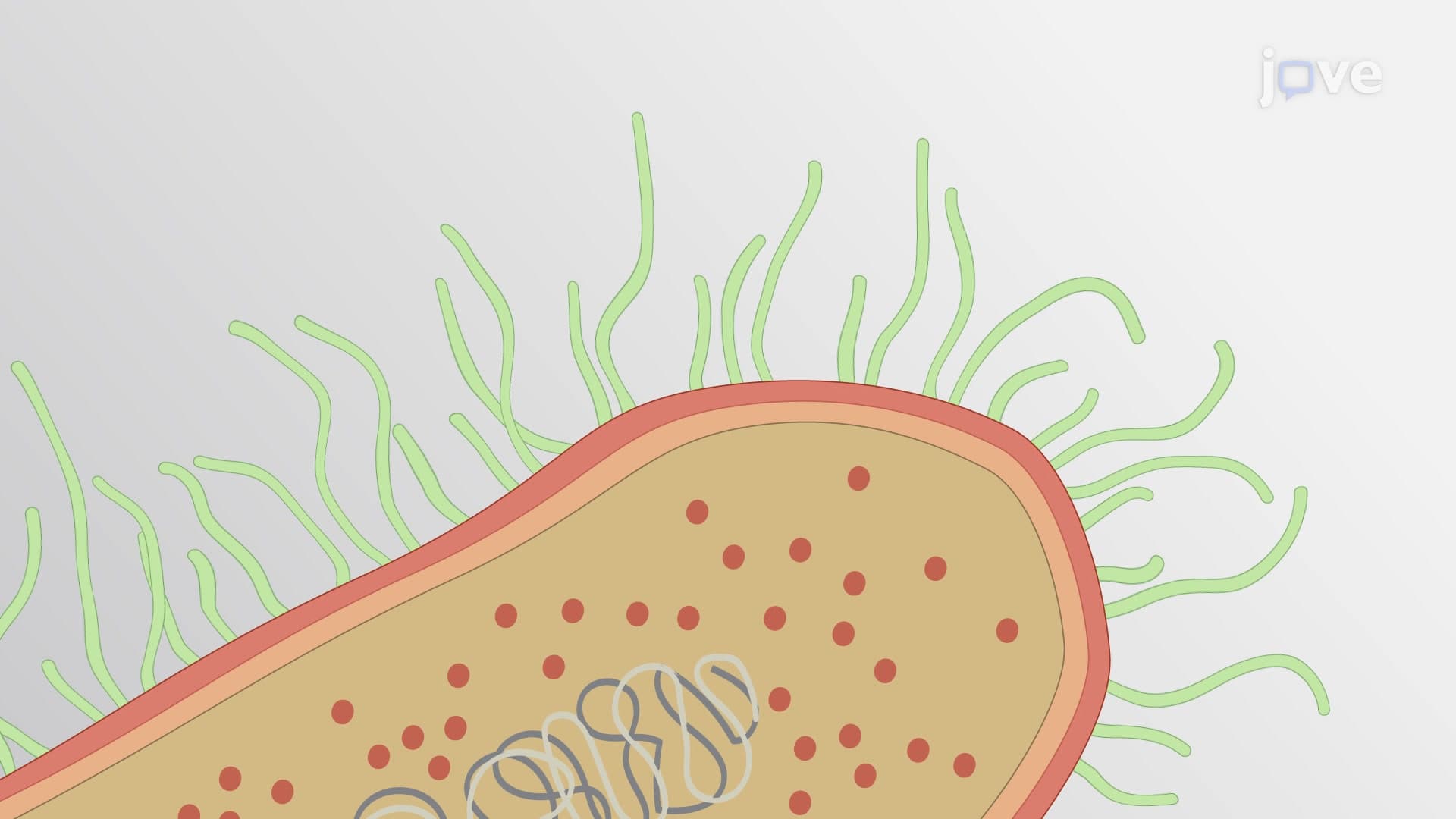
The ciliary motion mechanism operates through a precisely orchestrated molecular system that converts chemical energy into mechanical force. At its core lies the axoneme-a complex structure containing nine microtubule doublets arranged around a central pair, forming the characteristic 9+2 pattern found in motile cilia. This axoneme ciliary structure serves as the scaffolding for dynein motor proteins that generate the forces driving ciliary movement.
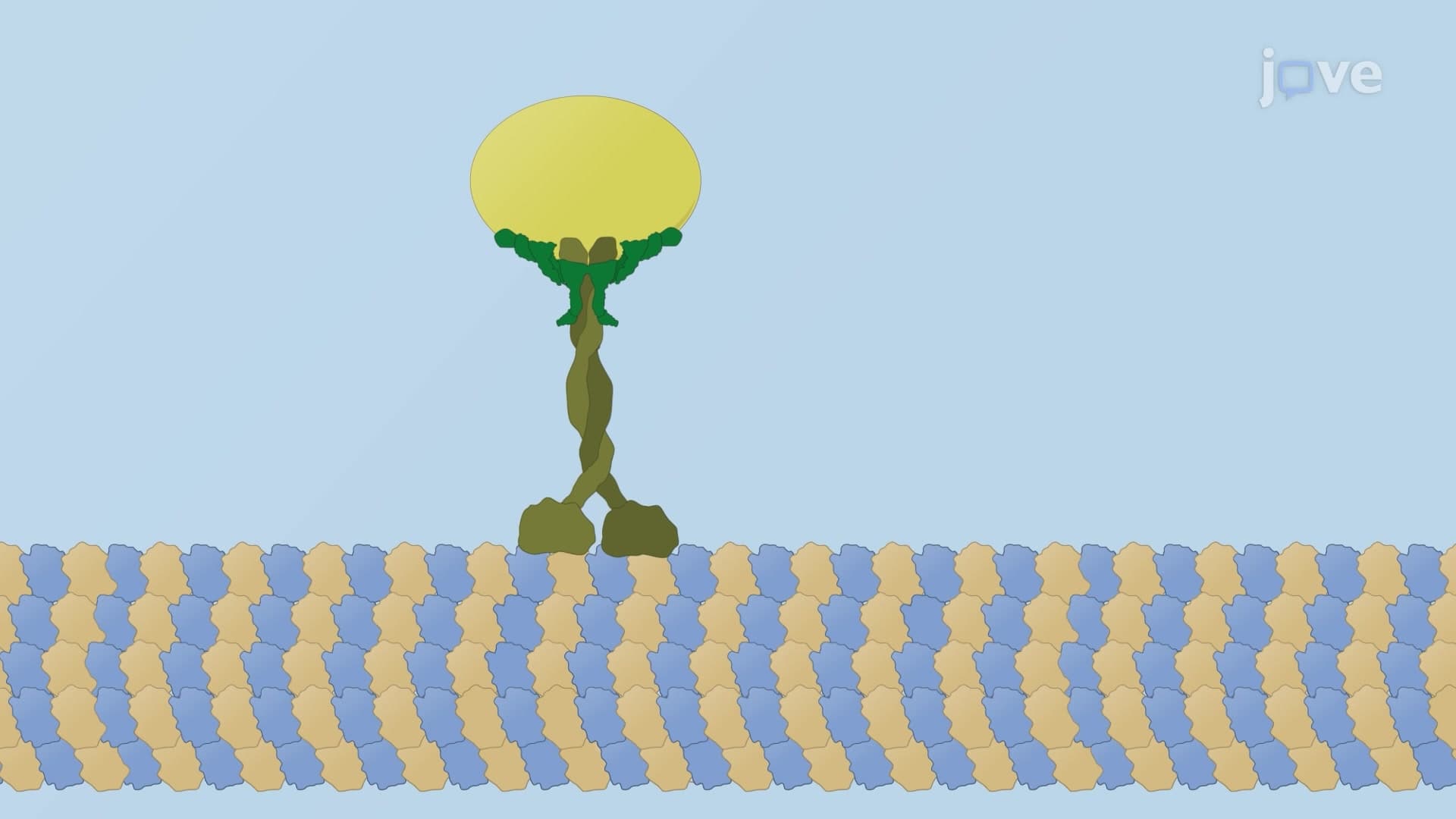
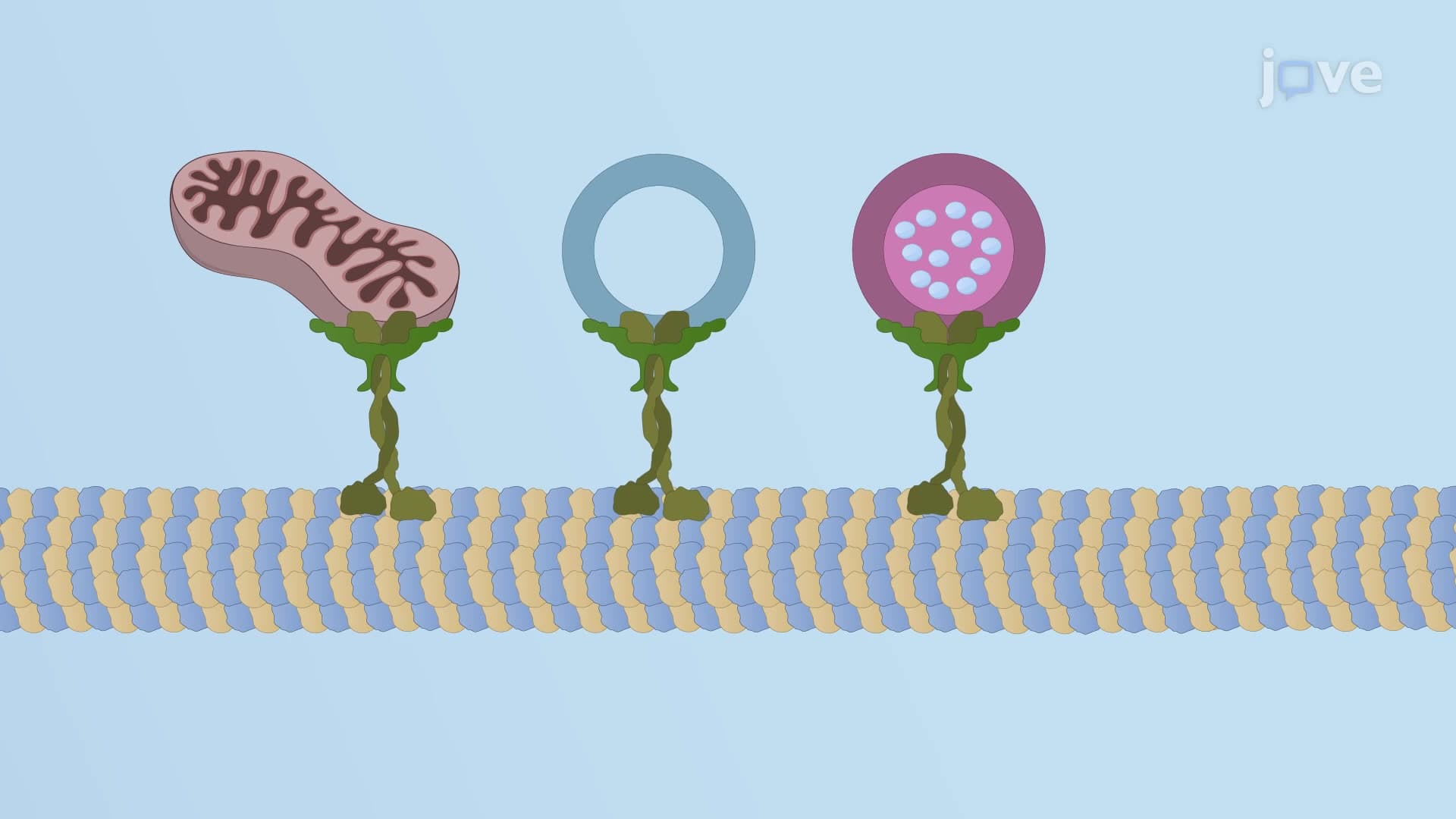
Dynein ciliary motion depends on axonemal dynein proteins attached to microtubule doublets. These molecular motors use ATP hydrolysis to undergo conformational changes, creating a power stroke cilia mechanism similar to muscle contraction. When activated, dynein attempts to "walk" along neighboring microtubule doublets, generating sliding forces. However, structural constraints from nexin cross-links and radial spokes convert this sliding motion into the characteristic bending we observe in beating cilia.
The ciliary beat mechanism relies on switch inhibition to create alternating activation patterns. This regulatory system ensures dynein motors are active on only one side of the cilium at any given time while remaining inactive on the opposite side. This asymmetric activation generates unidirectional bending, while the cycling between active and inactive states produces the rhythmic back-and-forth motion essential for effective fluid transport.
Understanding the mechanism of cilia movement proves crucial for medical students preparing for USMLE Step 1, where questions often focus on primary ciliary dyskinesia and Kartagener syndrome. AP Biology students encounter this topic when studying cell structure and function, particularly in contexts involving cellular transport mechanisms. College biochemistry courses emphasize how ATP powers dynein motors, while cell biology curricula explore how ciliary defects lead to infertility, respiratory disease, and developmental abnormalities affecting thousands of Americans annually.
Related Micro-courses