Loading subject page…


78,052 views


Video Summary: What Is Microtubule Formation
Every cell division in your body-from healing a scraped knee to growing taller-depends on microscopic highways called microtubules assembling with clockwork precision. Microtubule formation occurs at specialized cellular command centers called microtubule organizing centers (MTOCs), where gamma-tubulin ring complexes serve as molecular templates. Just like how construction crews at Johns Hopkins Medical Center use blueprints to build new hospital wings, cells use these ring complexes to construct their internal scaffolding. Watch the full video on JoVE Coach to master this concept with expert-led visuals and step-by-step explanations.
Microtubule formation represents one of cell biology's most elegant assembly processes, orchestrated by specialized cellular machinery. Unlike random protein aggregation, this process follows a precise blueprint that ensures proper cellular architecture. Think of it like constructing the steel framework of Chicago's Willis Tower-every beam must be positioned correctly to support the entire structure.
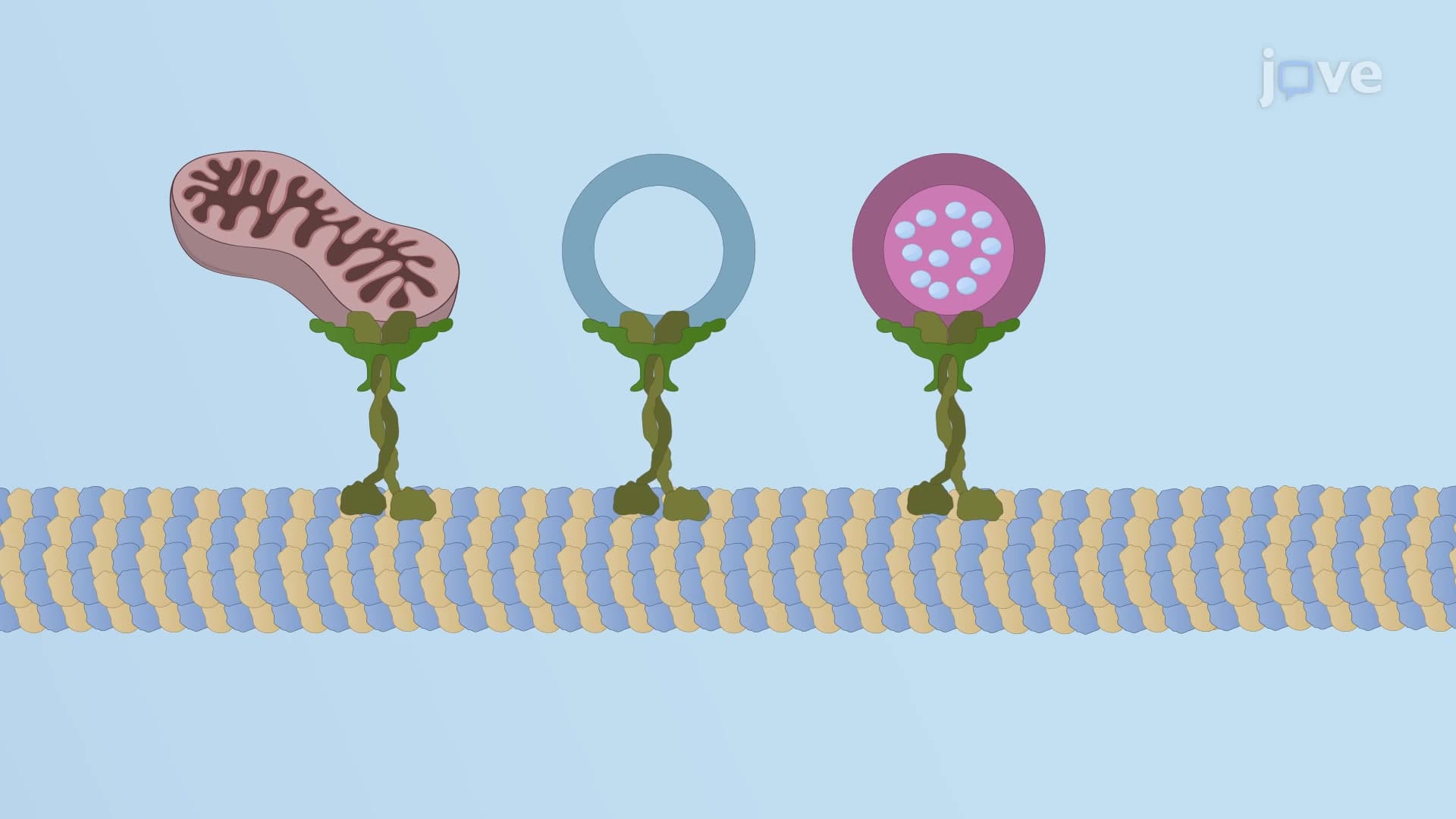
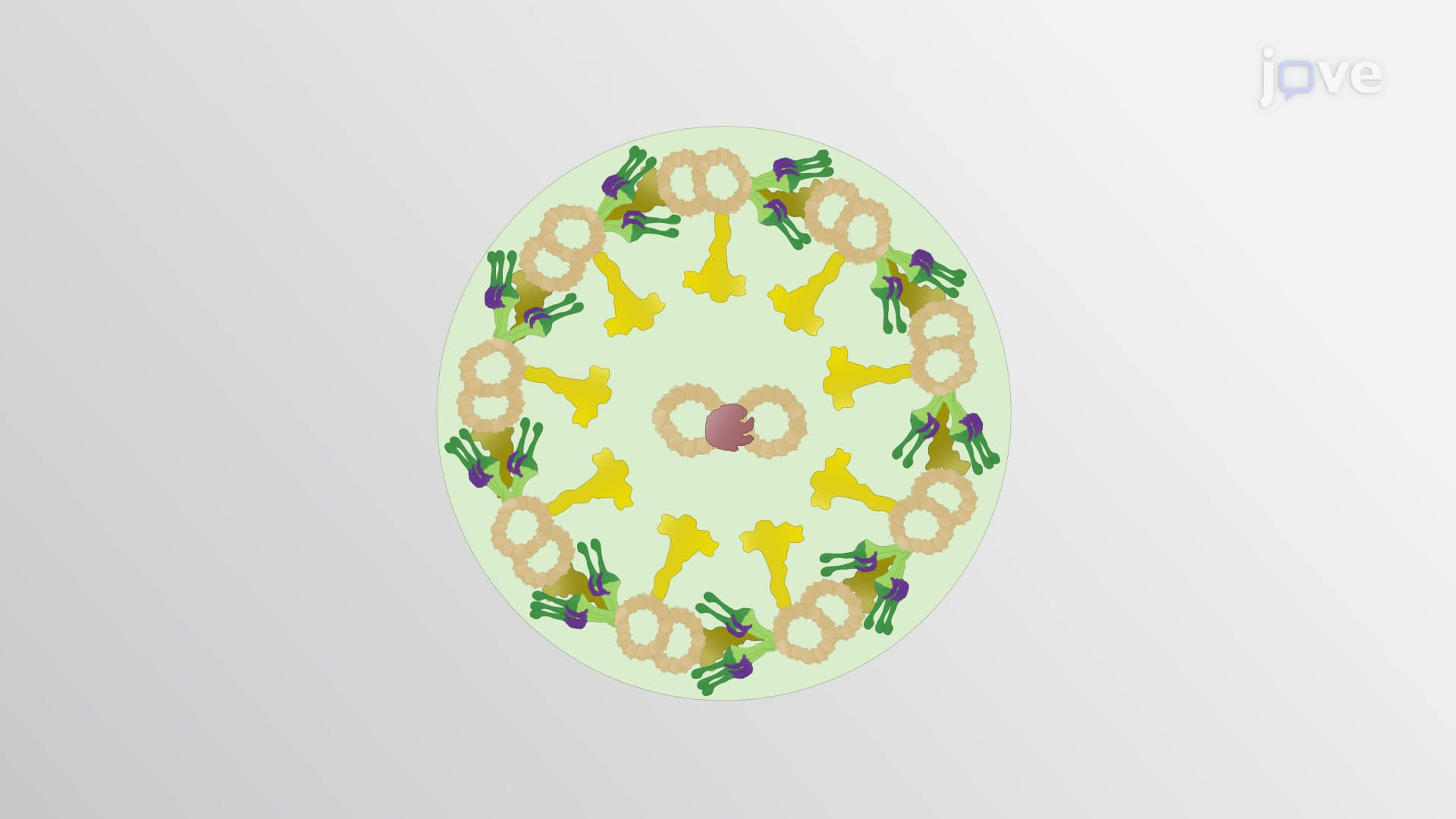
MTOCs function as the cell's construction headquarters, comparable to how NASA's Kennedy Space Center coordinates complex rocket launches. Eukaryotic cells contain different MTOC types: centrosomes near the nucleus coordinate cell division, while basal bodies organize cilia and flagella. These structures recruit essential proteins, particularly gamma-tubulin ring complexes, which serve as launching platforms for microtubule assembly.
The microtubule formation definition centers on gamma-tubulin ring complex construction. This process begins when two gamma-tubulin subunits pair with Gamma-tubulin-Complex-Proteins (GCPs), forming a heterotetrameric core called the gamma-tubulin small complex. Seven of these cores then arrange helically, associating with additional GCPs to create the complete ring structure. This assembly exposes thirteen gamma-tubulin subunits that function as molecular templates-similar to how a 3D printer's template guides material deposition.
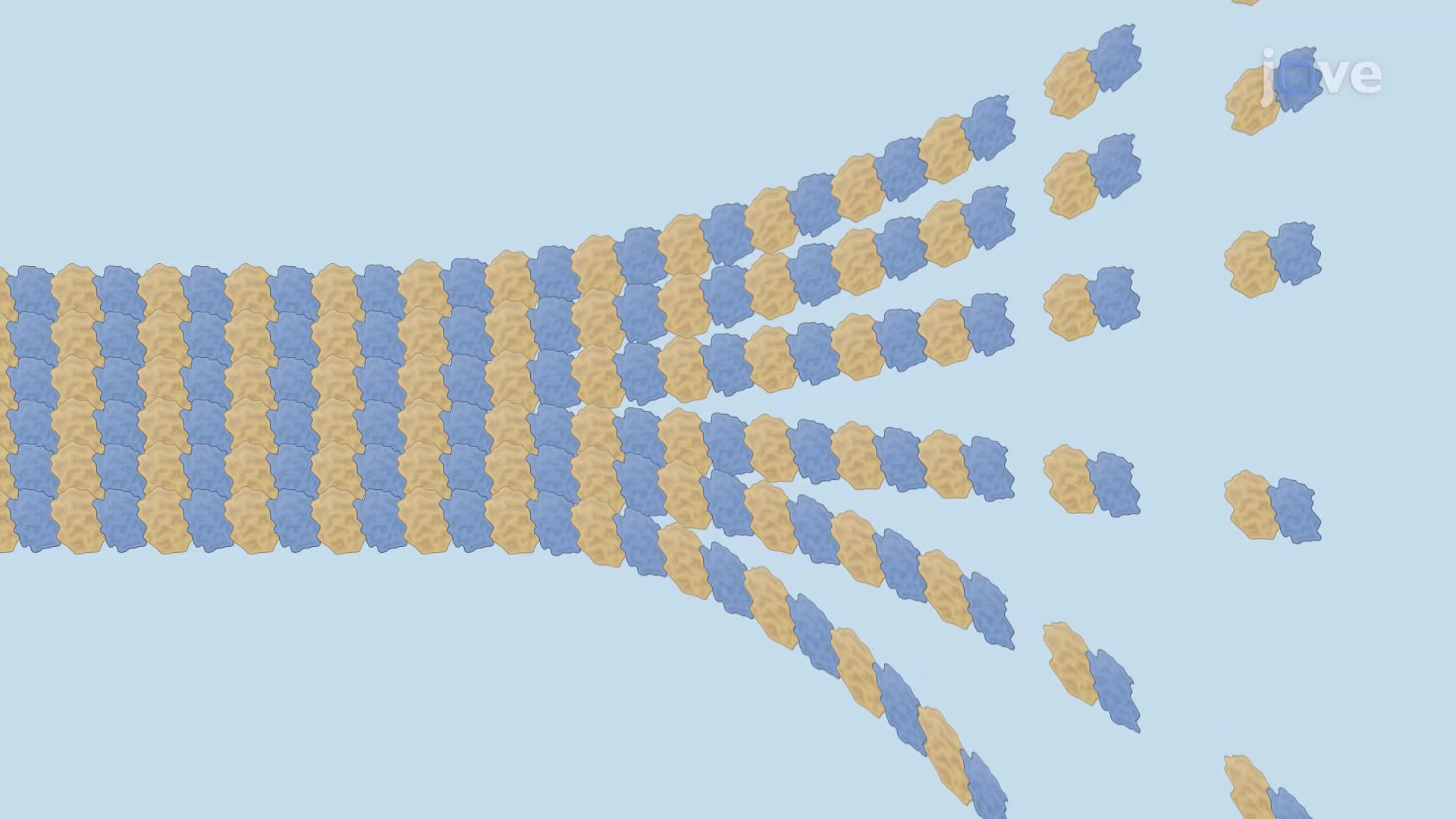
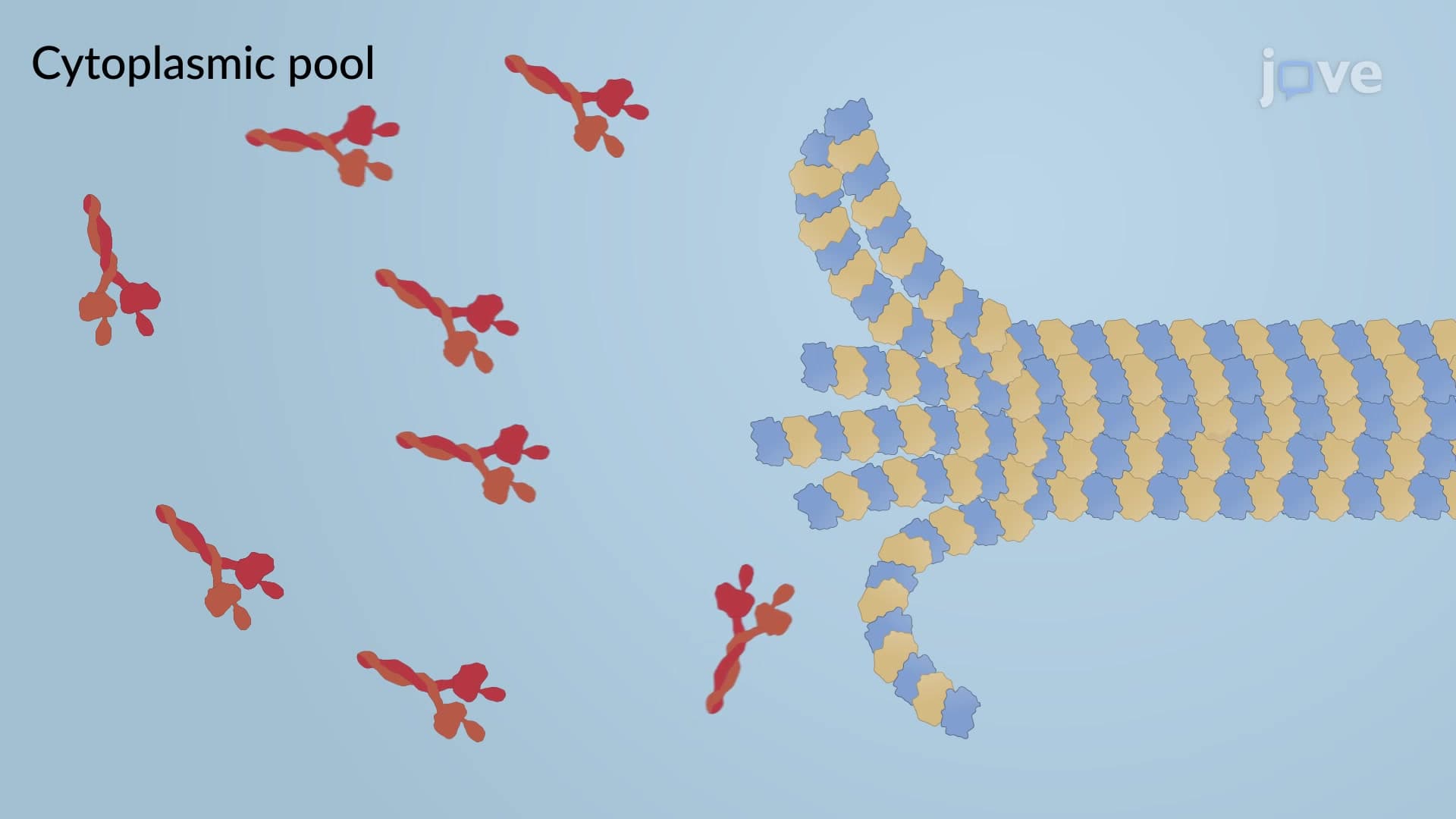
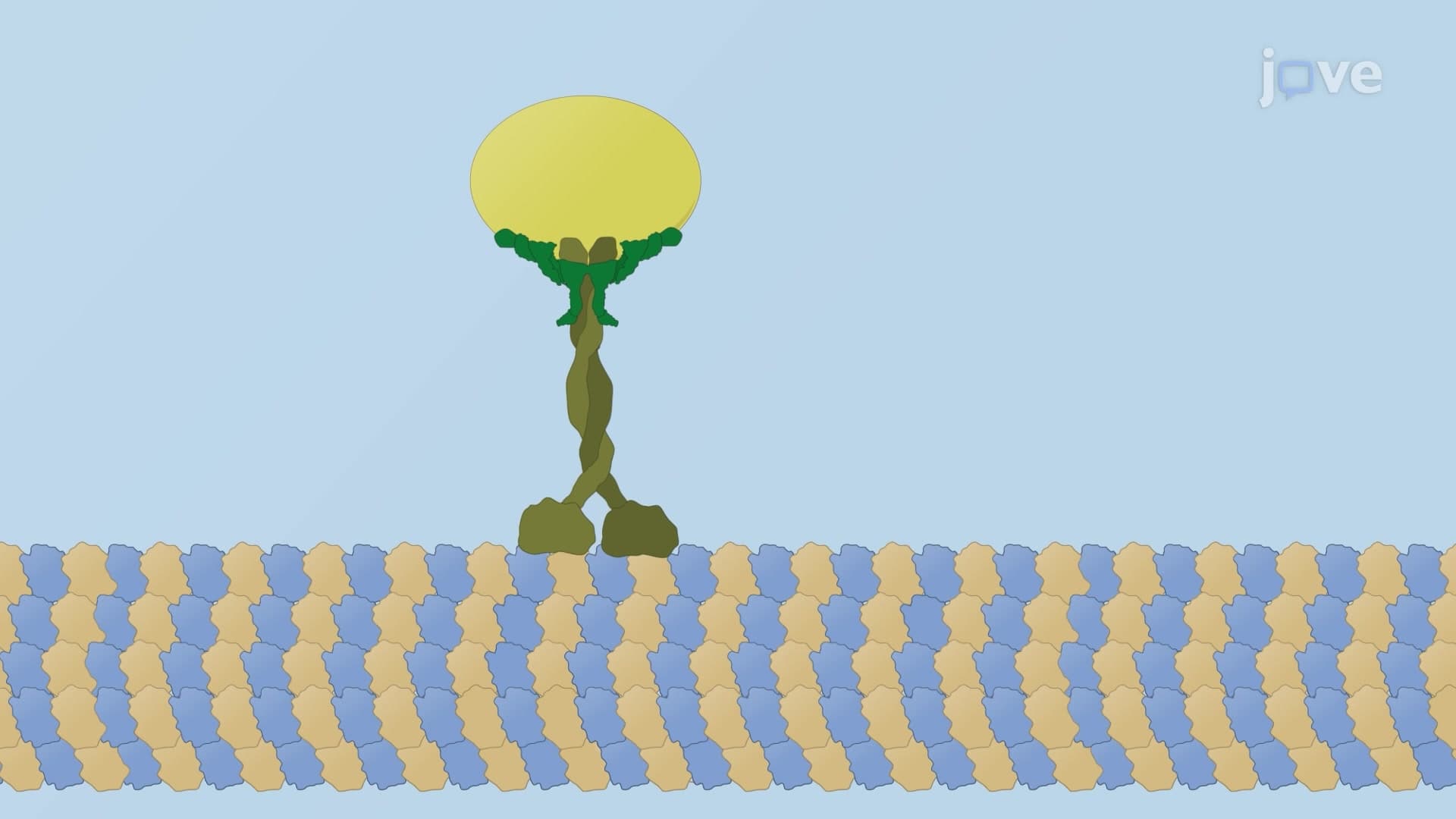
What is microtubule formation in detail involves understanding nucleation and directional growth. When alpha-tubulin binds to exposed gamma-tubulin subunits, it establishes the microtubule's minus end. The beta-tubulin portion remains free, creating the plus end where elongation occurs. This directional growth is crucial for cellular functions-just as Interstate highways have designated directions to prevent traffic chaos.
This concept frequently appears on AP Biology exams, particularly in questions about cell division and cytoskeleton organization. MCAT test-takers encounter microtubule formation in biochemistry sections, while college cell biology courses dedicate entire units to cytoskeletal dynamics. Understanding these mechanisms proves essential for pre-med students, as disrupted microtubule formation underlies various diseases treated in major US medical centers.
Related Micro-courses