Loading subject page…


78,050 views

Video Summary: What Is Microtubule Instability
Ever wonder how cancer drugs like Taxol can stop tumor growth by targeting cellular scaffolding? Microtubule instability is the key, it's the rapid switching between growth and shrinkage phases that allows cells to reorganize their internal structure in milliseconds. This dynamic behavior is essential for processes like cell division, where microtubules must quickly capture chromosomes and pull them apart. For example, researchers at Johns Hopkins have shown how disrupting this instability can halt cancer cell division in laboratory studies. Watch the full video on JoVE Coach to master this concept with expert-led visuals and step-by-step explanations.
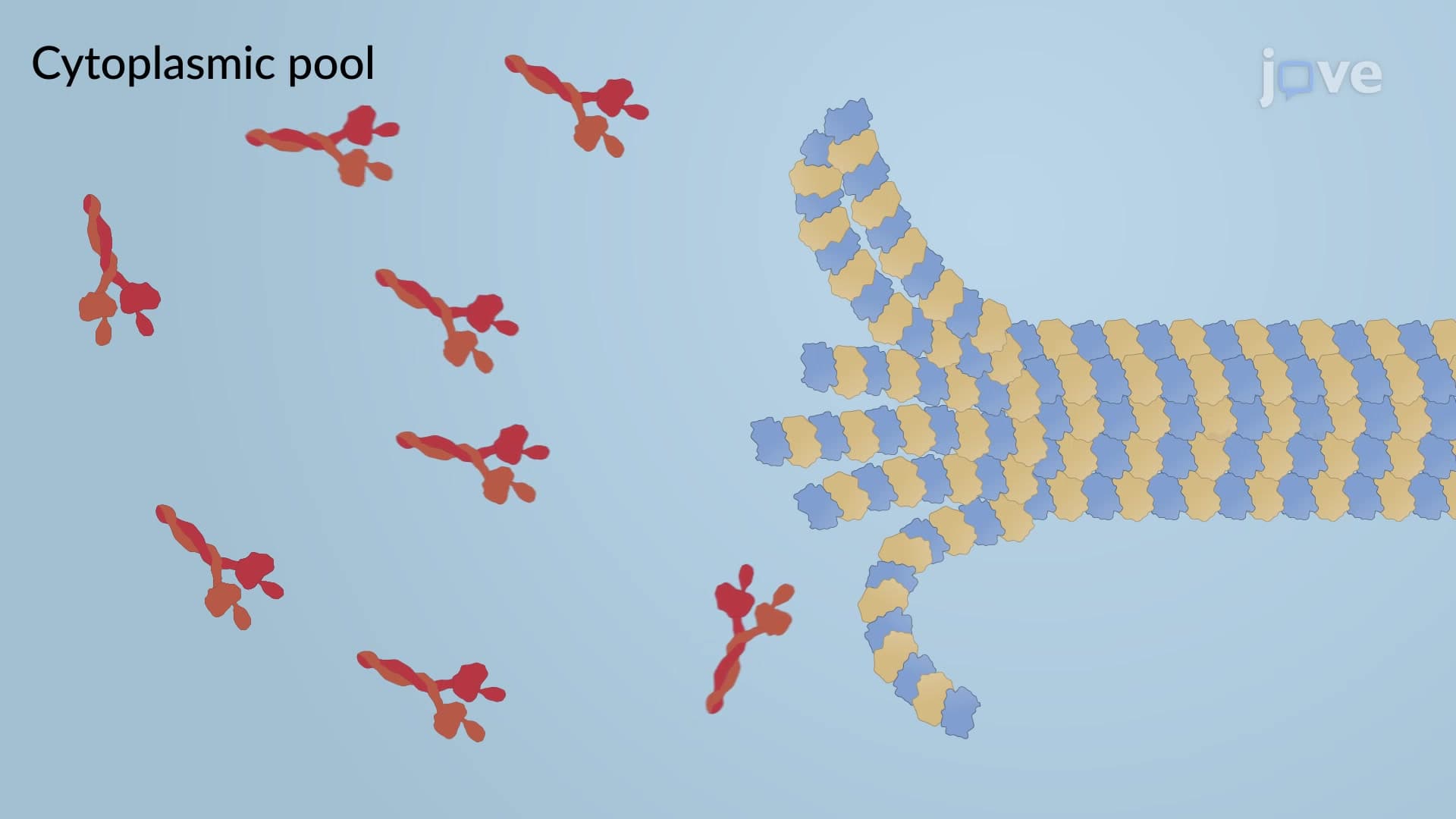
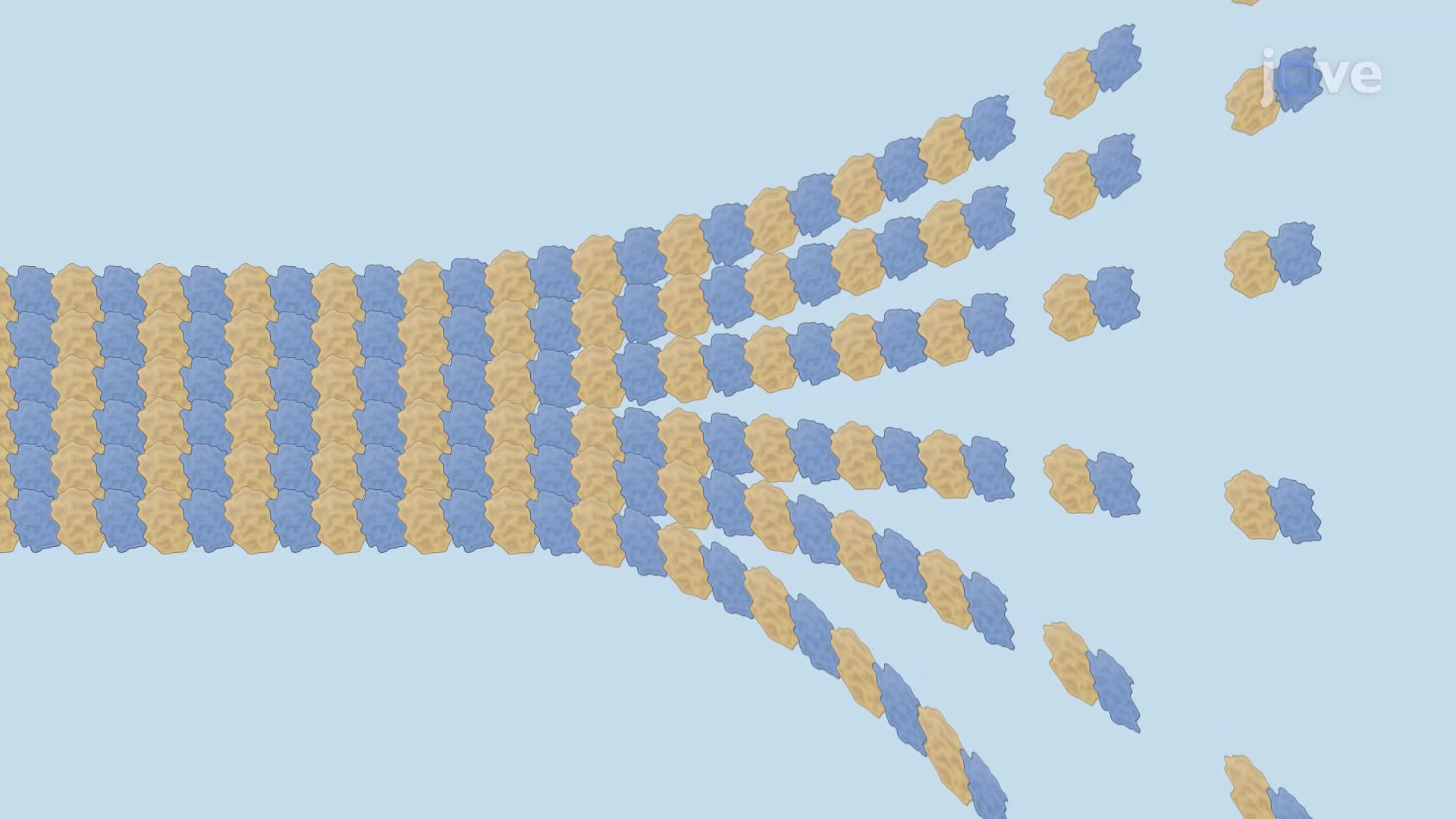
Microtubule instability, also known as dynamic instability, represents one of cell biology's most fascinating phenomena. Unlike static structural elements, microtubules exist in a constant state of flux, rapidly switching between growth (polymerization) and shrinkage (depolymerization) phases. This behavior stems from the unique properties of tubulin dimers and their interaction with guanosine triphosphate (GTP).
The foundation of this instability lies in the GTP cap mechanism. When α- and β-tubulin dimers add to growing microtubule ends, they carry GTP molecules. Initially, these GTP-bound tubulins form a stabilizing "cap" at the growing tip. However, as the microtubule elongates, GTP hydrolyzes to GDP, creating a less stable interior. If growth slows and the GTP cap is lost, the microtubule undergoes "catastrophe", rapid depolymerization that can shrink the entire structure within seconds.
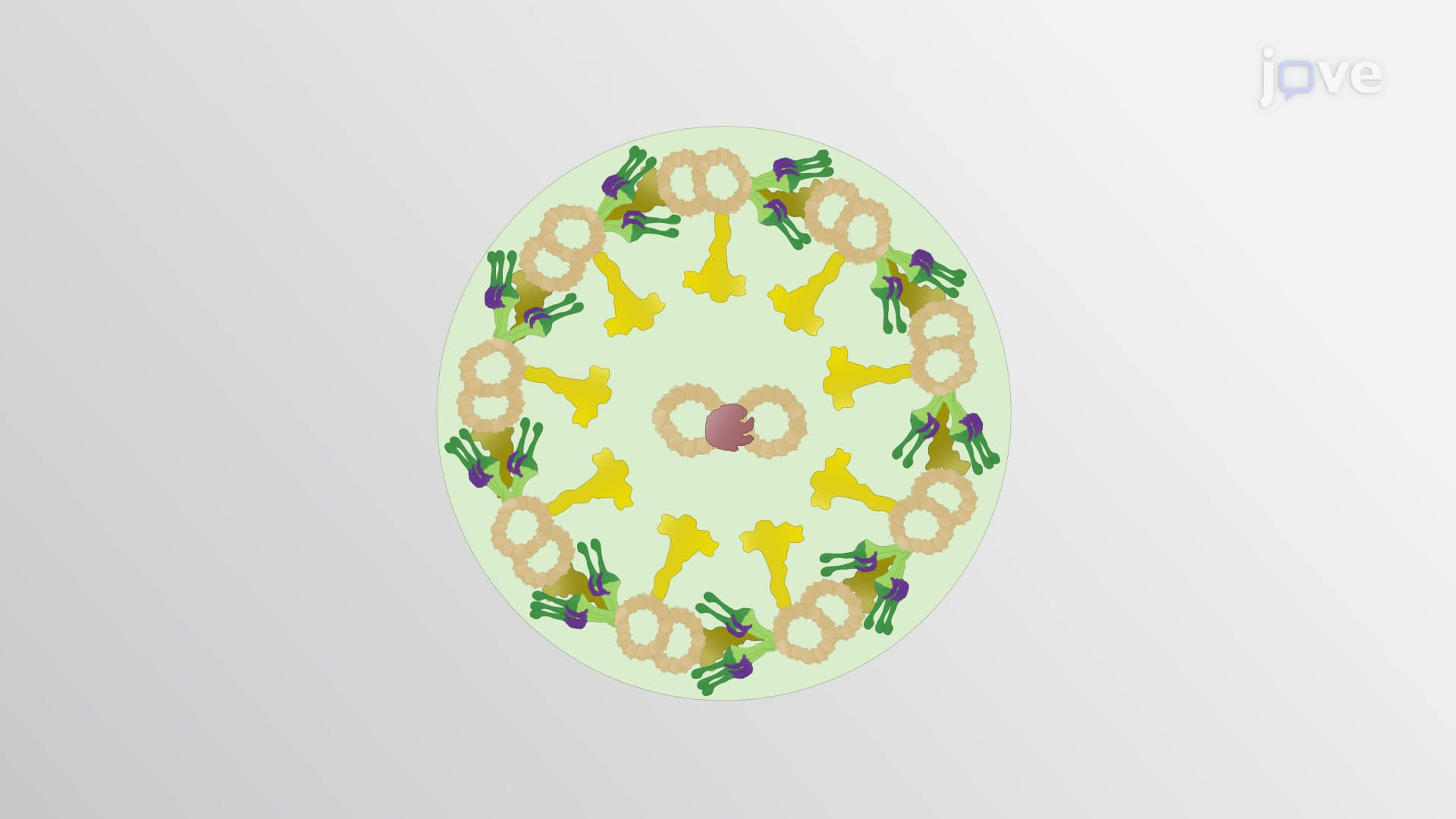
During mitosis, microtubule instability becomes critically important for chromosome segregation. Microtubules extending from centrosomes undergo rapid cycles of growth and shrinkage, literally "searching" the cellular space for chromosomes. When a growing microtubule contacts a kinetochore (the protein complex on chromosomes), it becomes captured and stabilized. This search-and-capture mechanism ensures accurate chromosome alignment at the cell's center before division proceeds.
Students preparing for the AP Biology exam or college cell biology courses should understand that this process exemplifies how molecular randomness serves precise cellular functions. The seemingly chaotic behavior of individual microtubules creates an efficient system for organizing the entire cell.
Microtubule instability has become a major target in cancer treatment. Drugs like paclitaxel (Taxol), developed from Pacific yew trees and now synthesized in pharmaceutical facilities across the United States, work by stabilizing microtubules and preventing their normal disassembly. This disrupts cancer cells' ability to divide, effectively halting tumor growth.
Conversely, drugs like vinblastine destabilize microtubules, preventing their assembly. Both approaches target the same fundamental process but from opposite directions, demonstrating the therapeutic importance of understanding microtubule dynamics.
For MCAT preparation, students should recognize that these drugs exploit the fact that rapidly dividing cancer cells are more dependent on microtubule dynamics than most normal cells, providing some selectivity in treatment.
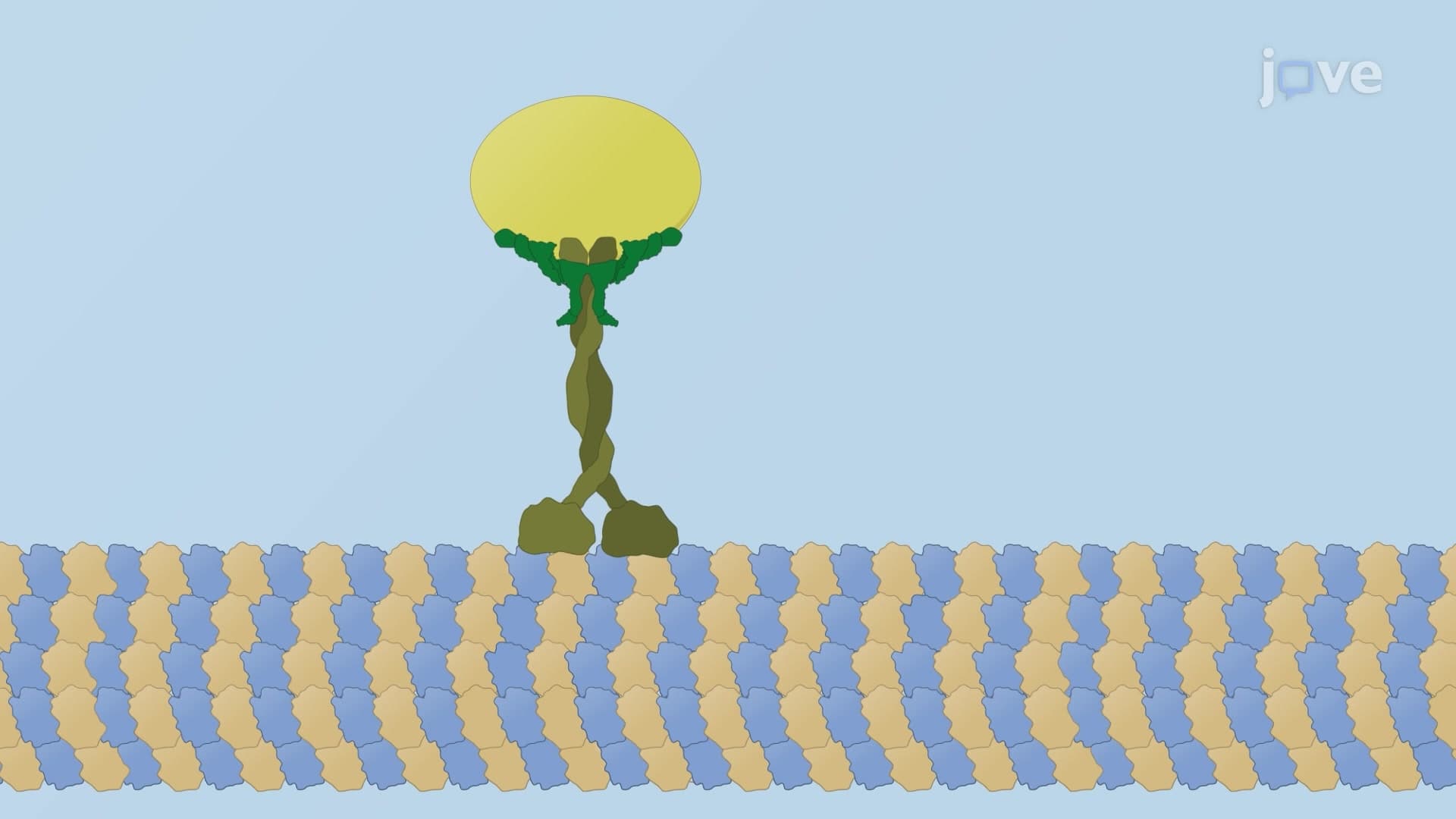
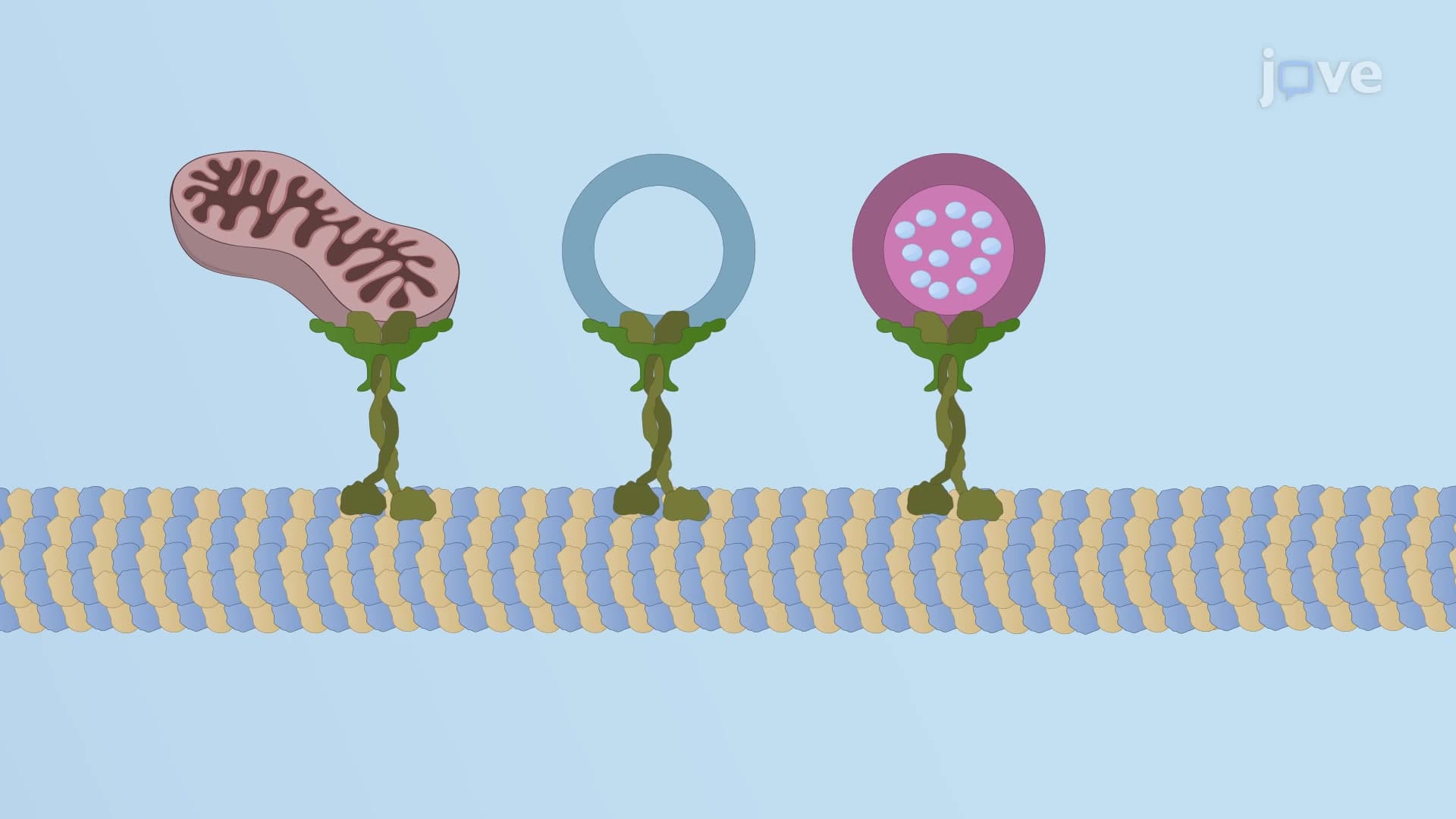
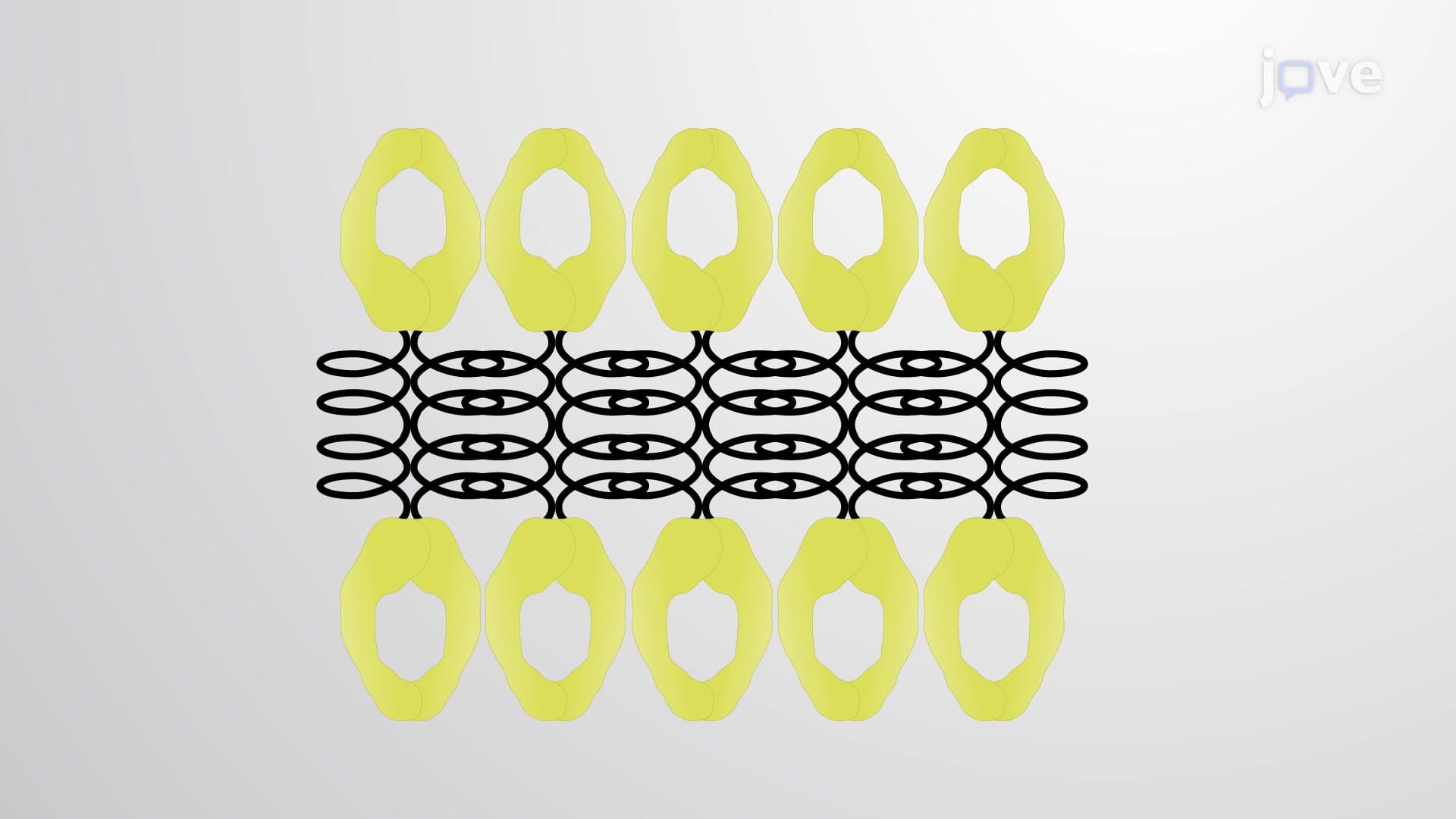
Cells don't leave microtubule behavior entirely to chance. Microtubule-associated proteins (MAPs) like MAP2 and tau stabilize microtubules in specific cellular regions, while proteins like stathmin promote instability. Motor proteins such as kinesins can also influence microtubule dynamics through their interactions with tubulin.
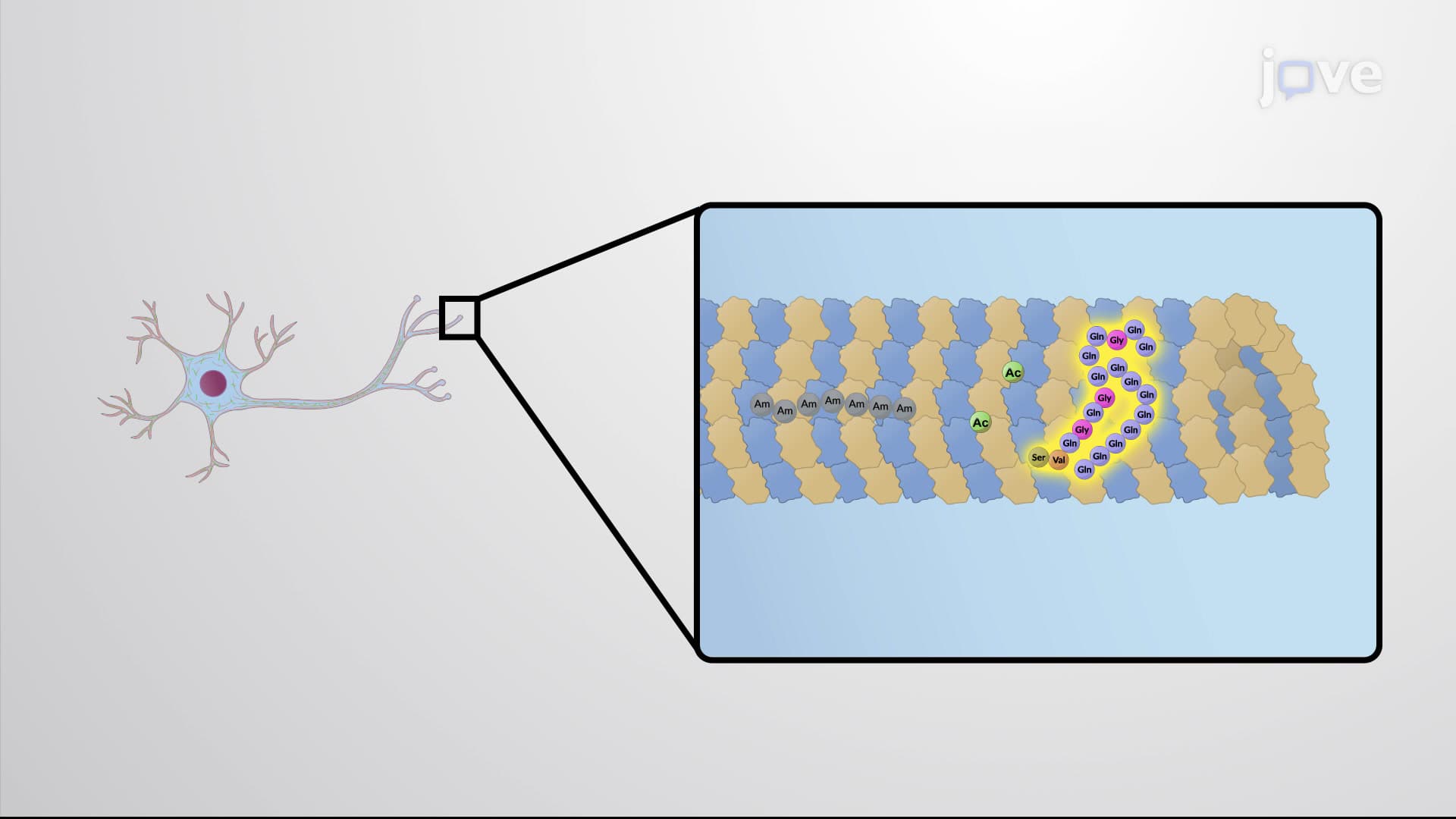
This regulation allows cells to maintain stable microtubule networks where needed (like in neuronal axons) while preserving dynamic behavior in regions requiring rapid reorganization (like the mitotic spindle). Understanding this balance is crucial for students studying neurobiology, as tau protein dysfunction contributes to Alzheimer's disease pathology.
Related Micro-courses