Loading subject page…


145,116 views

Video Summary: Electron Transport Chain Complex Iii and Iv Explained
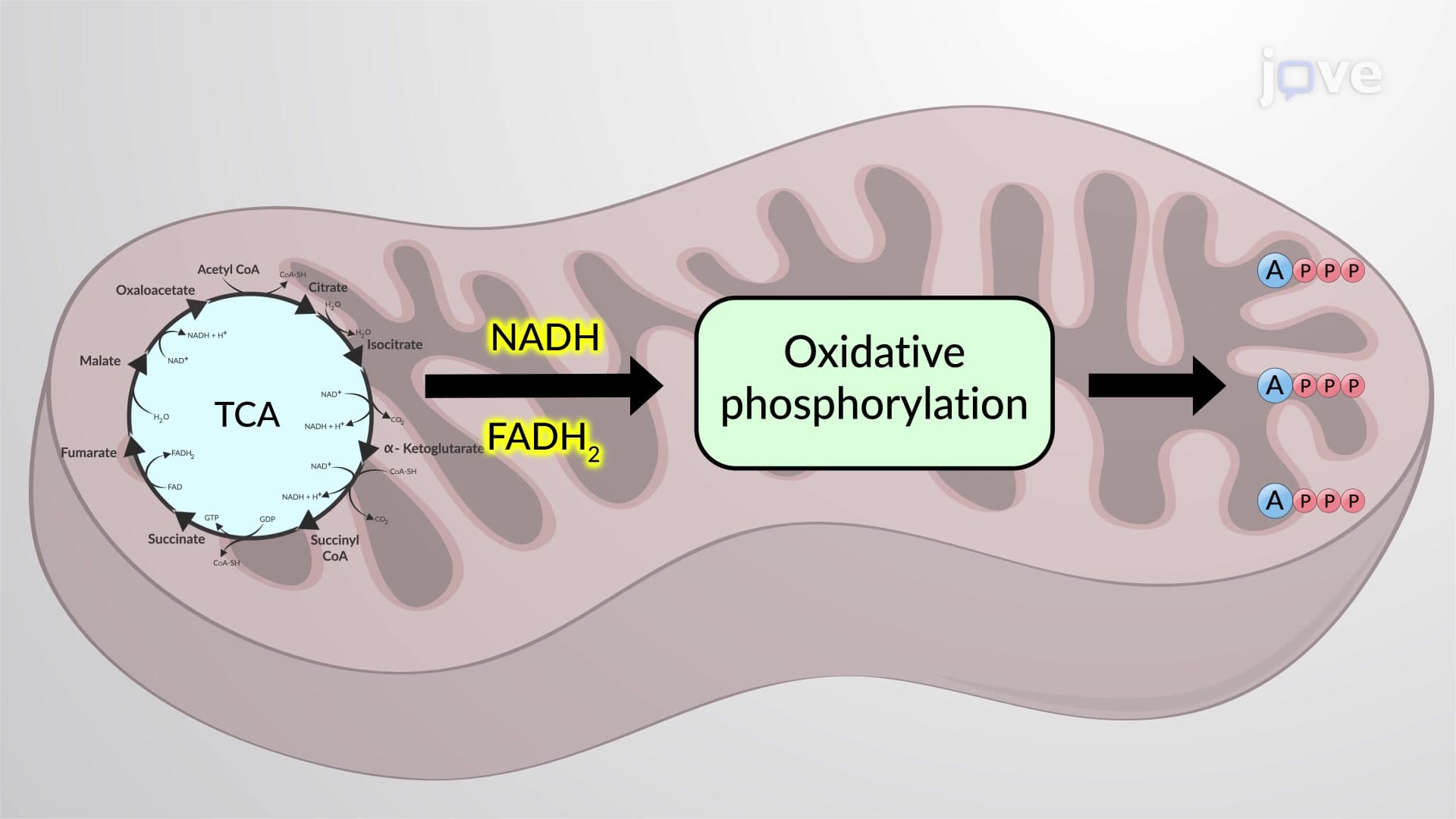
Every breath you take powers cellular factories that produce 36 ATP molecules from a single glucose molecule-but how does your body extract this energy so efficiently? Electron transport chain Complex III and IV work as molecular machines in your mitochondria, with Complex III transferring electrons through cytochrome proteins while Complex IV uses copper and heme cofactors to deliver electrons to oxygen. These complexes are essential for cellular respiration in everything from muscle cells during a marathon to brain neurons during the SAT exam. Watch the full video on JoVE Coach to master this concept with expert-led visuals and step-by-step explanations.
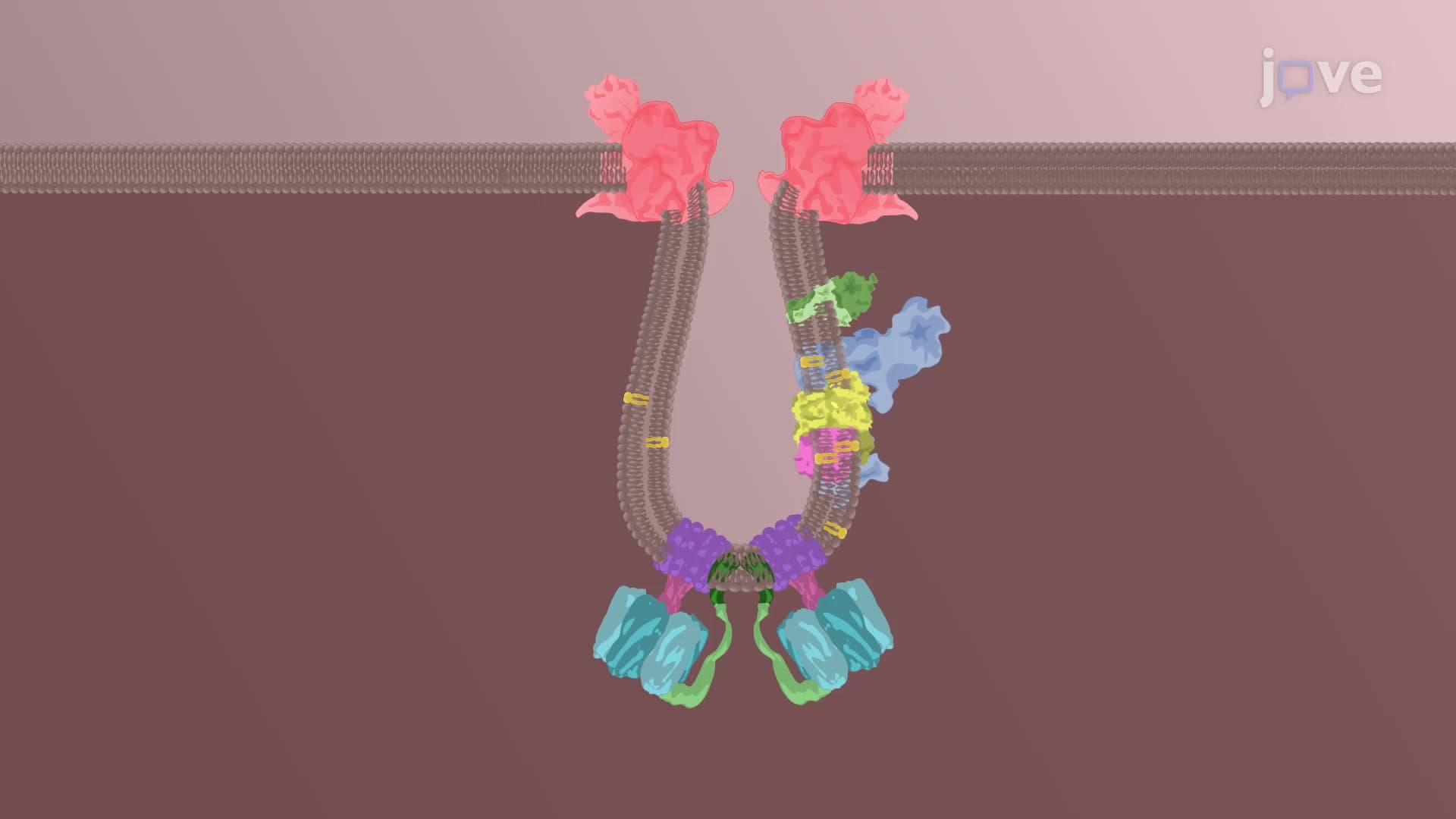
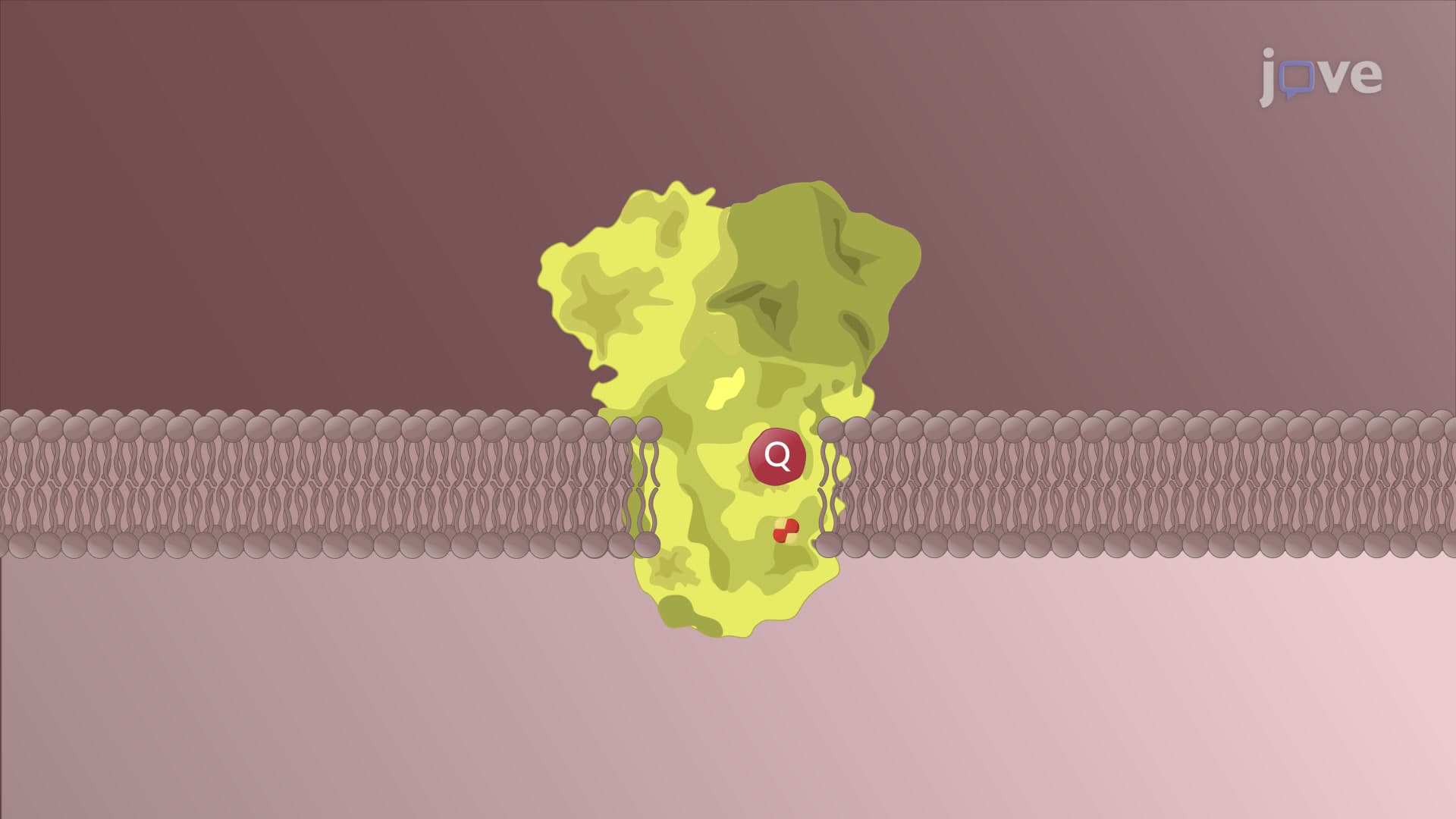
Electron Transport Chain Complex III and IV represent the final crucial steps in mitochondrial electron transport, where cells extract maximum energy from nutrients. Complex III, scientifically known as Q-cytochrome c oxidoreductase, operates as a dimeric protein complex with sophisticated electron handling capabilities. Each monomer contains eleven distinct subunits, but three components drive the catalytic action: cytochrome b (containing two b-type heme groups), cytochrome c1 (with one c-type heme), and the Rieske iron-sulfur protein (featuring Fe2-S2 clusters).
The structural organization reflects evolutionary optimization-cytochrome b subunits are encoded by mitochondrial DNA, highlighting their ancient bacterial origins. This arrangement allows rapid electron transfer from ubiquinone (CoQ10) molecules to cytochrome c, a mobile electron carrier that shuttles between complexes.
Complex IV, or cytochrome c oxidase, serves as the terminal complex where electrons finally reach molecular oxygen. This thirteen-subunit complex contains both heme groups and copper ions as cofactors, creating a sophisticated electron transfer system. The three largest subunits-COX I, COX II, and COX III-are encoded by mitochondrial DNA, emphasizing their critical importance.
The copper-heme active sites work cooperatively to reduce oxygen to water, preventing dangerous reactive oxygen species formation. This process occurs approximately 1,000 times per second in actively respiring cells, demonstrating remarkable enzymatic efficiency.
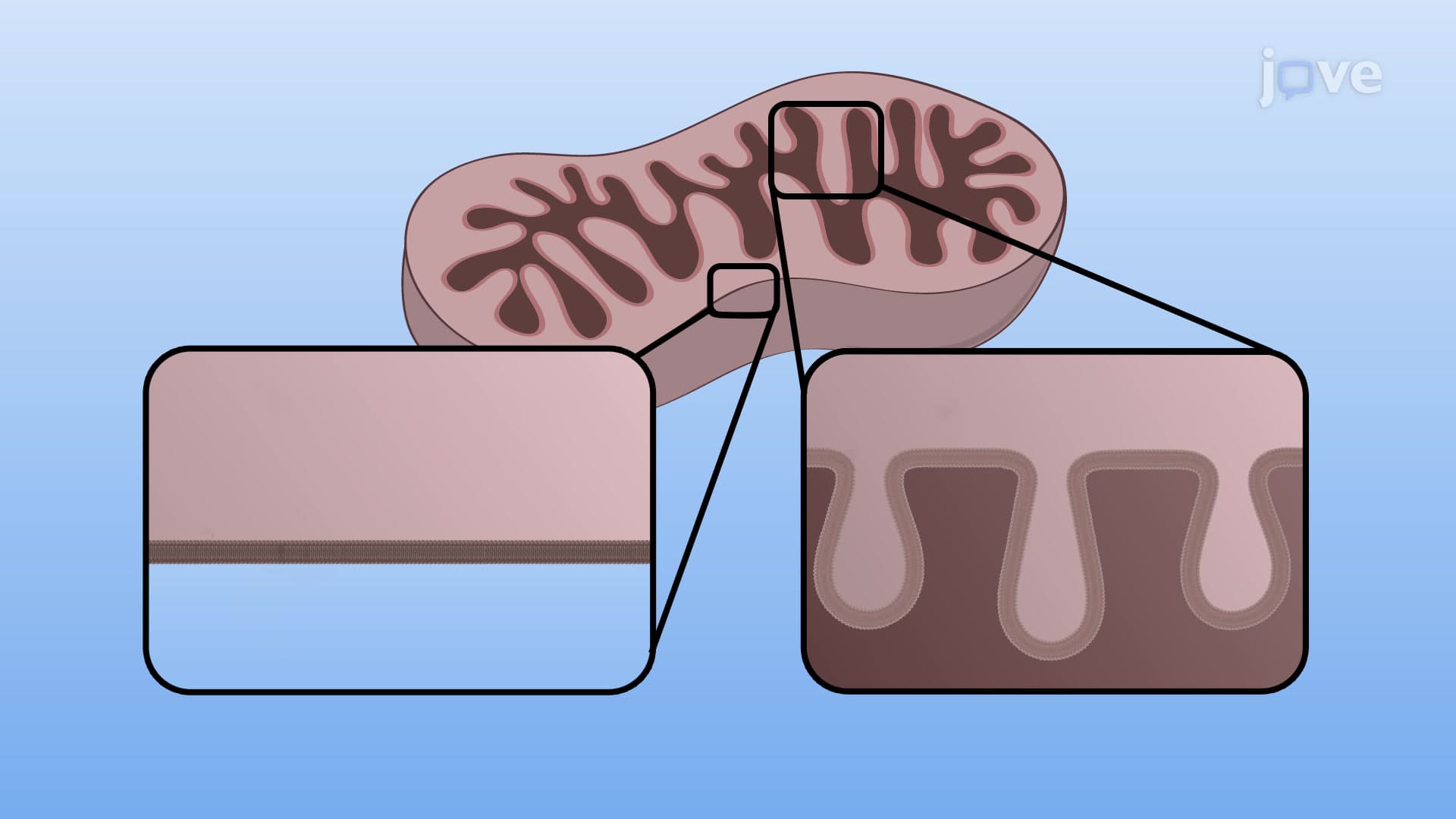
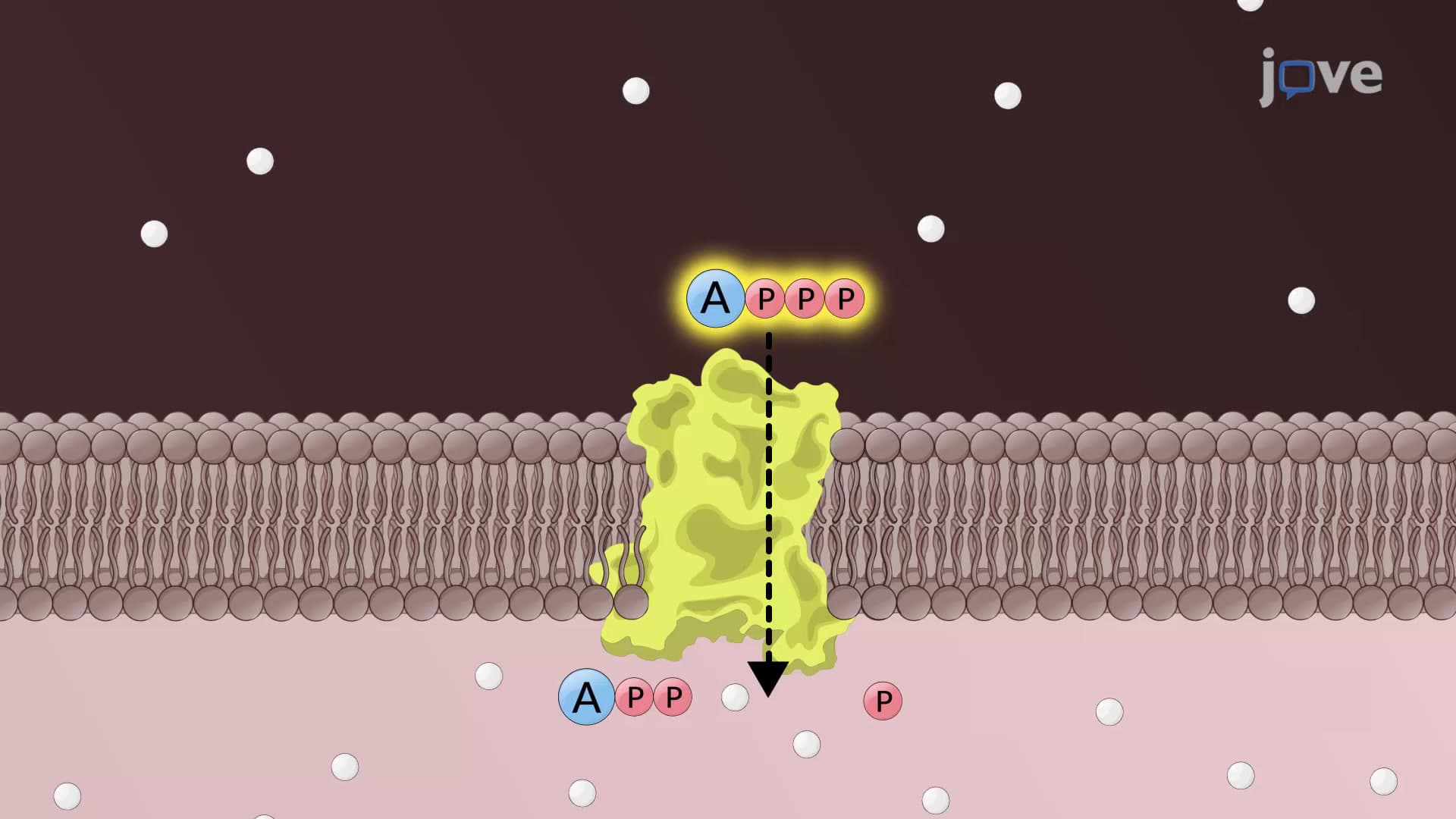
Both Complex III and IV function as proton pumps, using electron transfer energy to move protons from the mitochondrial matrix to the intermembrane space. Complex III pumps approximately 4 protons per electron pair, while Complex IV pumps 2 protons per electron pair. This proton gradient creates the proton motive force essential for ATP synthesis.
For students preparing for AP Biology or college biochemistry courses, understanding this coupling between electron transport and proton pumping is crucial. The concept frequently appears on exams as questions about chemiosmotic theory and energy conservation efficiency.
In medical research, Complex III and IV dysfunction contributes to mitochondrial diseases affecting approximately 1 in 5,000 Americans. Leigh syndrome, caused by Complex IV defects, demonstrates how electron transport chain disruption impacts cellular energy production. Understanding these complexes helps explain why organs with high energy demands-like the heart, brain, and muscles-are most affected by mitochondrial disorders.
Related Micro-courses