Loading subject page…


145,119 views

Video Summary: The Adp Atp Carrier Protein Explained
Every second, your heart muscle cells pump out over 10 billion ATP molecules to keep your heart beating-but how does the ADP ATP carrier protein make this life-sustaining energy transfer possible? This remarkable 30-kilodalton protein dimer works as a molecular shuttle, orchestrating the precise exchange of ADP and ATP across mitochondrial membranes in every cell of your body, from brain neurons to cardiac muscle fibers. The ADP ATP Carrier Protein Explained reveals how this antiporter's conformational changes drive cellular energy production through proton-motive forces. Watch the full video on JoVE Coach to master this concept with expert-led visuals and step-by-step explanations.
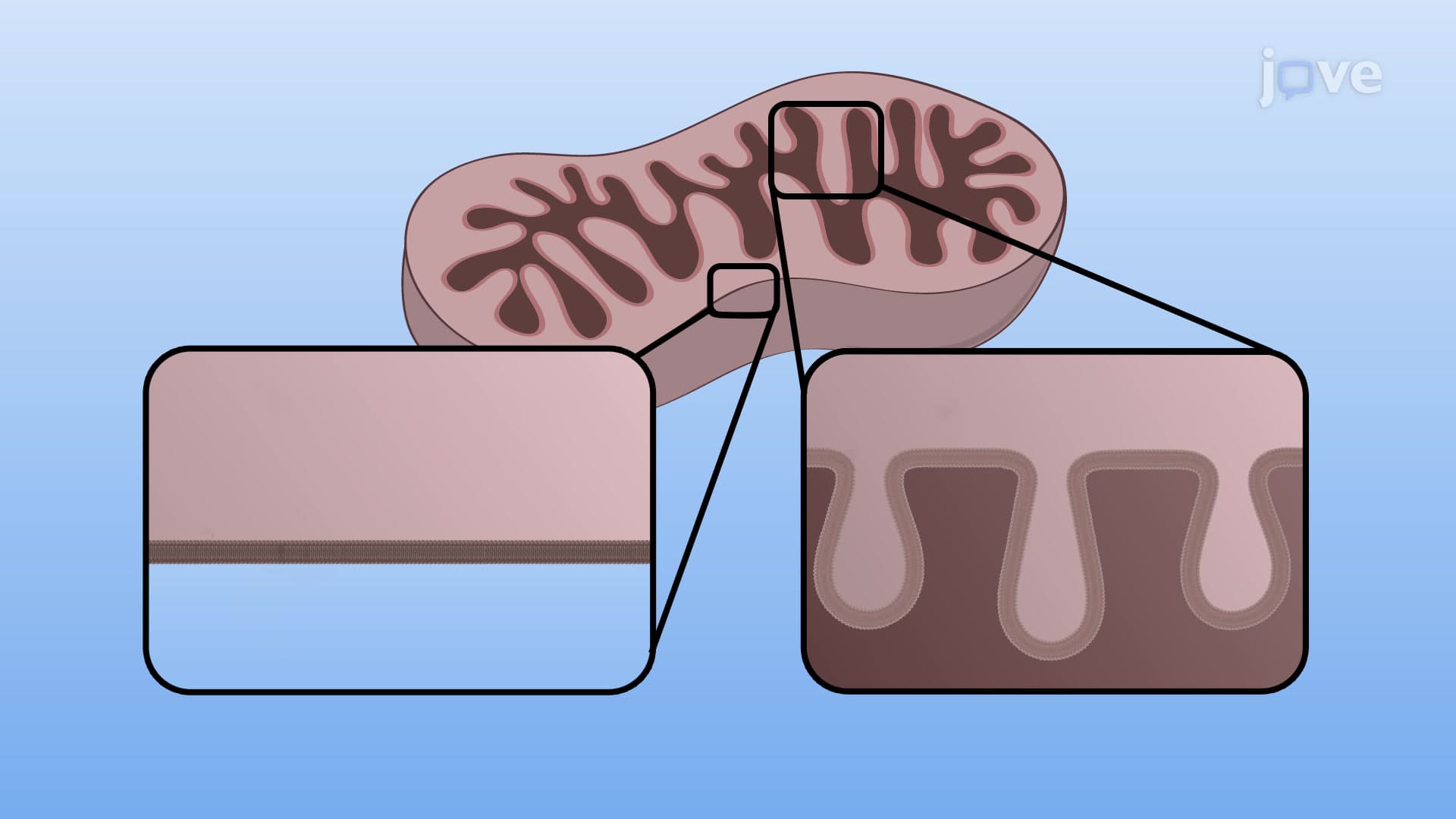
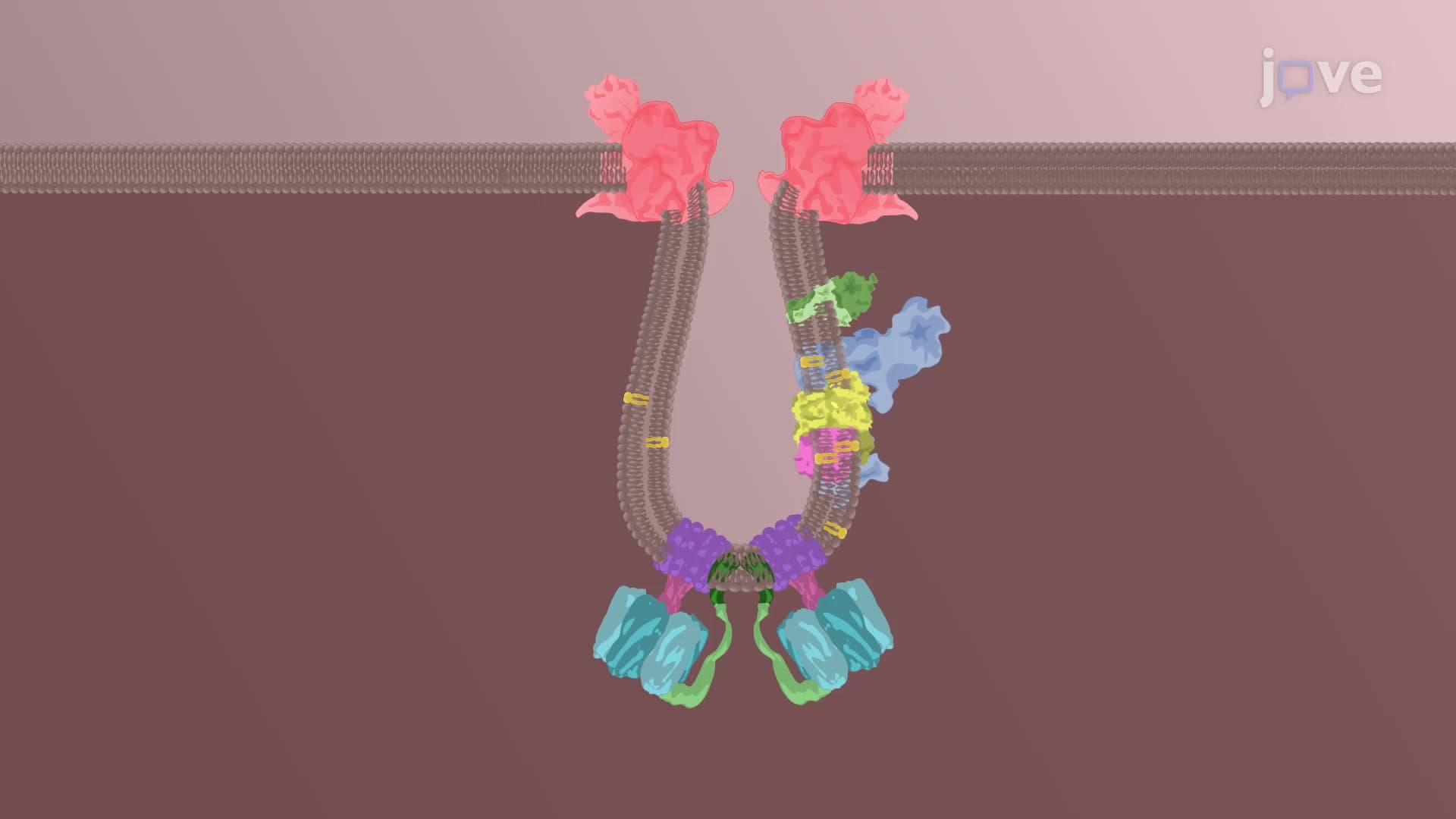
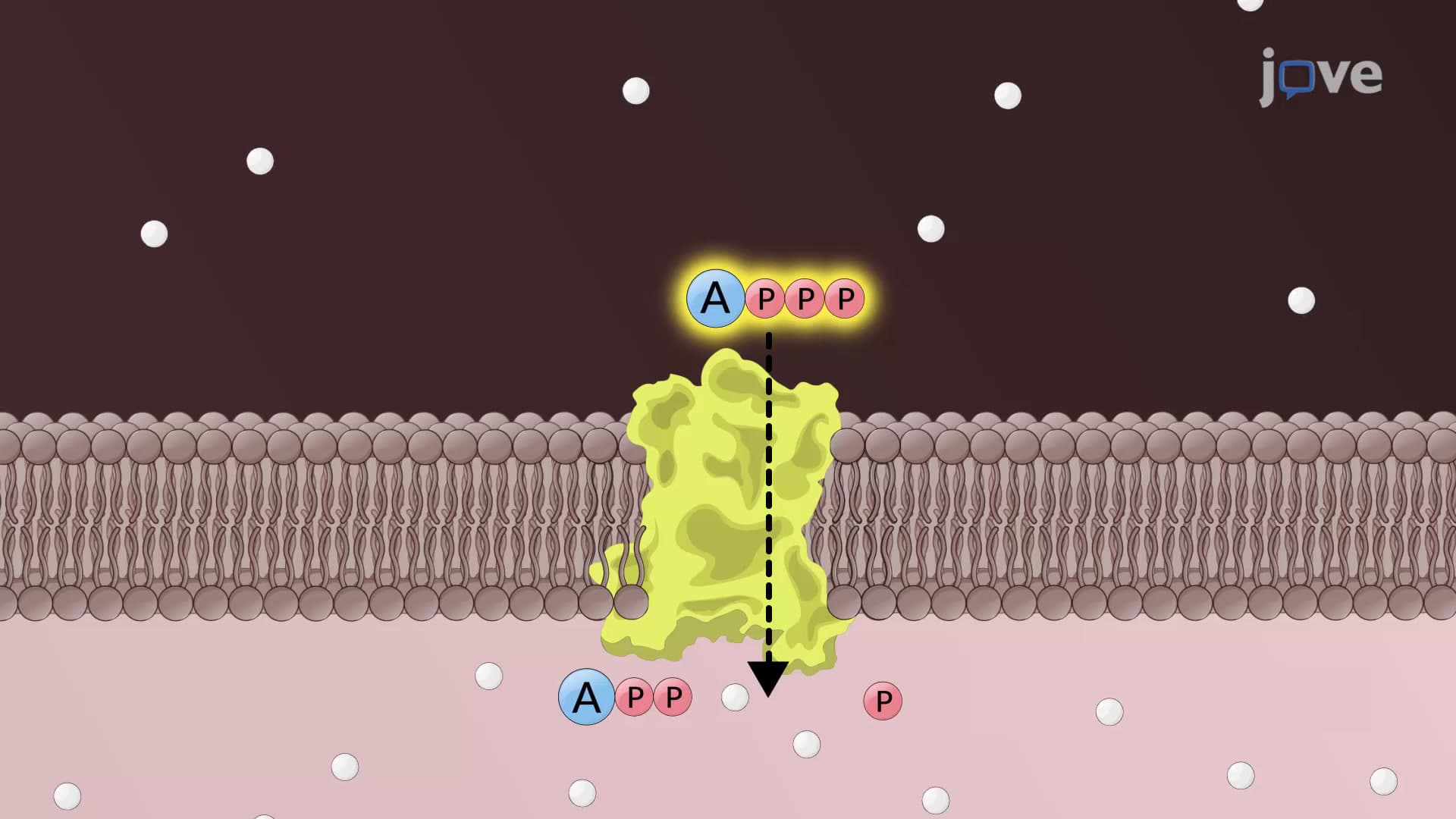
The ADP ATP carrier protein represents one of the most abundant transport proteins embedded within the inner mitochondrial membrane. This 30-kilodalton protein dimer serves as the primary gateway for nucleotide exchange between the mitochondrial matrix and intermembrane space. Unlike simple channels, this sophisticated antiporter undergoes precise conformational changes to ensure unidirectional transport-ADP enters the matrix while ATP exits to the cytosol.
The protein's strategic positioning within the inner mitochondrial membrane allows it to harness the proton gradient established by the electron transport chain. This electrochemical gradient, known as proton-motive force, provides the driving energy for the carrier's transport function, making it an integral component of cellular bioenergetics.
The transport mechanism relies on alternating conformational states triggered by substrate binding. When cytosolic ADP binds to the carrier's nucleotide-binding site, the protein undergoes a conformational shift that opens the matrix-facing channel while closing the cytosolic side. This ensures that ADP reaches the mitochondrial matrix where ATP synthase awaits substrate molecules.
The reverse process occurs when newly synthesized ATP binds from the matrix side. The carrier protein shifts conformation again, expelling ATP into the intermembrane space and ultimately into the cytosol. This reciprocal exchange maintains the cell's ATP/ADP ratio, critical for energy homeostasis in metabolically active tissues like cardiac muscle and brain tissue.
The ADP ATP carrier protein works in concert with the phosphate carrier protein to ensure complete substrate availability for ATP synthesis. While the ADP/ATP carrier handles nucleotide exchange, the phosphate carrier simultaneously imports inorganic phosphate (Pi) and protons into the matrix. This coordinated transport system prevents substrate limitation during high-energy demand periods.
Both carriers depend on the same proton-motive force, creating an integrated transport network that responds to cellular energy needs. During periods of high ATP consumption-such as during muscle contraction or active transport processes-both carriers increase their activity to meet metabolic demands.
Understanding carrier protein mechanisms proves essential for advanced coursework including AP Biology, college biochemistry, and pre-medical studies. Students preparing for the MCAT will encounter questions about mitochondrial transport systems and their regulation. The concept also appears in clinical contexts, as mutations affecting carrier proteins can lead to mitochondrial diseases affecting energy metabolism in tissues with high ATP demands, such as cardiac and skeletal muscle.
Related Micro-courses