Loading subject page…


145,116 views

Video Summary: The Citric Acid Cycle Output Explained
Ever wonder how your body converts the apple you ate into the energy powering your brain right now? The citric acid cycle output represents one of biochemistry's most elegant energy-harvesting mechanisms, transforming simple sugar molecules into cellular fuel. Similar to how Harvard Medical School students learn about metabolic pathways in their biochemistry courses, this cycle produces specific quantities of energy carriers: three NADH, one FADH2, and one ATP per cycle turn. Each glucose molecule requires two complete cycles, doubling these outputs. Watch the full video on JoVE Coach to master this concept with expert-led visuals and step-by-step explanations.
The citric acid cycle output represents a masterpiece of metabolic efficiency, where cells extract maximum energy from fuel molecules. Unlike a simple combustion reaction that releases energy as heat, this eight-step biochemical pathway carefully captures electrons in high-energy carrier molecules. Students at institutions like MIT and Stanford learn that this controlled energy extraction prevents cellular damage while maximizing ATP synthesis potential.
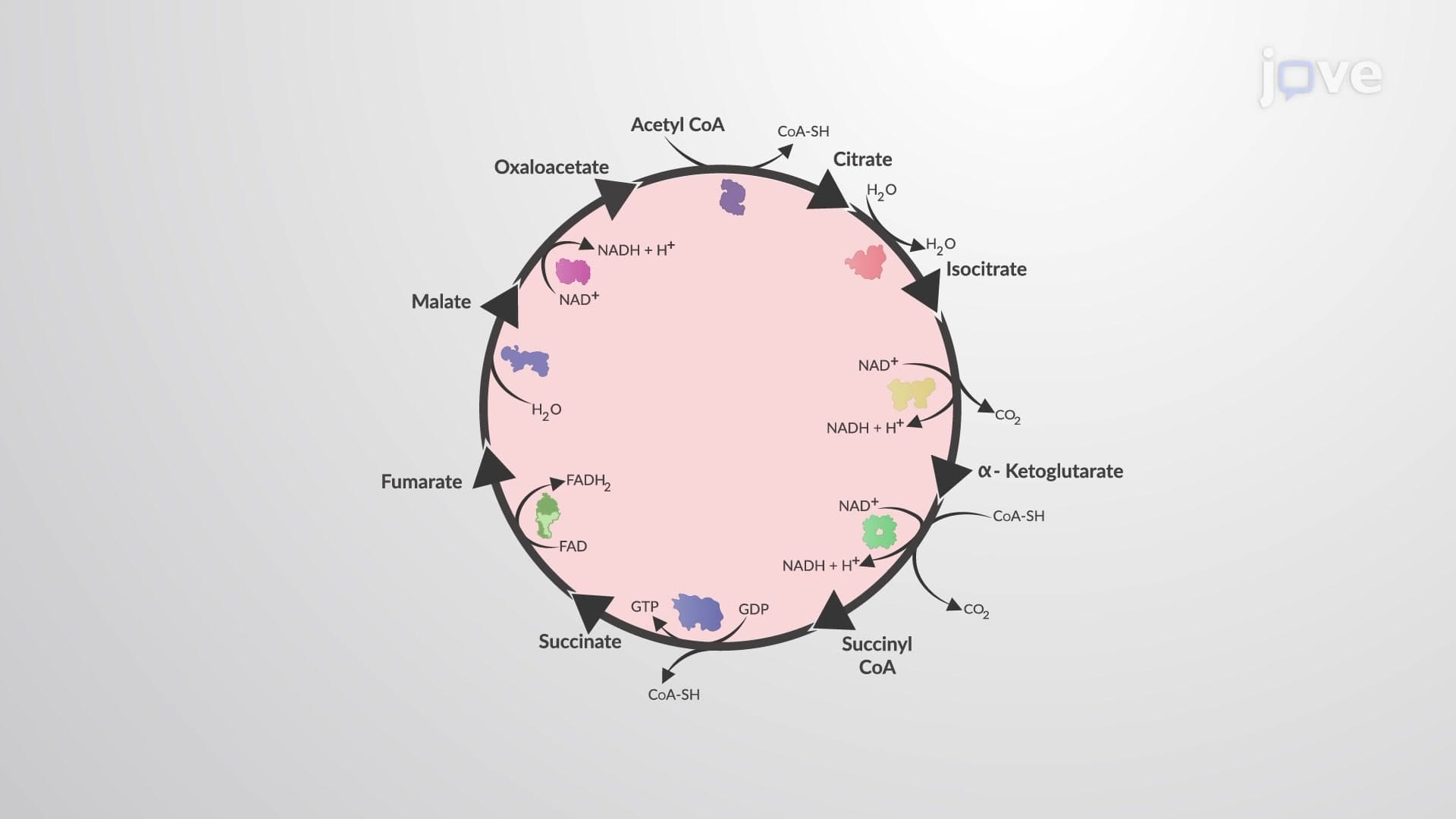
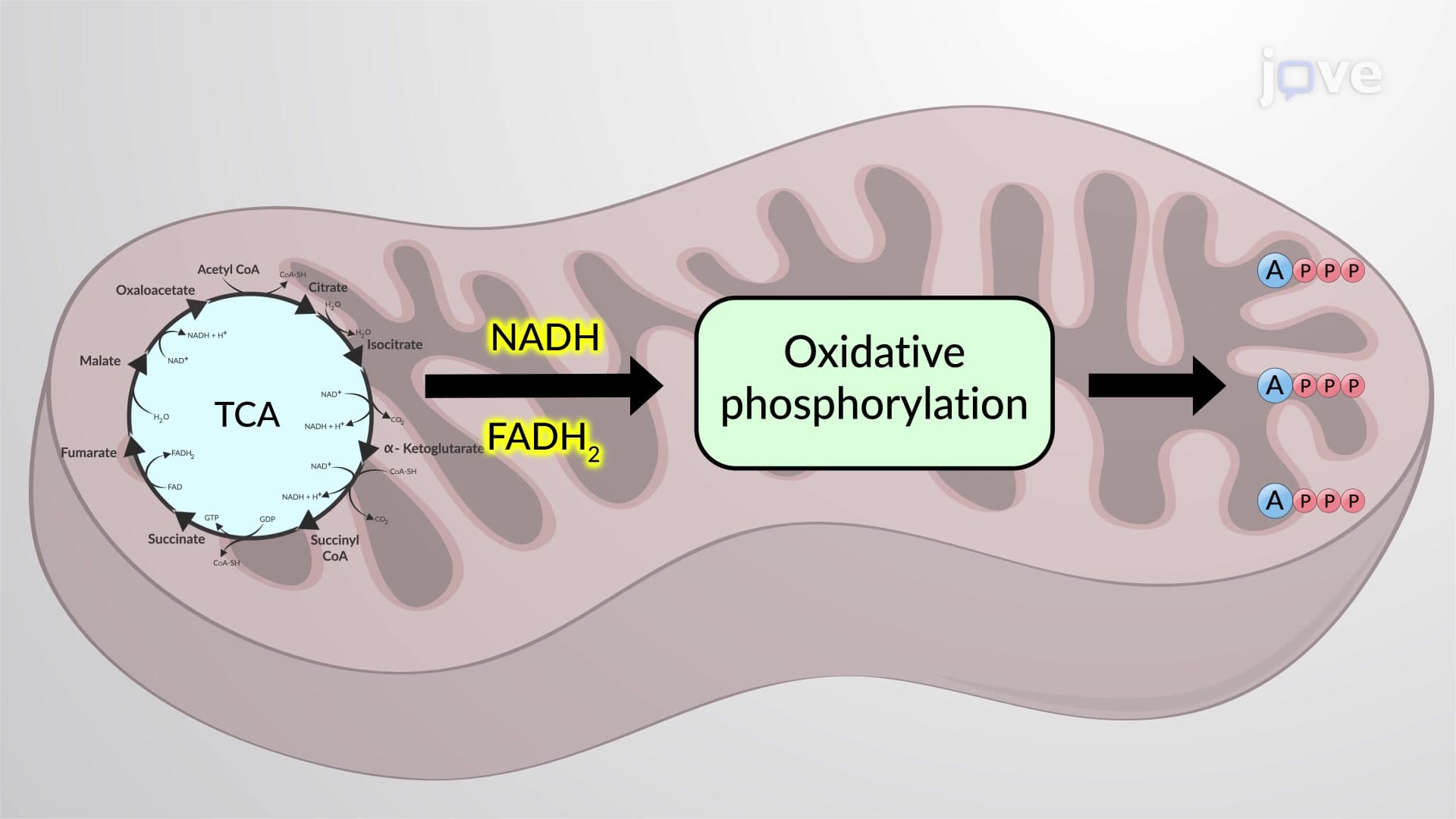
Each citric acid cycle turn produces a precise molecular inventory: three NADH molecules, one FADH2 molecule, one ATP (via GTP), and two CO2 molecules. This output occurs because specific enzymes catalyze oxidation-reduction reactions at strategic points. The three NADH molecules form during the isocitrate, α-ketoglutarate, and malate oxidation steps, while FADH2 generates during succinate oxidation. Students preparing for the MCAT must memorize these numbers, as they frequently appear in metabolism passages.
The citric acid cycle output doubles for glucose metabolism because glycolysis produces two pyruvate molecules per glucose. Each pyruvate converts to acetyl-CoA before entering the cycle, meaning glucose ultimately yields six NADH, two FADH2, two ATP, and four CO2 molecules. This doubling concept frequently challenges AP Biology students, but understanding it proves crucial for cellular respiration calculations. Universities like UC Berkeley emphasize this stoichiometry in introductory biochemistry courses.
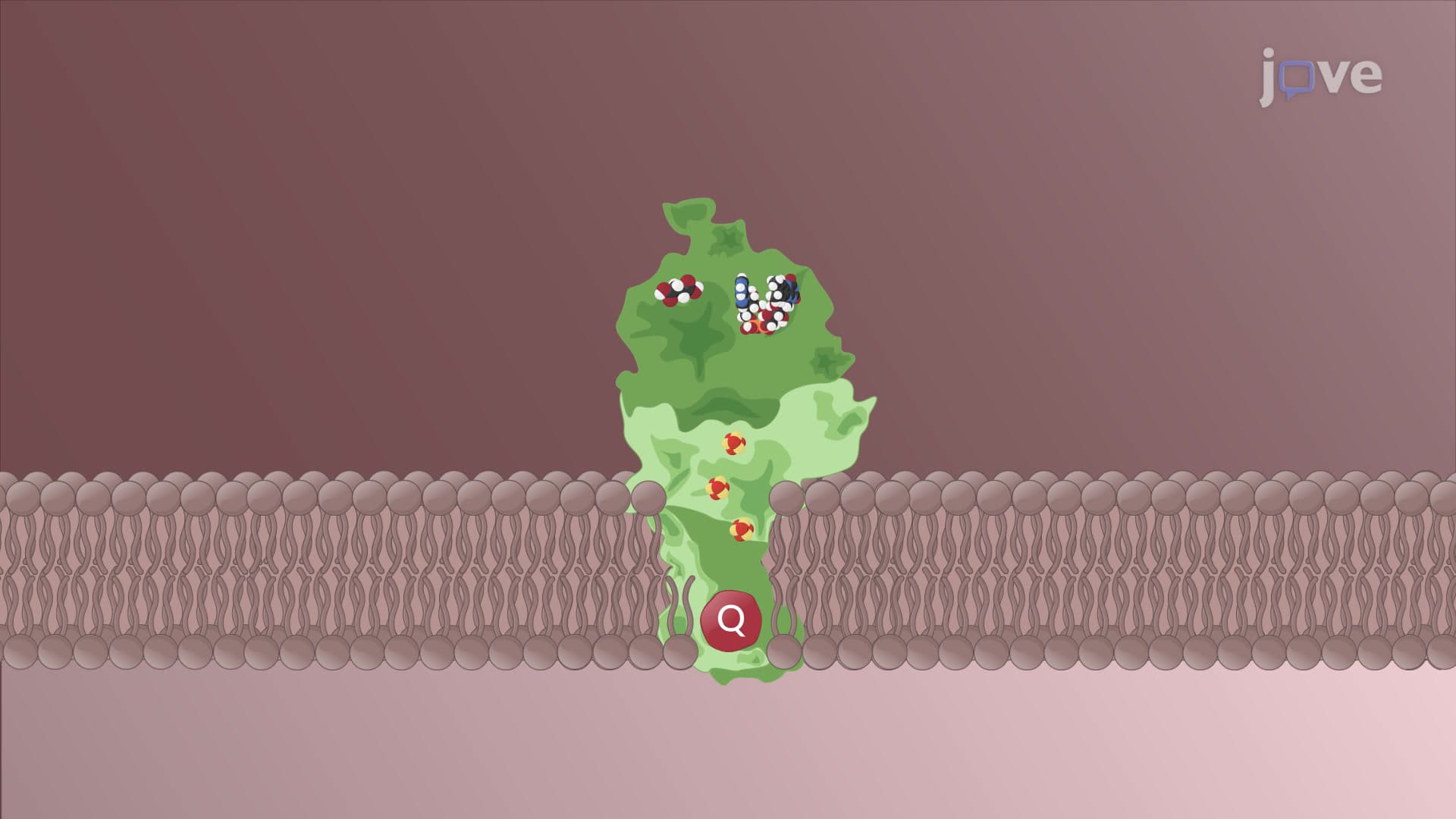
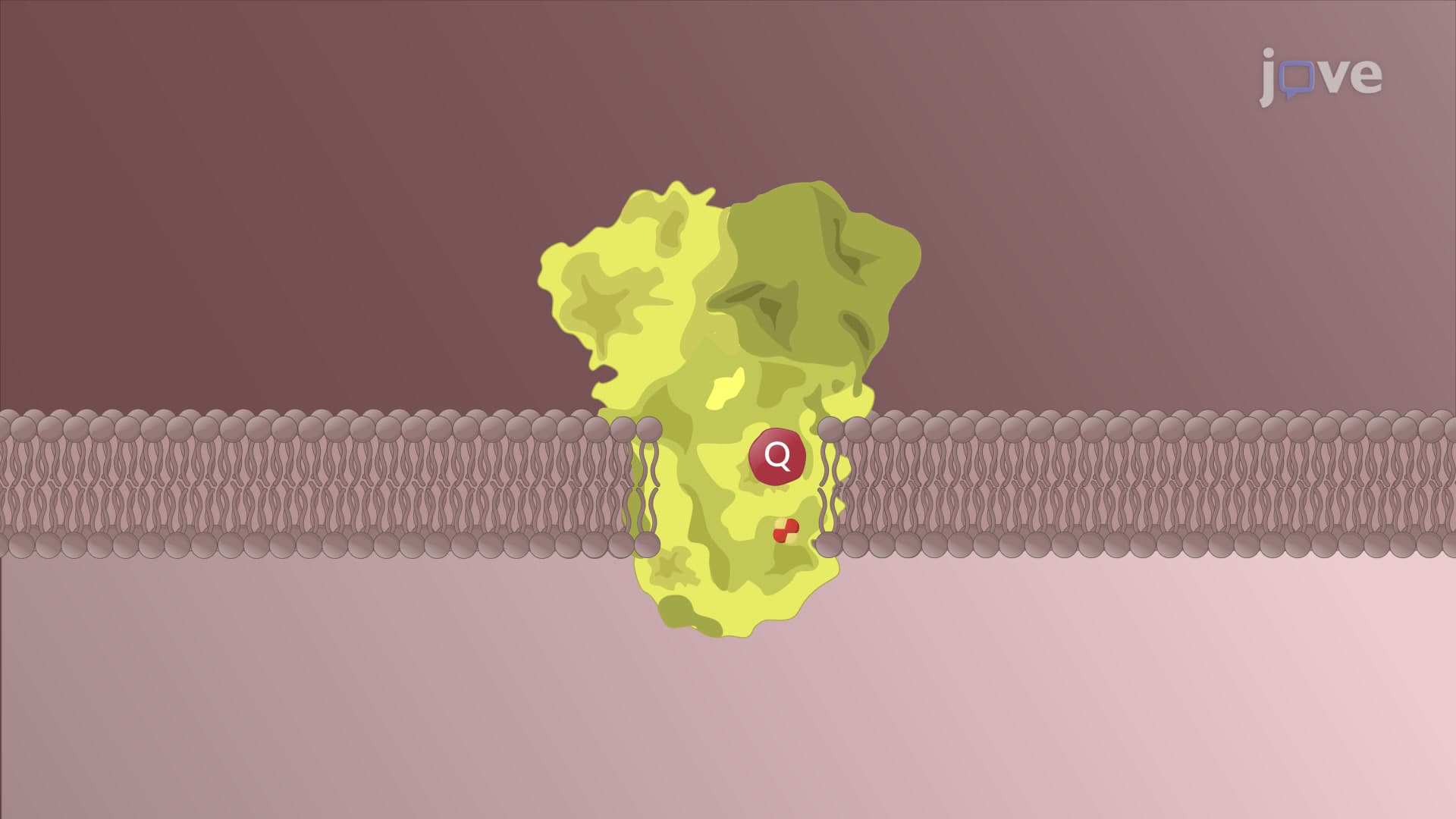
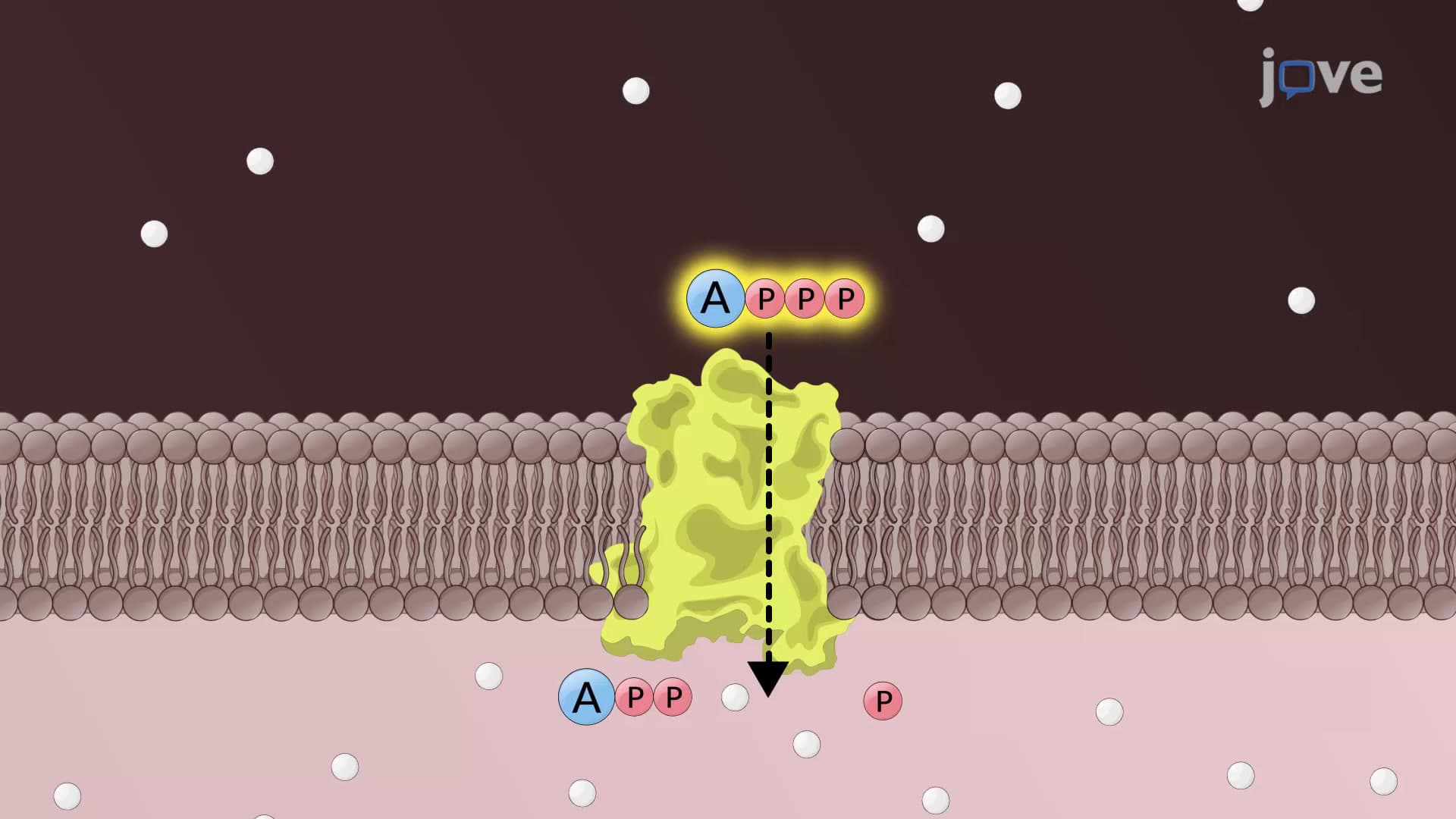
The citric acid cycle output gains significance through oxidative phosphorylation, where NADH and FADH2 donate electrons to the electron transport chain. Each NADH theoretically yields 2.5 ATP molecules, while FADH2 produces 1.5 ATP molecules. This means the citric acid cycle indirectly generates approximately 20 ATP molecules per glucose-far exceeding the direct ATP production. Pre-med students at schools like Johns Hopkins learn these ratios for MCAT biochemistry sections, where energy yield calculations appear regularly in practice passages and actual exams.
Related Micro-courses