Loading subject page…


145,119 views

Video Summary: What are Mitochondrial Membranes
Ever wondered why your muscle cells can produce energy for hours during a marathon? The secret lies in understanding mitochondrial membranes explained through their remarkable dual-membrane structure. These cellular powerhouses, found in every human cell from brain neurons to heart muscle fibers, use two distinct membranes to create specialized compartments for energy production. Watch the full video on JoVE Coach to master this concept with expert-led visuals and step-by-step explanations.
Mitochondrial membranes represent one of biology's most sophisticated energy conversion systems, comparable to how a hydroelectric dam uses water flow to generate electricity. These cellular powerhouses employ a dual-membrane architecture that creates distinct functional zones, each optimized for specific biochemical processes essential to human life.
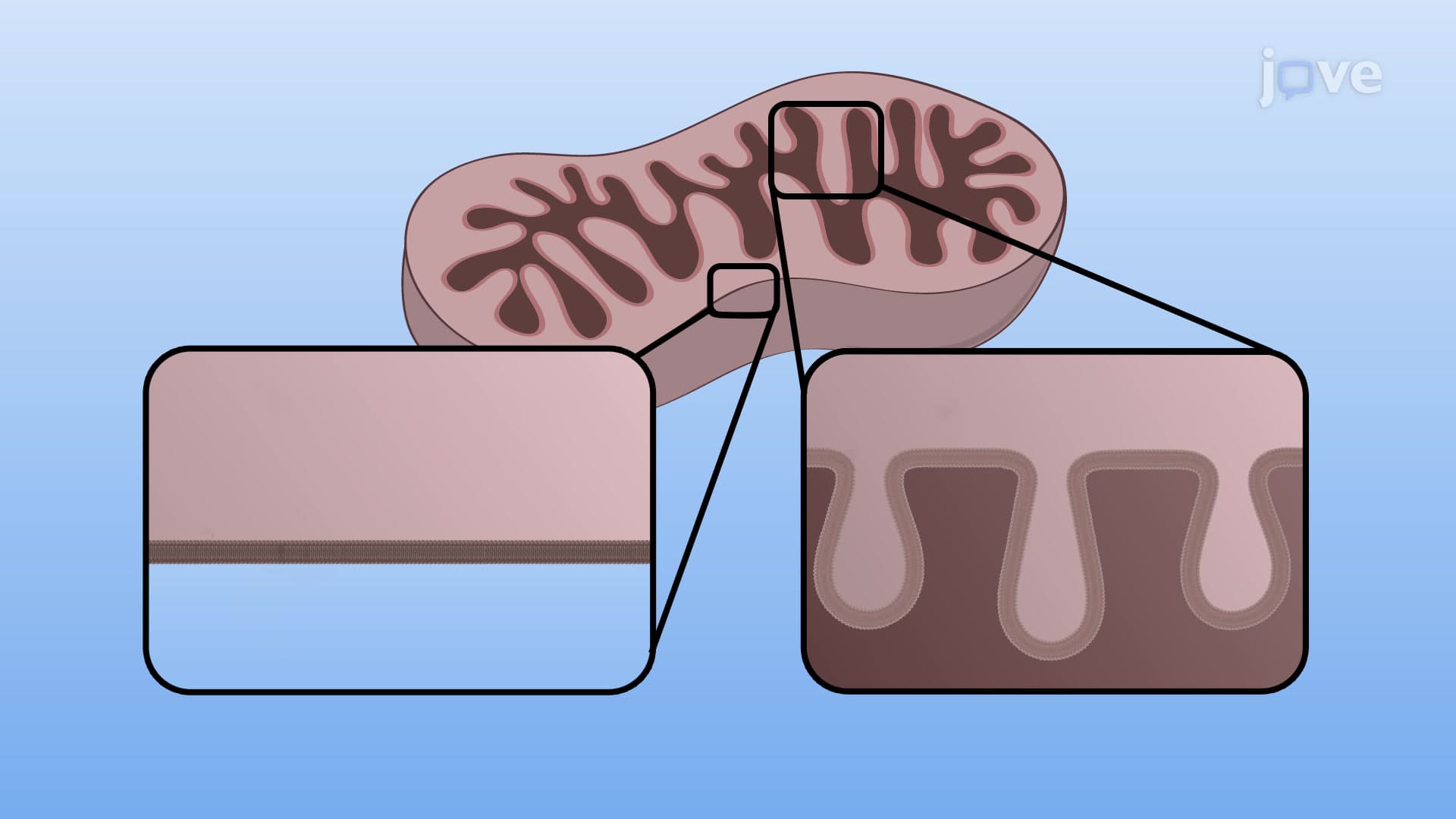
The outer mitochondrial membrane serves as the initial boundary between the mitochondrion and cellular cytoplasm. This lipid-rich barrier contains specialized proteins called porins-imagine them as molecular doorways that remain perpetually open. These porins allow free passage of ions and small molecules up to 5,000 daltons, making the intermembrane space essentially identical to the cytoplasm in chemical composition. This design proves crucial for rapid metabolite exchange, similar to how emergency rooms maintain open access for urgent cases while controlling deeper hospital access.
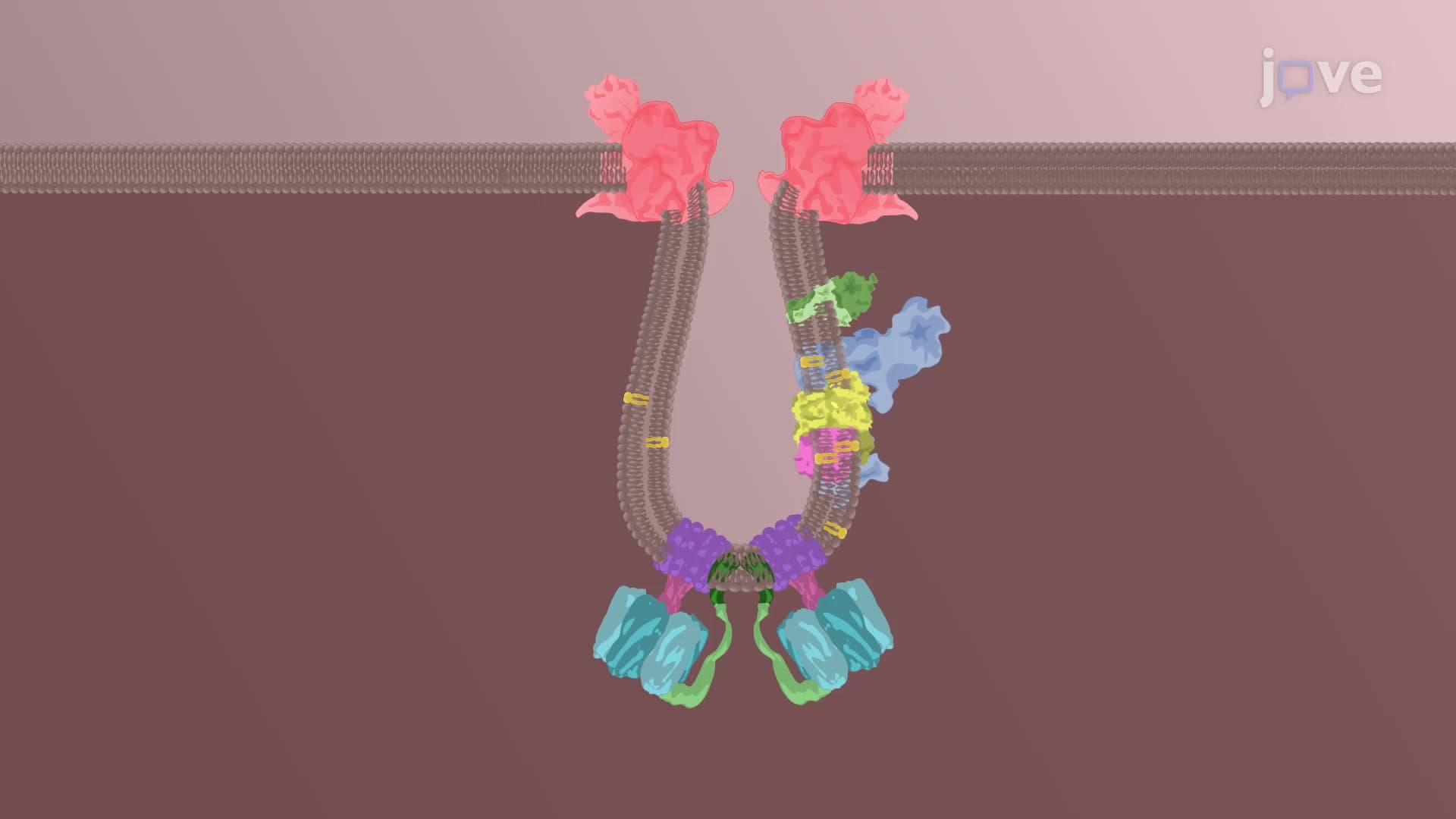
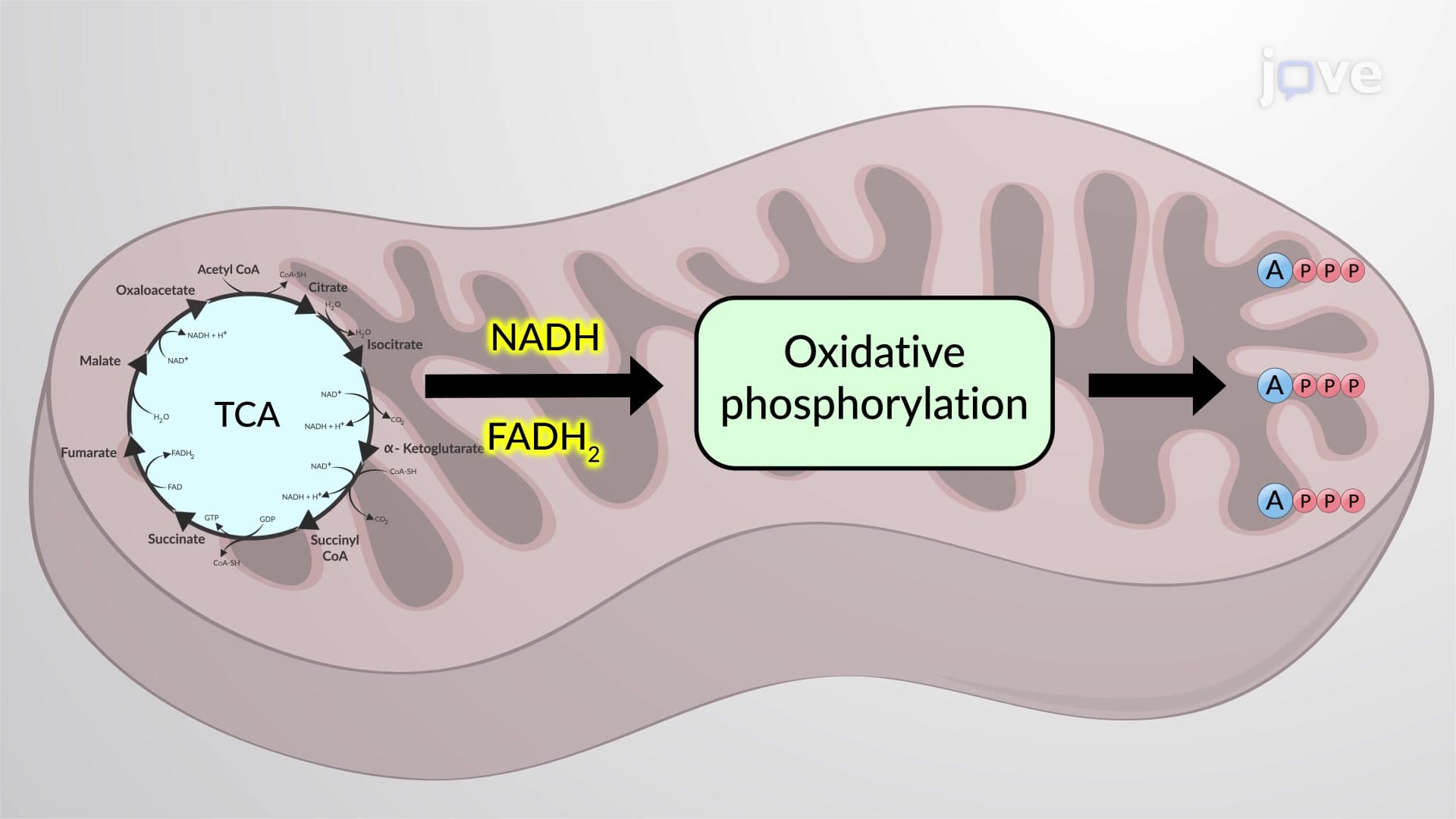
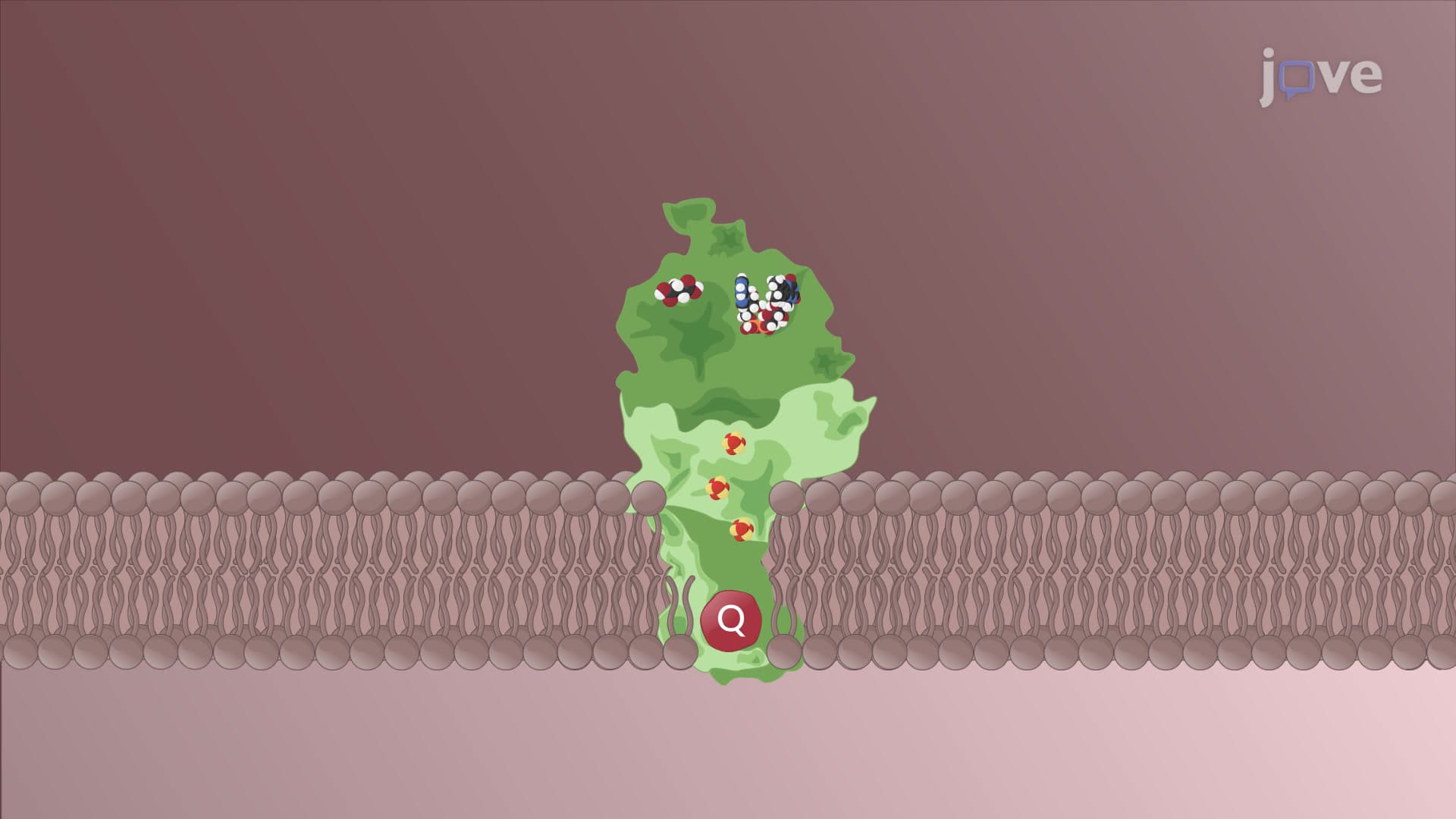
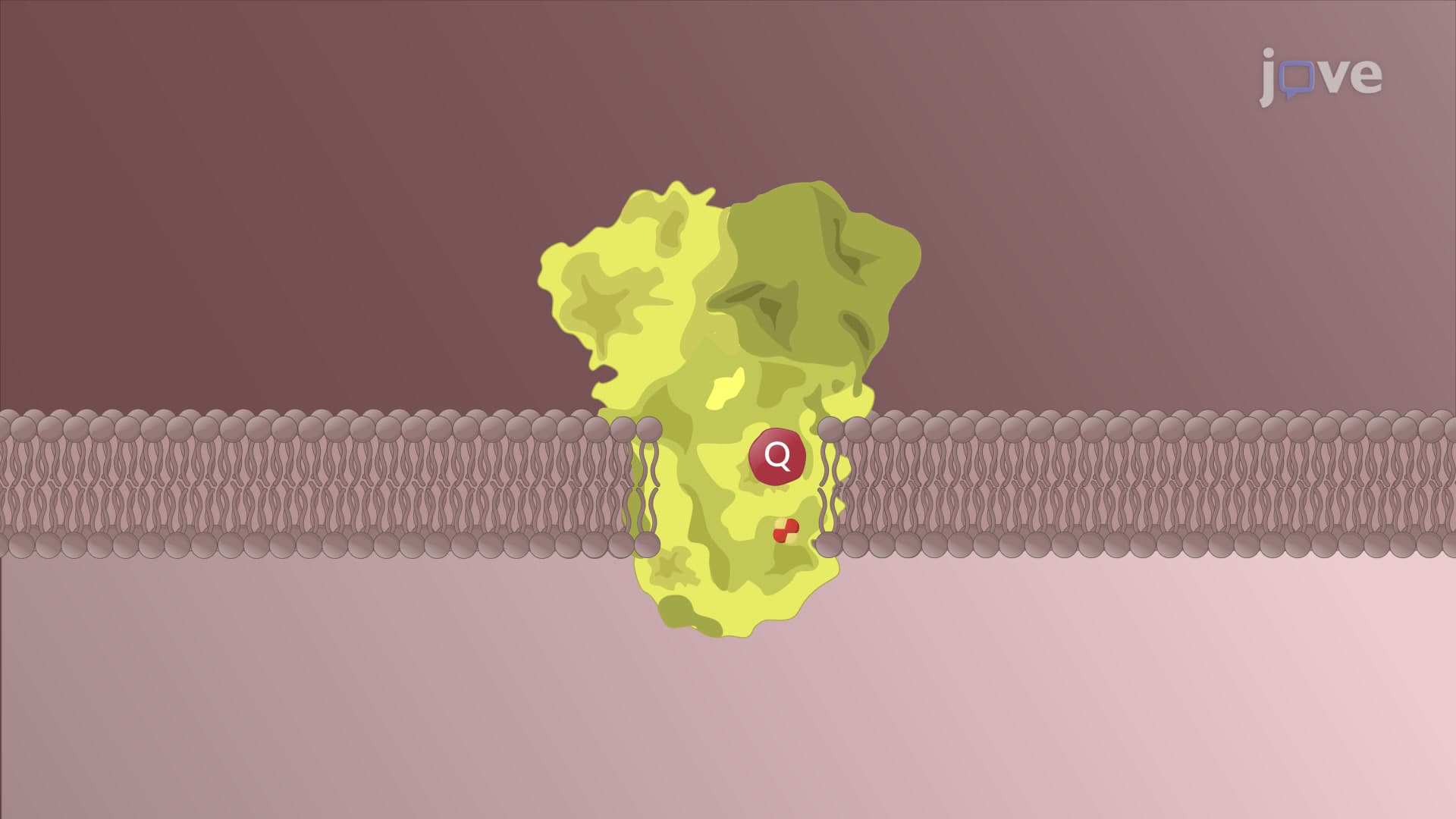
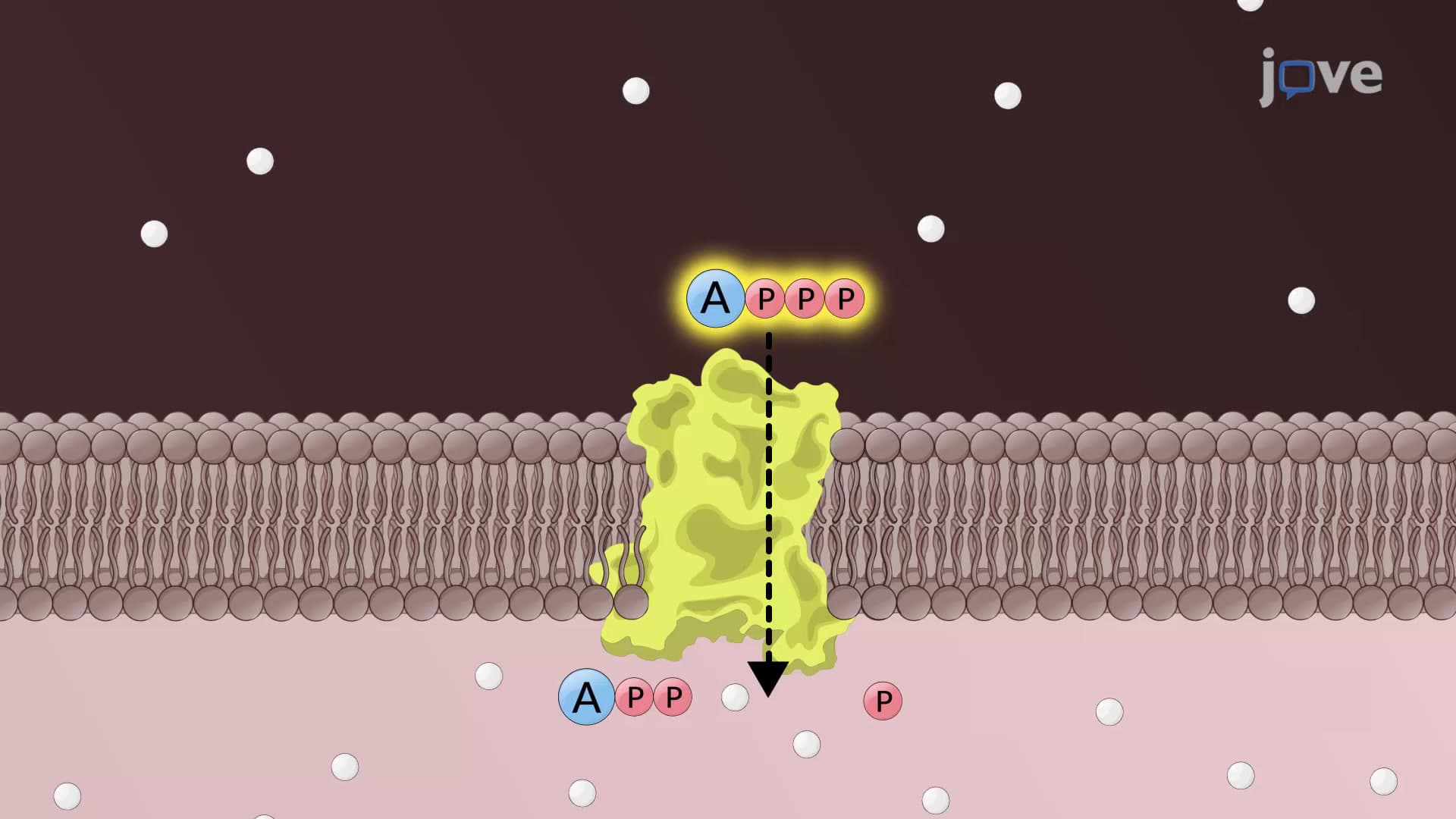
Unlike its permeable counterpart, the inner membrane operates as a highly selective barrier packed with proteins comprising nearly 75% of its mass. This membrane features dramatic folding patterns called cristae that multiply surface area up to five times-analogous to how intestinal villi maximize nutrient absorption. These cristae house the electron transport chain complexes responsible for ATP synthesis, the universal energy currency powering everything from muscle contractions during a basketball game to neuron firing during SAT problem-solving.
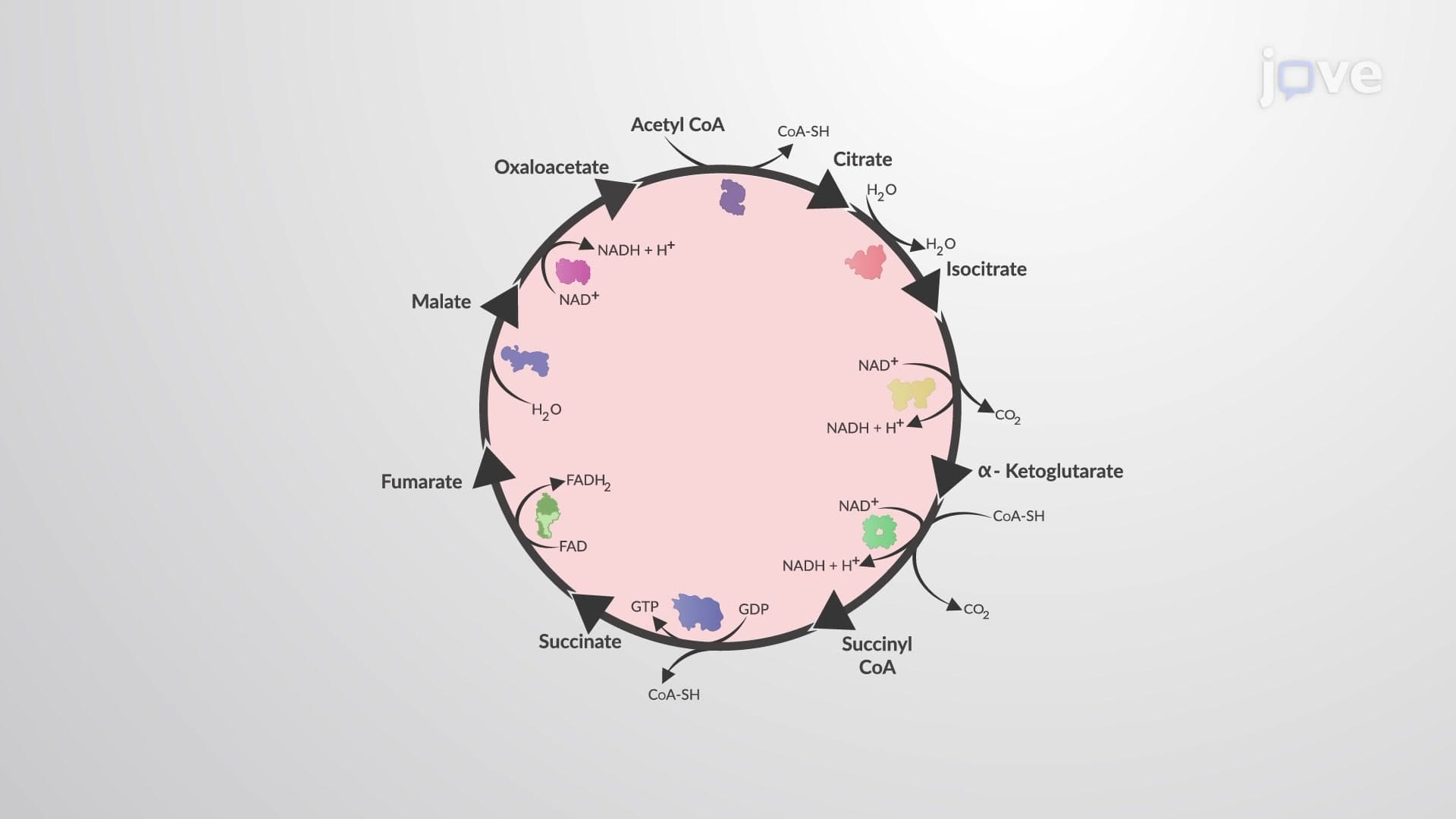
The two-membrane system creates distinct compartments with specialized functions. The intermembrane space maintains cytoplasmic conditions, facilitating seamless metabolite flow. Meanwhile, the matrix-enclosed by the inner membrane-contains carefully selected enzymes, ions, and molecules optimized for the citric acid cycle and fatty acid oxidation. This compartmentalization allows simultaneous processes that would otherwise interfere, similar to how modern hospitals separate emergency care from surgical suites.
For AP Biology students, understanding this membrane organization proves essential for mastering cellular respiration questions. College biochemistry courses build upon this foundation when exploring chemiosmotic theory and oxidative phosphorylation mechanisms that explain how cells efficiently convert food energy into usable ATP.
Related Micro-courses