Loading video…


 12 Concepts
 145.1K views

Video Summary: What Is Atp Synthase Mechanism
Every muscle contraction in your body-from blinking your eyes to sprinting across a football field-depends on a microscopic molecular machine called ATP synthase. The ATP synthase mechanism operates like a turbine in hydroelectric dams across the United States, converting energy from flowing water (or in cells, flowing protons) into usable power. This remarkable enzyme uses proton gradients to spin its central rotor, driving the synthesis of ATP through three distinct conformational states in its catalytic sites. Watch the full video on JoVE Coach to master this concept with expert-led visuals and step-by-step explanations.
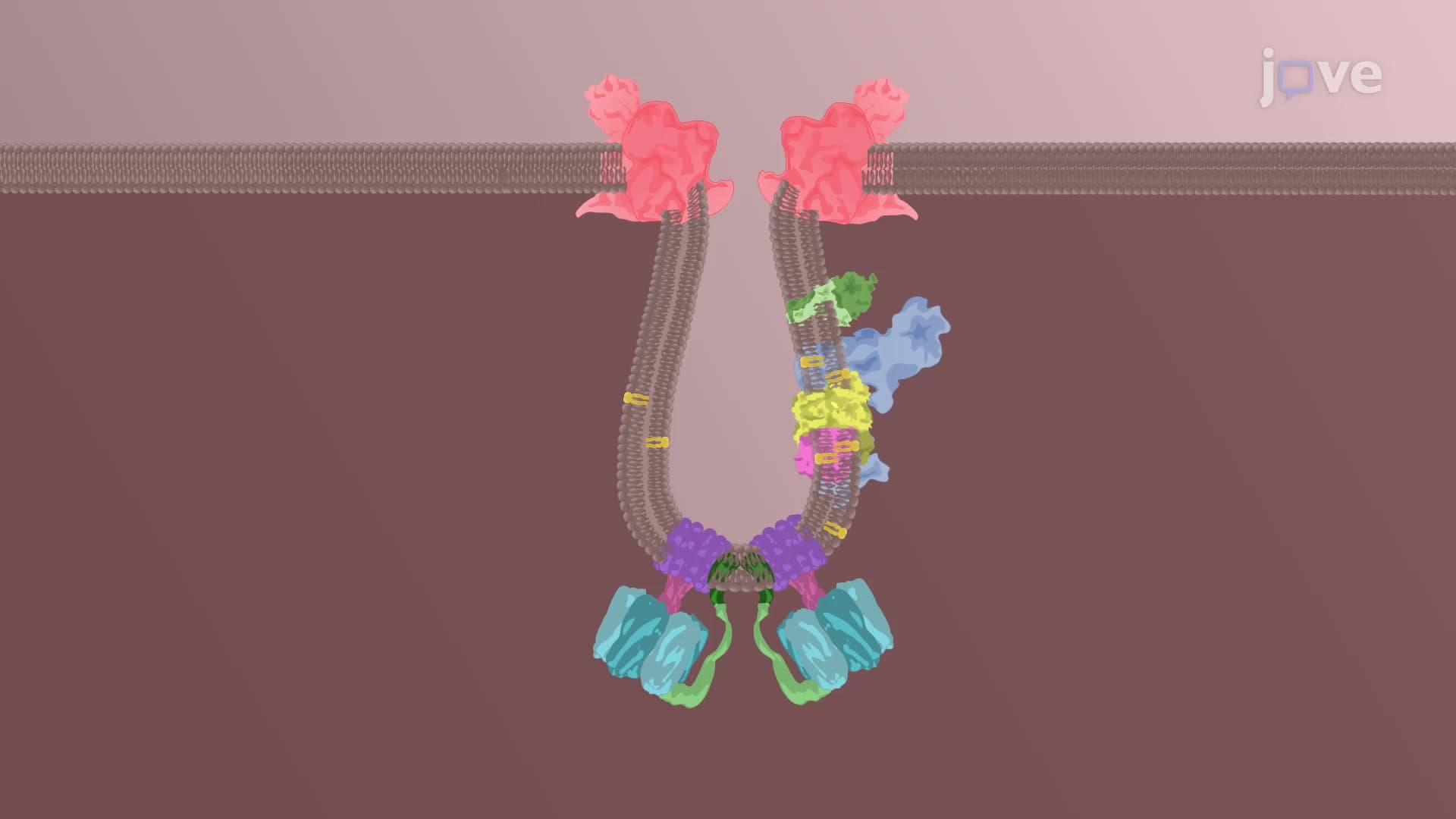
The ATP synthase mechanism represents one of biology's most elegant examples of energy conversion, functioning as a molecular turbine that harnesses proton gradients to synthesize ATP. This enzyme complex consists of two main components: the membrane-embedded F₀ portion that channels protons, and the soluble F₁ portion containing the catalytic machinery. The central γ-subunit acts as a rotating shaft, while the surrounding structure includes three α-β subunit pairs forming the hexameric catalytic head.
The ATP synthase mechanism definition centers on the binding change model, where each β-subunit cycles through three distinct conformational states. In the open state, the catalytic site has minimal affinity for substrates, allowing ADP and inorganic phosphate (Pi) to enter freely. The loose state provides weak substrate binding, positioning reactants for the next phase. Most critically, the tight state creates optimal conditions for ATP formation, with substrates binding so tightly that they spontaneously condense into ATP without additional energy input.
Understanding what is ATP synthase mechanism in detail requires grasping how proton flow drives rotation. As protons flow down their electrochemical gradient through the F₀ portion, they cause the γ-subunit to rotate 120 degrees at a time. Each 120-degree rotation shifts one β-subunit from one conformational state to the next, ensuring continuous ATP synthesis. This coupling of proton flow to mechanical rotation exemplifies how cells convert potential energy stored in gradients into chemical bond energy.
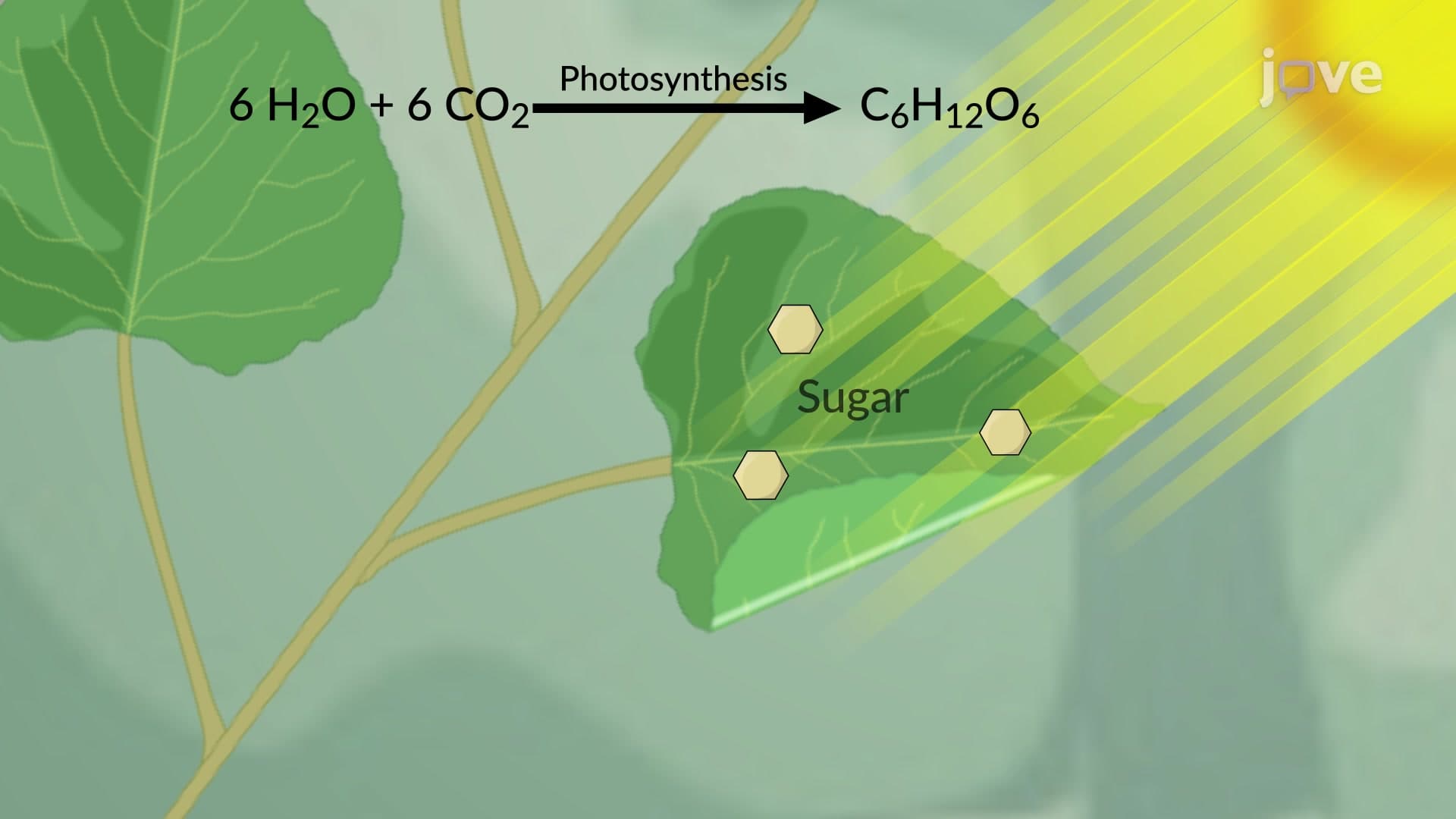
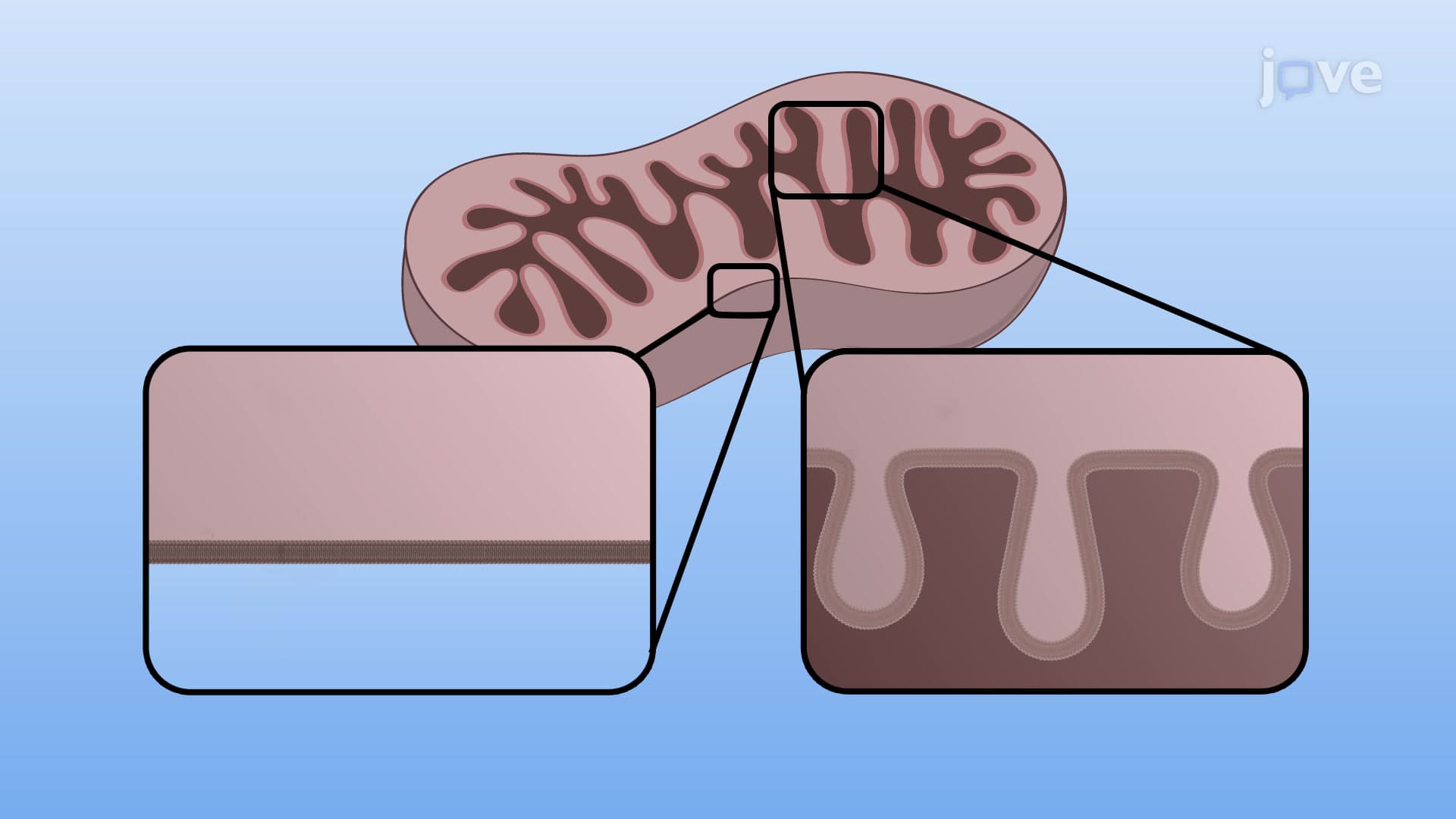
For students preparing for AP Biology, MCAT, or college biochemistry exams, the ATP synthase mechanism frequently appears in questions about cellular respiration and photosynthesis. Understanding this process helps explain how mitochondria in muscle cells produce ATP during exercise, or how chloroplasts generate ATP during photosynthesis in plants. The mechanism also illustrates fundamental principles of enzyme catalysis, energy coupling, and membrane bioenergetics that appear across multiple exam formats.
Related Micro-courses